

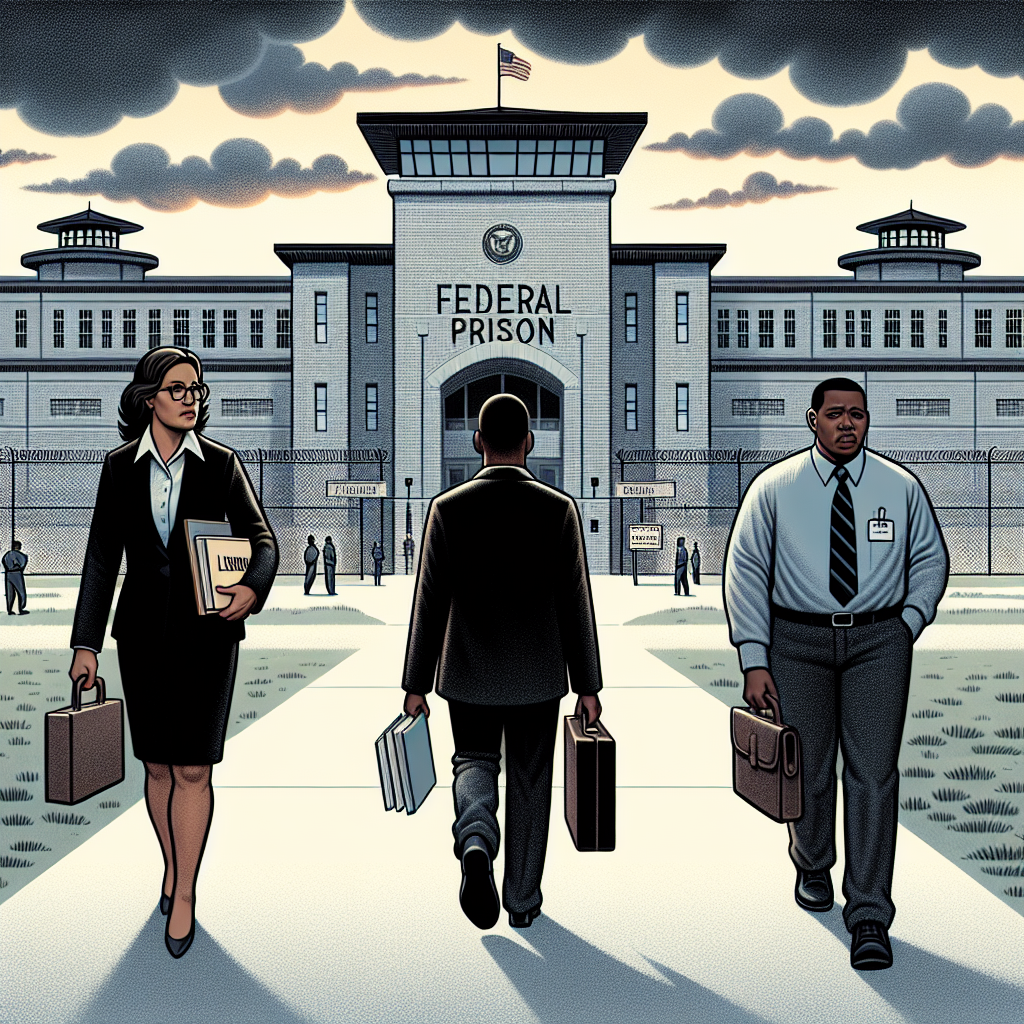
Headline: Federal Budget Cuts Slash Prisons’ Librarians and Coordinators
In a significant shift reflecting federal budget constraints, the Bureau of Prisons (BOP) has announced it will eliminate positions for librarians and employment coordinators across its facilities. This decision, communicated in an official memorandum released earlier this week, affects prisons nationwide and aims to reduce operational costs amidst ongoing financial challenges. The move has raised concerns about access to education and rehabilitation resources for inmates, just as the Justice Department prioritizes these programs to reduce recidivism.
As the federal government grapples with rising fiscal pressures, the BOP’s decision underscores a broader trend of budget cuts impacting vital support services for incarcerated individuals. The elimination of librarian roles, who are essential in providing educational materials and resources, has prompted backlash from correctional advocates and rehabilitation experts. In addition to librarians, employment coordinators will also face layoffs or reassignments, diminishing the support available to inmates seeking job training and placement upon release.
The BOP’s budget, much like other federal agencies, has been slashed, leading to difficult choices about how to allocate limited resources. With debates about spending and funding ongoing in Congress, the department has found itself prioritizing immediate security needs over rehabilitative services. Critics argue that cutting these programs ultimately undermines efforts to reintegrate inmates into society and could potentially lead to higher rates of recidivism.
In 2022 alone, there were more than 158,000 people incarcerated in federal prisons, many of whom rely on educational and vocational training programs to pave the way for successful reintegration. The absence of librarians, who facilitate access to educational materials and promote reading and learning, may further alienate these individuals from resources that can help them rebuild their lives. Employment coordinators, who connect inmates with job training programs and potential employers, play a crucial role in this reintegration journey.
With these cuts coming just as federal initiatives aimed at improving the lives of incarcerated individuals are gaining traction, the timing raises questions. Many advocates argue that investing in education and job placement services is a more effective strategy for reducing crime rates in the long term than simply tightening security measures. "This is an unfortunate development that will only exacerbate the barriers that formerly incarcerated individuals face when trying to reintegrate into society," stated Sarah Johnson, a vocal advocate for prison reform.
In recent years, significant research has highlighted the connection between educational opportunities in prison and decreased recidivism rates. Programs that provide access to libraries and vocational training significantly improve inmates’ chances of stable employment after release. Without these resources, many inmates may struggle to obtain the necessary skills and knowledge to thrive upon exiting the correctional system.
Moreover, the elimination of these positions will likely have a cascading effect on inmate morale and mental health. Access to educational materials and structured job training helps foster a sense of purpose and self-worth among individuals behind bars. Their removal can lead to increased feelings of hopelessness and despair, ultimately hindering rehabilitation efforts.
The outcry from legal professionals and rehabilitation specialists is growing louder as the full implications of the cuts become clear. Many are calling for a re-evaluation of the priorities within the BOP’s budget as part of a comprehensive discussion on criminal justice reform. The American Civil Liberties Union (ACLU) and other organizations are urging lawmakers to consider the long-term consequences these cuts will have not only on those incarcerated but also on public safety and community welfare.
In response to criticism, the BOP has emphasized that budget cuts are essential to maintain security and ensure the safety of staff and inmates alike. However, many experts argue that cutting educational and vocational support will lead to a cycle of failure and recidivism, ultimately making society less safe. "Investing in rehabilitation is an investment in public safety," stated Michael Adams, a former prison warden and current criminal justice consultant. "When we fail to provide inmates with the tools they need, we increase the likelihood of them returning to prison."
As these budget cuts take effect, lawmakers are urged to consider alternative measures to secure funding for prison programs. Some suggest reallocating existing funds from other areas or advocating for legislation that specifically focuses on educational funding in prisons. Others call for partnerships with non-profit organizations and businesses willing to provide resources and support to fill the gaps left by the cuts.
Looking ahead, the impact of these personnel eliminations will likely create a ripple effect throughout the entire correctional system. Advocacy groups plan to mobilize to push back against these cuts, raising awareness of the vital role educational and employment services play in the lives of incarcerated individuals. The next few months could prove critical for the future landscape of the federal prison system and its commitment to rehabilitation.
In summary, the decision to cut librarians and employment coordinators from federal prisons raises significant concerns regarding the future of rehabilitation and education for inmates. As budget pressures mount, advocates are rallying to highlight the importance of investing in these vital services. The challenge lies in balancing the need for security with the proven benefits of providing inmates with the opportunity to reintegrate successfully into society. In this balancing act, the stakes are high—not just for those behind bars, but for the community as a whole.