

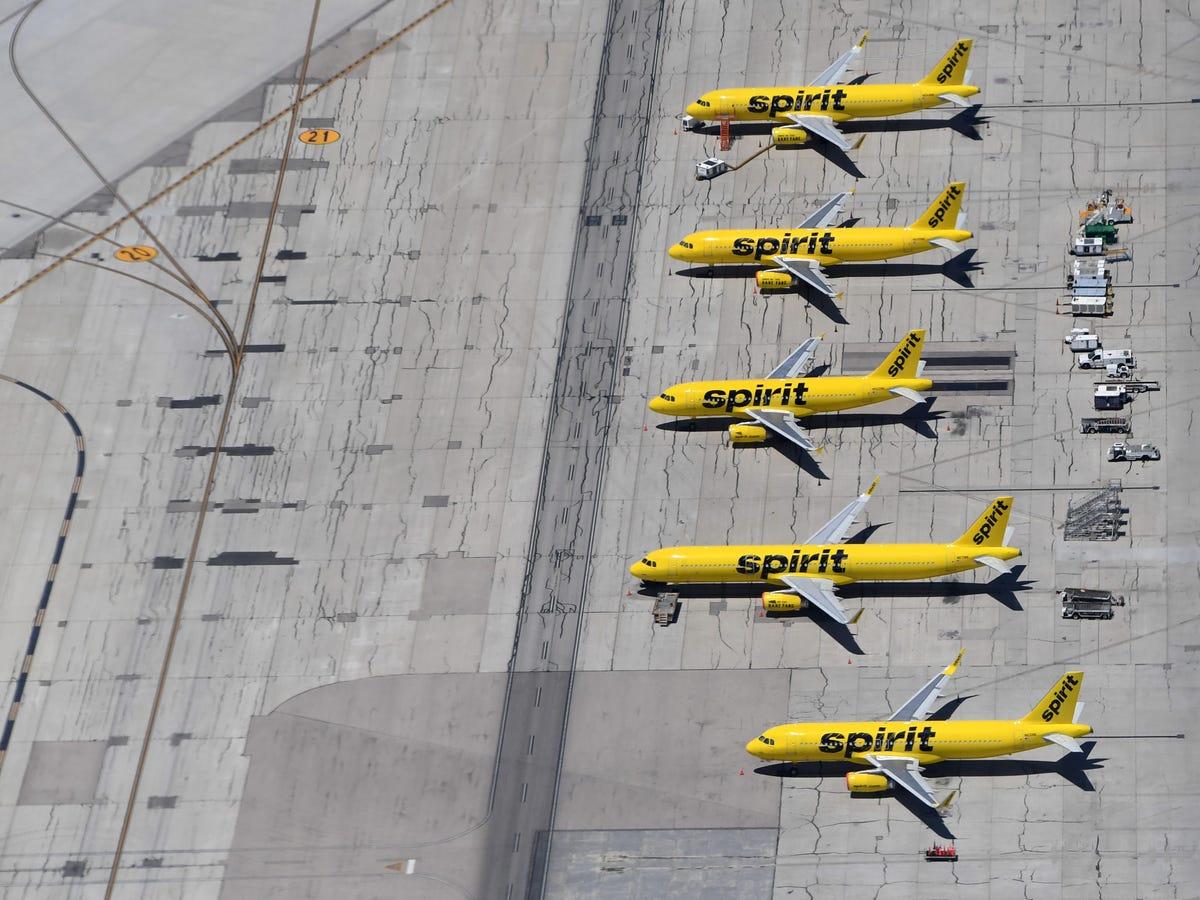
Washington, D.C., United States, May 2, 2026 (Parliament Politics Magazine) flight cancellations crisis grips the U.S. aviation sector following the abrupt collapse of Spirit Airlines, triggering widespread disruption across major travel hubs and leaving thousands of passengers stranded mid-journey.
Airports in Orlando, Las Vegas, and Fort Lauderdale quickly became scenes of confusion, as travelers discovered canceled flights, unmanned counters, and limited communication from the airline.
Passengers reported arriving at terminals only to find operations suspended without warning. Many were forced to search for last-minute alternatives at significantly higher costs, intensifying the flight cancellations crisis already affecting peak travel routes.
Flight Cancellations Crisis
Region: United States
Date: May 2026
Event Trigger: Collapse of Spirit Airlines
Primary Issue: Nationwide flight cancellations and stranded passengers
Passengers Affected: 100,000+ estimated
Major Airports Impacted: Hartsfield-Jackson Atlanta International Airport, Orlando International Airport
Airlines Responding: American Airlines, Delta Air Lines, United Airlines
Ticket Price Impact: Increased by 20–40% on key routes
Passenger Challenges: Rebooking delays, long wait times, refund uncertainty
Industry Impact: Reduced low-cost travel capacity and increased demand on major carriers
Emergency Measures Introduced by Major U.S. Airlines
In response to the escalating disruption, leading carriers including American Airlines, Delta Air Lines, and United Airlines initiated limited relief measures to accommodate displaced passengers.
These emergency actions include:
- Reduced fares for stranded travelers
- Flexible booking options on select routes
- Waived change and cancellation fees
- Additional standby availability
Despite these efforts, capacity limitations remain a major obstacle. Industry observers note that the flight cancellations crisis cannot be fully absorbed by competing airlines, particularly during high-demand travel periods.
One aviation executive commented:
“The system is designed for competition, not sudden collapse. What we are seeing is a stress test for the entire airline ecosystem.”
Airport Operations Strained by Sudden Passenger Surge
Major U.S. airports have experienced operational strain as thousands of passengers seek rebooking assistance. At Hartsfield-Jackson Atlanta International Airport, crowds stretched across terminals as overwhelmed service desks struggled to handle demand.
Airport authorities implemented several emergency measures:
- Increased staffing at customer service points
- Real-time coordination with airlines
- Temporary accommodation assistance for stranded passengers
Even with these efforts, delays and confusion persist. The flight cancellations crisis has exposed vulnerabilities in how airports manage sudden large-scale disruptions.
Financial Pressures That Led to the Collapse
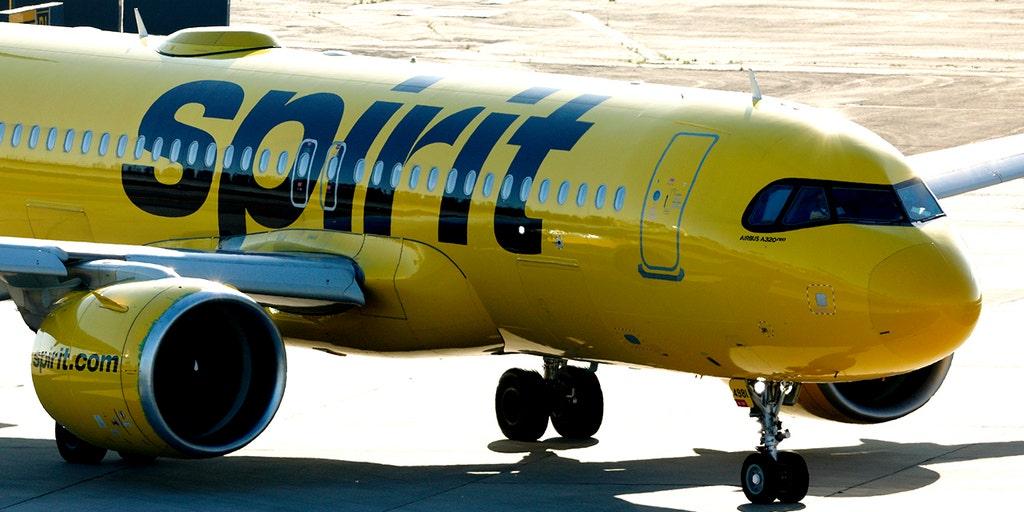
The collapse of Spirit Airlines reflects deeper structural challenges within the airline industry. Rising fuel costs, operational inefficiencies, and competitive pressures have strained the ultra-low-cost carrier model.
Key contributing factors include:
- Volatile fuel prices impacting profitability
- Increasing competition from full-service airlines offering discounted fares
- Operational disruptions affecting customer trust
- Heavy reliance on ancillary fees
Analysts suggest that these pressures have intensified across the industry, with the flight cancellations crisis serving as a visible consequence of underlying instability.
Passenger Financial Losses and Refund Challenges
For travelers, the immediate concern is financial recovery. Many passengers are uncertain whether they will receive refunds for canceled flights, particularly as the airline’s operations remain suspended.
Travel experts recommend:
- Filing chargebacks through credit card providers
- Reviewing travel insurance policies
- Monitoring official announcements for reimbursement procedures
The uncertainty has added another layer of stress, reinforcing the scale of the flight cancellations crisis impacting consumers nationwide.
A stranded traveler shared:
“It’s not just about getting home. It’s about whether we’ll ever see our money again.”
Travel Industry Faces Market Rebalancing
The sudden removal of a major budget carrier from the market has created a significant gap in low-cost travel options. Airlines are now adjusting pricing and capacity strategies to respond to shifting demand.
Potential industry outcomes include:
- Rising ticket prices due to reduced competition
- Increased market share for legacy carriers
- Greater focus on operational stability
Experts warn that the flight cancellations crisis may accelerate long-term changes in airline pricing models and availability.
Regulatory Oversight and Consumer Protection Discussions
The scale of disruption has drawn attention from federal regulators. Lawmakers are expected to examine whether stronger consumer protections are needed in cases of airline collapse.
Key areas under consideration:
- Passenger rights during airline shutdowns
- Financial safeguards for ticket holders
- Emergency response coordination across carriers
While policy changes may take time, the flight cancellations crisis has already sparked renewed debate on airline accountability.
Travelers Advised to Take Preventive Measures
In response to the unfolding situation, travel experts are urging passengers to adopt more cautious booking practices.
Recommended precautions include:
- Choosing established carriers with stronger financial stability
- Purchasing travel insurance for added protection
- Using credit cards that offer travel dispute coverage
These strategies may help mitigate risks associated with future disruptions linked to the flight cancellations crisis.
History of Airline Collapses and Industry Lessons
The aviation industry has experienced similar disruptions in the past, though few have matched the scale and immediacy of the current situation. Previous airline failures have highlighted the importance of financial resilience and operational efficiency.
Historically, airline collapses have resulted in:
- Sudden travel disruptions
- Financial losses for passengers
- Market consolidation
The current flight cancellations crisis echoes these patterns but unfolds in a more interconnected and high-demand travel environment, amplifying its impact.
Long-Term Impact on Budget Travel Options
Spirit Airlines played a key role in making air travel accessible to price-sensitive consumers. Its collapse raises concerns about the future of ultra-low-cost travel in the United States.
Possible long-term effects include:
- Reduced availability of budget fares
- Increased reliance on major carriers
- Limited route options for cost-conscious travelers
The flight cancellations crisis may mark a turning point in how airlines balance affordability with sustainability.
Industry Perspective on Ongoing Disruption
An aviation analyst summarized the broader implications:
“This is more than a single airline failure. It highlights systemic risks within the industry and the need for more resilient operational models.”
What Travelers Need to Know Now
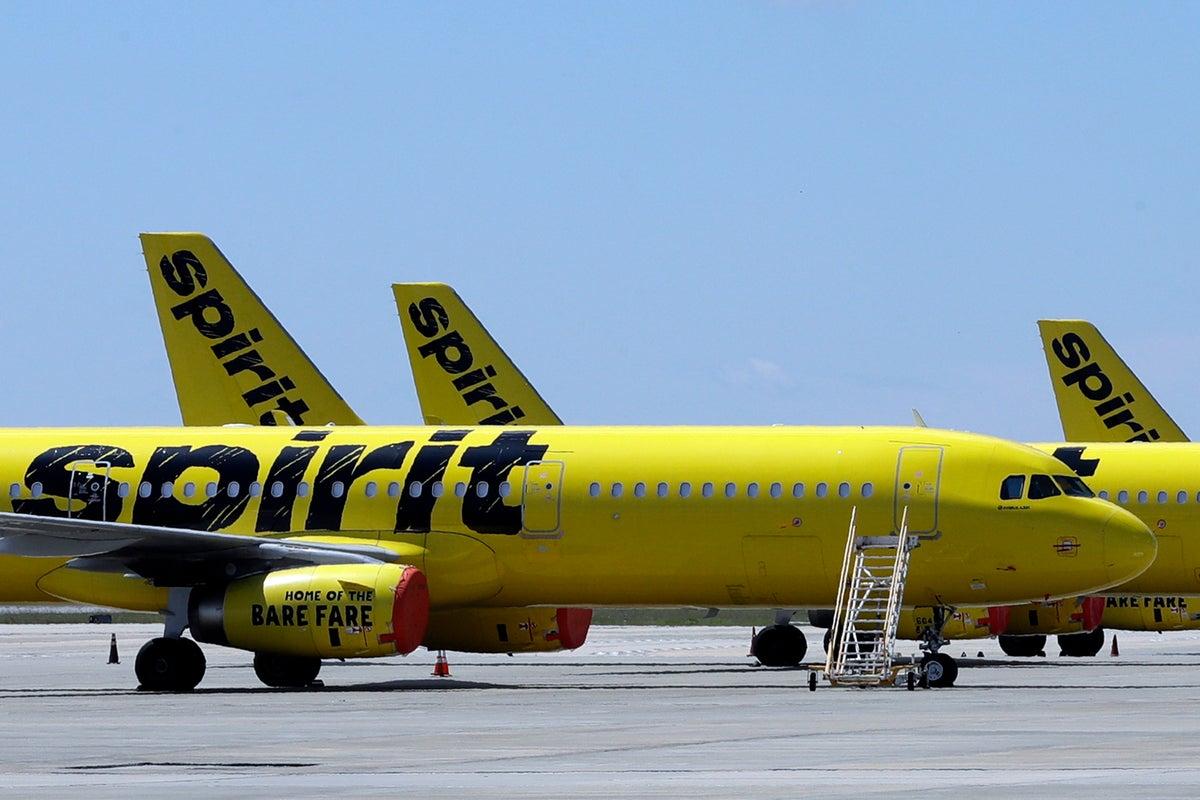
The flight cancellations crisis triggered by the collapse of Spirit Airlines has left thousands stranded, exposed weaknesses in the aviation system, and forced competitors to respond under pressure. While major airlines have introduced limited relief measures, capacity constraints and financial uncertainties continue to challenge passengers.
Travelers are advised to remain proactive, explore alternative booking options, and take precautionary steps to protect future travel plans. The long-term effects of this disruption may reshape airline competition, pricing, and consumer expectations across the industry.