United States, February 5, 2026, According to Parliament News, that In the United States in 2026, galaxy research is undergoing a period of profound reassessment as astronomers confront discoveries that challenge decades of accepted theory. Long-term observations, enhanced telescope sensitivity, and sustained data analysis are revealing that galaxies behave in ways far more complex and prolonged than earlier models predicted. These findings are not only changing how scientists interpret galactic evolution but also how they understand the role of black holes, stellar systems, and cosmic matter in shaping the universe.
The latest observations suggest that galaxies are not static structures governed by predictable cycles. Instead, they are dynamic systems shaped by delayed reactions, extended energy releases, and long-lasting internal interactions. This shift in perspective has placed renewed attention on how galactic centers behave long after major cosmic events appear to have ended.
A Shift From Short Events to Long Processes
For much of modern astronomy, scientists focused on brief and dramatic cosmic phenomena. Exploding stars, sudden flares, and short-lived bursts of radiation dominated research priorities because they were easier to detect and measure. However, recent findings indicate that the aftermath of these events may be just as important as the events themselves.
In current galaxy research, astronomers are paying closer attention to what happens after the initial disruption fades from view. Extended emissions, recurring energy surges, and delayed gravitational effects suggest that galactic systems remain active far longer than previously assumed. These prolonged processes provide new insight into how matter settles, reorganizes, and influences surrounding structures over time.
Black Holes as Long-Term Influencers
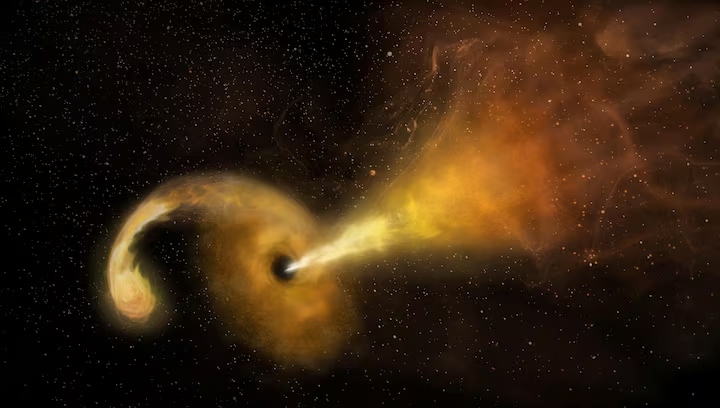
At the center of most large galaxies lies a supermassive black hole. Traditionally, these objects were viewed as sporadic consumers of matter, becoming quiet once nearby material was exhausted. New observations contradict this assumption.
Scientists now see evidence that black holes can remain active years after consuming stars or gas clouds. This activity includes repeated emissions of energy and unstable accretion behavior that reshapes the galactic environment. Within galaxy research, this realization has prompted a reassessment of how black holes regulate star formation and galactic growth over extended periods.
Why Timing Has Become Critical
One of the most important methodological changes in astronomy has been the emphasis on long-term observation. Instead of recording isolated moments, researchers now monitor galactic regions continuously, sometimes for years.
This approach has transformed galaxy research by revealing slow-moving processes that were previously invisible. Gradual shifts in brightness, delayed material collapse, and recurring energy patterns only become apparent when scientists observe the same systems over extended timeframes. These discoveries highlight the importance of patience in cosmic study.
The Technology Driving Discovery
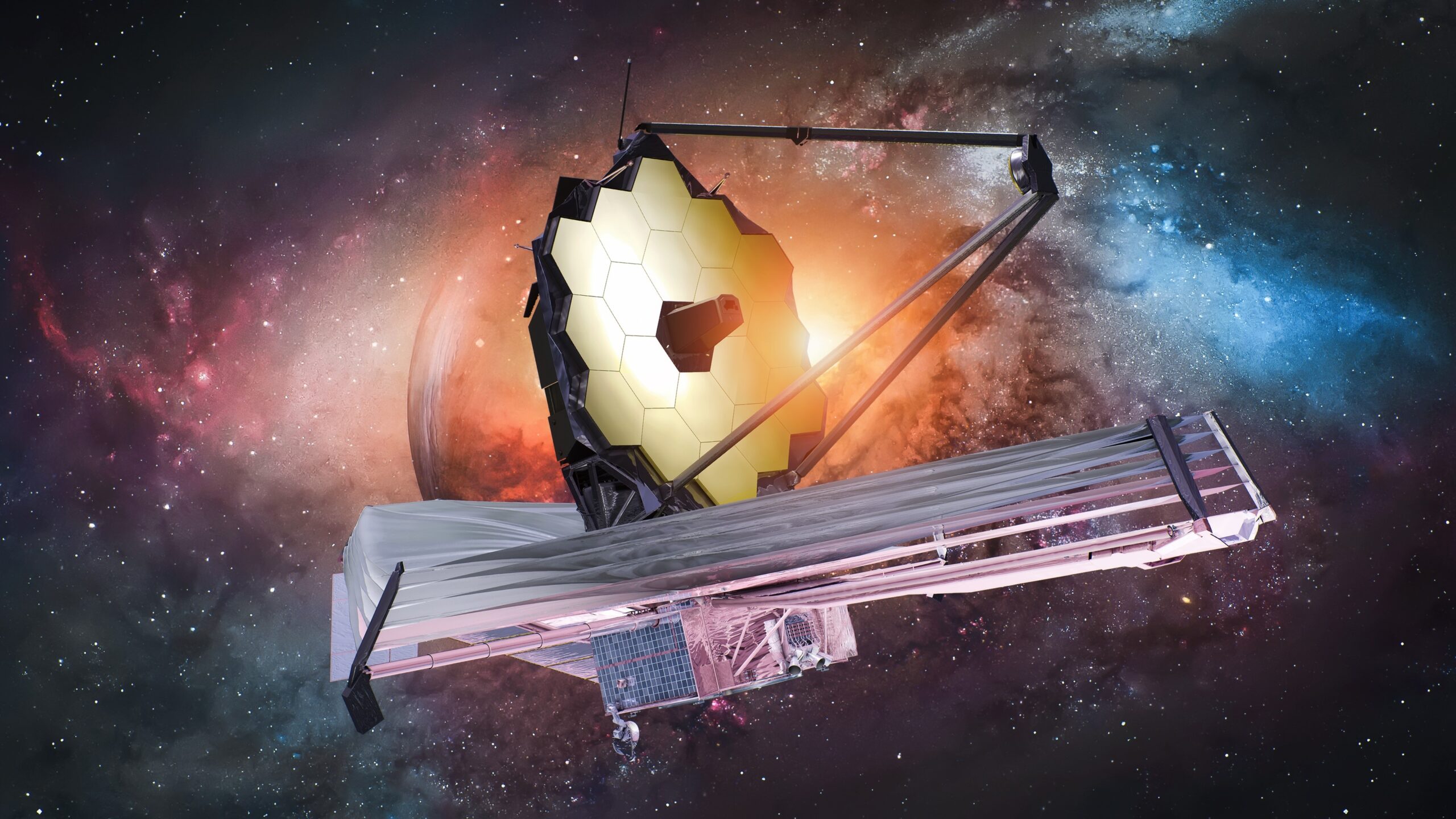
Advances in space-based and ground-based observatories have enabled this new era of discovery. Improved sensors, higher resolution imaging, and more sophisticated data processing techniques allow astronomers to detect faint signals that once went unnoticed.
Modern galaxy research depends on integrating data from multiple wavelengths, including optical, infrared, and X-ray observations. This comprehensive approach helps confirm findings and reduce uncertainty, ensuring that conclusions are based on consistent evidence rather than isolated anomalies.
Unexpected Stellar Behavior Near Galactic Centers
Recent observations show that stars near galactic cores behave differently than those farther away. Variations in orbital motion, lifespan, and energy output suggest that environmental influences are stronger than once believed.
These findings have become central to galaxy research, as scientists recognize that stellar evolution cannot be fully understood without accounting for a star’s galactic surroundings. The interplay between stars, gas, and gravitational forces creates conditions that shape stellar outcomes in complex ways.
Data Patterns That Defy Older Models
As data accumulates, researchers are identifying patterns that conflict with long-standing theoretical frameworks. Energy emissions that should dissipate quickly instead linger, and matter distributions that should stabilize remain chaotic.
Such inconsistencies have forced galaxy research teams to reconsider foundational assumptions. Rather than viewing galaxies as systems that quickly return to equilibrium, scientists now see them as environments capable of sustained instability and prolonged transformation.
Scientific Community Responds
The growing body of evidence has sparked intense discussion among astronomers worldwide. Conferences and journals increasingly focus on reconciling new data with existing models or proposing entirely new explanations.
One senior researcher involved in recent observations stated,
“What we are seeing suggests galaxies remember their past far longer than we ever imagined.”
This sentiment reflects a broader shift within galaxy research, where uncertainty is no longer seen as a problem but as an opportunity for deeper understanding.
Energy Feedback and Galactic Structure
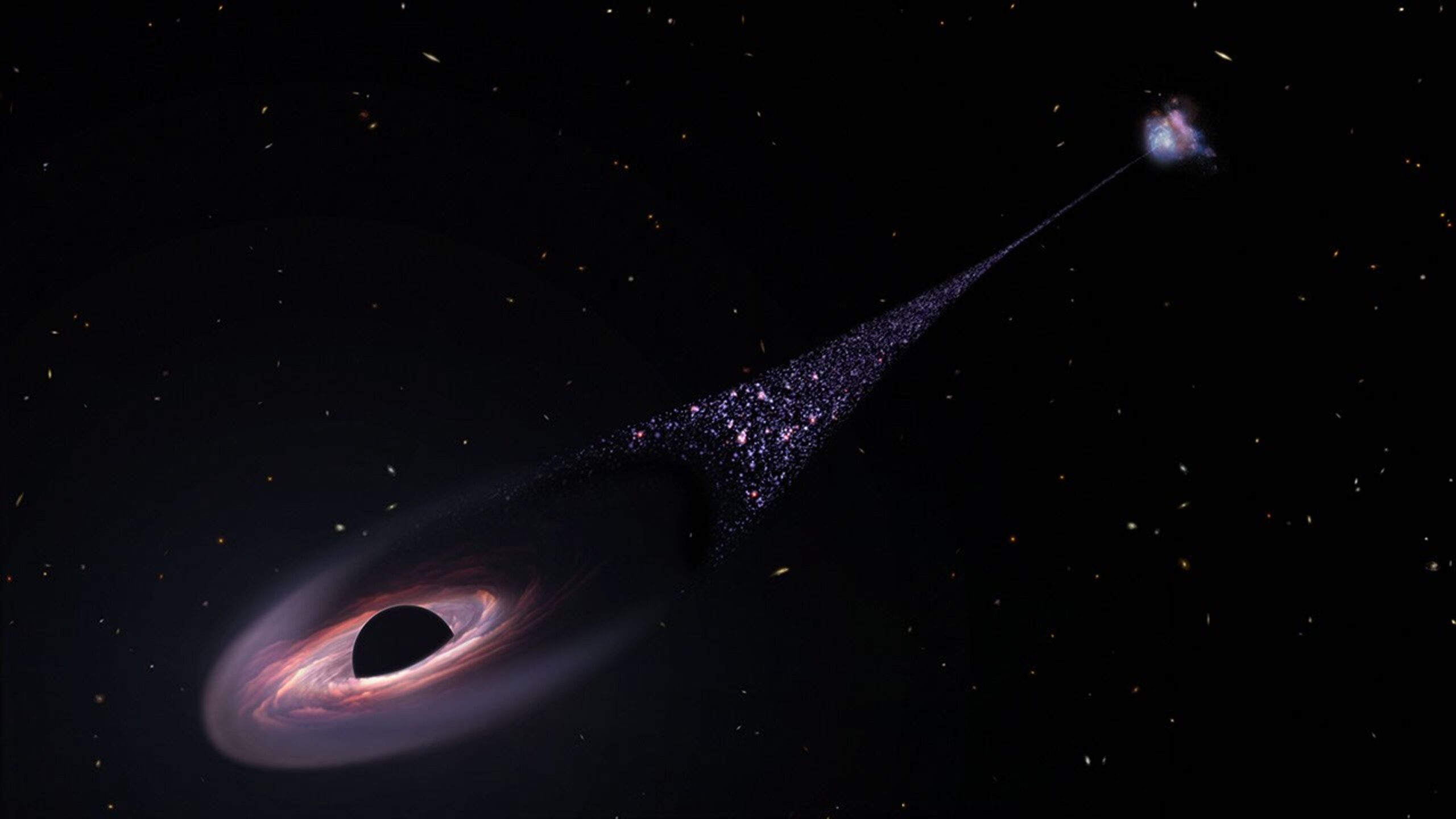
Energy released within a galaxy does not simply vanish. It interacts with surrounding gas, influences star formation, and alters gravitational balance. Extended energy feedback can prevent new stars from forming or trigger bursts of activity elsewhere.
Within galaxy research, scientists are increasingly focused on how prolonged energy release shapes galactic structure. Understanding this feedback loop is essential to explaining why galaxies differ so widely in size, shape, and composition.
Global Collaboration and Shared Data
While many recent observations originate from facilities in the United States, galactic study is a global effort. Researchers share data across borders, combining observations to build more accurate models.
This collaborative approach has strengthened galaxy research, allowing scientists to confirm findings and rule out local anomalies. Shared datasets ensure that conclusions reflect universal patterns rather than isolated conditions.
Implications for Cosmic Evolution
Galaxies are the fundamental building blocks of the universe. Understanding how they evolve is essential to explaining the broader cosmic story.
Insights gained through galaxy research suggest that cosmic evolution is less orderly than previously thought. Instead of smooth transitions, galaxies may experience repeated cycles of disruption and adjustment, driven by internal and external forces that unfold over vast timescales.
History of Galaxy Research
Early astronomical studies viewed galaxies as distant, unchanging collections of stars. In the early twentieth century, astronomers first recognized that these objects existed beyond the Milky Way, fundamentally expanding humanity’s understanding of the universe.
As technology advanced, scientists began to classify galaxies by shape and brightness, assuming that these characteristics represented fixed stages of development. Over time, observations revealed interactions between galaxies, including collisions and mergers, suggesting that galactic evolution was more dynamic than initially believed.
In recent decades, the focus shifted toward understanding internal processes such as star formation and black hole activity. This historical progression laid the foundation for today’s discoveries, where long-term observation and detailed analysis are redefining what galaxies are and how they change.
Why These Findings Matter Beyond Astronomy
Although these discoveries occur on cosmic scales, they have implications beyond astronomy. Understanding galactic behavior helps explain the distribution of elements, the formation of planetary systems, and the conditions that make life possible.
Public interest in galaxy research has grown as discoveries capture global attention, connecting abstract science to fundamental questions about existence and origin.
Influence on Future Space Missions
The insights gained are already shaping the goals of future missions. Scientists now prioritize instruments capable of sustained observation and fine-detail measurement.
As galaxy research continues to evolve, mission planners are designing tools to study not just spectacular events but their long-term consequences, ensuring that future discoveries build on today’s understanding.
Education and Public Engagement
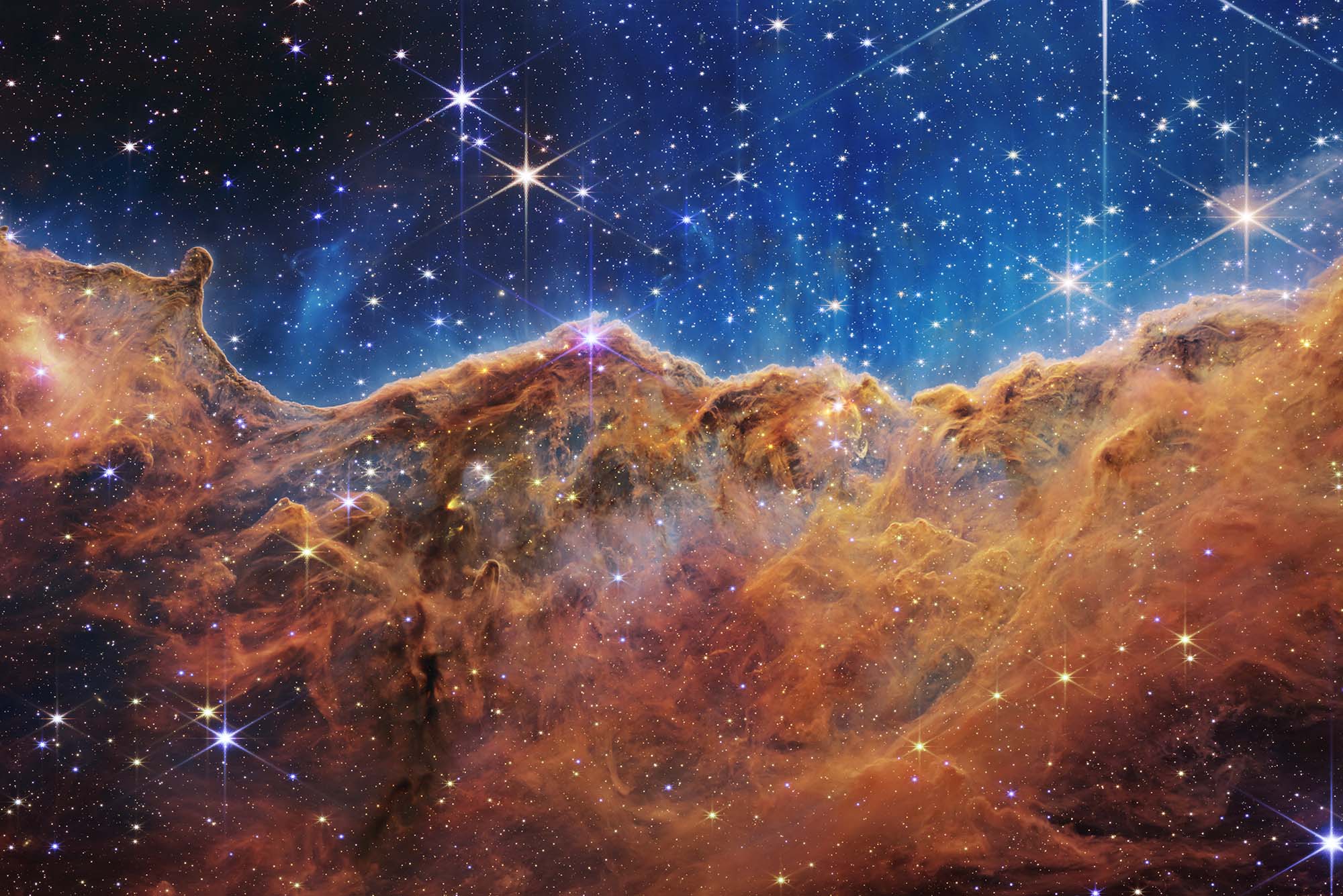
Astronomy remains one of the most accessible sciences for public engagement. Images and discoveries inspire curiosity and encourage scientific literacy.
By sharing findings from galaxy research, scientists help bridge the gap between advanced theory and public understanding, fostering appreciation for the complexity and beauty of the universe.
The Road Ahead
Despite recent progress, many questions remain unanswered. Why do some galaxies remain active longer than others? What determines the duration of post-event activity? How do internal and external forces interact over billions of years?
Ongoing galaxy research aims to address these questions through continued observation, improved modeling, and international cooperation.
A Universe Still Unfolding
The latest findings remind scientists that the universe is not fully understood and may never be. Each discovery reveals new layers of complexity, challenging assumptions and inspiring further exploration.
As observation techniques improve and knowledge deepens, galaxy research will continue to reshape humanity’s view of the cosmos, proving that even familiar structures hold secrets waiting to be uncovered.