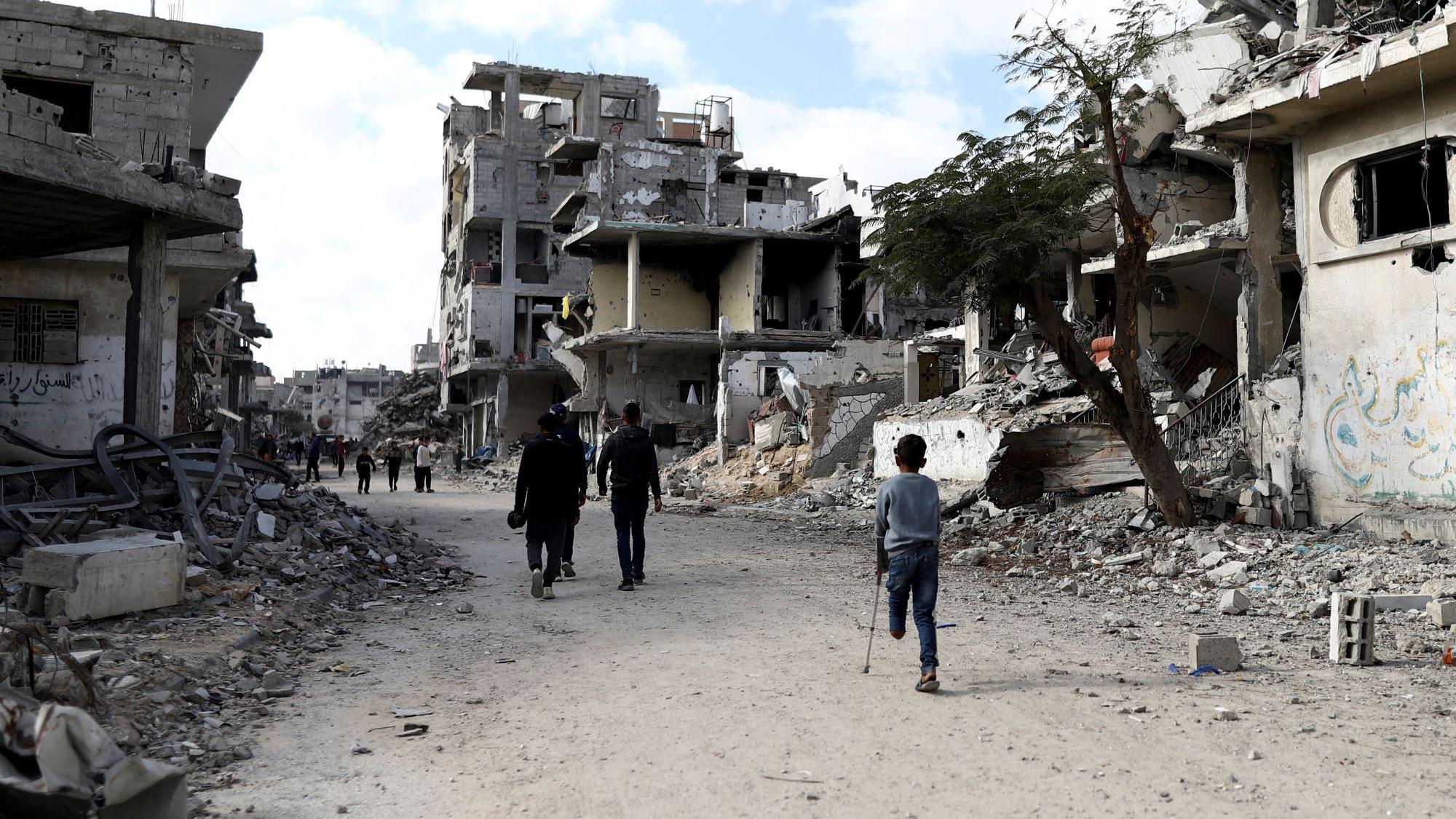
GAZA STRIP, March 31, 2026 (Parliament Politics Magazine) Gaza infrastructure destruction is rapidly worsening as ongoing military operations continue across the region, leaving critical systems damaged and millions of civilians facing severe humanitarian challenges amid the conflict involving Israel.
Officials and humanitarian organizations report that widespread damage to homes, hospitals, roads, and essential utilities has significantly increased the scale of the crisis, compounding an already dire situation.
Widespread Damage to Civilian Infrastructure
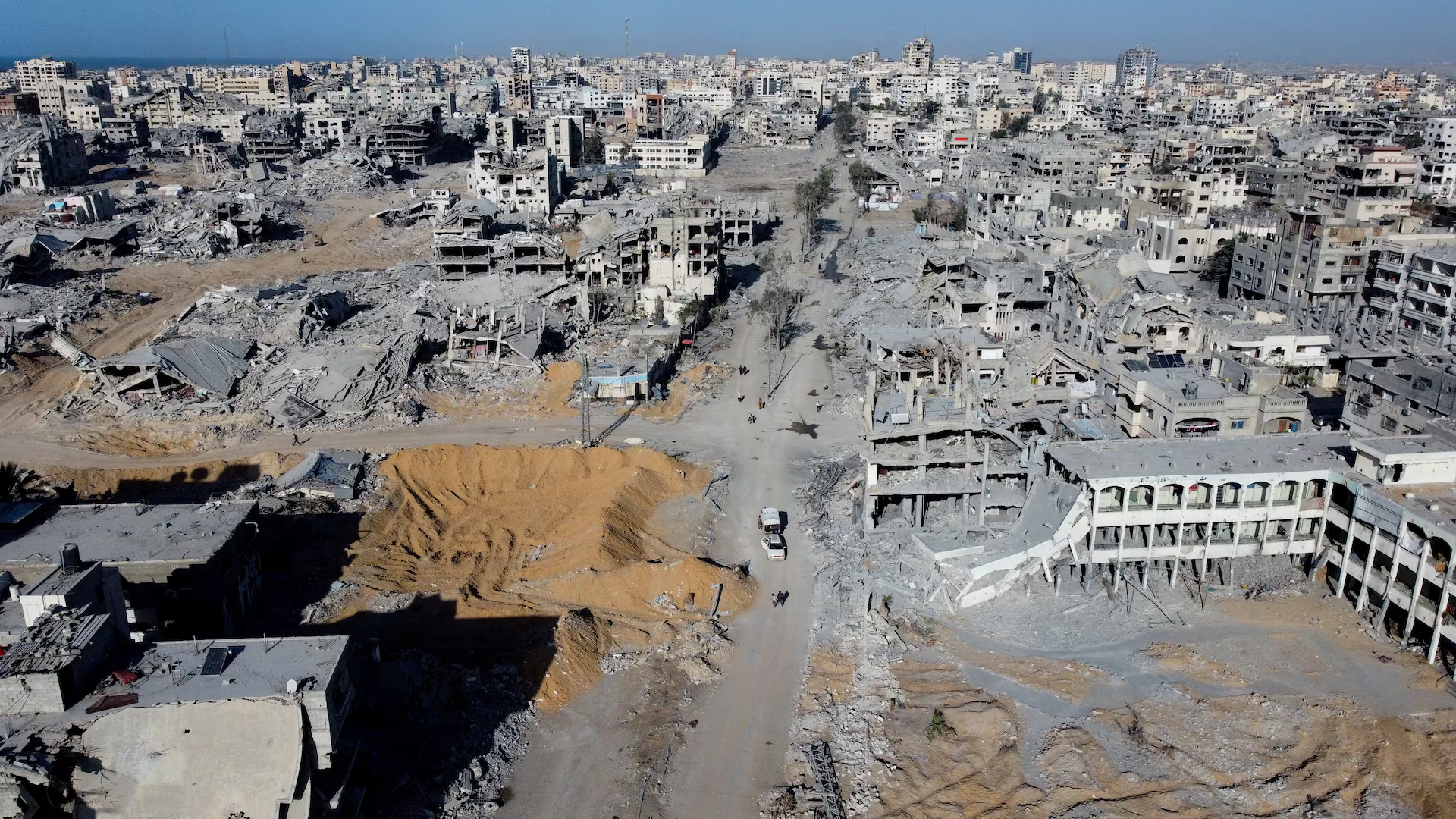
The scale of Gaza infrastructure destruction has reached unprecedented levels, with entire neighborhoods reduced to rubble following repeated airstrikes and ground operations.
Key infrastructure impacted includes:
- Residential buildings and apartment complexes
- Hospitals and medical facilities
- Schools and educational institutions
- Roads and transportation networks
The destruction of these systems has severely disrupted daily life, making it increasingly difficult for civilians to access basic services.
Healthcare System Under Extreme Pressure
Hospitals in Gaza are operating under extreme conditions, with many facilities damaged or overwhelmed by the number of casualties.
Medical staff face shortages of:
- Essential medicines
- Surgical equipment
- Electricity and fuel
Doctors working in the region describe the situation as critical.
“The level of destruction has pushed our healthcare system to the brink. We are struggling to provide even basic care,”
a medical worker said.
This collapse of healthcare infrastructure is a central component of the ongoing Gaza infrastructure destruction.
Water, Electricity, and Sanitation Systems Collapse
One of the most severe consequences of Gaza infrastructure destruction is the breakdown of essential utilities.
Large portions of the population are facing:
- Limited access to clean drinking water
- Prolonged electricity outages
- Failing sanitation systems
These conditions have raised concerns about the spread of disease and long-term public health risks.
Aid organizations warn that without immediate intervention, the humanitarian situation could deteriorate further.
Rising Casualties Amid Escalation
As Gaza infrastructure destruction continues, casualty figures have risen significantly.
Local authorities report high numbers of fatalities and injuries, though exact figures remain difficult to verify independently due to limited access and ongoing hostilities.
Civilians, including women and children, are reported to be among the most affected.
The ongoing violence has created an environment where safe zones are increasingly difficult to identify.
Displacement and Humanitarian Crisis
The destruction of homes and infrastructure has forced large numbers of people to flee their residences.
Displaced families are seeking shelter in overcrowded facilities or makeshift camps, often lacking adequate food, water, and medical care.
Humanitarian agencies have described the situation as one of the most severe displacement crises in recent years.
Efforts to deliver aid have been hindered by damaged roads and ongoing security risks.
International Response and Growing Pressure
The scale of Gaza infrastructure destruction has prompted strong reactions from the international community.
Global leaders and organizations have called for:
- Immediate ceasefire agreements
- Increased humanitarian aid access
- Protection of civilian infrastructure
Diplomatic efforts are ongoing, but progress has been limited as hostilities continue.
A diplomatic source noted:
“The destruction we are witnessing is deeply concerning. Urgent action is needed to prevent further loss and suffering.”
Economic and Regional Implications
The impact of Gaza infrastructure destruction extends beyond the immediate conflict zone.
Regional instability has affected:
- Trade routes and supply chains
- Energy markets
- Investor confidence in the Middle East
The broader economic consequences highlight how localized conflicts can have global repercussions.
Challenges in Rebuilding
Reconstruction efforts in Gaza face significant obstacles.
These include:
- Continued security risks
- Limited access to materials
- Financial constraints
Experts warn that rebuilding damaged infrastructure could take years, even under stable conditions.
The long-term impact of Gaza infrastructure destruction may shape the region’s development for decades.
Future Outlook Remains Uncertain
The trajectory of the conflict remains unpredictable.
While diplomatic efforts continue, the ongoing destruction of infrastructure suggests that the humanitarian crisis may deepen before conditions improve.
Analysts emphasize the importance of coordinated international action to address both immediate needs and long-term recovery.
Key Takeaways
The ongoing Gaza infrastructure destruction highlights the severe consequences of prolonged conflict on civilian life and essential systems.
Key Points:
- Infrastructure damage across Gaza is widespread and severe.
- Healthcare, water, and electricity systems are collapsing.
- Displacement and humanitarian needs are increasing rapidly.
- Casualty figures continue to rise amid ongoing conflict.
- International calls for ceasefire and aid are intensifying.
As the situation evolves, Gaza infrastructure destruction remains a critical issue shaping both the humanitarian crisis and the broader regional landscape.