RIYADH, Saudi Arabia, March 26, 2026 (Parliament Politics Magazine) GCC response silence has become a defining feature of the current Middle East crisis, as Gulf Cooperation Council nations have notably refrained from direct retaliation despite a series of Iranian-linked attacks across the region. The absence of a coordinated military or political response is raising critical questions among analysts, policymakers, and global observers.
In a region historically marked by rapid escalation and retaliation, this restraint signals a possible shift in geopolitical strategy, or a calculated effort to avoid a wider war.
A Region Under Pressure Without Retaliation
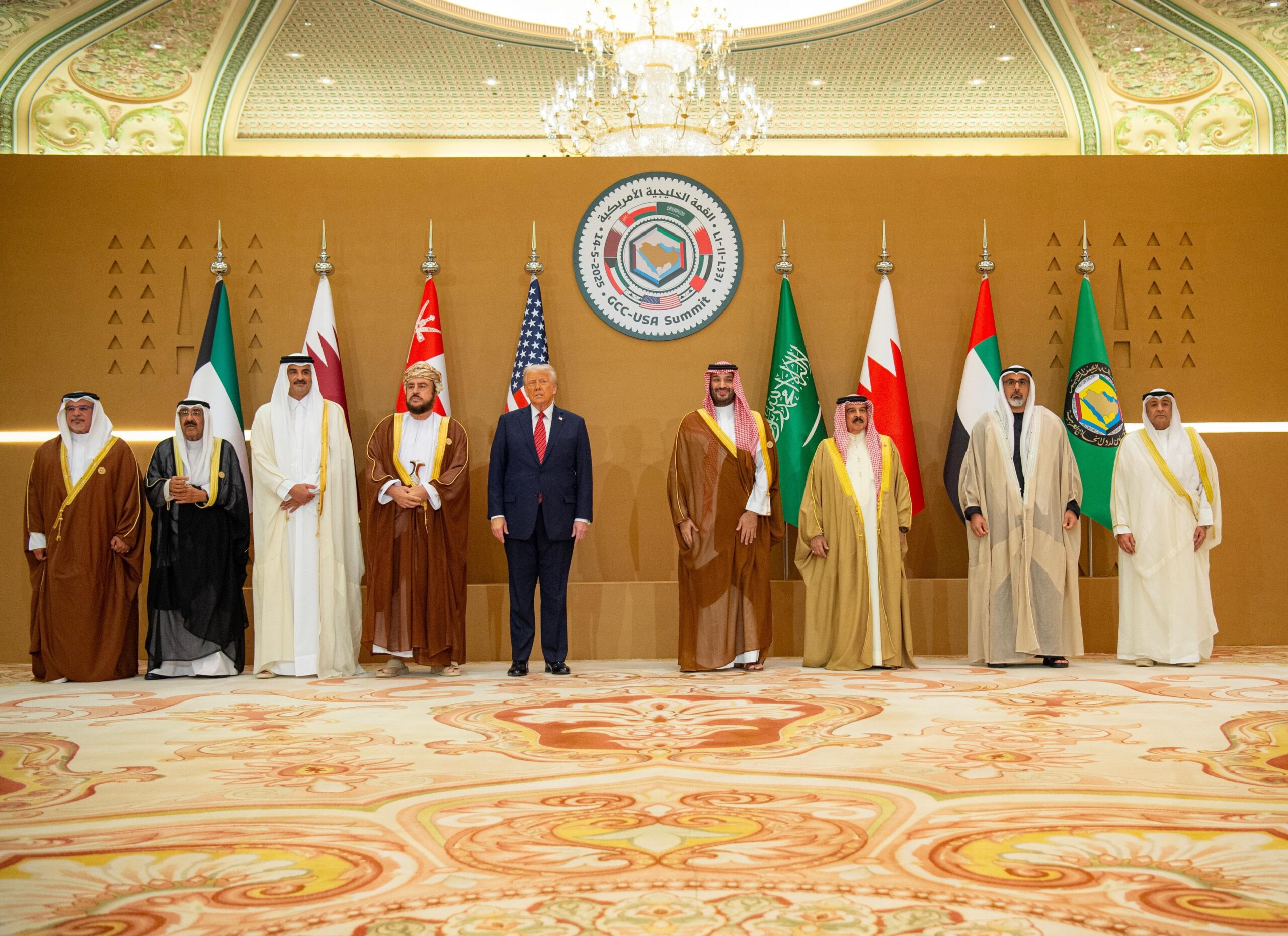
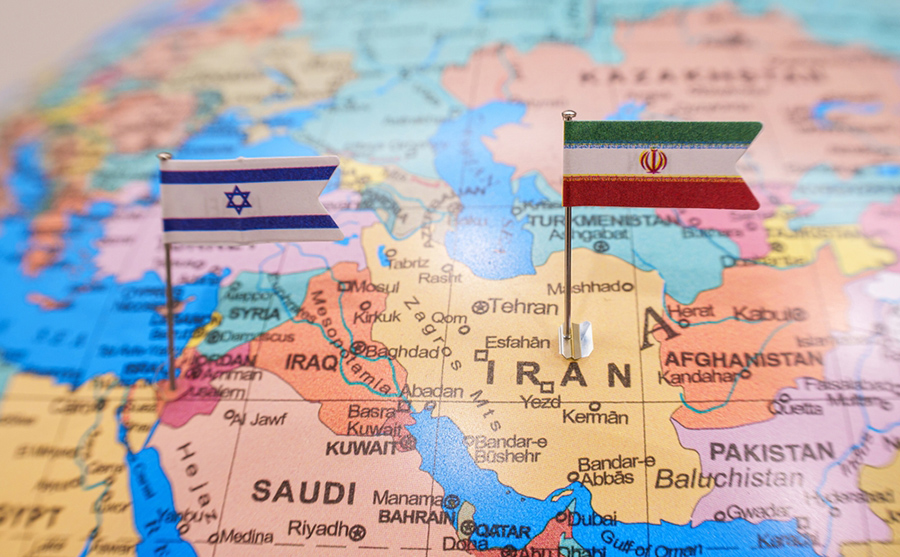
The Gulf Cooperation Council, which includes Saudi Arabia, the United Arab Emirates, Qatar, Kuwait, Bahrain, and Oman, has faced mounting pressure following reported Iranian attacks targeting infrastructure and strategic assets.
Despite these provocations, GCC officials have maintained a consistent position: no direct retaliation.
This GCC response silence contrasts sharply with past regional conflicts, where even minor incidents triggered swift countermeasures. Instead, Gulf leaders appear to be prioritizing stability over confrontation.
A senior regional analyst noted:
“This is not weakness, it’s a deliberate pause. The Gulf states understand that escalation with Iran could spiral into a full-scale regional war.”
Strategic Calculations Behind GCC Response Silence
Several factors appear to be influencing this restrained approach:
1. Economic Vulnerability
The Gulf economies are heavily dependent on energy exports. Any military escalation could disrupt oil production and global supply chains, triggering economic instability not just regionally, but worldwide.
2. Diplomatic Repositioning
In recent years, countries like Saudi Arabia have engaged in cautious diplomatic outreach toward Iran. Retaliation could undermine fragile negotiations and reverse progress made through back-channel diplomacy.
3. U.S. Involvement and Security Guarantees
The ongoing tensions linked to the broader U.S. confrontation with Iran have placed Gulf states in a delicate position. While they remain allies of Washington, they are also wary of being drawn into a direct conflict.
The GCC response silence may reflect a strategic decision to avoid becoming the frontline in a larger geopolitical struggle.
Public Reaction and Regional Concerns
Within GCC nations, public opinion is divided. Some citizens view the lack of retaliation as a sign of maturity and restraint, while others interpret it as a failure to defend national sovereignty.
Social media discussions across the region highlight growing frustration:
- Concerns about national security
- Questions about military readiness
- Calls for stronger deterrence policies
However, officials continue to emphasize long-term stability over short-term reactions.
Iran’s Role and Escalation Risks
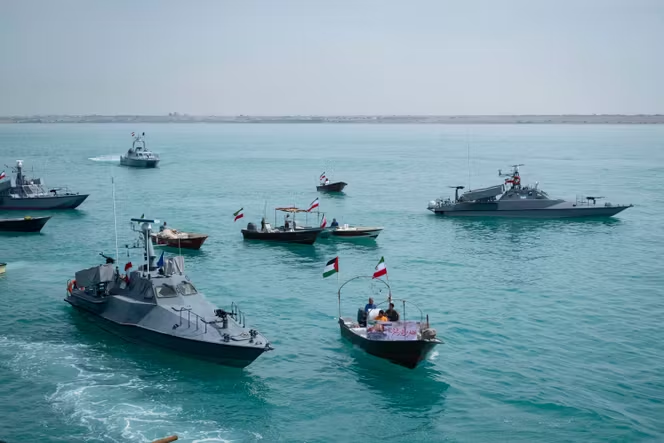
Iran has not officially acknowledged responsibility for several incidents, but regional intelligence sources and international observers have linked Tehran to proxy activities across multiple fronts.
The absence of retaliation from GCC states could be interpreted in different ways:
- A green light for further aggression
- A temporary de-escalation window
- A strategic waiting period before coordinated action
The GCC response silence therefore carries significant implications for future regional dynamics.
Global Implications of GCC Response Silence
The international community is closely monitoring the situation, particularly given the potential impact on global energy markets and security alliances.
Key concerns include:
- Disruption of oil supply routes
- Increased volatility in energy prices
- Expansion of conflict zones beyond the Middle East
Western governments have largely supported restraint, urging all parties to avoid escalation.
A diplomatic source stated:
“The world cannot afford another major conflict in the Middle East. Restraint from the Gulf states is critical right now.”
Historical Shift or Temporary Strategy?
Historically, Gulf nations have responded decisively to threats. The current GCC response silence may signal a broader transformation in how regional powers approach conflict.
Possible interpretations include:
- A shift toward economic-first policies
- Increased reliance on diplomacy over military action
- Recognition of the devastating costs of modern warfare
However, experts caution that this restraint may not last indefinitely.
What Happens Next?
The key question remains, how long can this strategy hold?
Several scenarios are possible:
- Continued restraint leading to de-escalation
- Delayed retaliation through indirect or covert means
- Sudden escalation triggered by a major incident
The GCC response silence is not necessarily permanent—it may simply be a pause before a larger strategic move.
Strategic Silence or Risky Gamble?
The GCC response silence reflects a complex balance between restraint and risk. While avoiding immediate escalation may protect regional stability, it also raises concerns about deterrence and long-term security.
Gulf nations appear to be navigating one of the most delicate geopolitical moments in recent history—where every decision carries global consequences.
“Silence in geopolitics is never neutral, it is always a message.”