
United States, February 9, 2026 — According to Parliament News, that The pace of technological transformation across the American economy is accelerating as generative AI growth reshapes how companies innovate, operate, and compete. Once viewed primarily as an experimental technology, generative artificial intelligence has moved firmly into the mainstream, influencing decisions across corporate boardrooms, government agencies, and startup ecosystems.
From content creation and software development to healthcare diagnostics and financial analysis, generative systems capable of producing human-like outputs are increasingly embedded in everyday workflows. Industry observers say the current expansion reflects structural adoption rather than short-term enthusiasm, marking a pivotal moment for the technology.
Enterprise Adoption Replaces Early Experimentation
In its earliest phase, generative AI was largely confined to pilot programs and innovation labs. Companies explored its potential but hesitated to integrate it deeply into core operations. That hesitation is now fading.
Large enterprises are rolling out generative tools at scale, citing productivity improvements and cost efficiencies. This shift has become a central driver of generative AI growth, as long-term enterprise contracts replace sporadic consumer experimentation.
Executives say the technology has matured enough to support mission-critical tasks, from drafting legal documents to automating customer interactions.
Technology Companies Accelerate Platform Development
Major technology firms have responded to rising demand by accelerating development cycles. Improvements in model accuracy, speed, and contextual understanding have expanded the range of viable use cases.
Companies such as OpenAI, Google, and Microsoft are investing heavily in generative platforms designed for enterprise reliability and compliance. This competition has reinforced generative AI growth by making tools more accessible and trustworthy.
Productivity Gains Drive Corporate Demand
Productivity remains the most frequently cited reason for adoption. Organizations report measurable reductions in task completion time when generative AI is used for writing, analysis, coding, and research.
As businesses quantify these gains, spending on AI deployment continues to rise. Economists say generative AI growth is increasingly tied to efficiency improvements rather than speculative future value.

Investment Expands Beyond Startups
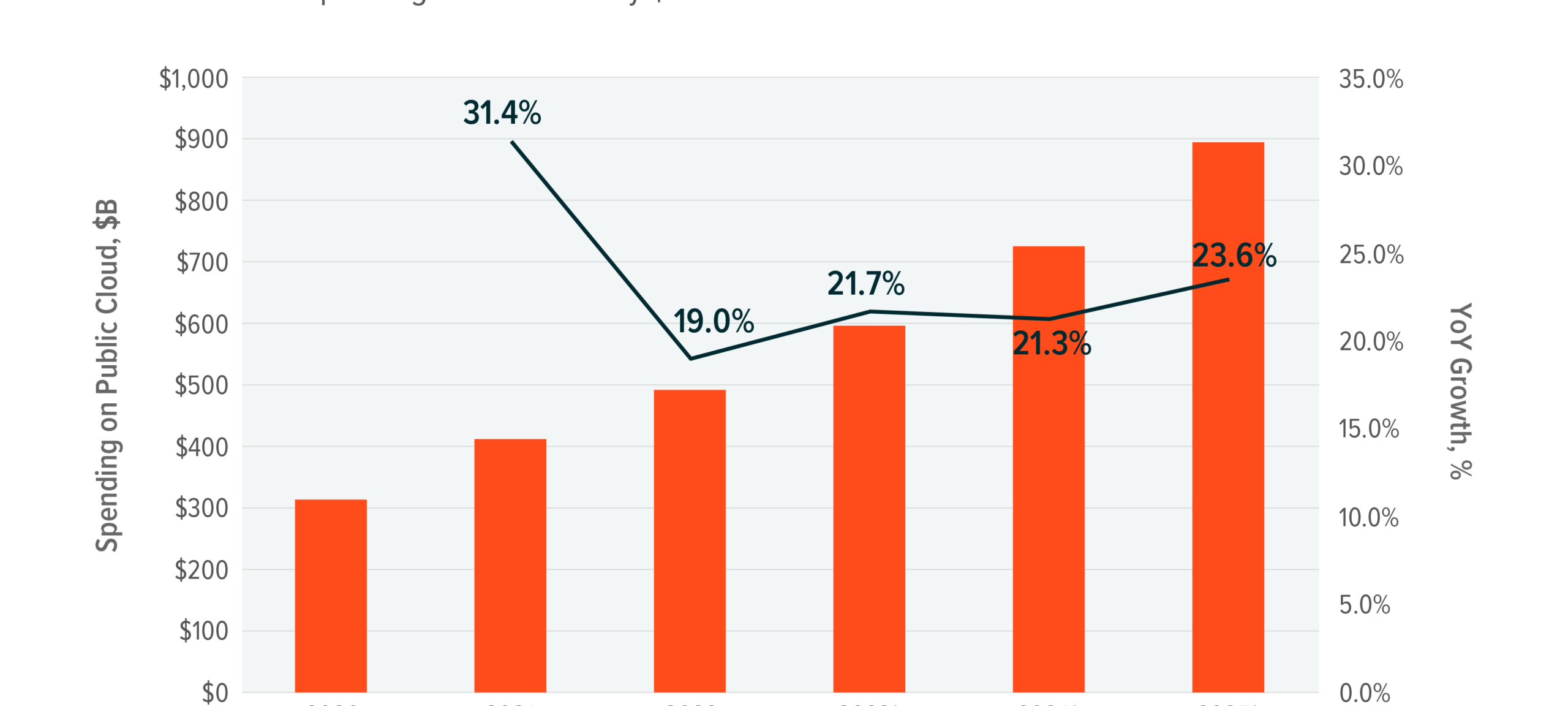
Funding for generative AI now extends far beyond early-stage startups. Capital is flowing into cloud infrastructure, data centers, and specialized hardware required to support large-scale AI workloads.
This broader investment base supports generative AI growth by ensuring that developers and enterprises have access to the computing resources needed for sustained deployment.
Regulatory Attention Shapes Adoption Path
As generative AI becomes more influential, regulatory scrutiny has increased. US lawmakers are examining issues related to data protection, copyright, and algorithmic accountability.
Rather than slowing adoption, clearer regulatory guidance may stabilize generative AI growth by reducing uncertainty for large organizations that require legal clarity before deploying new technologies.
Trust and Reliability Become Central Priorities
Early criticism of generative AI focused on errors, hallucinations, and misuse. In response, developers have invested heavily in safety systems, monitoring tools, and alignment research.
These improvements have strengthened user confidence and contributed to generative AI growth, as organizations become more comfortable integrating AI into sensitive workflows.
Workforce Transformation Rather Than Displacement
The expansion of generative AI is reshaping job roles rather than eliminating them outright. Many organizations are redesigning workflows to combine human expertise with AI assistance.
Training programs and internal guidelines are emerging to help employees use generative tools effectively. This adaptation phase continues to support generative AI growth, as adoption becomes more structured and intentional.
Industry Perspective on the Current AI Cycle
Technology leaders say the present moment differs sharply from earlier hype cycles.
One senior executive familiar with large-scale AI deployments said,
“This is the first time generative AI is being treated as infrastructure rather than experimentation.”
Global Competition Reinforces US Momentum
Although this article focuses on the US, global competition plays a significant role. Governments and companies worldwide are accelerating AI initiatives, pressuring American firms to maintain leadership.
This dynamic reinforces generative AI growth in the US as companies race to innovate, invest, and deploy faster than international rivals.
Economic Impact Extends Beyond Technology
Generative AI’s influence is spreading across non-technical sectors, including education, healthcare, legal services, and logistics. These industries are adopting AI tools to enhance service delivery and reduce administrative burdens.
Economists suggest generative AI growth could contribute to long-term productivity gains, though benefits may emerge unevenly across sectors.
Cost and Infrastructure Challenges Remain
Despite strong momentum, challenges persist. High computing costs, energy consumption, and infrastructure constraints continue to shape deployment strategies.
How companies address these constraints will influence the sustainability of generative AI growth over the coming years.
Historic Comparison From the Internet Boom to the AI Era
Analysts often compare the current AI expansion to the early 2000s, when the internet shifted from novelty to necessity. At that time, investment moved from websites to physical infrastructure such as data centers and fiber networks.
Similarly, today’s generative AI growth is increasingly defined by infrastructure, governance, and integration rather than experimentation. The comparison suggests the technology is entering a durable, long-term phase.
Financial Markets Adjust to Long-Term AI Value
Investors are recalibrating expectations, focusing less on short-term monetization and more on sustained adoption. Infrastructure-oriented strategies are gaining favor.
This adjustment reflects confidence that generative AI growth will persist beyond current market cycles.
Energy and Sustainability Considerations
Generative AI systems require substantial energy, prompting renewed attention to sustainability. Companies are exploring efficiency improvements and renewable energy sourcing.
These considerations are becoming integral to planning as generative AI growth continues.

Competitive Pressure Shapes Innovation Speed
Access to talent, data, and computing resources increasingly determines competitive advantage. Firms that secure these inputs early are better positioned to scale.
This environment further accelerates generative AI growth, as competition rewards rapid deployment and continuous improvement.
The Road Ahead for Generative AI
Looking forward, advances in multimodal systems, personalization, and real-time reasoning are expected to drive further adoption.
If current trends hold, generative AI growth will remain a defining force in the US economy throughout 2026 and beyond.
Beyond Automation A Structural Shift in Innovation
The next chapter of AI development may be defined less by automation and more by collaboration. Generative systems are increasingly viewed as partners in creativity and problem-solving.
As society adapts to this new relationship, the trajectory of generative AI growth will reflect not only technological progress but also cultural acceptance and trust.