Sydney, Australia, April 09, 2026 (Parliament Politics Magazine) Geopolitical tensions worldwide are escalating as an Australian journalist openly criticizes the government’s response to the worsening crisis in Lebanon. The remarks have triggered a broader debate about accountability, foreign policy priorities, and the role of international actors in addressing humanitarian emergencies.
The criticism comes amid increasing global concern over civilian casualties and the effectiveness of diplomatic responses. As geopolitical tensions worldwide continue to rise, Australia’s stance is being closely examined both domestically and internationally.
Journalist’s Remarks Spark National Debate
The journalist’s comments have quickly gained widespread attention, resonating across political and media circles. The criticism focuses on what is perceived as a lack of urgency in addressing the crisis and insufficient clarity in the government’s position.
Observers suggest that such public criticism reflects a growing frustration among media professionals and the public. With geopolitical tensions worldwide intensifying, calls for stronger leadership and clearer messaging are becoming more frequent.
The journalist stated,
“Silence in moments like this is not neutrality—it is a decision that carries consequences.”
Government Response Faces Increasing Scrutiny
Australia’s government has defended its approach, emphasizing the complexity of the situation and the importance of measured diplomatic engagement. Officials argue that maintaining balance is essential to avoid further escalation.
However, critics contend that caution should not come at the expense of decisive action. The ongoing debate underscores the challenges governments face when navigating geopolitical tensions worldwide while addressing humanitarian concerns.
Balancing strategic interests with moral responsibility remains a central issue in shaping policy decisions.
Lebanon Crisis Deepens Amid Civilian Impact
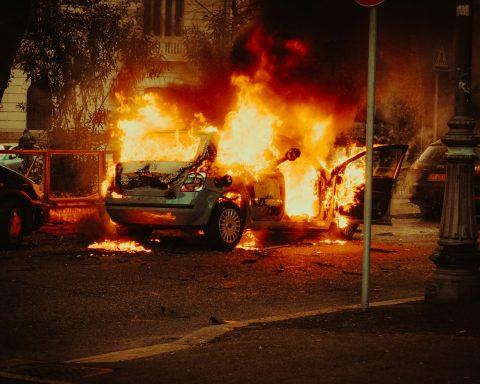
The humanitarian situation in Lebanon continues to deteriorate, with reports indicating significant civilian suffering and infrastructure damage. The crisis has become a focal point in discussions surrounding geopolitical tensions worldwide.
Humanitarian organizations warn that failure to act swiftly could lead to further escalation. Lebanon’s fragile economic and political environment adds to the urgency, making the need for international attention more critical.
As the crisis unfolds, the protection of civilians remains a top priority for advocates and policymakers alike.
Media Influence on Public and Policy Discourse
The journalist’s criticism highlights the powerful role of media in shaping public opinion and influencing policy discussions. In times of geopolitical tensions worldwide, media narratives can significantly impact how governments are perceived.
By drawing attention to perceived shortcomings, journalists contribute to accountability and transparency. The current situation demonstrates how media coverage can drive meaningful conversations about foreign policy and humanitarian responsibility.
International Pressure and Global Reactions
Australia’s response is part of a broader global conversation about how nations should address conflicts involving civilian harm. Geopolitical tensions worldwide have led to varied reactions, with some countries calling for stronger measures while others advocate for restraint.
International pressure is mounting as leaders face increasing demands to take clear and effective action. The diversity of responses reflects the complexity of global diplomacy in an interconnected world.
Strategic Challenges in a Complex Landscape
Navigating geopolitical tensions worldwide presents significant challenges for policymakers. Decisions must account for a range of factors, including alliances, security concerns, and economic implications.
Australia’s situation illustrates the difficulty of balancing these competing priorities. While some advocate for stronger intervention, others caution against actions that could escalate tensions further.
This delicate balance is a defining feature of modern foreign policy.
Public Demand for Transparency and Leadership
Public reaction to the journalist’s comments has been strong, with many calling for greater transparency and accountability. The growing discourse reflects heightened expectations for government action during times of crisis.
As geopolitical tensions worldwide continue to shape the narrative, citizens are increasingly seeking clear and decisive leadership. This shift in public sentiment may influence future policy directions.
Broader Implications for Global Stability
The Lebanon crisis is part of a larger pattern of instability affecting multiple regions. Geopolitical tensions worldwide are contributing to an increasingly uncertain global environment.
Experts warn that failure to address these issues could lead to prolonged instability, with far-reaching consequences. Coordinated international efforts will be essential in mitigating risks and promoting long-term peace.
Challenges Ahead for Decision-Makers
Policymakers face an uphill battle in addressing the complexities of the current situation. The criticism from the journalist underscores the need for clear communication and effective strategies.
Geopolitical tensions worldwide will continue to test the resilience of diplomatic frameworks. Governments must adapt to evolving conditions while maintaining a focus on both immediate and long-term objectives.
Key Developments and Impact
Geopolitical tensions worldwide are rising as an Australian journalist calls out the government’s response to the Lebanon crisis. The criticism has intensified debate over accountability, foreign policy, and humanitarian responsibility.
With civilian suffering increasing and global pressure mounting, the situation highlights the urgent need for coordinated international action. The coming weeks will be critical in determining whether leaders can effectively address the growing crisis.