

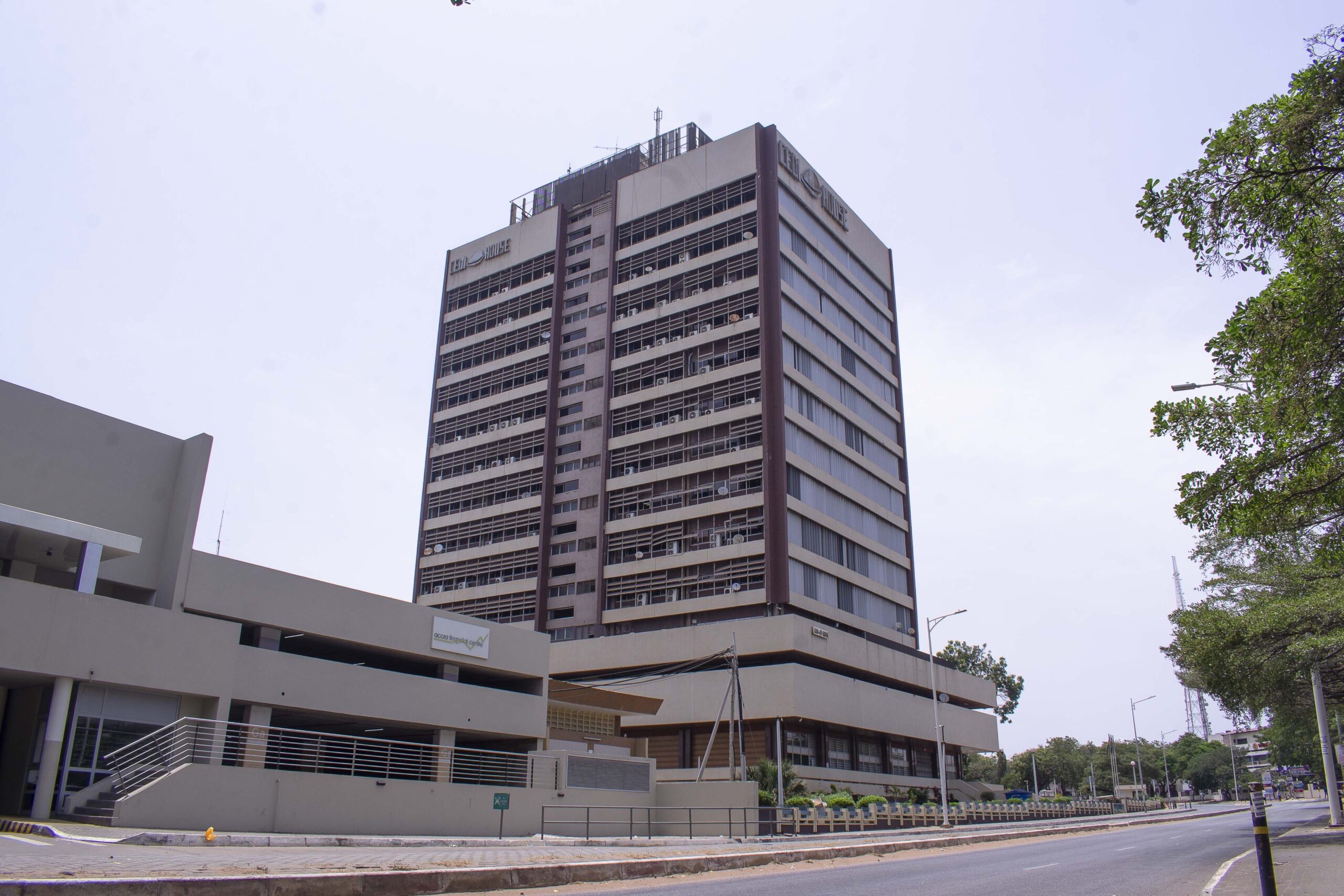
Accra, Ghana — January 2026. Ghana’s central bank has announced a reduction in its benchmark lending rate, a move widely seen as a signal of growing confidence in the country’s inflation control strategy and broader economic stabilization efforts. The decision follows months of declining price pressures and reflects a recalibration of monetary policy after an extended tightening cycle. For policymakers and investors alike, the adjustment of the Ghana interest rate marks a significant moment in the nation’s economic trajectory.
The announcement comes at a time when households and businesses have been grappling with elevated borrowing costs, subdued consumption, and cautious investment behavior. With inflation showing consistent signs of moderation, authorities believe the environment now allows for measured support to economic activity without undermining price stability.
Background to a Prolonged Tightening Cycle
Ghana’s monetary policy over the past several years has been defined by aggressive tightening aimed at restoring macroeconomic balance. Rising global commodity prices, currency depreciation, and supply chain disruptions had fueled inflation, forcing the central bank to raise rates sharply to contain price growth.
Those measures helped anchor inflation expectations and stabilize the currency but came at a cost. Credit growth slowed, private sector investment weakened, and consumer spending softened. The recalibration of the Ghana interest rate in 2026 reflects the authorities’ assessment that the most acute phase of inflationary risk has passed.
Inflation Dynamics Show Sustained Improvement
Recent data indicate a broad-based easing of inflationary pressures. Food inflation has moderated due to improved harvests and easing import costs, while energy prices have stabilized compared with earlier volatility. Fiscal consolidation efforts have also helped reduce excess demand pressures within the economy.
Central bank officials have pointed to these trends as evidence that inflation is moving toward a more sustainable path. The decision to adjust the Ghana interest rate was therefore framed as a response to confirmed data rather than speculative optimism.
Policy Objectives Behind the Rate Reduction
The primary goal of the rate cut is to support economic recovery while safeguarding price stability. Lower borrowing costs are expected to stimulate investment, improve access to credit, and encourage business expansion, particularly in productive sectors of the economy.
At the same time, policymakers have emphasized that monetary easing will remain cautious and reversible. The Ghana interest rate remains a key tool for responding swiftly should inflationary risks resurface.

Implications for the Business Environment
Businesses across Ghana have faced sustained pressure from high financing costs, which limited expansion plans and reduced working capital flexibility. Manufacturing firms, agribusiness operators, and service providers alike reported delays in investment due to restrictive credit conditions.
With the easing of the Ghana interest rate, financial conditions are expected to gradually improve. Economists anticipate that sectors with strong domestic linkages will be among the first to benefit, as lower lending rates filter through commercial banks.
Small and Medium Enterprises in Focus
Small and medium-sized enterprises play a central role in Ghana’s economy, accounting for a large share of employment and domestic production. These firms are particularly sensitive to interest rate movements, as they rely heavily on bank financing.
A lower Ghana interest rate could ease repayment burdens and improve access to new credit, enabling businesses to invest in equipment, expand operations, and hire additional workers. However, the pace of impact will depend on how quickly banks adjust their lending terms.
Household Impact and Consumer Confidence
For households, the policy shift offers cautious optimism. High interest rates had constrained mortgage lending, consumer loans, and informal business financing. As borrowing costs gradually decline, households may experience some relief in debt servicing obligations.
The adjustment of the Ghana interest rate is also expected to influence consumer sentiment. Improved confidence can support spending, particularly if inflation continues to ease and real incomes stabilize.
Transmission Through the Banking Sector
The effectiveness of monetary policy depends heavily on transmission through the banking system. Commercial banks must balance lower policy rates with considerations around risk, liquidity, and profitability.
Regulators have indicated that the banking sector is better positioned than in previous years, with stronger capitalization and improved asset quality. A sustained easing of the Ghana interest rate could therefore translate into broader credit availability, though adjustments are likely to be gradual rather than immediate.

Currency Stability and External Balances
Currency stability has been a central concern for policymakers. Higher interest rates previously helped stabilize the exchange rate by attracting capital inflows and reducing speculative pressure.
Authorities believe that the current reduction in the Ghana interest rate can be managed without destabilizing the currency, provided inflation remains contained and external conditions remain broadly supportive. Continued monitoring of foreign exchange markets remains a priority.
Investor Reaction and Market Sentiment
Financial markets have responded cautiously to the policy announcement. While the rate cut was widely anticipated, investors remain attentive to signals regarding future policy direction and fiscal discipline.
The adjustment of the Ghana interest rate has been interpreted as a sign that macroeconomic risks are easing, but investors continue to assess debt sustainability, reform implementation, and global economic conditions.
Regional and Continental Context
Across Africa, several economies are navigating the transition from inflation control to growth support. Ghana’s move aligns with a broader regional trend where improving inflation data has created limited space for policy easing.
The recalibration of the Ghana interest rate positions the country as part of a cautious but growing group of emerging economies seeking to balance recovery with stability.
Fiscal Policy and Structural Reform Linkages
Monetary policy alone cannot secure lasting stability. Authorities have emphasized that fiscal discipline, revenue mobilization, and structural reforms remain essential complements to interest rate adjustments.
Without credible fiscal management, gains from a lower Ghana interest rate could be undermined by renewed inflationary pressures or investor concerns. Coordination between monetary and fiscal authorities is therefore critical.

Debt Sustainability Considerations
Public debt levels remain a key concern for Ghana’s economic outlook. While interest rate reductions can lower debt servicing costs over time, they do not address underlying fiscal imbalances.
The central bank has signaled that future adjustments to the Ghana interest rate will remain closely linked to progress on debt management and fiscal consolidation.
Risks That Could Alter the Policy Path
Despite improved conditions, several risks remain. Global commodity price volatility, external financing constraints, and geopolitical uncertainty could all affect inflation and growth dynamics.
A sudden resurgence in inflation would likely prompt a reassessment of the Ghana interest rate stance. Policymakers have stressed that flexibility and data dependence will guide future decisions.
One Market Perspective
One senior economist commented,
“The rate cut reflects confidence in disinflation, but maintaining that progress will depend on discipline across fiscal and monetary policy.”
Outlook for Growth and Employment
Economic growth is expected to strengthen modestly as financial conditions ease and confidence improves. Lower borrowing costs can support job creation, particularly in labor-intensive sectors such as agriculture, construction, and services.
The evolution of the Ghana interest rate will remain a key determinant of investment flows and employment trends over the coming year.
Longer-Term Policy Signals
Beyond its immediate effects, the rate cut sends a broader signal about policy credibility. By responding to clear inflation trends rather than political pressure, authorities aim to reinforce trust in the policy framework.
The management of the Ghana interest rate over time will continue to serve as a benchmark for assessing Ghana’s commitment to stability-oriented economic governance.
A Measured Step Forward
The 2026 rate reduction represents a measured response to improving economic conditions rather than a dramatic policy pivot. It reflects cautious optimism rooted in data, reinforced by continued vigilance.
As Ghana navigates the next phase of recovery, the Ghana interest rate will remain at the center of economic debate, shaping expectations for growth, stability, and long-term resilience.