

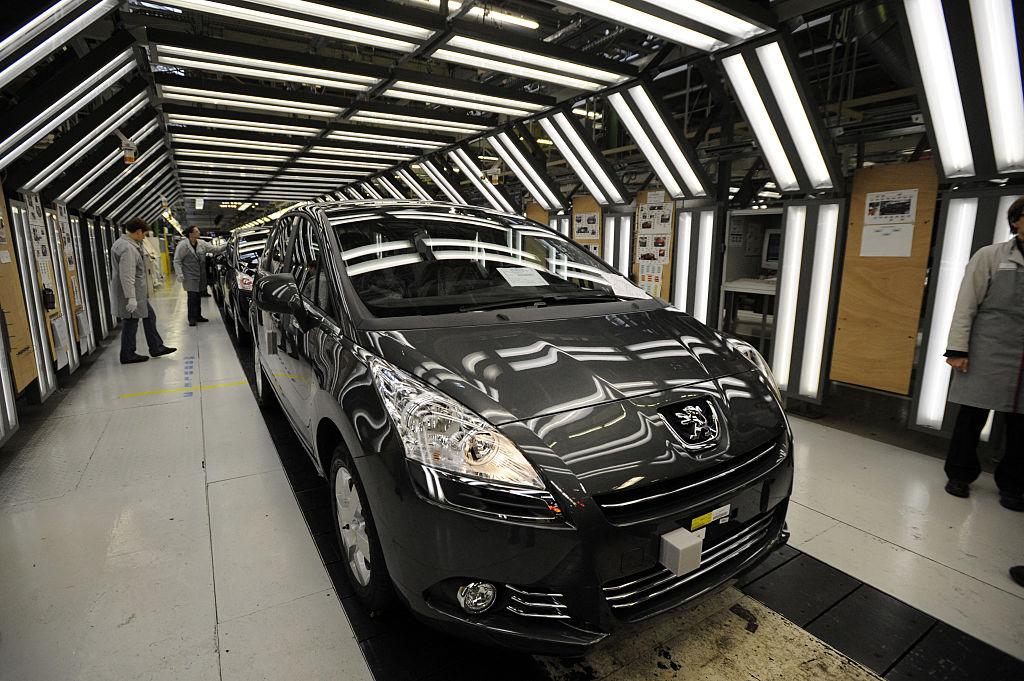
Paris, April 24, 2026 (Parliament Politics Magazine) Global car manufacturing shift is gaining momentum as Peugeot moves forward with plans to produce China-built vehicles using technology from Dongfeng Motor Corporation. The development highlights a fundamental transformation in how automakers approach production, cost management, and global expansion.
The strategy reflects a wider industry trend where efficiency, scalability, and international partnerships are becoming critical to survival in a competitive automotive market.
Global Car Manufacturing Shift Reshapes Industry Strategy
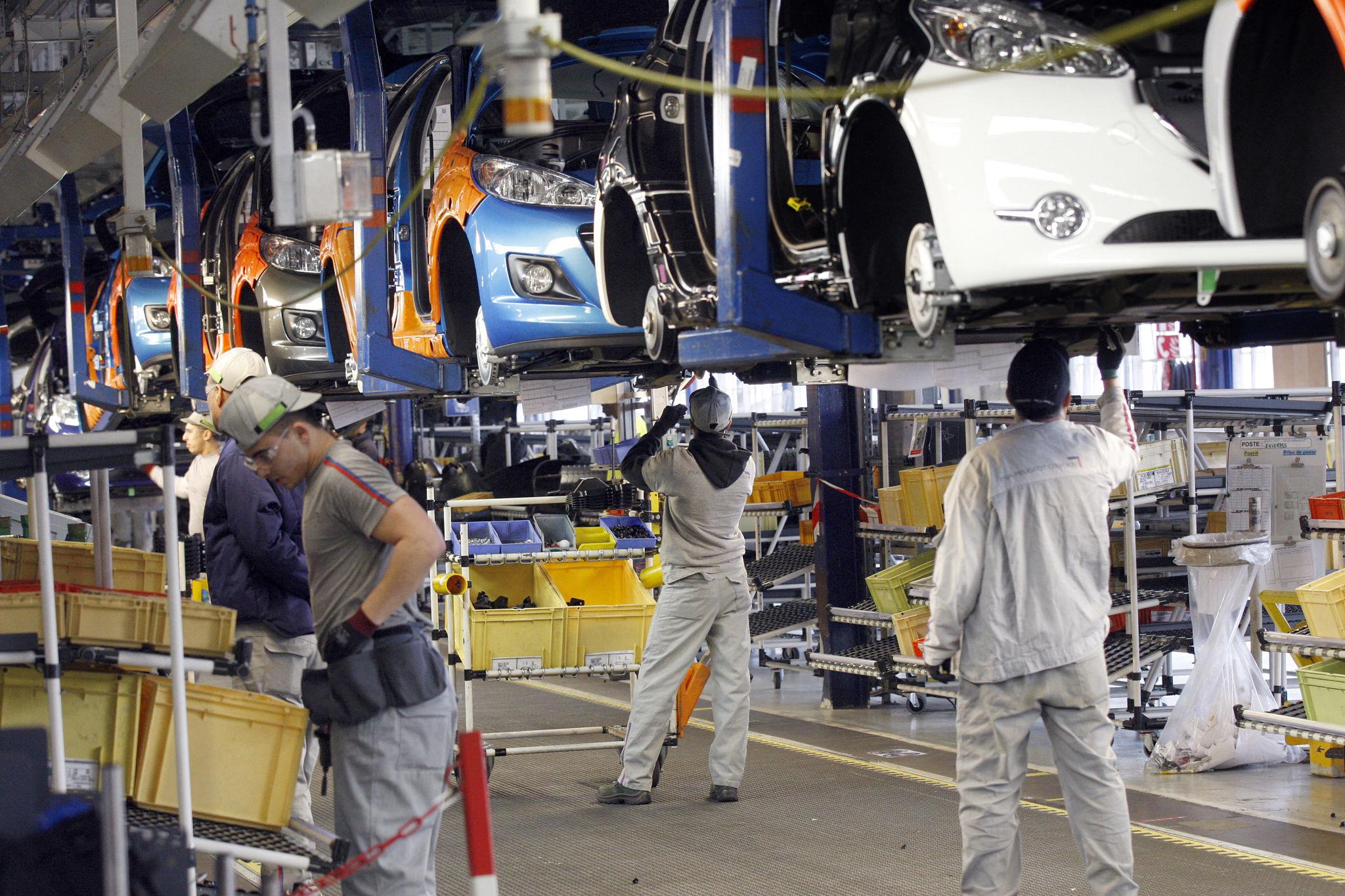
The accelerating global car manufacturing shift is redefining traditional production models. Automakers are increasingly shifting operations to regions that offer cost advantages, technological capabilities, and access to growing markets.
Peugeot’s collaboration with Dongfeng demonstrates how legacy brands are adapting to modern challenges. By leveraging China’s manufacturing ecosystem, the company aims to streamline production while maintaining competitive pricing.
An industry expert said,
“The global car manufacturing shift is no longer optional—it’s a necessity for companies aiming to stay relevant in a rapidly evolving market.”
Why Peugeot Is Embracing the Global Car Manufacturing Shift
The decision aligns with broader forces driving the global car manufacturing shift across the automotive sector:
- Cost Optimization: Lower production and labor costs in China
- Advanced Manufacturing: Access to modern facilities and innovation
- Market Expansion: Strengthening presence in Asia
- Supply Chain Efficiency: Reducing production and distribution complexities
China’s dominance in manufacturing and technology makes it an attractive partner for global brands seeking to improve efficiency and scale operations.
Role of Dongfeng in the Global Car Manufacturing Shift
Dongfeng Motor Corporation plays a central role in enabling this transition. With extensive experience in mass production and technological integration, Dongfeng provides the infrastructure needed for Peugeot to execute its strategy.
The collaboration allows Peugeot to adopt proven platforms and manufacturing processes, accelerating time-to-market while maintaining product quality.
This partnership also highlights China’s growing influence in shaping the future of the automotive industry.
Competitive Impact of the Global Car Manufacturing Shift
The ongoing global car manufacturing shift is intensifying competition across the industry. Automakers are under increasing pressure to adopt similar strategies or risk falling behind.
Key competitive impacts include:
- Greater reliance on international partnerships
- Increased pressure on domestic manufacturing costs
- Faster innovation cycles
- Expansion into emerging markets
As companies adapt, the industry is expected to become more interconnected and globally integrated.
Market Reaction to the Global Car Manufacturing Shift
The announcement has drawn mixed reactions from analysts and consumers. While some view the global car manufacturing shift as a logical step toward efficiency, others raise concerns about brand identity and quality perception.
Maintaining consumer trust will be critical as Peugeot transitions to China-based production. The company’s ability to deliver consistent quality will determine how the market responds to this strategic move.
A market observer noted,
“Success will depend on whether consumers associate the brand with performance rather than production location.”
Technology and Innovation Driving the Shift
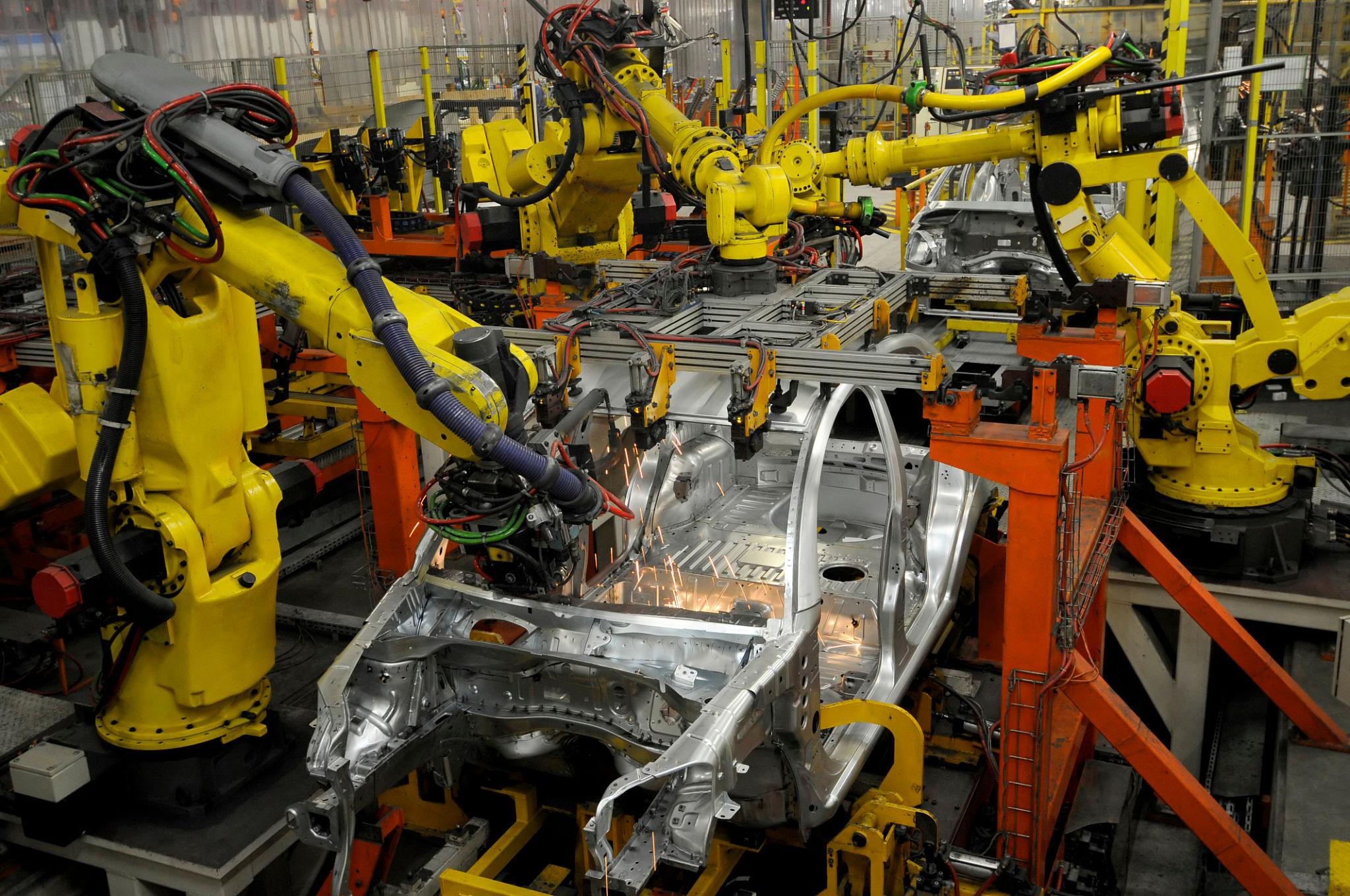
The global car manufacturing shift is closely tied to technological advancement. By partnering with Dongfeng, Peugeot can focus on innovation while leveraging established manufacturing capabilities.
Areas expected to benefit include:
- Electric vehicle development
- Smart manufacturing systems
- Connectivity and digital integration
- Advanced safety technologies
This approach allows automakers to balance efficiency with innovation in a highly competitive environment.
Risks and Challenges in the Global Car Manufacturing Shift
Despite its advantages, the global car manufacturing shift presents several challenges:
- Regulatory differences across markets
- Dependence on external partners
- Geopolitical tensions
- Potential impact on brand perception
Navigating these challenges will be essential for long-term success.
Consumer Impact on Vehicle Buyers
For consumers, the production transition could result in more affordable vehicles with enhanced features and improved accessibility. Greater efficiency in manufacturing and the integration of advanced technologies may translate into better value, offering modern designs, improved safety systems, and competitive pricing across multiple segments.
At the same time, buyer perception remains a critical factor. Questions around origin, craftsmanship, and long-term reliability may influence purchasing decisions, particularly in markets where heritage manufacturing carries strong brand value. Automakers will need to maintain consistent quality standards and transparency to preserve consumer confidence.
Future Outlook for Global Automotive Production
The evolution of automotive production strategies is expected to accelerate as manufacturers respond to economic pressures, supply chain challenges, and rapid technological advancement. Cross-border collaborations and flexible production models are becoming central to long-term planning.
This transformation is likely to redefine the industry through:
- Increased international collaboration between manufacturers
- More adaptable and scalable production systems
- Faster integration of new technologies
- Broader access to emerging and high-growth markets
These changes reflect a shift toward efficiency-driven operations while maintaining a focus on innovation and sustainability.
Key Takeaways
Peugeot’s decision to produce vehicles in China using Dongfeng technology highlights a broader transformation within the automotive sector. The strategy centers on improving efficiency, reducing costs, and leveraging international expertise to remain competitive in a changing market.
While the approach offers clear advantages, it also introduces challenges related to consumer perception, regulatory environments, and brand positioning. As the industry continues to evolve, success will depend on balancing cost efficiency with quality assurance, innovation, and global market adaptability.
