

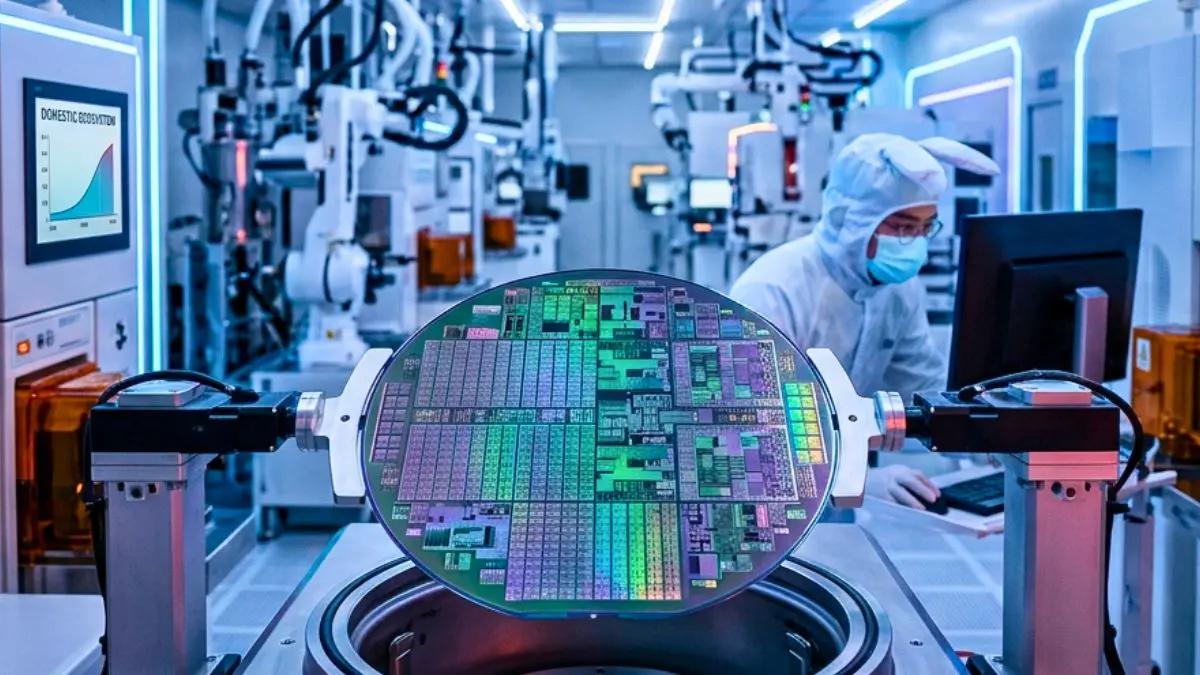
Global chip manufacturing is rapidly expanding as artificial intelligence demand drives major investments in semiconductor production and infrastructure.
Technology companies worldwide are increasing chip output to support AI servers, cloud computing, and enterprise digital transformation projects.
Industry analysts warn that labor tensions, supply chain risks, and geopolitical competition could reshape semiconductor markets throughout 2026.
SEOUL, SOUTH KOREA (Parliament Politics Magazine) Global chip manufacturing is entering a new phase of rapid expansion as artificial intelligence infrastructure, enterprise cloud computing, and advanced consumer electronics continue driving unprecedented demand for semiconductors worldwide. Technology companies across Asia, North America, and Europe are investing billions of dollars into new fabrication facilities, AI-focused chip production, and advanced semiconductor research.
The rapid acceleration of AI adoption has transformed semiconductors into one of the most strategically important industries in the global economy. Governments and corporations are now treating semiconductor production as critical national infrastructure tied directly to economic competitiveness, national security, and technological leadership.
The latest developments in global chip manufacturing come during a period of increasing labor negotiations, supply chain concerns, and geopolitical competition among major technology powers.
“Semiconductors have become the backbone of the modern digital economy,”
one semiconductor industry strategist said.
AI Infrastructure Fuels Semiconductor Growth
Artificial intelligence systems require massive computing power, dramatically increasing demand for advanced processors, GPUs, memory chips, and networking hardware.
The rapid growth of global chip manufacturing is closely tied to expanding investments in AI data centers, cloud infrastructure, and machine learning systems used by businesses worldwide.
Technology firms are now prioritizing semiconductor production capacity to support AI applications including:
- Enterprise AI platforms
- Cloud computing infrastructure
- Autonomous systems
- Advanced robotics
- Predictive analytics
- AI-powered cybersecurity
- High-performance computing
Industry experts believe artificial intelligence could remain the primary growth driver for semiconductor demand throughout the remainder of the decade.
Asia Maintains Dominance In Chip Production
Asia continues leading the semiconductor industry, with South Korea, Taiwan, China, and Japan remaining major production hubs for advanced chips and electronics components.
The latest expansion in global chip manufacturing highlights Asia’s central role in supplying semiconductors used across smartphones, AI servers, automotive systems, and industrial technology infrastructure.
South Korea’s Samsung and Taiwan’s TSMC remain among the world’s most influential semiconductor companies due to their advanced fabrication capabilities and large-scale production operations.
Governments across Asia are also increasing financial support for semiconductor expansion projects to maintain competitive advantages in future technology markets.
Global Chip Manufacturing 2026
| Category | Details |
|---|---|
| Industry | Semiconductor Manufacturing |
| Growth Driver | Artificial Intelligence |
| Major Regions | Asia, United States, Europe |
| Key Technologies | AI Chips, GPUs, Memory Systems |
| Primary Demand | AI Infrastructure |
| Main Risk Factors | Supply Chains & Labor Disputes |
| Leading Companies | Samsung, TSMC, Intel, Nvidia |
| Market Trend | Infrastructure Expansion |
Labor Tensions Add Industry Pressure
Labor negotiations and workforce challenges are becoming increasingly important across semiconductor manufacturing operations worldwide.
The broader global chip manufacturing industry relies heavily on highly skilled workers operating complex fabrication facilities requiring continuous production stability.
Recent labor tensions within the technology sector have raised concerns regarding operational disruptions that could affect semiconductor output and supply chain reliability.
Industry analysts warn that workforce shortages and labor disputes may become larger risks as semiconductor companies continue expanding production capacity rapidly.
Several governments are already increasing investments in workforce development programs tied to semiconductor engineering and manufacturing skills.
“The semiconductor race is not only about technology — it is also about securing skilled labor,”
one labor economist said.
AI Server Demand Changes Production Priorities
The growth of artificial intelligence infrastructure has fundamentally changed priorities within the semiconductor industry.
The expansion of global chip manufacturing is now heavily focused on producing chips capable of handling AI workloads, cloud processing, and enterprise computing demands.
Modern AI servers require specialized hardware including:
- AI accelerators
- High-bandwidth memory
- Advanced networking chips
- Power-efficient processors
- Cooling optimization systems
Technology companies are increasingly competing for access to advanced semiconductor supply as AI deployment accelerates worldwide.
Industry experts believe AI-related infrastructure could remain the dominant force shaping semiconductor investments over the next several years.
Historical Cycles Of Semiconductor Expansion
| Era | Technology Shift | Industry Impact |
|---|---|---|
| 1980s | Personal Computer Growth | Consumer Electronics Expansion |
| 1990s | Internet Revolution | Networking Infrastructure |
| 2000s | Mobile Technology | Smartphone Manufacturing Boom |
| 2010s | Cloud Computing | Data Center Expansion |
| 2020s | Artificial Intelligence | AI Semiconductor Explosion |
The latest wave of global chip manufacturing growth mirrors previous technological transformation periods that reshaped global economic and industrial systems.
Governments Increase Semiconductor Investments
Governments worldwide are increasing investments in semiconductor infrastructure to strengthen domestic production capabilities and reduce supply chain dependence.
The growing importance of global chip manufacturing has encouraged new funding programs, tax incentives, and public-private partnerships aimed at boosting semiconductor capacity.
The United States, Europe, China, South Korea, and Japan are all pursuing aggressive semiconductor strategies focused on technological independence and national security.
Industry analysts believe future economic competitiveness may increasingly depend on semiconductor production capabilities and AI infrastructure leadership.
Several nations have already announced multi-billion-dollar semiconductor expansion initiatives during 2026.
Supply Chain Stability Remains A Concern
Despite rapid growth, the semiconductor industry continues facing supply chain challenges linked to logistics, geopolitics, labor markets, and manufacturing concentration.
The rapid expansion of global chip manufacturing has increased pressure on raw materials suppliers, transportation networks, and fabrication equipment producers.
Technology companies are now seeking ways to diversify semiconductor sourcing and improve operational resilience.
Some analysts believe future semiconductor strategies may prioritize regional manufacturing expansion to reduce risks associated with global disruptions.
The industry continues monitoring geopolitical tensions that could affect semiconductor trade and production stability.
“Supply chain resilience is now considered a strategic business priority,”
one enterprise technology consultant said.
Investors Continue Backing Semiconductor Companies
Financial markets remain highly focused on semiconductor companies due to strong AI-related growth expectations and infrastructure spending.
The continued expansion of global chip manufacturing has increased investor interest in firms linked to AI infrastructure, cloud computing, and advanced semiconductor production.
Some analysts believe semiconductor stocks could remain among the most influential sectors within global technology markets during the next decade.
Investors are particularly monitoring companies involved in:
- AI processors
- Semiconductor fabrication
- Enterprise server infrastructure
- Memory chip production
- Advanced packaging technologies
Market experts say long-term semiconductor demand may continue rising as artificial intelligence becomes more integrated into daily business operations.
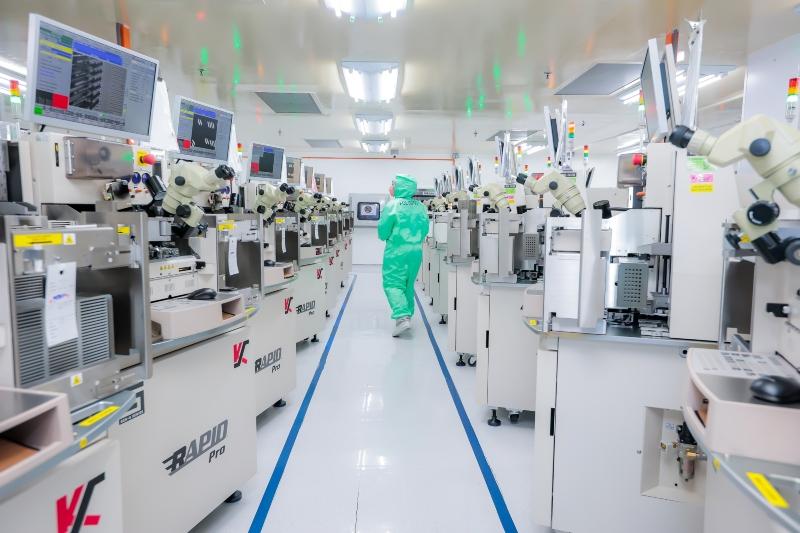
Future Outlook For Semiconductor Industry
The semiconductor sector is expected to remain central to the future of artificial intelligence, enterprise computing, and digital infrastructure modernization.
The rapid growth of global chip manufacturing suggests governments and corporations may continue investing heavily in semiconductor expansion projects throughout the remainder of the decade.
Industry experts believe future advancements could include:
- Smaller AI processors
- More energy-efficient chips
- Faster memory systems
- Improved semiconductor packaging
- Advanced quantum computing integration
As artificial intelligence adoption accelerates globally, semiconductor production may become even more strategically important across multiple industries.
