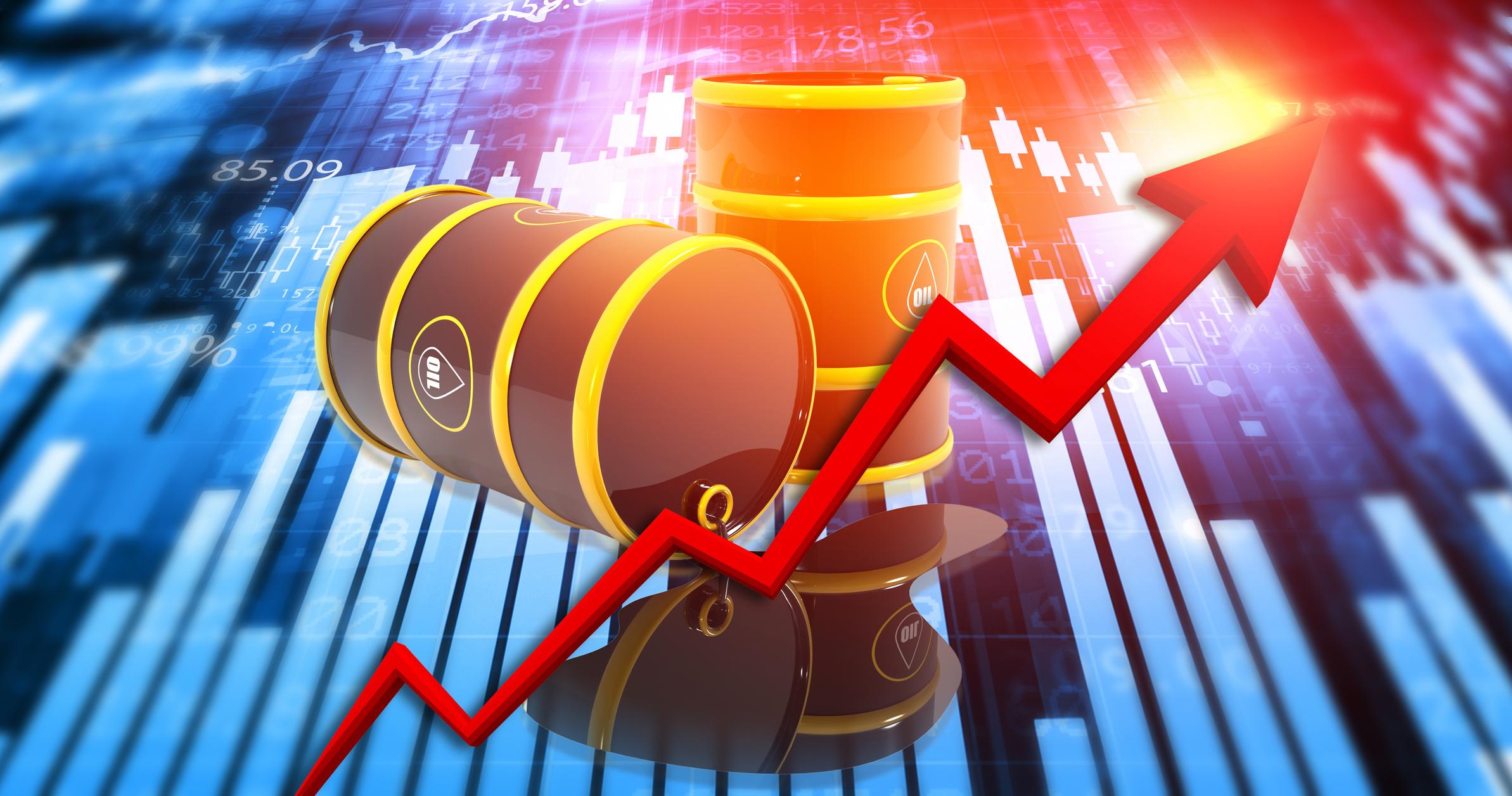
London, United Kingdom — March 19, 2026 — Parliament Politics Magazine — global energy crisis warning signals are rapidly spreading across international markets as UK gas prices have surged by 140 percent, reaching their highest level since 2023, while a top U.S. counterterrorism official has resigned in protest over escalating tensions linked to the U.S. war stance toward Iran.
The convergence of political instability and energy market disruption has raised urgent concerns among policymakers, economists, and global leaders, pointing toward a potentially severe economic and geopolitical turning point.
High-Level Resignation Adds to Global Uncertainty
The growing global energy crisis warning comes amid significant developments in Washington, where a senior counterterrorism official has stepped down in protest. Sources suggest the resignation reflects deep internal disagreements over U.S. strategy in the Middle East, particularly regarding Iran.
said a former national security analyst.
“It shows that concerns about escalation are being taken seriously at the highest levels.”
The resignation has intensified debates in political circles, with increasing calls for transparency and a reassessment of military objectives.
UK Gas Prices Surge to Record Highs
At the same time, the global energy crisis warning is being reinforced by sharp increases in energy costs. UK gas prices have surged by 140 percent, marking a dramatic rise that has caught both markets and consumers off guard.
Energy experts attribute the spike to heightened geopolitical tensions, fears of supply disruptions, and growing uncertainty surrounding key energy routes and production hubs.
“When you see this level of increase, it’s not just market fluctuation — it’s a warning sign,”
said a senior energy strategist.
Markets React to Rising Risk
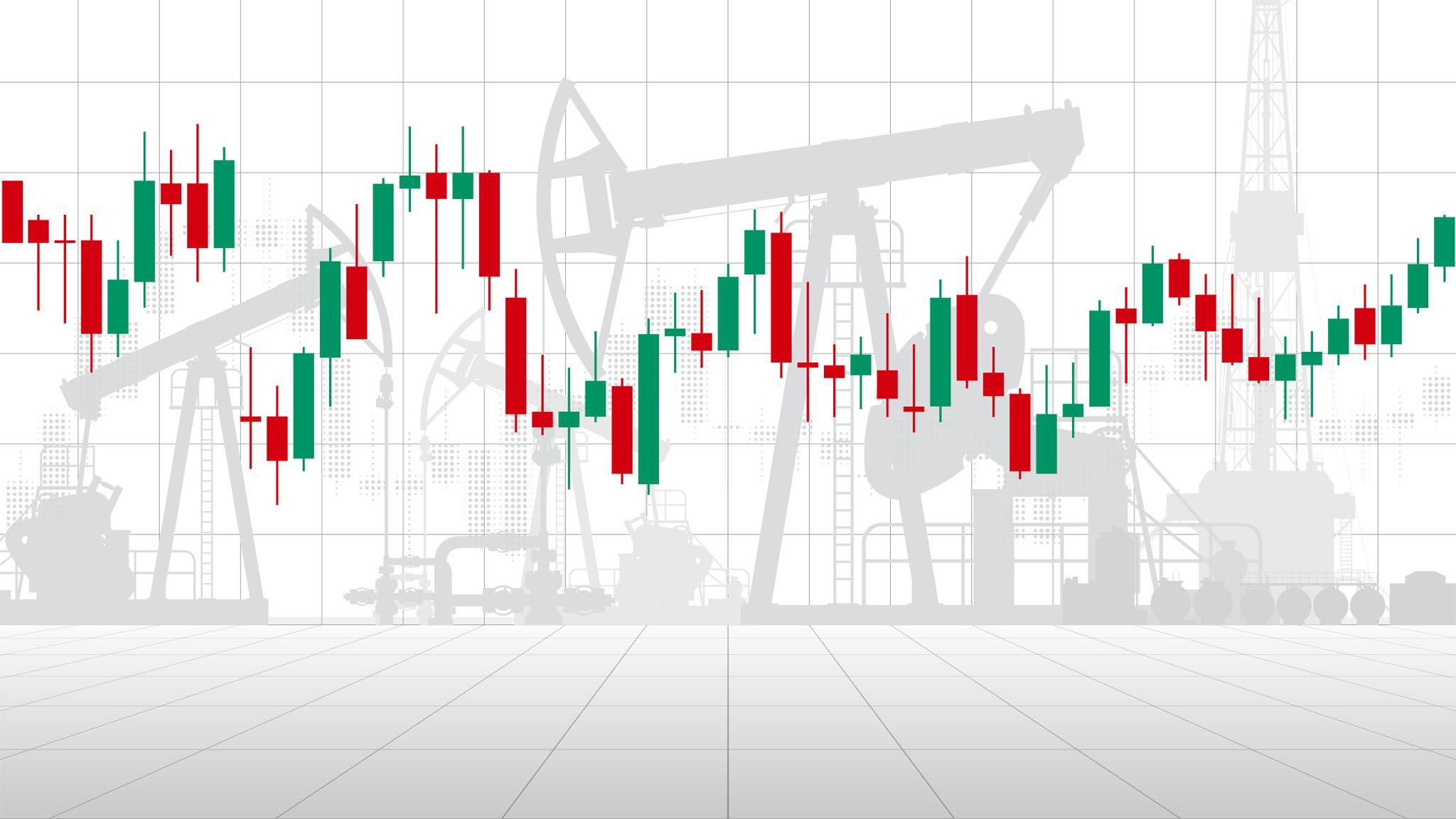
The global energy crisis warning has already begun to influence trading behavior across global markets. Oil and gas prices are experiencing heightened volatility, as investors respond to geopolitical developments and potential supply risks.
Financial analysts note that energy markets are particularly sensitive to instability in the Middle East, where even minor disruptions can have significant global consequences.
The surge in UK gas prices is seen as an early indicator of broader challenges that could affect multiple regions.
The Iran Conflict Connection
The ongoing tensions between the United States and Iran are central to the current global energy crisis warning. As the situation escalates, concerns about the security of vital energy routes have intensified.
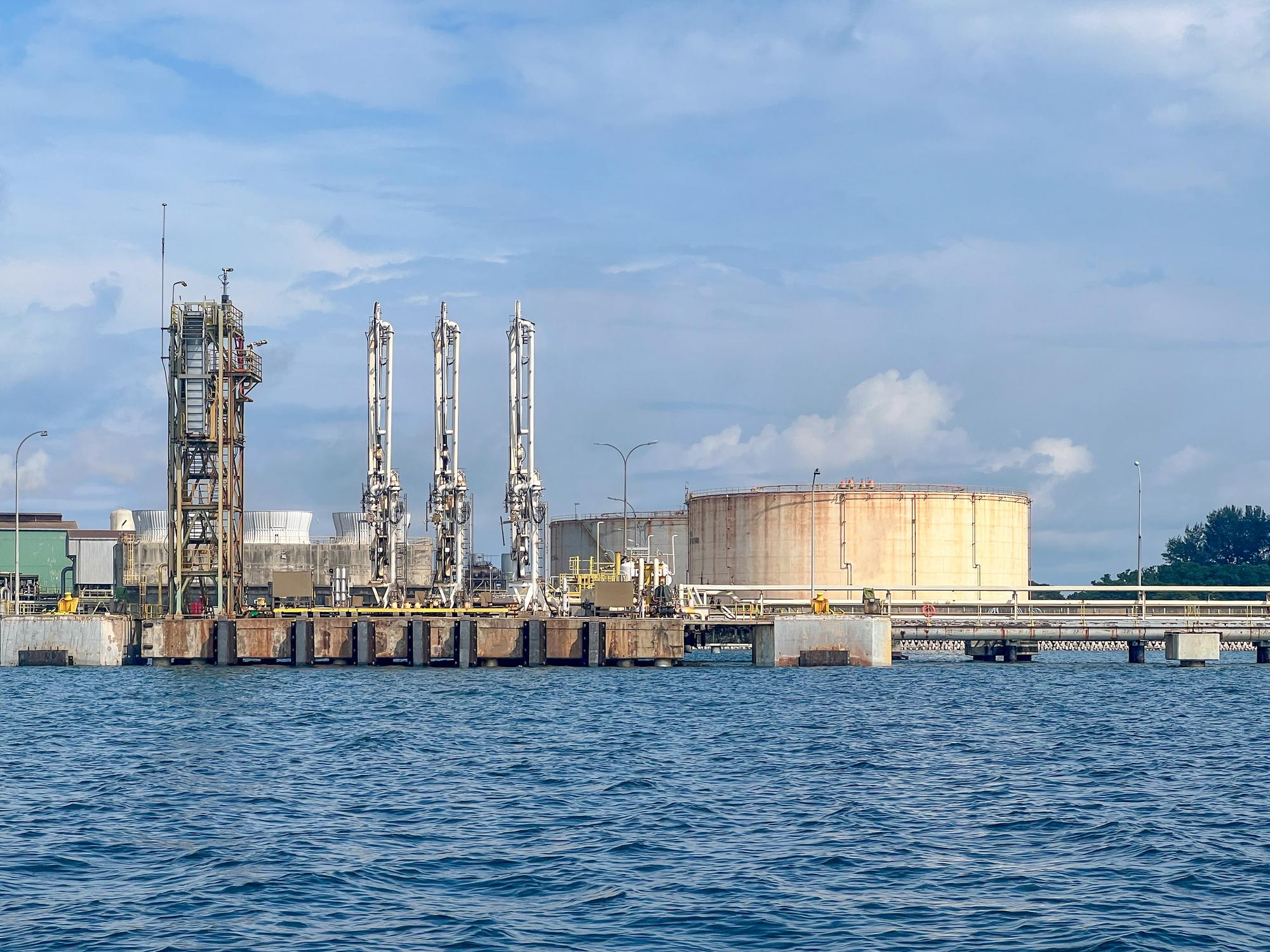
The Middle East remains a key source of global energy supply, and any disruption in the region could have immediate effects on pricing and availability.
“Energy markets don’t wait for conflict — they react to the risk of conflict,”
explained an economic analyst.
Economic Pressure Builds Worldwide
The global energy crisis warning extends beyond the UK, with implications for economies around the world. Rising energy costs can lead to increased inflation, higher transportation expenses, and reduced economic growth.
Households are likely to feel the impact through higher utility bills, while businesses may face increased operational costs.
Economists warn that sustained energy price increases could create long-term challenges, particularly for countries already dealing with economic pressures.
Political Reactions and Policy Challenges
Governments are now facing difficult decisions as the global energy crisis warning becomes more pronounced. In the UK, officials are under pressure to address rising gas prices, while in the United States, the resignation has sparked debate over national security strategy.
European leaders are calling for coordinated responses, including potential measures to stabilize energy markets and ensure supply security.
At the same time, diplomatic efforts may intensify in an attempt to reduce tensions and prevent further escalation.
Impact on Consumers and Industry
For everyday consumers, the global energy crisis warning translates into higher costs and increased uncertainty. Energy bills are expected to rise, placing additional strain on households.
Industries reliant on energy, including manufacturing and transportation, may also face significant challenges as costs increase.
Business leaders are closely monitoring the situation, with some already adjusting strategies to mitigate potential impacts.
Quote for High CTR
said a leading economic strategist.
“The global energy crisis warning we’re seeing today could reshape economies and geopolitical relationships for years to come.”
What Happens Next?
As the global energy crisis warning continues to unfold, attention will remain focused on geopolitical developments and market responses. The combination of rising energy prices and political tensions creates a complex and uncertain outlook.
Experts suggest that the coming weeks will be critical in determining whether the situation stabilizes or escalates further.
Summary:
The global energy crisis warning has intensified as UK gas prices surge by 140 percent and geopolitical tensions involving Iran continue to rise. With markets reacting, governments under pressure, and consumers facing higher costs, the situation represents a critical moment for global stability and economic security.