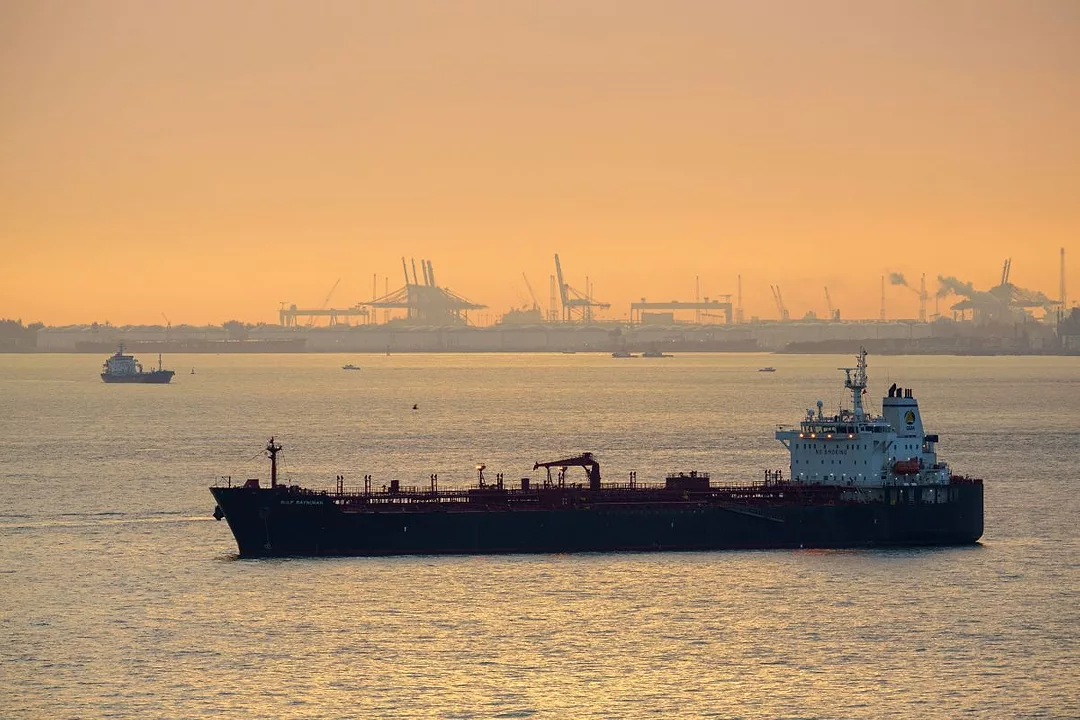
Strait of Hormuz, Middle East, April 03, 2026 (Parliament Politics Magazine) Global energy disruption fears are intensifying as geopolitical tensions rise near the Strait of Hormuz, a critical artery for the world’s oil supply. The unfolding situation is placing renewed scrutiny on the Iran strategy shaped under Donald Trump, with analysts questioning whether it can withstand the mounting pressure.
As military activity increases and diplomatic channels strain, the risk of disruption to global energy flows is becoming a central concern for governments and markets alike.
Why the Strait of Hormuz Is a Global Flashpoint
The global energy disruption narrative is closely tied to the strategic importance of the Strait of Hormuz. This narrow waterway is responsible for transporting a significant share of the world’s oil, making it one of the most sensitive geopolitical hotspots.
Key facts driving concern include:
- Roughly one-fifth of global oil supply passes through the strait
- Major energy-exporting nations rely on this route
- Even temporary disruptions can trigger global price spikes
Any escalation in this region could have immediate and far-reaching economic consequences.
Iran Strategy Under Growing Scrutiny
The global energy disruption risk has reignited debate over the long-term effectiveness of Trump’s Iran strategy. Built on economic sanctions and military deterrence, the policy aimed to limit Iran’s influence while maintaining regional stability.
Critics argue:
- The approach increased tensions without resolving core issues
- Economic pressure has not fully altered regional dynamics
- Military posturing has heightened the risk of confrontation
Supporters counter that the strategy constrained Iran’s capabilities and strengthened negotiating leverage.
A geopolitical analyst stated:
“Global energy disruption fears highlight how interconnected policy decisions and market stability have become. What happens in Hormuz affects the entire world.”
Military Activity Raises Risk of Escalation
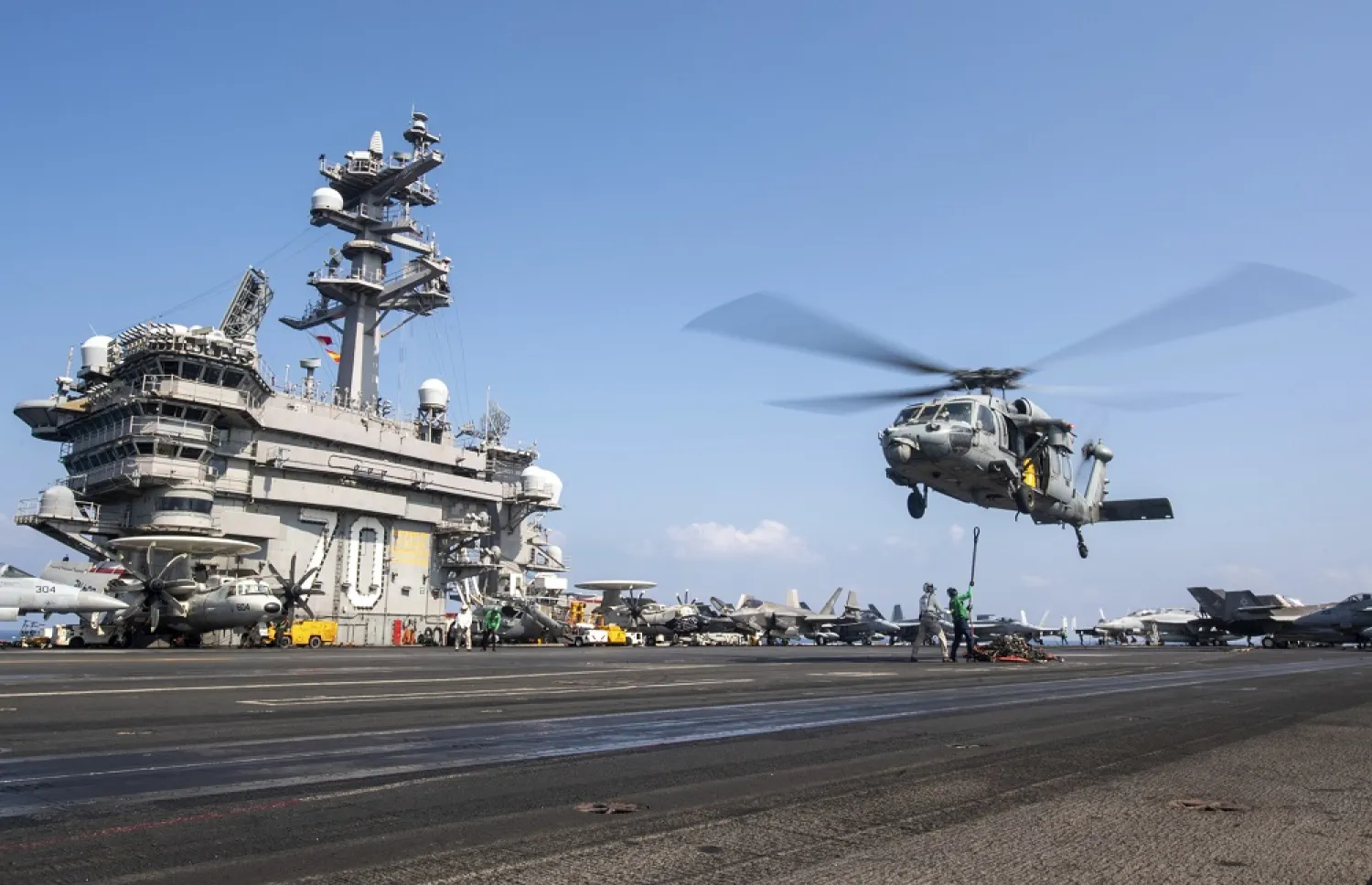
The global energy disruption concern is being amplified by increased military presence in and around the Strait of Hormuz. Both U.S. and Iranian forces have stepped up operations, raising the risk of unintended incidents.
Recent developments include:
- Naval patrols and strategic positioning
- Air surveillance and defense readiness
- Reports of close-range encounters between forces
Defense experts warn that even a minor miscalculation could escalate into a broader conflict.
Oil Markets React to Uncertainty
The global energy disruption scenario is already influencing global markets. Oil prices have shown volatility as traders respond to rising geopolitical risks.
Economic impacts include:
- Fluctuating crude oil prices
- Increased transportation and production costs
- Inflationary pressure across multiple sectors
Energy analysts caution that prolonged instability could disrupt supply chains worldwide.
Diplomatic Efforts Struggle to Contain Tensions
Diplomatic initiatives are underway to prevent further escalation of the global energy disruption crisis. International leaders are urging restraint and encouraging dialogue between involved parties.
Global responses include:
- Calls for de-escalation from major economies
- Efforts to reopen negotiation channels
- Increased diplomatic engagement in the region
However, achieving consensus remains challenging due to competing geopolitical interests.
Information Dynamics and Public Perception
The global energy disruption narrative is also shaped by how information is shared and interpreted. Media coverage and official statements play a crucial role in influencing global perception.
Experts note:
- Rapid information flow can amplify tensions
- Strategic messaging influences public opinion
- Misinformation risks complicating diplomatic efforts
Maintaining accurate and balanced reporting is essential in such a volatile environment.
Regional Stability and Global Implications
The global energy disruption threat extends beyond the Strait of Hormuz. Neighboring countries and global powers are closely monitoring developments, aware of the potential for broader instability.
Possible consequences include:
- Expansion of conflict into neighboring regions
- Disruption of international trade routes
- Strengthening of geopolitical alliances
The situation highlights the fragile balance of power in the Middle East.
Expert Outlook: What Happens Next
Analysts believe the trajectory of the global energy disruption crisis will depend on a combination of diplomatic engagement and military restraint.
Another expert commented:
“The Strait of Hormuz is the world’s energy chokepoint. Any disruption here doesn’t stay local—it becomes a global crisis almost instantly.”
Global Energy Disruption: What This Means Next
Global energy disruption concerns are intensifying as tensions in the Strait of Hormuz continue to rise. With military activity increasing and diplomatic efforts facing challenges, the risk to global oil supply and economic stability is significant.
As the situation evolves, the world is watching closely to see whether leaders can prevent escalation or whether this crisis will reshape global energy and geopolitical dynamics in 2026.