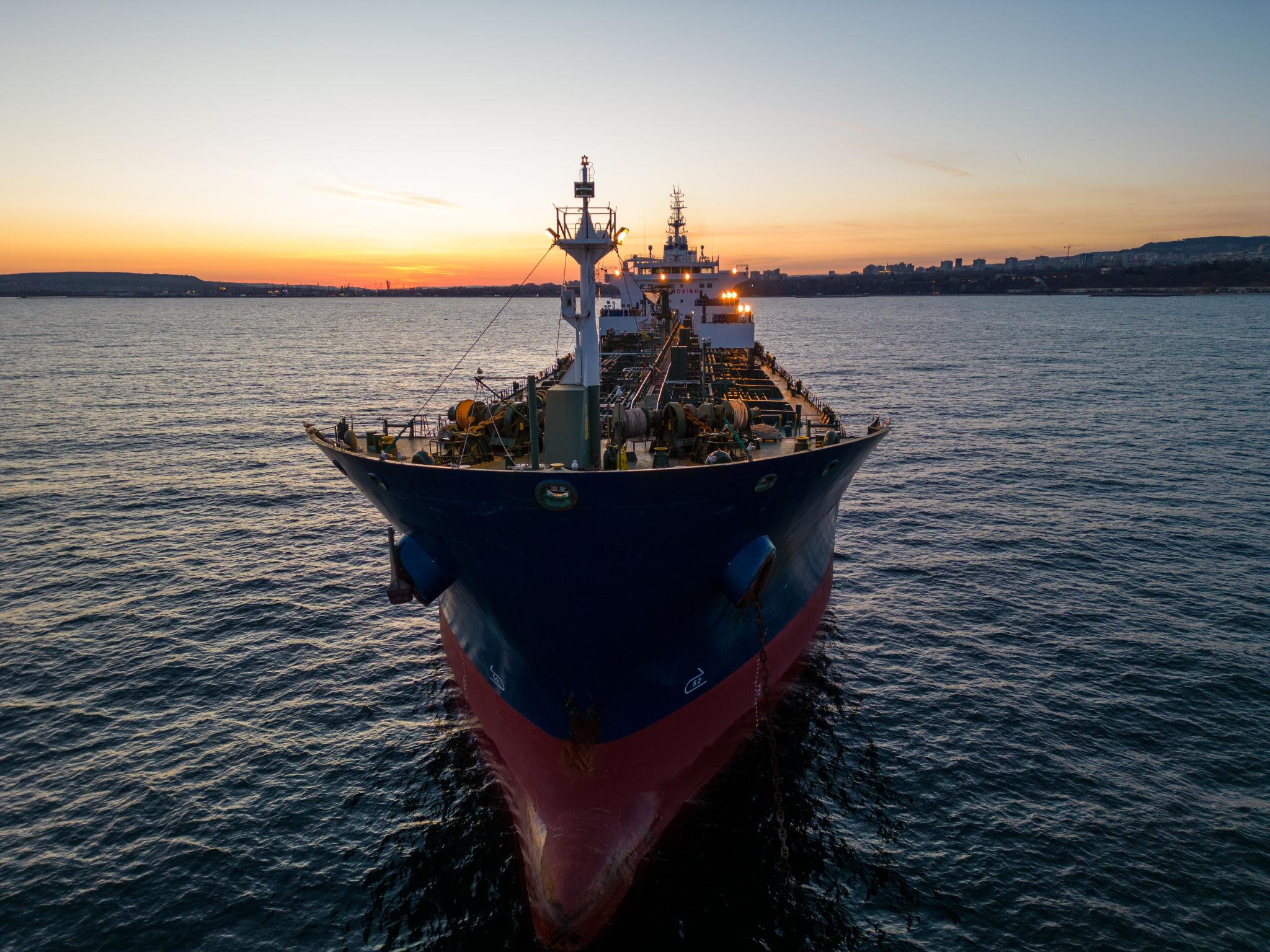
Gulf Region, Middle East, April 18, 2026 (Parliament Politics Magazine) Global energy security concerns are escalating in 2026 as vessel tracking data reveals a noticeable pattern of oil tankers leaving key Gulf shipping routes. The movements, observed within a short timeframe, are drawing increased scrutiny from analysts and policymakers who view maritime activity as a leading indicator of potential supply disruptions.
The Gulf region remains one of the most critical hubs for global crude oil exports. Any unusual developments tied to global energy security concerns can quickly ripple across international markets. While no official interruption to supply has been confirmed, the coordinated nature of the tanker departures suggests heightened caution within the shipping and energy sectors.
Shipping Activity Reflects Growing Uncertainty
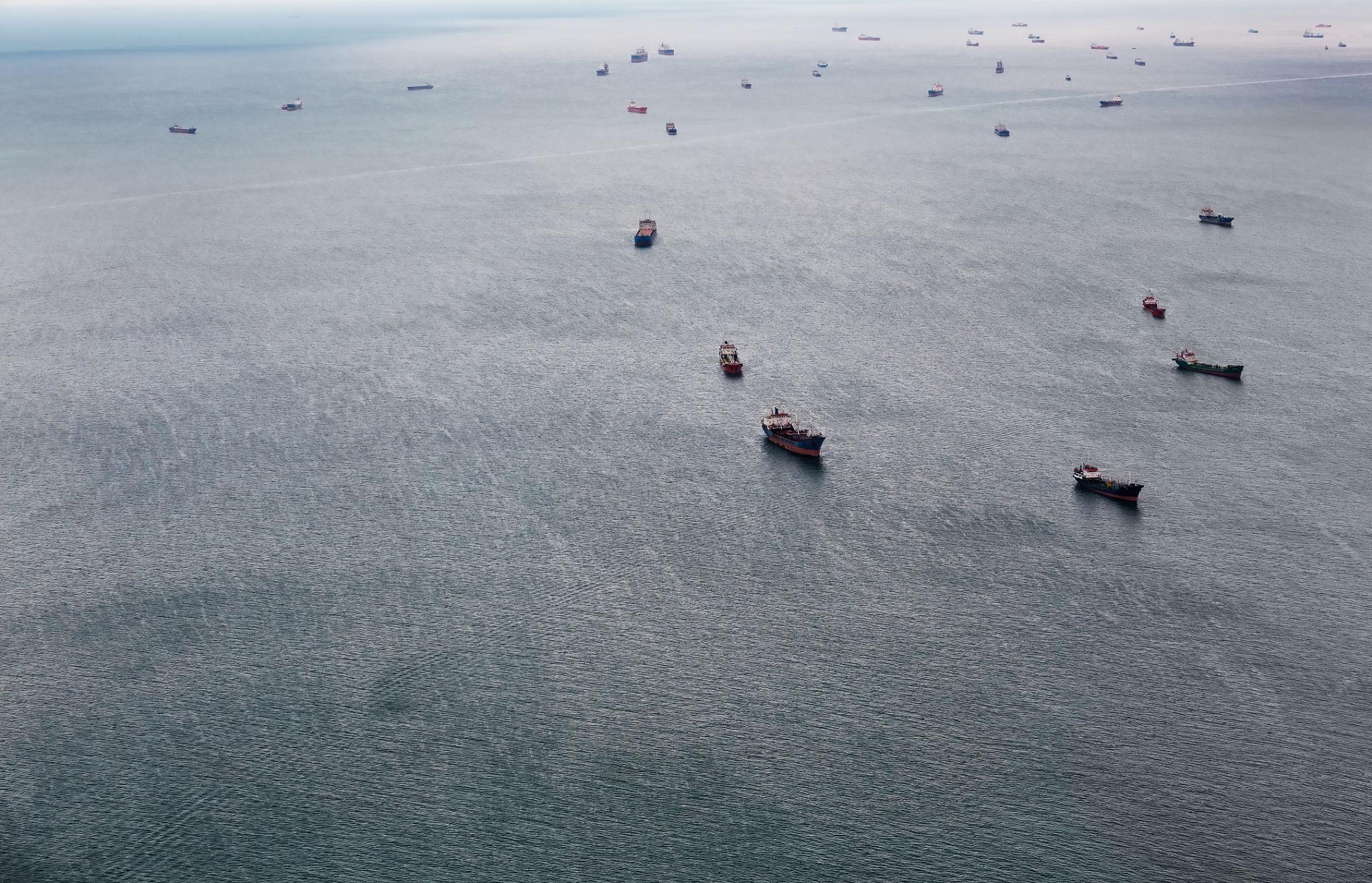
Recent data shows that multiple tankers departed from Gulf ports in a synchronized manner. Under normal conditions, shipping schedules are staggered and predictable. However, during periods of global energy security concerns, companies often adjust operations to minimize exposure to emerging risks.
Industry analysts point out that such coordinated activity is rarely random. Instead, it often reflects a broader strategic response to geopolitical tensions, insurance considerations, or market expectations.
A maritime analyst explained,
“When global energy security concerns rise, shipping patterns tend to shift quickly. What we’re seeing now suggests companies are acting ahead of potential disruptions.”
Oil Markets React to Supply Risk Signals
Global energy security concerns have already begun influencing oil market behavior. Traders monitor tanker movements closely because they provide early insight into supply chain dynamics. Even the perception of risk can trigger volatility in pricing.
In recent sessions, oil markets have shown cautious movement, with fluctuations reflecting uncertainty rather than confirmed shortages. The possibility of delayed shipments or reduced exports from the Gulf can drive prices higher, impacting fuel costs globally.
This reaction highlights how sensitive energy markets are to developments tied to global energy security concerns. Even minor signals can lead to broader economic implications.
Strategic Importance of Gulf Shipping Routes
The current situation reinforces the importance of secure and stable shipping routes in the Gulf region. A large portion of the world’s oil supply passes through these waters, making them essential to global energy infrastructure.
When global energy security concerns emerge, governments and private sector stakeholders often increase monitoring and preparedness efforts. Maintaining confidence in these routes is crucial for preventing market disruption and ensuring continued supply.
An energy sector insider noted,
“Global energy security concerns are amplified in regions like the Gulf because of their central role in oil distribution worldwide.”
Real-Time Data Shapes Market Reactions
Advancements in vessel tracking technology have transformed how markets respond to maritime activity. Real-time data allows analysts to identify patterns quickly, including coordinated tanker departures associated with global energy security concerns.
While this transparency improves situational awareness, it also accelerates market reactions. Information spreads rapidly, and investors adjust positions based on perceived risks, contributing to volatility.
The ability to track movements in real time has become an essential tool for understanding and responding to developments in global energy security concerns.
Possible Drivers Behind the Tanker Movements
Several factors may explain the current shipping patterns:
- Risk Management: Companies may be reducing exposure to uncertain conditions.
- Market Positioning: Exporters could be adjusting shipments in anticipation of price changes.
- Operational Efficiency: Coordinated departures can streamline logistics.
- Insurance Costs: Rising premiums in high-risk areas may influence decisions.
Each of these factors highlights the complexity of global energy security concerns and their impact on decision-making within the industry.
Broader Economic Implications
The effects of global energy security concerns extend beyond oil markets. Rising fuel costs can impact transportation, manufacturing, and consumer goods. Businesses may face increased operational expenses, while consumers could see higher prices at the pump and in everyday purchases.
For industries heavily dependent on logistics, such as retail and food service, these developments can reduce margins and alter spending patterns. The interconnected nature of the global economy means that shifts in energy supply can have far-reaching consequences.
Market Outlook and What to Watch
Market participants are closely monitoring developments tied to global energy security concerns. Key indicators include:
- Additional tanker movements in the Gulf
- Changes in oil export volumes
- Government responses to regional developments
- Fluctuations in global oil prices
Short-term volatility is expected as uncertainty persists. However, long-term outcomes will depend on whether shipping routes remain secure and supply levels are maintained.
Why Global Energy Security Concerns Matter
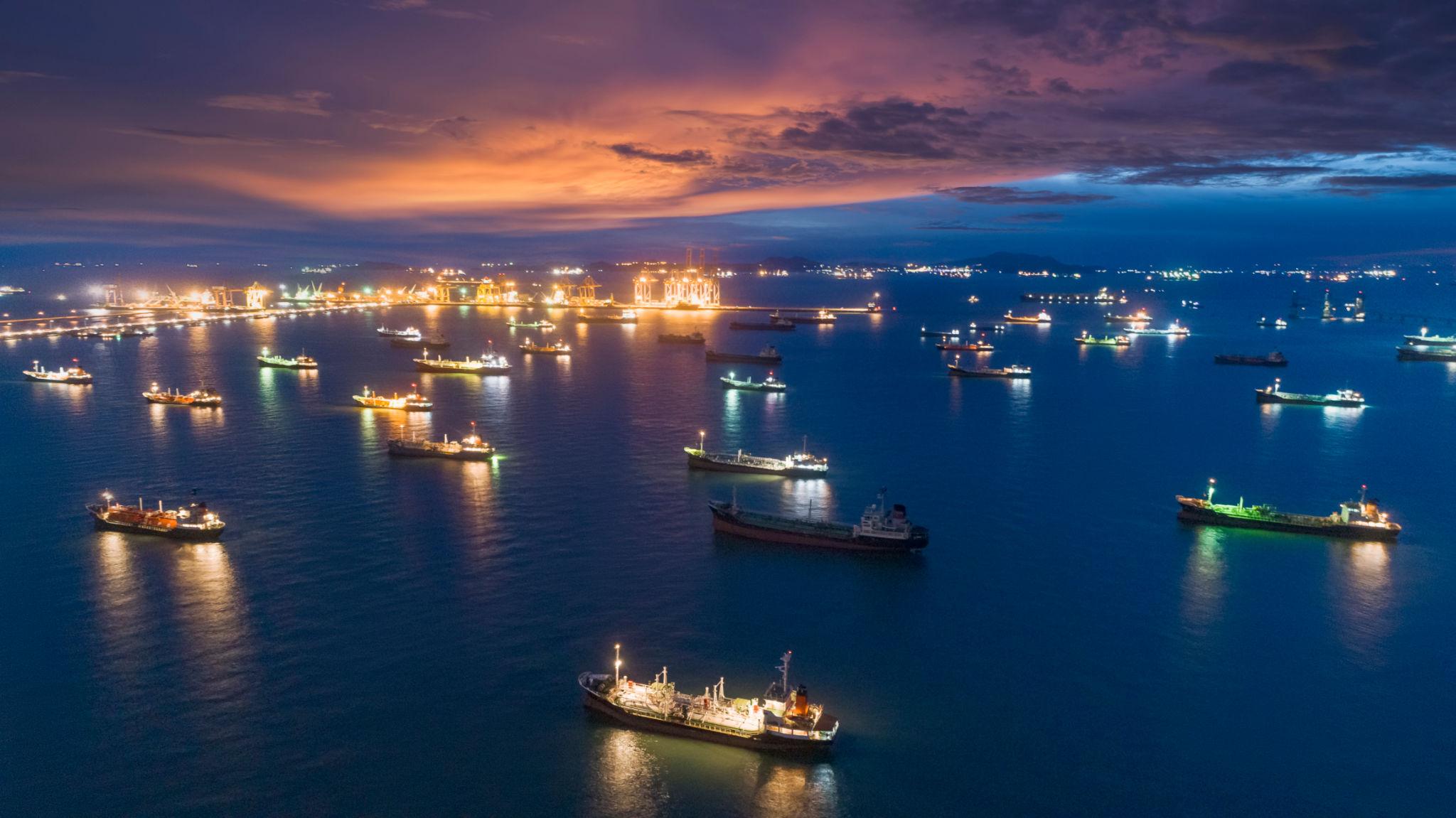
Global energy security concerns are shaping market sentiment as tanker movements in the Gulf raise questions about supply stability. While no confirmed disruptions have occurred, the coordinated departures highlight how quickly industry players respond to perceived risks.
Key Points:
- Global energy security concerns are driving increased scrutiny of tanker movements.
- Oil markets are reacting to uncertainty with cautious volatility.
- Gulf shipping routes remain critical to global energy supply.
- Economic impacts could extend across multiple industries.
As the situation develops, global energy security concerns will remain a central focus for markets, governments, and businesses worldwide.