Washington, March 24, 2026 (Parliament Politics Magazine), global security crisis is rapidly intensifying following the resignation of a top U.S. counterterrorism official in protest of the country’s escalating conflict posture toward Iran. The unexpected move has triggered alarm across intelligence and defense communities, raising questions about internal disagreements and long-term strategy.
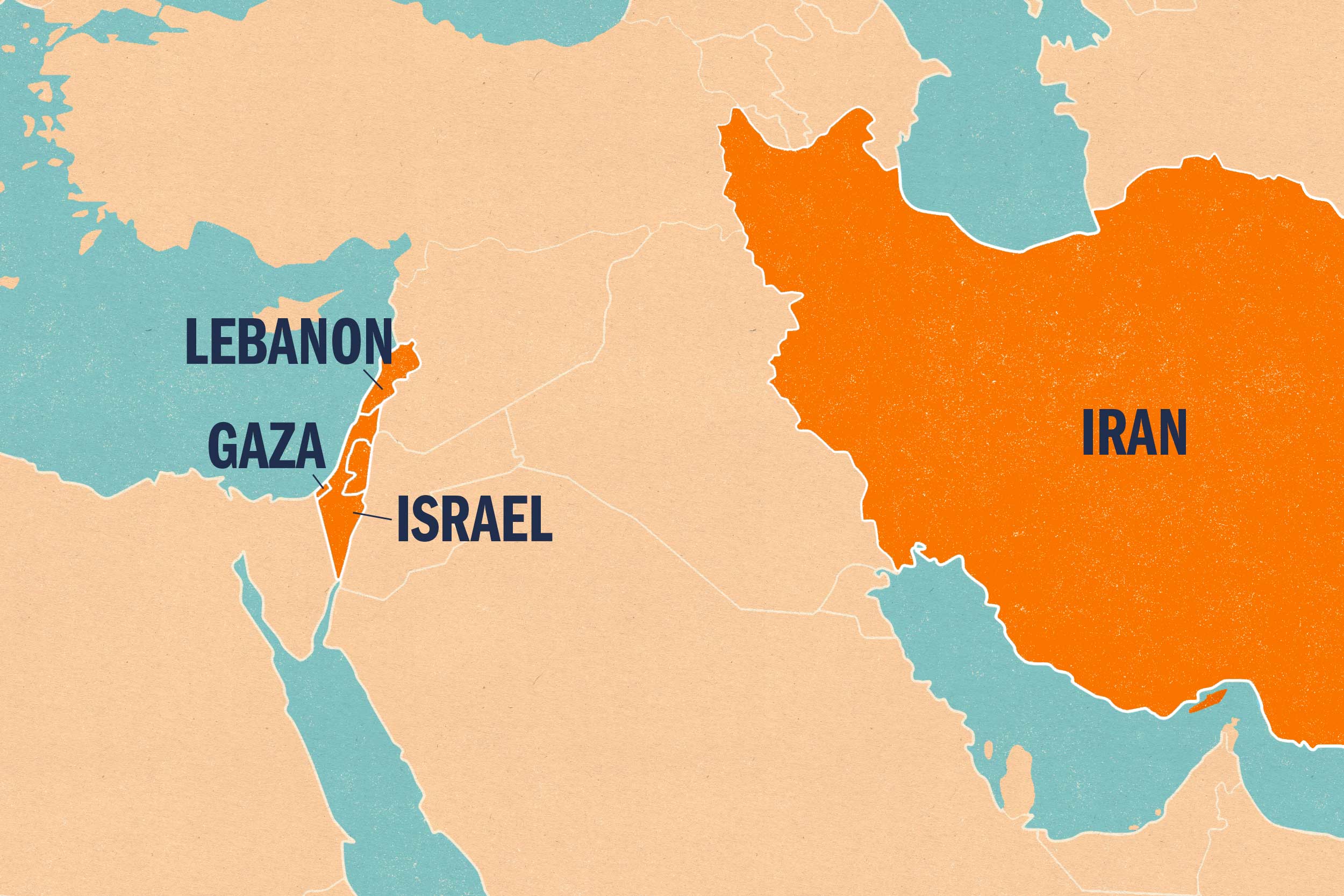
This resignation comes at a moment of heightened instability, as threats linked to Iranian retaliation expand across Lebanon and Gaza. Analysts warn that the situation could spiral beyond control if immediate steps are not taken to contain the fallout.
Internal Disagreement Over Military Strategy
The departure of such a high-ranking official is rare and significant. Sources close to the matter indicate that the official had deep concerns about the trajectory of U.S. military operations involving Iran and its regional allies.
The resignation reflects a growing divide within leadership circles. While some policymakers support aggressive measures, others caution that escalation could ignite broader regional conflict.
This development underscores the fragile balance at the center of the global security crisis, where each decision carries global consequences.
IRGC Threats Heighten Tensions
The situation has become even more volatile following warnings from Iran’s Islamic Revolutionary Guard Corps (IRGC). Officials signaled that any attacks on civilians in Lebanon or Gaza would trigger retaliation “without restraint.”
Such statements have intensified fears of a multi-front conflict. Military analysts suggest that these warnings are not merely rhetorical but could translate into immediate action.
The possibility of rapid escalation has placed the region—and the world—on edge, reinforcing concerns about a widening global security crisis.
Strategic Divide Within U.S. Leadership
Behind the scenes, disagreements over policy have been building for months. The resigning official reportedly believed that current strategies lacked sufficient safeguards against unintended escalation.
Critics argue that the absence of a clear diplomatic path increases the risk of miscalculation. Others warn that continued military pressure could provoke responses that are difficult to contain.
These internal tensions highlight the complexity of managing the global security crisis, where competing priorities often clash.
Global Implications and Market Reactions
The resignation has sent ripples across the international community. Allies are reassessing their positions, while adversaries are closely watching for signs of weakness or opportunity.
Energy markets have already shown signs of instability, with concerns about supply disruptions driving volatility. Economic analysts warn that prolonged conflict could have far-reaching consequences.
In this environment, the global security crisis is not just a regional issue—it is a global concern affecting economies, alliances, and security frameworks.
Intelligence Community Concerns
Within intelligence circles, the resignation has raised serious questions. Former officials note that such departures often signal deeper systemic issues.
There is growing concern that intelligence assessments may not be fully aligned with policy decisions. Maintaining objectivity during periods of heightened tension is critical, yet increasingly challenging.
The situation underscores the importance of careful analysis and strategic restraint in navigating the global security crisis.
A Defining Quote
said a former intelligence official.
“When experienced leaders step away during a crisis, it suggests that the risks may be far greater than publicly acknowledged.”
Lebanon and Gaza: Emerging Flashpoints
Lebanon and Gaza have become central to the unfolding situation. Both regions are closely tied to Iranian influence and have long been areas of tension.
Recent developments suggest that these locations could serve as triggers for broader conflict. Even limited incidents could escalate quickly, drawing in additional actors.
The potential for civilian casualties adds another layer of complexity, further intensifying the global security crisis.
Diplomatic Options Under Pressure
Efforts to de-escalate tensions have faced significant challenges. Diplomatic channels remain open but are under increasing strain as rhetoric intensifies on all sides.
The resignation has amplified calls for renewed dialogue, but progress remains uncertain. Without a clear path forward, the risk of escalation continues to grow.
This dynamic highlights the difficulty of resolving the global security crisis through traditional means.
Political and Public Reaction
Reactions to the resignation have been mixed. Some view it as a principled stand against escalating conflict, while others see it as a destabilizing move during a critical moment.
Political leaders have seized on the issue, using it to debate broader questions about U.S. foreign policy and global leadership.
As discussions continue, the resignation remains a focal point in the evolving narrative of the global security crisis.
What Happens Next?
The immediate future is uncertain. While a replacement will likely be named, the underlying issues that prompted the resignation remain unresolved.
Experts suggest that the coming weeks will be pivotal. Key factors include military developments, diplomatic efforts, and the actions of regional actors.
The outcome will shape not only the region but the trajectory of the global security crisis for years to come.
What This Resignation Means for the Future
A top counterterrorism official’s resignation has exposed deep divisions within U.S. leadership at a critical moment in the global security crisis. With Iran tensions escalating and threats of retaliation growing, the risk of broader conflict is rising rapidly.
Lebanon and Gaza are emerging as key flashpoints, while diplomatic options narrow. The resignation serves as both a warning and a turning point, signaling that the current path may lead to far-reaching global consequences.