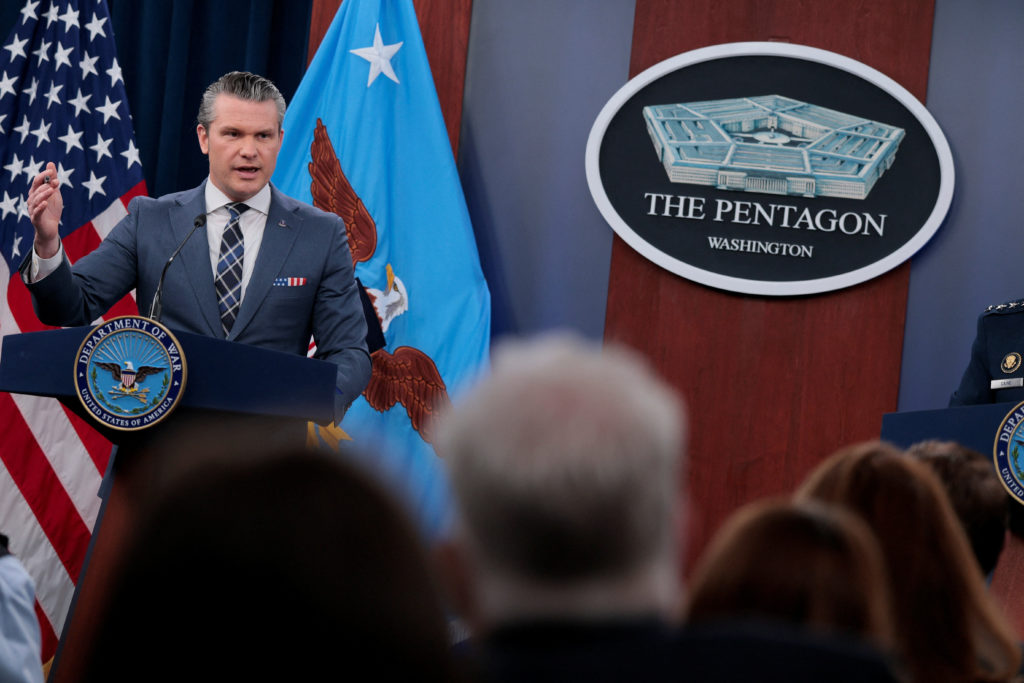
Washington / Global Policy Forum, March 25, 2026 (Parliament Politics Magazine), global security tensions escalated sharply after a top U.S. counterterrorism official resigned in protest of the ongoing war strategy against Iran, even as international leaders gathered to discuss Digital Innovation and South–South Cooperation: Pathways to Realizing the Right to Development. The overlap of rising conflict and calls for cooperation highlights the fragile state of today’s global order.
The resignation has triggered widespread concern across diplomatic and defense communities, raising questions about whether current strategies are sustainable in an increasingly interconnected world.
Resignation Highlights Internal Policy Divide
The departure of a senior counterterrorism official is being viewed as a significant signal of disagreement within Washington’s national security leadership. Reports indicate the official opposed the direction of military engagement and warned of long-term consequences.
This development reflects broader global security tensions, where policymakers are divided between aggressive strategies and diplomatic solutions.
“A resignation at this level is never routine—it reflects serious concern about where policy is heading,”
said a former intelligence advisor.
The move underscores the complexity of navigating international crises while maintaining internal consensus.
Iran Conflict Remains a Flashpoint
The situation with Iran remains central to rising global security tensions. Iranian leaders have issued strong warnings, suggesting that continued escalation could lead to serious consequences for U.S. forces and regional stability.
These warnings have amplified fears that tensions could spiral into a broader conflict, particularly given the strategic importance of the Middle East.
At the same time, Iran has criticized U.S. actions as inconsistent, pointing to simultaneous diplomatic outreach and military pressure.
Digital Innovation and Cooperation Offer Contrast
While tensions dominate headlines, global discussions on Digital Innovation and South–South Cooperation present an alternative vision. These initiatives focus on collaboration, technology sharing, and inclusive development as pathways to stability.
This contrast highlights the dual nature of current global security tensions—where conflict and cooperation coexist in a delicate balance.
“Innovation and cooperation are essential tools for reducing instability and building long-term resilience,”
said a development expert.
Such approaches are gaining traction among developing nations seeking to chart independent paths forward.
South–South Cooperation Gains Momentum
South–South cooperation has emerged as a key strategy for addressing global challenges. By fostering partnerships among developing countries, this approach aims to promote shared growth and reduce dependence on traditional power structures.
In the context of global security tensions, these partnerships could help mitigate the impact of conflict by strengthening economic and technological resilience.
Countries across Asia, Africa, and Latin America are increasingly investing in collaborative initiatives that prioritize sustainable development.
Risks to Regional Stability Increase
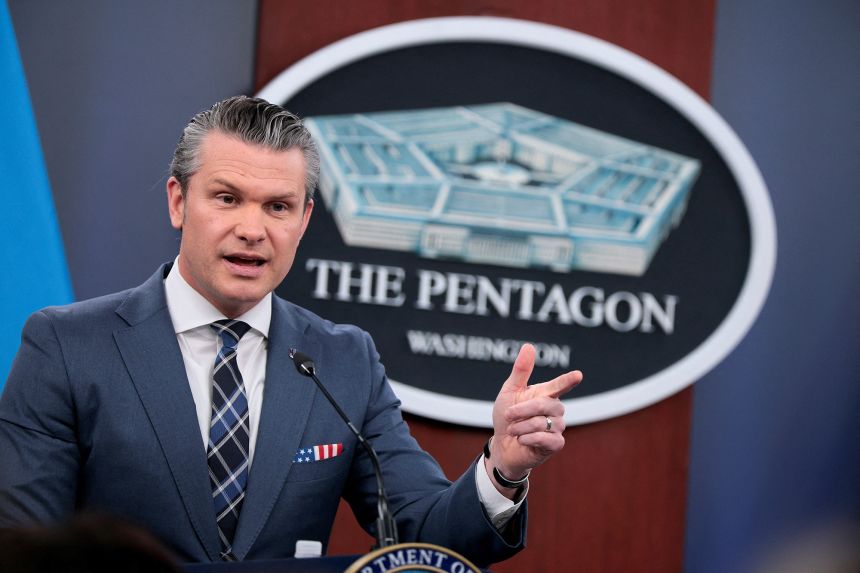
The resignation and escalating rhetoric have heightened concerns about regional stability. Analysts warn that even minor incidents could trigger a chain reaction, leading to broader conflict.
This aspect of global security tensions underscores the interconnected nature of modern geopolitics, where local disputes can have global implications.
“The margin for error is shrinking, and the risks are growing,”
said a geopolitical strategist.
Such warnings emphasize the need for careful decision-making and strategic restraint.
Impact on US Military Strategy
The resignation has also brought renewed attention to U.S. military strategy in the Middle East. With tensions rising, the safety of American troops remains a critical concern.
Global security tensions have increased the likelihood of asymmetric threats, making it more challenging to predict and manage risks.
This has sparked debate over whether current approaches effectively balance security objectives with long-term stability.
Diplomatic Channels Still Active
Despite rising global security tensions, diplomatic efforts continue behind the scenes. Countries like Pakistan are reportedly facilitating indirect communication between Washington and Tehran.
These efforts aim to reduce hostilities and explore pathways to de-escalation.
“Diplomacy remains the best option for preventing further escalation,”
said a foreign policy analyst.
The persistence of dialogue offers a degree of hope amid uncertainty.
Economic and Technological Implications
Global security tensions are also influencing economic and technological trends. Uncertainty in the Middle East can disrupt energy markets, trade routes, and investor confidence.
At the same time, digital innovation is providing new tools for managing crises and fostering cooperation.
This dual dynamic highlights the importance of integrating technology into global strategies for stability and growth.
A Critical Moment for Global Leadership
The current situation represents a defining moment for global leadership. Decisions made in response to these global security tensions will shape the future of international relations.
Leaders must balance competing priorities, including national security, economic stability, and global cooperation.
“This is a moment that will define the trajectory of global policy for years to come,”
said a senior strategist.
What Comes Next?
As global security tensions continue to evolve, key questions remain:
- Will diplomatic efforts succeed in reducing tensions?
- Can internal divisions within the U.S. government be resolved?
- How will global cooperation initiatives influence future policies?
The answers will determine whether the current crisis escalates or stabilizes.
Global Security Tensions at a Crossroads
The resignation of a top counterterrorism official underscores the seriousness of the current situation. Global security tensions are rising, but so too are efforts to promote cooperation and innovation.
The challenge lies in navigating these opposing forces to achieve a stable and sustainable outcome.
Key Takeaways for High CTR
- A senior U.S. counterterrorism official resigned over Iran war strategy
- Global security tensions are escalating amid strong warnings from Iran
- Internal divisions within Washington are shaping policy uncertainty
- Digital innovation and cooperation offer alternative pathways
- Diplomatic efforts continue despite rising risks
Global security tensions are entering a critical phase, where the balance between conflict and cooperation will determine the future of international stability.