

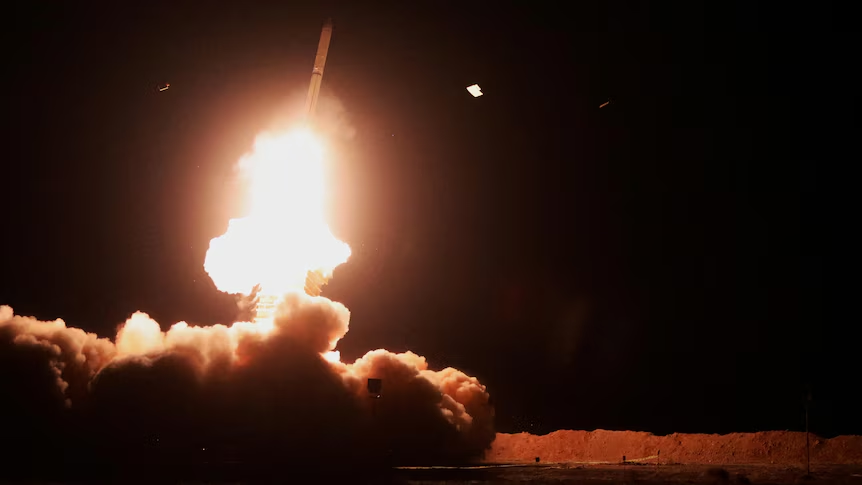
Washington / Gulf Region, March 26, 2026 (Parliament Politics Magazine) global security threat alert intensifies after a top counterterrorism official resigns in protest of escalating U.S. war posture toward Iran, as Tehran’s attacks across the Gulf are increasingly described as a turning point in regional and global stability.
The resignation has triggered widespread concern across defense and intelligence communities, highlighting potential fractures within U.S. leadership at a time when geopolitical tensions are rapidly escalating.
Resignation Raises Alarm Across Security Circles
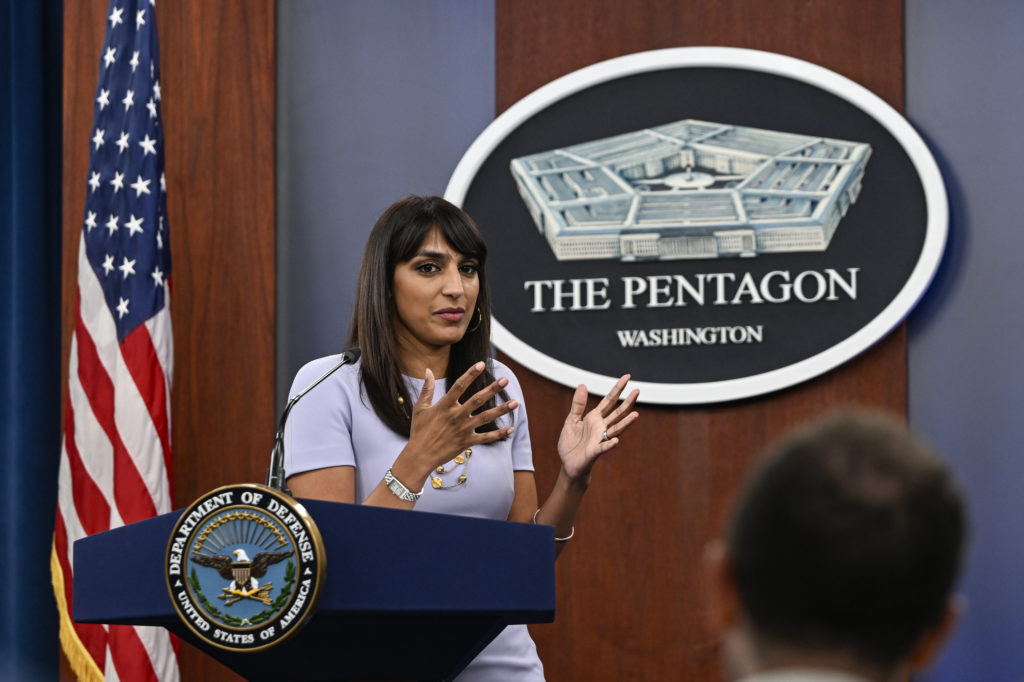
The sudden departure of a senior counterterrorism official is being interpreted as a significant warning signal. Sources indicate the official stepped down due to concerns over expanding military strategies that could further destabilize the Middle East.
The timing of the resignation, amid Iran’s aggressive actions in the Gulf, has intensified fears of a broader conflict.
A senior analyst stated:
“This is more than a resignation—it’s a signal that the situation may be approaching a critical tipping point.”
The development reinforces the growing global security threat alert as policymakers face increasingly complex decisions.
Iran’s Gulf Attacks Mark a Strategic Shift
Iran’s recent operations across the Gulf have been widely viewed as a major escalation. Analysts suggest these actions demonstrate a shift in Iran’s strategy, signaling a willingness to directly challenge U.S. influence in the region.
Key developments include:
- Coordinated strikes targeting strategic نقاط
- Increased activity near vital shipping routes
- Expanded regional military engagement
These moves have elevated the global security threat alert, with experts warning of unpredictable consequences.
US-Iran Tensions Reach Critical Levels
Tensions between the United States and Iran have reached a critical stage, with both sides increasing military readiness and surveillance operations.
Indicators of escalation include:
- Deployment of additional naval forces
- Intensified drone monitoring and interceptions
- Heightened alert levels across U.S. bases
These developments contribute to a growing global security threat alert, as the risk of miscalculation continues to rise.
Regional Instability Expands
The situation is further complicated by overlapping conflicts across the Middle East, including ongoing military activity in Lebanon and surrounding areas.
Experts warn that multiple active conflicts create an environment where escalation can occur rapidly.
A regional observer noted:
“The convergence of these crises significantly increases the likelihood of a broader conflict.”
This interconnected instability reinforces the urgency of the global security threat alert.
Diplomatic Efforts Intensify Amid Crisis
As tensions rise, diplomatic efforts are increasing, with regional powers such as Egypt working to mediate and reduce conflict.
Diplomatic priorities include:
- Encouraging dialogue between involved parties
- Preventing further military escalation
- Addressing humanitarian concerns
These efforts aim to contain the situation before it evolves into a larger crisis.
Global Economic and Energy Impact
The escalation is also affecting global markets, particularly in the energy sector. The Gulf region remains a critical hub for oil supply, making it highly sensitive to geopolitical tensions.
Economic concerns include:
- Disruptions to global oil supply routes
- Rising energy prices worldwide
- Increased volatility in financial markets
Analysts warn that prolonged instability could amplify the global security threat alert by impacting economic stability.
Counterterrorism Strategy Faces Uncertainty
The resignation of a top counterterrorism official introduces uncertainty into global security operations. Leadership transitions during crises can disrupt coordination and response efforts.
Potential challenges include:
- Maintaining operational continuity
- Addressing emerging threats
- Strengthening international cooperation
An intelligence expert commented:
“Losing experienced leadership at this moment creates additional risks in an already unstable environment.”
Calls for De-escalation Grow Stronger
Global leaders are increasingly calling for restraint and diplomatic engagement to prevent further escalation.
Efforts are focused on:
- Reducing military tensions
- Supporting negotiations
- Preventing wider conflict
The success of these initiatives will play a critical role in managing the global security threat alert.
A Turning Point in Global Stability
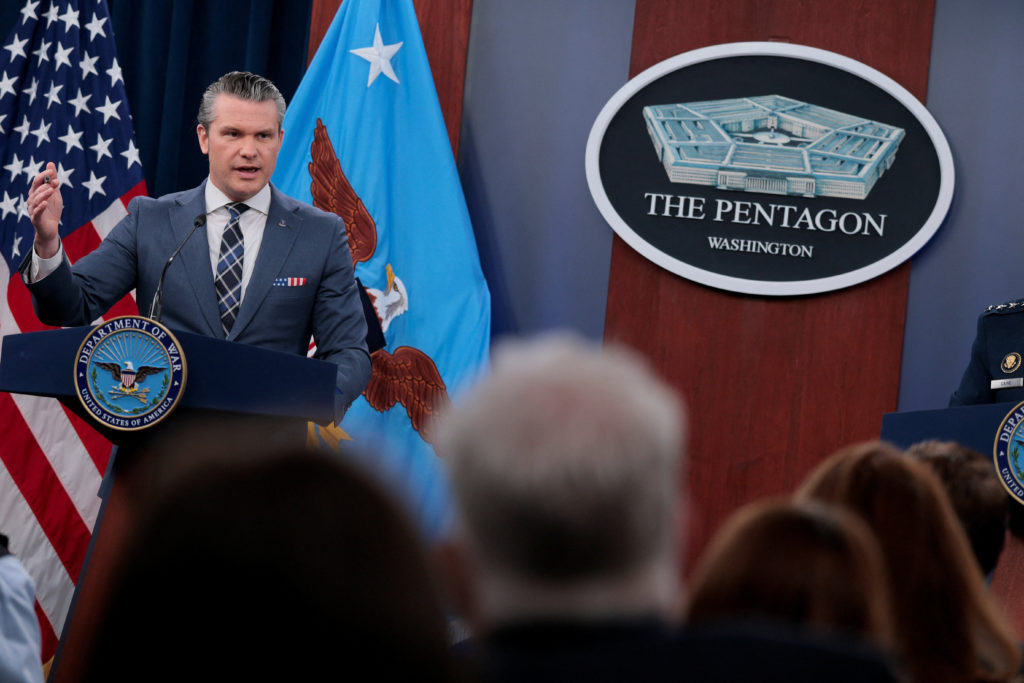
The combination of Iran’s Gulf attacks and the resignation of a top counterterrorism official represents a significant turning point in global security dynamics.
The global security threat alert reflects the seriousness of the situation, with implications extending far beyond the Middle East.
Observers emphasize that immediate and coordinated action will be necessary to prevent further escalation.
Key Takeaways
What’s Happening
- A global security threat alert is intensifying worldwide
- A top counterterrorism official resigns amid rising tensions
- Iran’s Gulf attacks signal a strategic shift
- Regional instability continues to expand
- Economic and energy risks are increasing
The global security threat alert underscores a rapidly evolving geopolitical crisis. The resignation highlights internal concerns within U.S. leadership, while escalating tensions point to a critical moment for global stability.
