

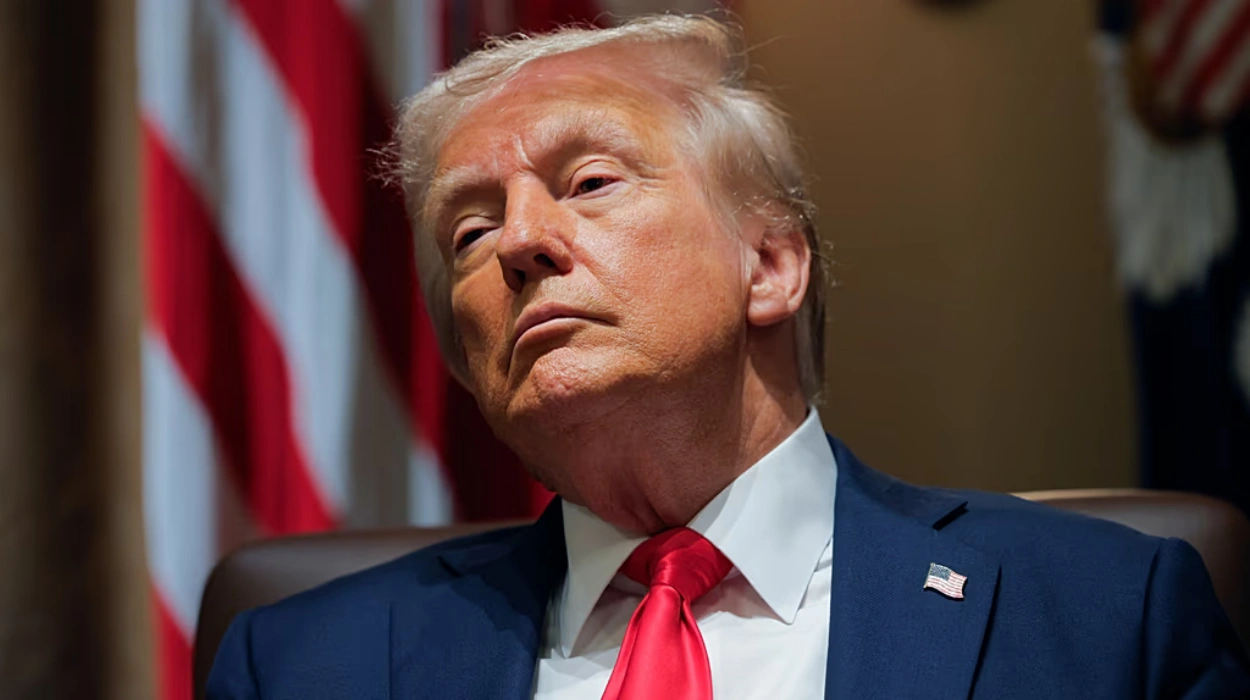
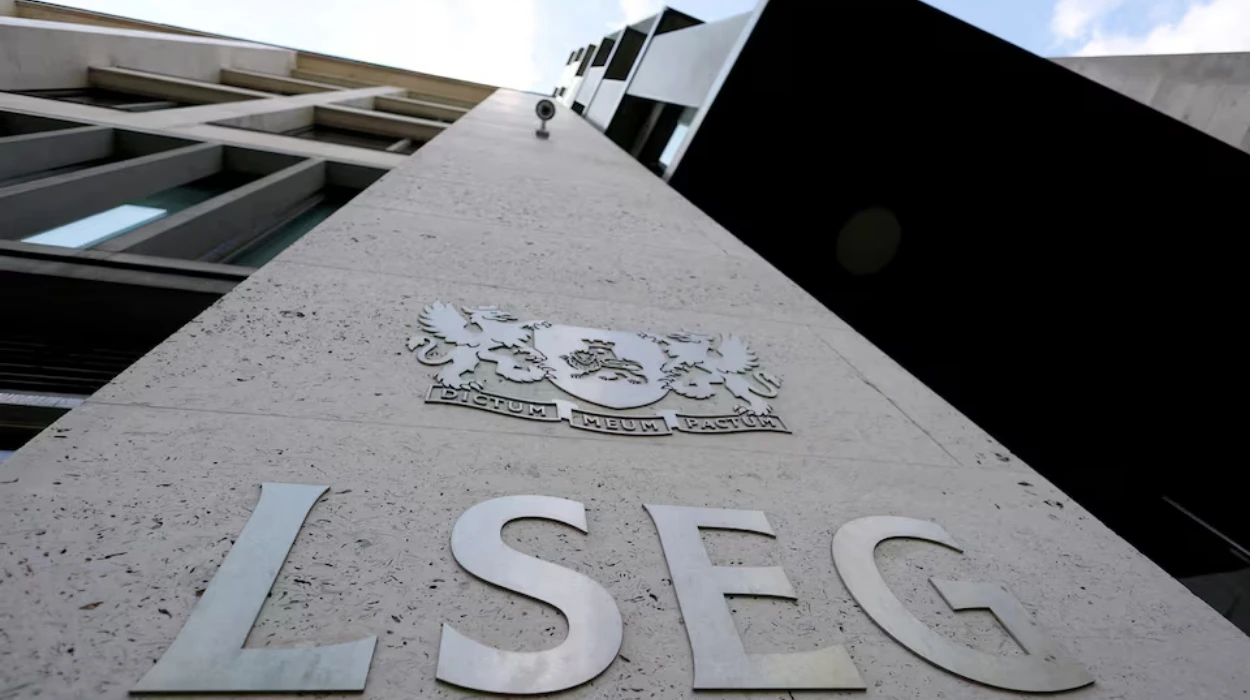
London (Parliament Politics Magazine) January 19, 2026 – Global stock markets have fallen following US President Donald Trump’s threats of 10% tariffs on goods from eight European countries unless they support his Greenland acquisition plans. The tariffs would start on 1 February and rise to 25% by 1 June, targeting Denmark, Norway, Sweden, France, Germany, the UK, the Netherlands, and Finland. UK Chancellor Rachel Reeves has withdrawn from a London Stock Exchange event as the FTSE 100 slipped.
European stock futures indicated sharp declines at the market open, with the Stoxx 50 down 1.51%, FTSE 100 futures off 0.48%, French Cac 40 poised to drop 2.1%, and German Dax set for a 1.35% fall. Asian markets showed mixed results, with Japan’s Nikkei 225 down 0.7% amid China’s 2025 GDP growth of 5%. Oil prices fell, Brent crude to $63.66 per barrel, while gold hit a record $4,689.39 per ounce.
The Guardian’s business live coverage, updated 23 minutes ago by Lauren Almeida, detailed the market reactions and Trump’s tariff announcement linking trade policy to geopolitical demands over Greenland. This development has reignited debates on transatlantic trade stability, with extensive coverage across financial news outlets confirming the immediate market turbulence.
Trump Announces Tariffs Tied to Greenland Acquisition Support
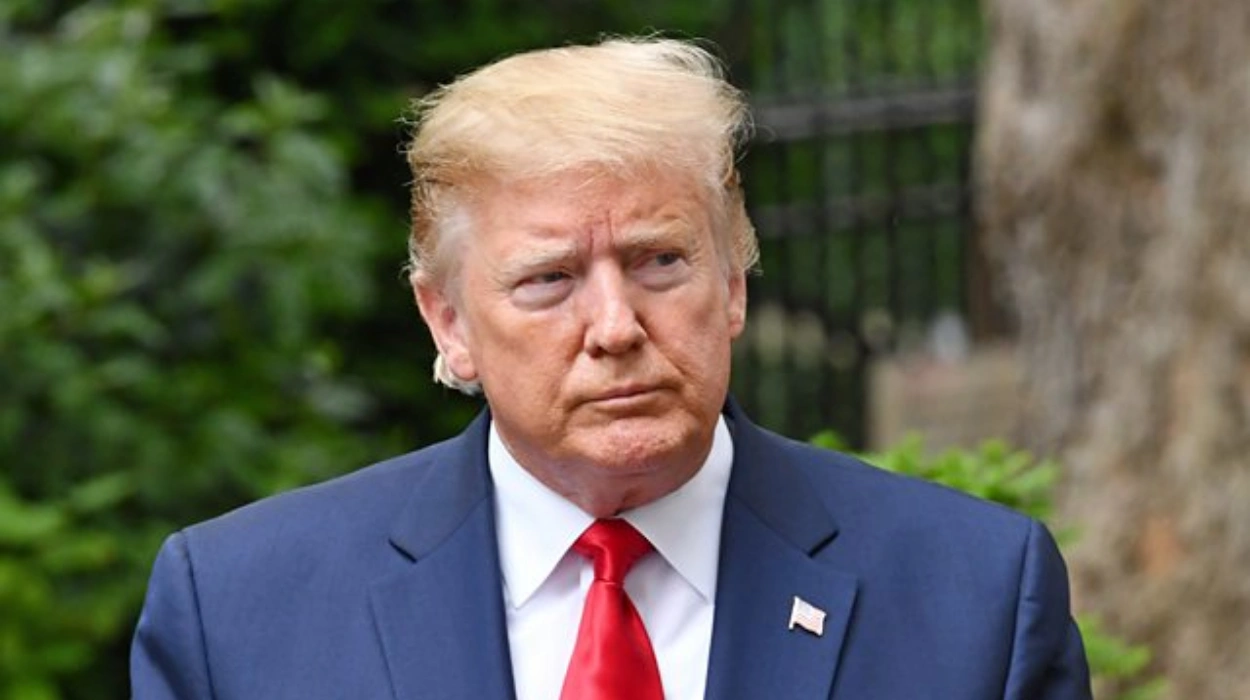
President Trump plans to impose 10% tariffs on imports from the specified European nations effective 1 February 2026, escalating to 25% on 1 June unless they back US efforts to acquire Greenland. The move revives tensions from 2025’s “Liberation Day” tariffs, which were later softened. Trump’s statements emphasise Greenland’s strategic importance to US security interests in the Arctic region.
As reported by Lauren Almeida of The Guardian, Trump linked the tariffs directly to Greenland in a policy statement covered extensively in the live blog at 07:47 GMT. European diplomats face pressure with an EU emergency summit scheduled for Thursday, per Politico sources cited in the coverage. Public discourse on social media has amplified concerns over the geopolitical ramifications.
Mac10 – @SuburbanDrone said in X post,
“Reset the S&P 500 crash clock to 0 days and no one’s counting. Trump is talking about invading Greenland now. He wants to acquire all new real estate ahead of the mid-term elections.”
Reset the S&P 500 crash clock to 0 days and no one’s counting.
Trump is talking about invading Greenland now.
He wants to acquire all new real estate ahead of the mid-term elections. pic.twitter.com/aaYiT7vmGC
— Mac10 (@SuburbanDrone) January 6, 2026
US markets remain closed for Martin Luther King Jr. Day, but futures point to a 1% drop on Tuesday. US Treasury Secretary Scott Bessent stated on NBC that a Supreme Court ruling expected tomorrow would uphold Trump’s use of the International Emergency Economic Powers Act (IEEPA) for tariffs. Bessent described the potential overturn as creating chaos, while Trump himself warned of a “complete mess” in prior social media remarks.
The tariffs target key export sectors across Europe, including automotive, pharmaceuticals, and luxury goods, which rely heavily on US market access. Historical data from 2025 shows similar measures disrupted supply chains, with Jaguar Land Rover pausing production in April after initial announcements.
Market Reactions Show European Indices Sliding Sharply
The FTSE 100 opened down 0.5%, with the Stoxx European 600 index falling 1.27%; German, French, Italian, and Spanish benchmarks all declined over 1%. European luxury stocks dropped, while car shares slid as investors braced for tariff impacts. Defence stocks provided a counterbalance, rising amid perceived escalation risks.
Gold reached $4,689.39 per ounce before trading at $4,668 up 1.6%; silver hit $94.08, now at $93.39 up 3.8%. UK gold miners led gains: Fresnillo up 4.16%, Endeavour Mining 2.1%. European defence stocks rose—Rheinmetall 3%, BAE Systems 2%, Leonardo 3%—amid heightened geopolitical risks. Kathleen Brooks of XTB noted these as top performers year-to-date, reflecting broader threat perceptions.
The Guardian live blog at 10.59 GMT by Mark Sweney noted the pound held at $1.34 against the dollar, up 0.17%, providing some buffer. Oil prices continued downward, with Brent crude down 0.73% to $63.66 and West Texas Intermediate off 0.61% to $59.08, signalling demand concerns tied to trade friction.
Investors have shifted towards safe-haven assets, with the US Dollar index down 0.23%. Dan Coatsworth of AJ Bell highlighted risks of cumulative 1-1.5% daily declines building into significant trouble over weeks.
Economic Warnings Highlight UK Recession Risks from Tariffs
Economists at Capital Economics, cited by Paul Dales in The Guardian at 12.14 GMT, warned UK GDP could shrink 0.3%-0.75% from escalated tariffs, potentially triggering recession given quarterly growth of 0.2-0.3%. Goldman Sachs offered a milder view at 12.52 GMT: 0.1%-0.2% GDP hit for affected nations, rising to 0.25-0.5% at 25% tariffs.
Sven Jari Stehn of Goldman Sachs estimated Germany’s hit at 0.2%-0.3%, euro area 0.1%, similar to the UK. These impacts compound a 0.4% drag from prior 2025 tariffs. UK and Germany rank most exposed due to export reliance. Deutsche Bank’s Jim Reid observed markets may influence resolution, citing US twin deficits and low domestic support—only 17% of Americans back Greenland acquisition per Reuters/Ipsos, 47% opposed.
Online commentators have framed the Greenland focus as a trigger for broader market instability. Gandalv provided a detailed assessment of potential systemic fallout.
Gandalv – @Microinteracti1 said in X post,
“Trump says U.S. ‘absolutely needs’ Greenland Trump saying the US “absolutely needs” Greenland is not just reckless rhetoric. It is a warning signal. If the United States even attempts to coerce or annex territory from a NATO ally, it would trigger one of the most severe self inflicted economic shocks in modern American history. This is why it is genuinely frightening. The moment the US crosses that line allies would immediately reassess exposure to the dollar, US debt, and American markets. Treasury yields would spike as foreign buyers pull back. The dollar’s reserve status would be replaced because the US would have proven it is no longer a predictable rules based actor. Sanctions would not be symbolic. Europe, Canada, and others would be forced to respond economically. Supply chains would fracture. Defense cooperation would freeze. US companies would face retaliation, regulatory barriers, and capital flight. Insurance, shipping, and energy markets would price in permanent geopolitical risk tied specifically to the United States. And here’s the part MAGA strategists do not understand: America’s economic power is based on intimidation. That borders matter. That alliances matter. Break that, and the US does not become stronger. It becomes radioactive. Annexation talk is not “strength.” It is the geopolitical equivalent of lighting a match in a room full of gasoline. The fire would not start in Greenland. It would start in bond markets, currency markets, and global trade. And once that confidence is gone, no amount of flags or slogans will bring it back. Stay connected, Follow Gandalv @Microinteracti1.”
Trump says U.S. ‘absolutely needs’ Greenland
Trump saying the US “absolutely needs” Greenland is not just reckless rhetoric. It is a warning signal. If the United States even attempts to coerce or annex territory from a NATO ally, it would trigger one of the most severe self… pic.twitter.com/504ud7OLbc
— Gandalv (@Microinteracti1) January 4, 2026
Such views echo economist concerns over confidence effects amplifying direct tariff costs.
UK Leaders and Business Groups Urge Diplomatic Response
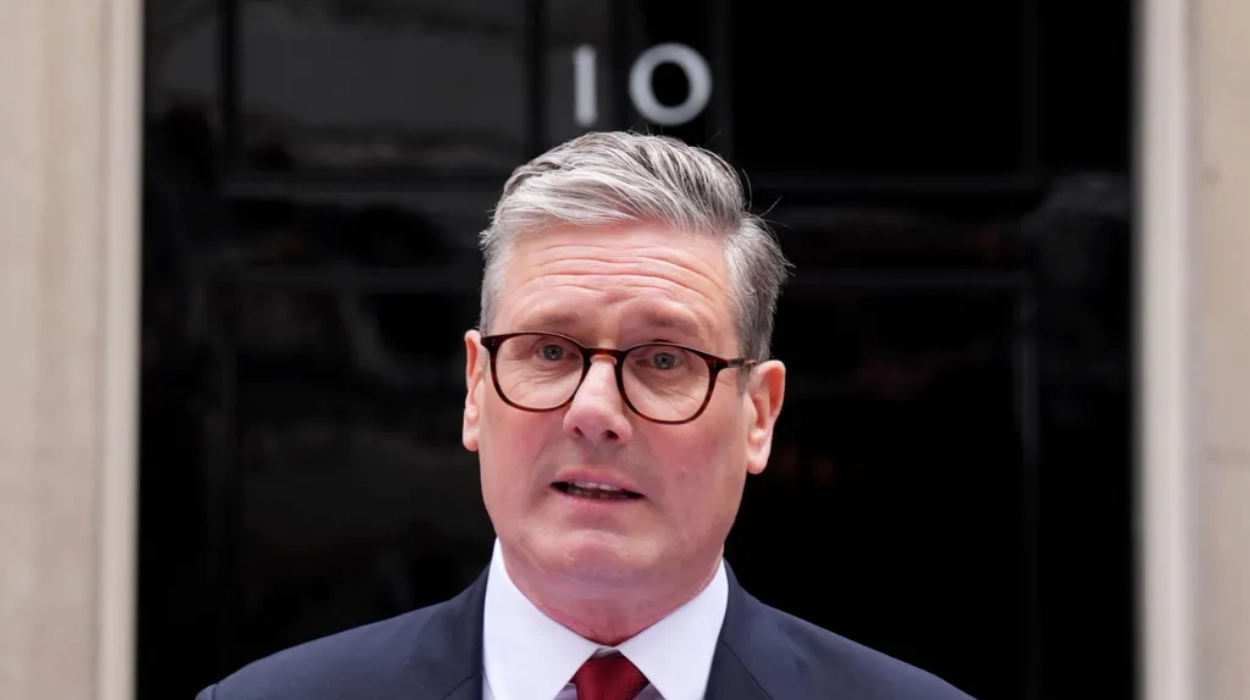
Prime Minister Keir Starmer stated at a 09:50 GMT press conference that a tariff war serves “nobody’s interest,” advocating a “pragmatic, sensible, sustained way through” to avoid serious consequences. The Guardian covered Starmer ruling out immediate retaliation, directing efforts towards dialogue.
TUC General Secretary Paul Nowak warned at 10.39 GMT that tariffs would deliver a “wrecking ball” to British manufacturing, urging closer EU ties. UK business lobbies echoed calls for restraint: Make UK’s Richard Rumbelow sought “cool heads” and trade diplomacy on BBC Radio 4; CBI’s Sean McGuire stressed dialogue for UK-US economic benefits.
FSB’s Tina McKenzie noted small exporters face added instability. BritishAmerican Business CEO Duncan Edwards called Greenland-linked tariffs “a step too far” at 12.29 GMT, arguing no justification exists beyond reciprocal trade imbalances. Rumbelow highlighted transit risks, with goods en route by February 1 facing immediate levies.
Chancellor Reeves withdrew from an LSE event amid FTSE falls but plans to hail a “new golden age” for the City with new IPO rules reducing paperwork, effective today. Advance extracts quote Reeves:
“Two years ago, some said the City’s best days were behind it. They were wrong… first signs of a new golden age.”
EU Considers Retaliatory Measures Including €93bn Tariffs
The EU explores activating its €93bn retaliatory tariffs prepared for 2025 threats, alongside the anti-coercion instrument (ACI). French President Macron pushed ACI use, though processes take months. EU ambassadors discussed options last night, per reports.
Comité Européen des Entreprises Vins’ Dr Ignacio Sánchez Recarte stated at 12.01 GMT that tariffs disrupt the US market, accounting for 29% of EU wine exports, urging dialogue over escalation. EU winemakers face compounded pressures from prior volatility.
Broader Global and Sector Impacts from Tariff Tensions
IMF warnings at 04:00 GMT highlight tariffs and geopolitics threatening global growth. New UK Listing Rules today simplify prospectuses and listings to attract firms, countering external pressures. Jaguar Land Rover paused production in April 2025 over prior tariffs, illustrating manufacturing vulnerabilities.
US Supreme Court ruling tomorrow could challenge IEEPA use; Trump warned of a “complete mess” if struck down. Bessent predicted support, avoiding chaos. European winemakers, manufacturers, and exporters monitor Davos summit where world leaders gather.
Defence sector gains reflect NATO-related anxieties, with Rheinmetall up over 20% year-to-date. Gold’s surge underscores haven demand, with London miners outperforming broader indices. Market participants await EU summit outcomes and Supreme Court decision, which could reshape trade dynamics.
The tariff timeline—10% from February 1, 25% by June 1—pressures exporters to front-load shipments. Historical precedents from 2025 show softened implementations after market backlash, suggesting similar paths. Yet immediate futures signal sustained volatility.
UK GDP forecasts now incorporate tariff scenarios, with Capital Economics modelling phased impacts over quarters. Goldman emphasises rerouting via unaffected EU states as mitigation. Transatlantic business groups advocate de-escalation to preserve mutual economic ties.
Davos discussions will feature prominently, with world leaders addressing tariff war risks alongside Ukraine support needs. Reeves’ City agenda persists despite withdrawals, underscoring domestic resilience efforts.