
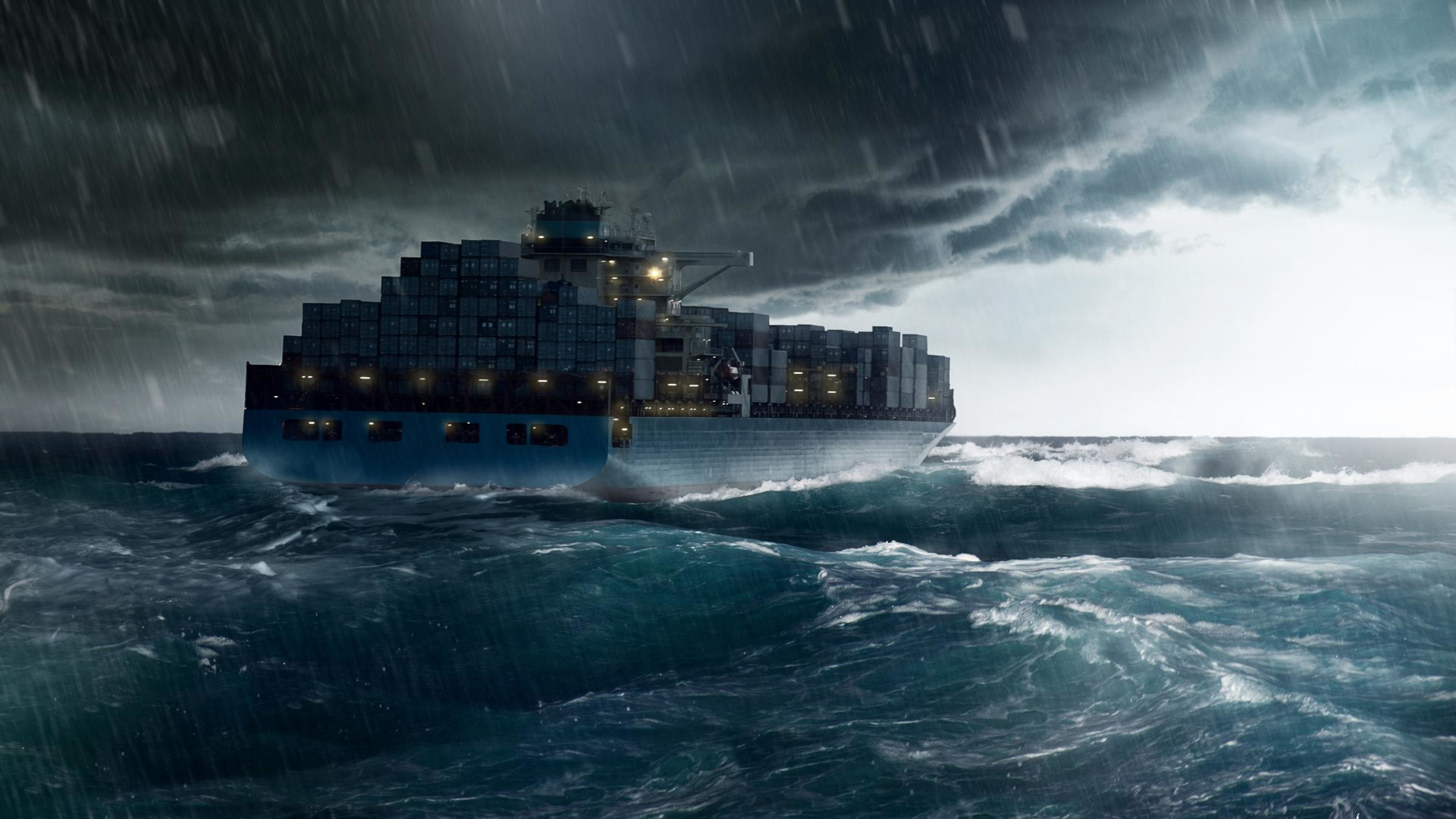
Global trade disruption intensifies in 2026 as shipping companies reroute vessels following strikes on Iran.
London markets react to rising freight costs, insurance premiums, and energy price volatility.
Longer shipping routes around Africa signal growing pressure on global supply chains.
London, United Kingdom – March 2, 2026, According to Parliament News, that London financial markets and maritime authorities are closely tracking developments as global trade disruption spreads following regional instability linked to recent strikes on Iran. Shipping companies have begun rerouting vessels away from high risk corridors, triggering longer transit times and renewed volatility across energy and commodity markets.
The unfolding situation underscores how rapidly geopolitical tensions can influence global supply chains. With Europe heavily dependent on imported energy and manufactured goods, global trade disruption is emerging as a defining economic theme of 2026.
Shipping Routes Shift Under Heightened Security Concerns
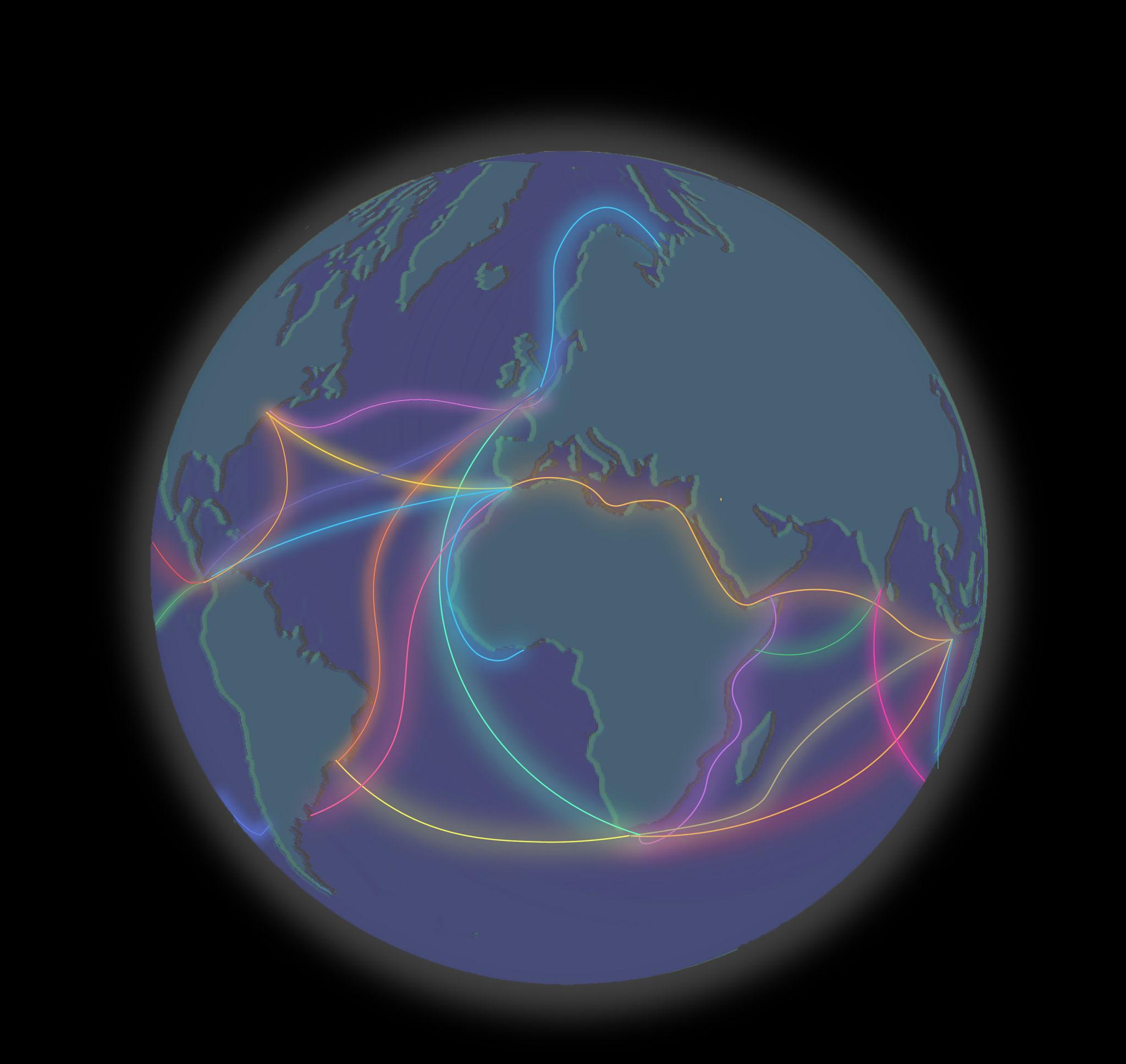
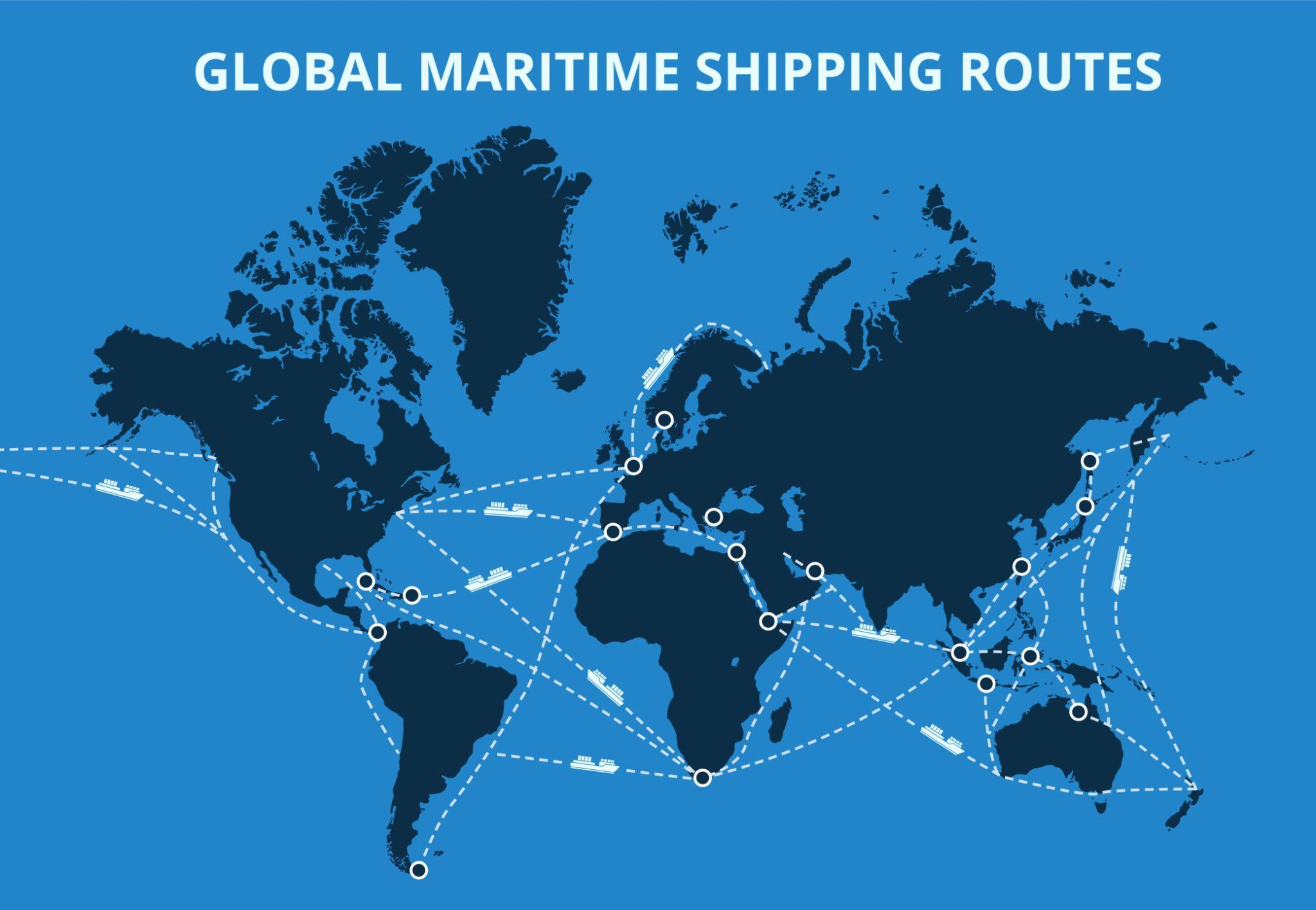
Maritime operators have redirected vessels from areas considered vulnerable to escalation, including strategic waterways that serve as arteries for oil and container traffic. Alternative passages, such as routes around the Cape of Good Hope, are now absorbing additional shipping volume.
While rerouting enhances safety, it also increases voyage distance by thousands of nautical miles. The added travel time affects fleet rotation schedules and raises fuel consumption. These logistical adjustments are contributing to global trade disruption, particularly in Europe where ports are recalibrating arrival timetables.
Industry analysts in London report that carriers are acting preemptively rather than reactively. The goal is to prevent operational shocks should conditions deteriorate further. This strategic caution reflects lessons learned from prior crises in key maritime corridors.
Insurance Markets Drive Operational Decisions
Insurance firms play a central role in maritime logistics. When perceived risk increases, war risk premiums and liability assessments are recalculated. Shipping operators must weigh higher insurance costs against potential exposure in volatile waters.
Recent premium adjustments have accelerated rerouting decisions. Maritime brokers in London confirm that some insurers have issued updated advisories, influencing contractual obligations between shipowners and charterers.
This recalibration contributes directly to global trade disruption because insurance surcharges translate into higher freight rates. Even marginal increases per container can ripple across supply chains that depend on high volume shipments.
Energy Markets Feel Immediate Pressure
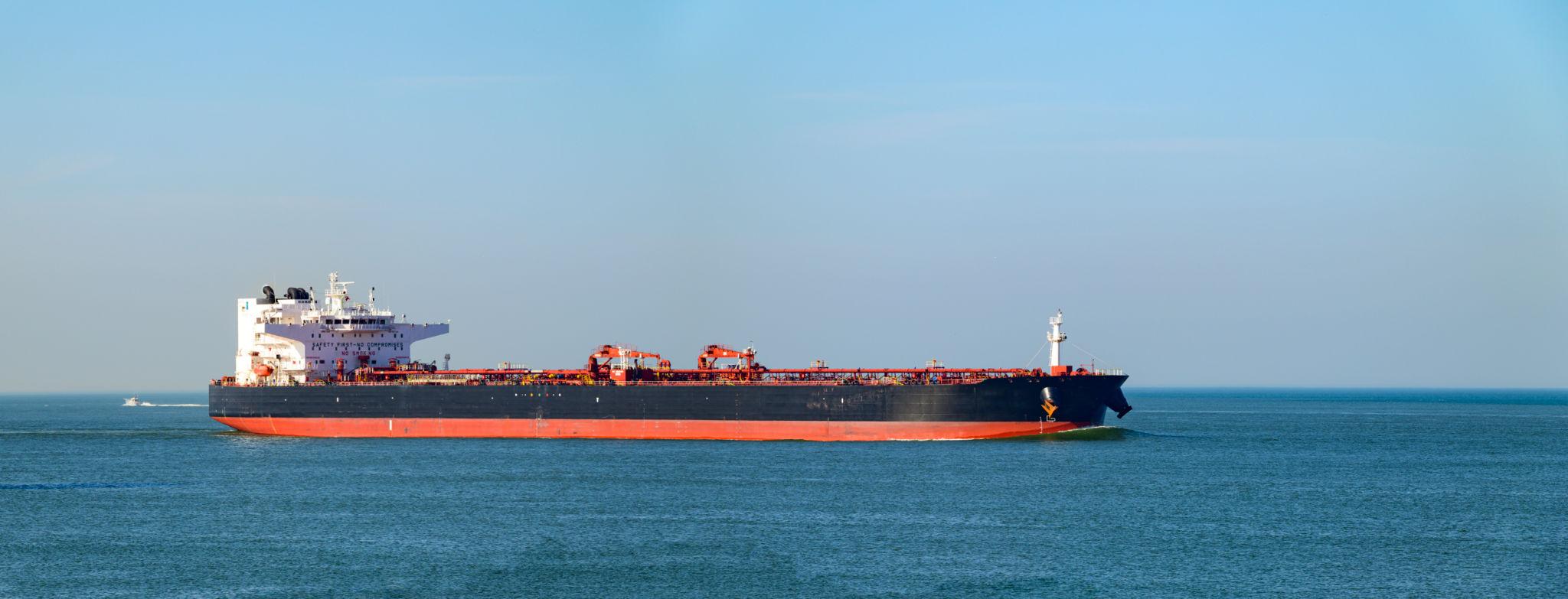
Energy flows are particularly sensitive to instability in the Middle East. Oil and liquefied natural gas shipments rely heavily on uninterrupted maritime transit. Although production levels remain stable, extended shipping distances affect delivery timing and transportation costs.
London based energy traders observed moderate volatility in crude benchmarks as markets digested the implications of global trade disruption. The added fuel expense associated with rerouted tankers increases per barrel shipping costs, which can influence wholesale pricing structures.
European policymakers are monitoring storage levels and supply buffers. While inventories remain sufficient, sustained rerouting could tighten delivery cycles if compounded by seasonal demand shifts.
Container Trade and Retail Supply Chains
Beyond energy markets, consumer goods logistics are adjusting to longer maritime journeys. Electronics, textiles, machinery parts, and food products transported between Asia and Europe face revised delivery schedules.
Retailers dependent on just in time inventory systems must adjust procurement strategies. Freight forwarders are advising clients to anticipate potential delays and to increase communication with suppliers. These operational shifts reinforce the broader pattern of global trade disruption affecting everyday commerce.
Ports such as Rotterdam, Hamburg, and Felixstowe are coordinating revised docking windows to prevent congestion as arrival patterns change. Even minor scheduling inconsistencies can accumulate when vessel frequency is high.
Financial Markets React With Measured Caution
Equity markets in London demonstrated mixed movements as investors evaluated the economic implications of extended shipping routes. Logistics and shipping shares showed modest gains amid expectations of higher freight revenue, while manufacturing stocks reflected cautious outlooks due to rising input costs.
Currency markets also responded to the shifting trade environment. Analysts monitor how global trade disruption may affect exchange rate stability, especially for economies reliant on imported fuel.
Despite these fluctuations, central banks have not indicated immediate policy intervention. Economic fundamentals remain stable, though inflation monitoring has intensified in light of transport cost adjustments.
European Economic Implications
European industry relies extensively on maritime imports. Automotive production, industrial manufacturing, and consumer electronics sectors depend on predictable supply lines. Extended voyage durations may influence production planning, particularly if delays overlap with peak demand cycles.
Economic forecasters in London suggest that global trade disruption could add incremental cost pressures rather than systemic breakdown. However, prolonged uncertainty may encourage businesses to diversify sourcing and explore nearshoring alternatives.
Government agencies across the European Union are engaging with port authorities and trade associations to maintain transparency and coordination.
Strategic Value of Maritime Corridors
International shipping lanes serve as critical connectors between continents. The Strait of Hormuz and adjacent waterways facilitate a significant share of global oil exports. When navigation through these areas becomes uncertain, alternative routes must absorb additional capacity.
Modern fleet management systems enable real time course adjustments, improving responsiveness. Nonetheless, global trade disruption highlights the fragility of concentrated trade routes and the economic consequences of geopolitical tension.
Maritime security cooperation among allied nations remains active, offering reassurance to operators. Yet precautionary rerouting demonstrates that risk tolerance remains limited.
Supply Chain Resilience in Focus
The events of 2026 are prompting renewed focus on supply chain resilience. Many corporations previously expanded warehousing capacity after earlier crises, and those investments are now mitigating immediate shocks.
Digital tracking systems, predictive analytics, and diversified supplier networks provide flexibility. Even so, global trade disruption underscores the reality that physical geography and geopolitics remain central to economic continuity.
Businesses are reassessing contingency frameworks, exploring alternative sourcing regions, and strengthening contractual clauses that address force majeure scenarios.
Historic Comparison With Past Maritime Crises
A historical comparison illustrates how global trade disruption has evolved over time. During the Suez Canal blockage in 2021 and earlier regional conflicts, shipping routes were temporarily redirected around Africa, producing similar increases in freight costs and transit times. However, the scale of global trade in 2026 is significantly larger, magnifying the economic impact of rerouting decisions.
Unlike earlier eras when communication delays slowed response times, modern logistics networks adapt almost instantly. The current episode demonstrates both continuity and change: the oceans remain essential highways of commerce, yet the speed at which markets react reflects a far more interconnected world.
Diplomatic Engagement and Risk Outlook
Diplomatic channels remain active as international leaders work to stabilize regional tensions. Maritime stability is widely recognized as a shared global interest that transcends political divisions.
Analysts suggest that if tensions deescalate, shipping patterns could normalize relatively quickly. Conversely, prolonged uncertainty would extend global trade disruption, reinforcing elevated freight rates and sustained market volatility.
Industry associations emphasize preparedness and collaboration rather than alarm. Shipping alliances continue coordinating route adjustments and sharing intelligence to ensure safe passage.
Consumer Impact and Price Transmission
For households, the effects of global trade disruption may appear gradually. Transportation costs represent one component of overall product pricing, and businesses often absorb short term fluctuations before passing them on.
Energy prices are typically the most visible indicator. Fuel cost adjustments influence transportation, heating, and manufacturing expenses across multiple sectors.
Retailers are carefully balancing pricing strategies to maintain competitiveness while covering higher logistical expenses.
Technological Adaptation in Modern Shipping
Advanced navigation systems, satellite monitoring, and predictive weather modeling enhance operational resilience. These tools enable shipping companies to adjust routes with minimal delay.
Artificial intelligence driven logistics platforms optimize cargo allocation and scheduling, reducing inefficiencies. Although global trade disruption presents challenges, technology helps contain systemic risk.
Maritime analytics firms in London report increased demand for risk assessment services, reflecting the heightened importance of real time intelligence.
Long Term Structural Shifts
The current environment may accelerate structural changes in global trade architecture. Nearshoring and regional manufacturing hubs could gain momentum as businesses seek to shorten supply chains.
Infrastructure investment in secondary ports may also expand to distribute shipping volume more evenly. Policymakers recognize that overreliance on narrow maritime corridors heightens vulnerability.
While global trade disruption remains a temporary condition, its influence on strategic planning could endure well beyond 2026.
Industry Perspective
One senior maritime executive in London summarized the prevailing outlook:
“Global trade disruption reminds us that secure sea lanes are fundamental to economic stability, and adaptability is our most valuable asset.”
The statement reflects industry confidence that coordinated action and flexible routing can sustain commerce even under pressure.
The Interconnected Future of Ocean Commerce
As 2026 unfolds, global trade disruption stands as both a warning and a demonstration of resilience. Shipping networks continue functioning despite extended routes and rising costs.
Markets remain sensitive yet orderly. Governments and industry leaders are collaborating to ensure that essential goods, energy supplies, and consumer products reach their destinations.
The episode reinforces a central reality of modern economics: maritime connectivity underpins global prosperity. When sea lanes encounter uncertainty, the effects travel swiftly across continents.
While the duration of current tensions remains uncertain, the shipping industry’s coordinated response highlights the adaptability of global commerce. Stability may return, but the lessons of this period will shape risk management strategies for years to come.