

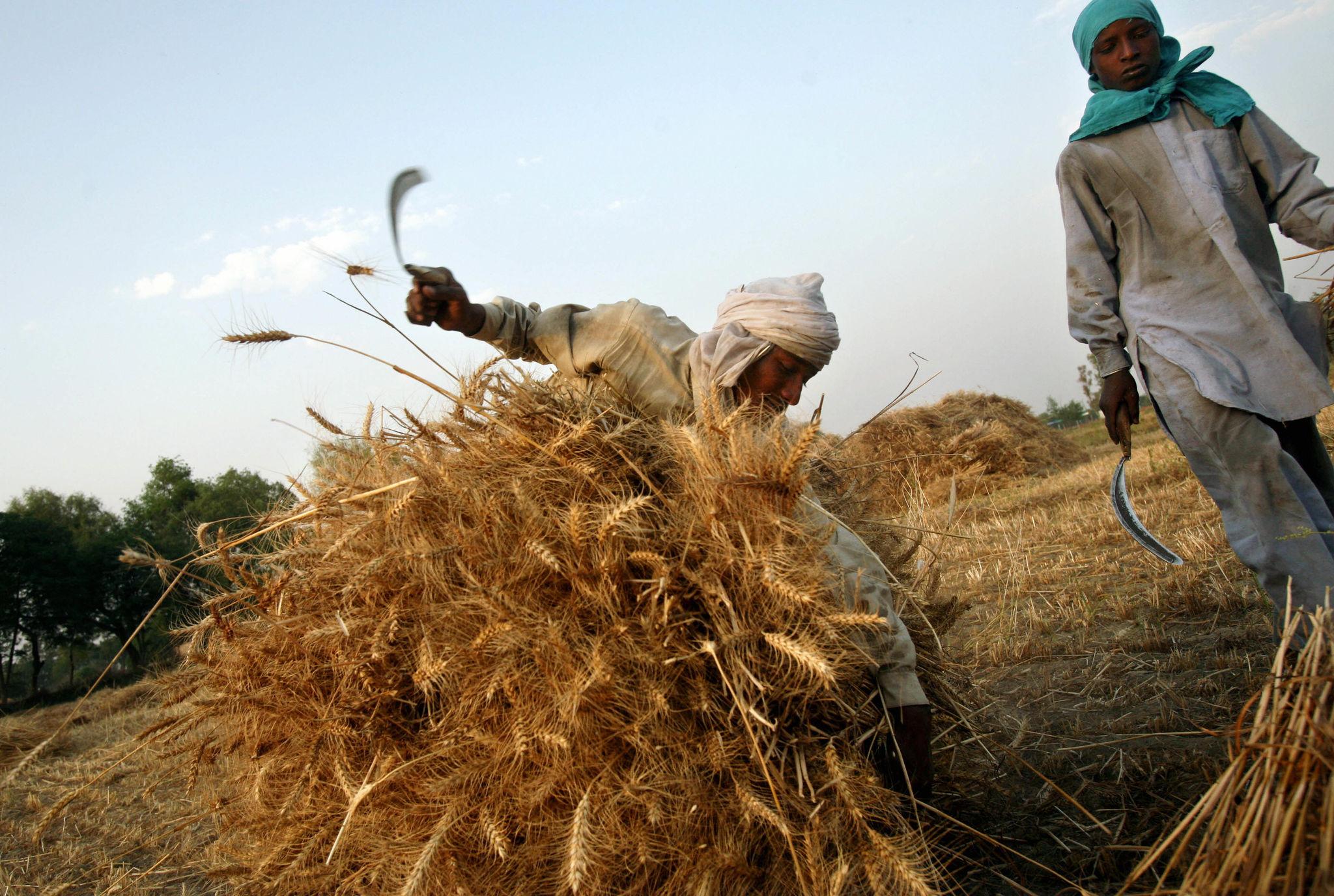
NEW DELHI, India, April 25, 2026 (Parliament Politics Magazine) Global wheat supply outlook is showing signs of tightening as SEO Optimized Image Alt Text and Filename Table with keyword projected wheat production of 110.65 million tons comes in below earlier government expectations, raising concerns across domestic and international markets.
The development is drawing attention from policymakers, traders, and global agricultural analysts, as India plays a critical role in the balance of global grain supply. While the shortfall is not severe, it is significant enough to influence pricing trends, export strategies, and food security planning in multiple regions.
India’s wheat production has long been a cornerstone of its agricultural economy and a stabilizing factor in global markets. However, recent shifts in weather patterns and production challenges are now altering expectations and contributing to a more cautious global wheat supply outlook.
India’s Revised Output Signals Market Adjustment
The latest projection places India’s wheat production at 110.65 million tons, slightly below earlier estimates that anticipated record output. This revision reflects a combination of environmental and structural factors impacting crop yields.
The implications are already being felt across agricultural markets, where traders are adjusting forecasts and pricing expectations.
“Even a marginal decline in India’s wheat production can influence global sentiment due to its scale,”
said a commodities analyst.
The adjustment reinforces concerns about the global wheat supply outlook, particularly as markets remain sensitive to supply fluctuations.
Weather Disruptions Impact Crop Performance
Weather conditions have played a decisive role in shaping this year’s wheat harvest.
Key challenges include:
- Early heatwaves during grain formation
- Rising temperatures affecting yield quality
- Uneven rainfall across key producing regions
These factors have reduced output potential and introduced variability across different states.
The sensitivity of wheat crops to climate conditions makes weather volatility a critical component of the global wheat supply outlook, especially in major producing nations like India.
Regional Production Variations Add Complexity
India’s wheat output is concentrated in major agricultural states such as Punjab, Haryana, and Uttar Pradesh.
While some regions reported stable yields, others experienced declines due to adverse weather and soil conditions.
This uneven performance complicates national production estimates and creates uncertainty for policymakers and market participants.
Regional variability continues to shape the global wheat supply outlook, highlighting the importance of localized agricultural resilience.
Domestic Demand Pressures Remain Strong
India’s large population ensures consistently high demand for wheat.
The lower production estimate is raising concerns about maintaining adequate supply levels for domestic consumption.
Government programs, including public distribution systems, depend heavily on stable wheat production.
Any imbalance between supply and demand could lead to:
- Increased procurement efforts
- Policy adjustments
- Price stabilization measures
These factors are central to understanding the evolving global wheat supply outlook.
Government Policy Response Under Review
Authorities are closely monitoring the situation and evaluating potential policy responses.
Options under consideration include:
- Restricting exports to protect domestic supply
- Increasing buffer stock procurement
- Adjusting minimum support prices
Such measures aim to ensure stability in the face of production uncertainty.
Policy decisions in India can have a direct impact on the global wheat supply outlook, influencing trade flows and market sentiment.
Global Market Reactions and Trade Implications
International markets are reacting cautiously to the revised production estimate.
A reduction in India’s wheat output could limit export availability, affecting global supply chains.
Countries dependent on wheat imports may face increased competition for available supplies.
“Global markets are highly sensitive to changes in major producers like India,”
noted an international trade expert.
This sensitivity underscores the interconnected nature of the global wheat supply outlook.
Supply Chain and Logistics Challenges
Beyond production, supply chain dynamics play a crucial role in wheat distribution.
Challenges include:
- Transportation bottlenecks
- Storage limitations
- Export logistics constraints
Efficient supply chain management is essential to mitigate the impact of reduced output.
These factors contribute to broader uncertainty in the global wheat supply outlook, particularly in times of fluctuating production.
Historical Context of Global Wheat Supply
Historically, global wheat supply has been influenced by a combination of weather patterns, geopolitical events, and technological advancements.
India has consistently been among the top producers, contributing significantly to global stability.
However, periodic disruptions have demonstrated how quickly supply conditions can change.
The current situation reflects a familiar pattern where environmental factors play a dominant role in shaping the global wheat supply outlook.
Agricultural Innovation and Future Resilience
Efforts to improve agricultural productivity are ongoing.
Key areas of focus include:
- Development of heat-resistant crop varieties
- Expansion of irrigation infrastructure
- Adoption of precision farming technologies
These initiatives aim to enhance resilience and reduce vulnerability to climate-related disruptions.
Innovation will be critical in strengthening the global wheat supply outlook in the years ahead.
Food Security Concerns Gain Attention
Wheat is a staple food for billions of people worldwide.
Ensuring a stable supply is essential for maintaining food security, particularly in developing countries.
Any disruption in production can have far-reaching consequences, including:
- Rising food prices
- Increased import dependency
- Strain on government resources
The current scenario highlights the importance of maintaining balance within the global wheat supply outlook.
Market Sentiment Reflects Cautious Optimism
Despite the challenges, market sentiment remains cautiously optimistic.
The production shortfall is relatively moderate, and there is potential for recovery in future seasons if weather conditions improve.
However, uncertainty remains a key factor influencing decisions across the agricultural sector.
Key Takeaways
The global wheat supply outlook is tightening as India’s wheat production is projected at 110.65 million tons, below earlier expectations.
Weather disruptions, regional variations, and strong domestic demand are key factors driving the shift.
Global markets are responding cautiously, with potential implications for trade, pricing, and food security.
While the situation remains manageable, continued monitoring and policy adjustments will be essential in maintaining stability.