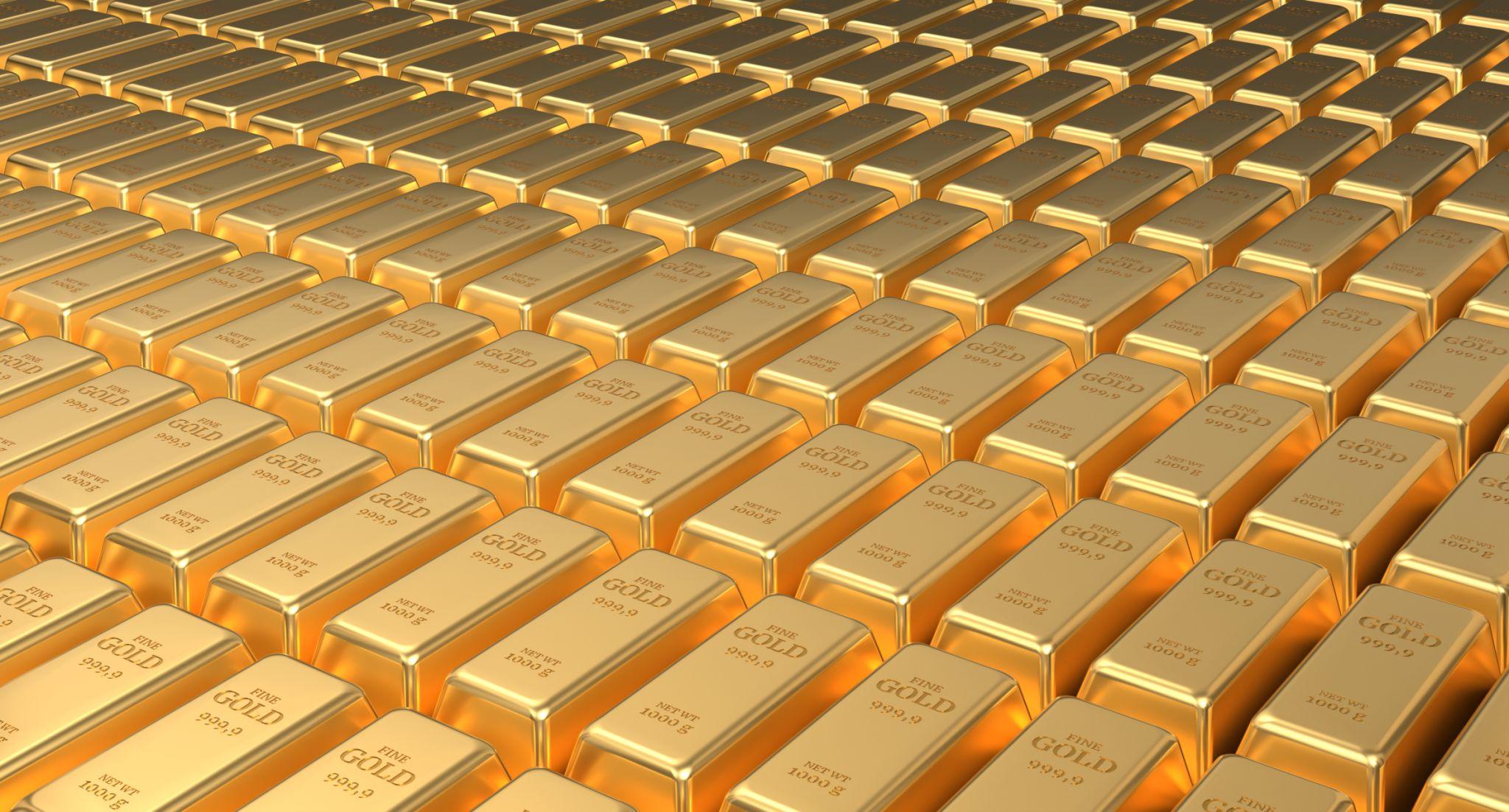
New York, United States — February 13, 2026 — According to Parliament News, that Gold market volatility has intensified in New York throughout 2026 as investors react to inflation signals, central bank messaging, and global economic uncertainty. Analysts report expanded trading ranges and higher volume across futures exchanges, underscoring how rapidly sentiment can shift within the precious metals sector.
Market participants describe the current environment as reactive and data driven. As economic reports are released, price movements occur within minutes, reflecting both algorithmic trading systems and institutional portfolio adjustments. The acceleration of gold market volatility highlights gold’s dual identity as both defensive asset and speculative instrument.
Inflation Pressures and Monetary Policy
Recent inflation data remains central to price direction. Consumer price reports and producer cost indicators have delivered mixed readings, leaving traders divided about the path of interest rates.
Gold market volatility often increases when inflation surprises the market. Stronger than expected inflation can raise expectations of tighter monetary policy, while softer readings may spark optimism about easing measures.
Interest rates affect the opportunity cost of holding non yielding assets such as gold. When bond yields climb, bullion may face headwinds. Conversely, falling yields often provide support. This delicate balance has contributed to heightened fluctuations in 2026 trading sessions.
Federal Reserve Signals and Investor Response
Statements from policymakers are closely analyzed for subtle shifts in tone. Even minor wording changes in official communications can trigger immediate repositioning among investors.
Gold market volatility has reflected these rapid reassessments. Traders frequently recalibrate exposure ahead of Federal Reserve meetings, anticipating potential guidance on inflation containment strategies.
Short term movements can be sharp, yet longer term trends often depend on sustained policy direction rather than isolated comments.
Safe Haven Demand During Uncertainty
Geopolitical developments and financial instability continue to influence asset allocation strategies. Gold’s reputation as a store of value during turbulent periods remains intact.
Gold market volatility often accompanies spikes in safe haven demand. When equity markets experience abrupt declines or geopolitical risks escalate, inflows into precious metals typically increase.
Institutional funds and retail investors alike view gold as a portfolio diversifier. Exchange traded products backed by physical bullion have recorded variable flows depending on sentiment shifts.
Technical Trading Patterns
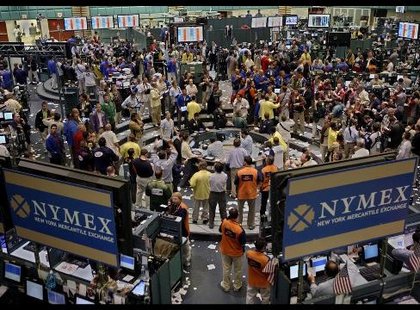
Technical analysts emphasize support and resistance levels when evaluating price momentum. Breakouts above or below key thresholds can prompt automated trading strategies.
Gold market volatility has expanded intraday ranges, drawing attention from short term traders seeking to capitalize on rapid swings. Options markets also reflect elevated implied volatility levels.
Momentum indicators and moving averages are frequently referenced to determine whether rallies or pullbacks may extend.
Currency Dynamics and Dollar Strength
The US dollar remains a major influence on bullion prices. When the dollar strengthens, gold may face downward pressure due to relative pricing dynamics in international markets.
Gold market volatility tends to increase during abrupt currency movements. Shifts in foreign exchange markets can amplify commodity price changes, particularly when combined with macroeconomic catalysts.
Investors monitor Treasury yields alongside currency trends to assess potential directional bias.
Central Bank Activity
Central banks continue to diversify reserves by adding gold holdings. These purchases provide structural support that can counterbalance short term speculative activity.
Gold market volatility occurs within this broader context of strategic accumulation. While daily swings may appear dramatic, underlying demand from official institutions reinforces long term stability.
Reserve diversification reflects caution toward global debt expansion and currency fluctuations.
Mining Sector Reaction
Gold mining equities often mirror bullion price changes, sometimes with greater magnitude due to operational leverage.
Gold market volatility influences share prices of major producers and exploration companies. Rising bullion prices can improve revenue outlooks, while sharp declines may pressure margins.
Investors seeking exposure to gold frequently balance holdings between physical metal and mining stocks.
Global Economic Conditions
Economic growth forecasts play a role in shaping sentiment. Slower growth may encourage accommodative policy expectations, potentially supporting gold.
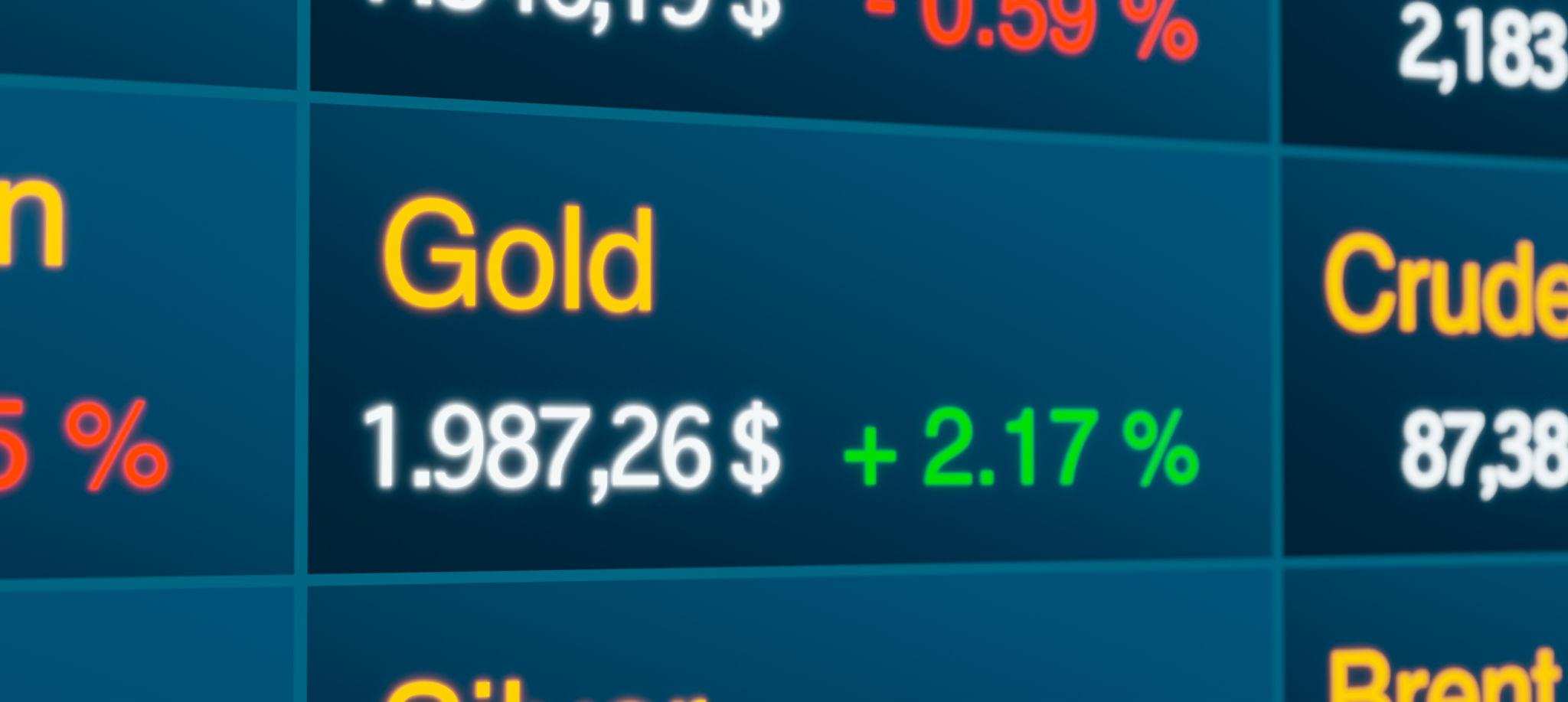
Gold market volatility has reflected shifting economic projections throughout 2026. International trade developments and energy price movements add further complexity.
The interconnected global economy ensures that developments in one region can quickly affect commodity markets elsewhere.
The Evolution of Gold Cycles
Past decades provide useful context for understanding current movements. During the inflationary environment of the 1970s, gold experienced dramatic appreciation as investors sought protection against currency erosion.
In contrast, the early 2000s witnessed steady gains amid geopolitical tensions and monetary easing. The global financial crisis further underscored gold’s role as a stabilizing asset.
Gold market volatility today differs from earlier eras due to the speed of information dissemination and algorithmic trading participation. While historical patterns offer perspective, modern markets react with unprecedented immediacy.
Market Psychology and Behavioral Factors
Investor sentiment significantly influences short term price behavior. Fear and optimism often shift rapidly, creating pronounced swings.
Gold market volatility is partly rooted in collective psychology. News headlines, analyst commentary, and social media discussions can accelerate directional momentum.
Behavioral finance theories highlight how herd behavior and risk perception amplify market movements.
One Market Voice
A senior commodities analyst commented,
“The market is navigating a delicate balance between inflation anxiety and policy uncertainty, and that tension is fueling heightened activity in precious metals.”
This observation encapsulates the dynamics currently shaping price action.
Portfolio Strategy and Risk Management
Financial advisors recommend diversified allocation strategies to mitigate risk. Exposure to gold may serve as a hedge against broader market downturns.
Gold market volatility underscores the need for disciplined planning rather than reactive trading. Long term investors often focus on gradual accumulation rather than attempting to time short term fluctuations.
Risk management tools, including stop loss orders and position sizing, are widely employed.
Economic Ripple Effects
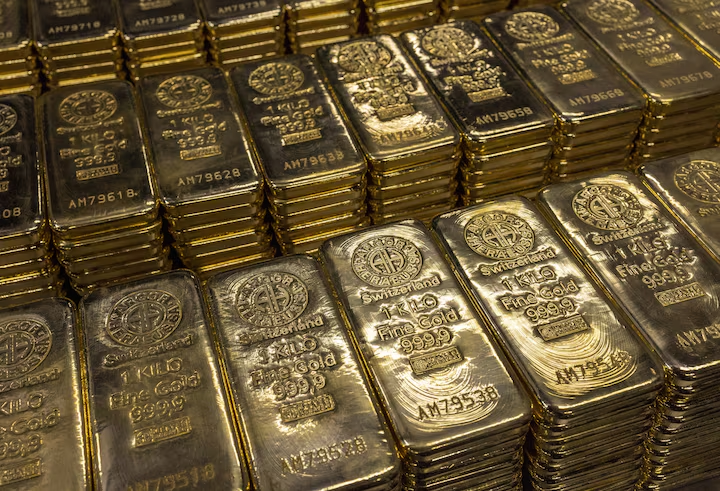
Bullion price changes influence industries beyond financial markets. Jewelry demand, industrial applications, and recycling activity respond to price incentives.
Gold market volatility can alter purchasing patterns in consumer markets, particularly in regions with strong cultural affinity for gold ownership.
Supply dynamics, including mining output and recycling rates, interact with demand to shape overall equilibrium.
Outlook for the Remainder of 2026
Analysts expect continued sensitivity to economic data releases. Employment figures, consumer spending metrics, and geopolitical developments may introduce further price fluctuations.
Gold market volatility could persist if inflation remains uneven or if central bank guidance shifts unexpectedly.
While short term swings may dominate headlines, structural demand factors remain relevant to longer term projections.
A Reflection on Stability and Uncertainty
Financial markets constantly adapt to new information. Gold market volatility illustrates how swiftly collective expectations can change in response to economic signals.
Despite daily fluctuations, gold’s historical role as a store of value endures. In 2026, as investors navigate inflation pressures and policy debates, bullion remains central to strategic asset allocation.
From trading floors in New York to global investment portfolios, the dynamics of precious metals continue to reflect broader economic currents. Gold’s ability to attract both cautious and opportunistic capital ensures its relevance in evolving financial landscapes.