

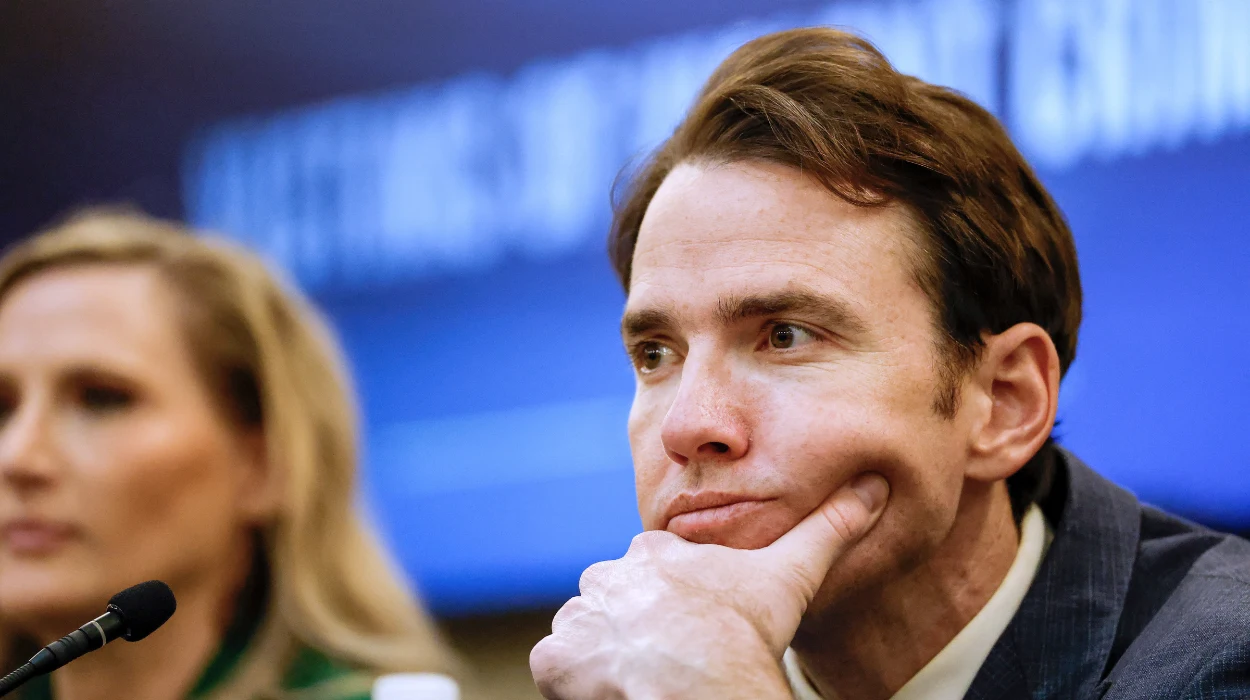
USA (Parliament Politics Magazine) – Rep. Kevin Kiley says Americans relying on Affordable Care Act subsidies should not bear the cost of congressional inaction as policy deadlines approach.
Congress has not yet addressed the expiry credits that millions of individuals rely on to buy health care coverage, and the window of opportunity to enroll in health insurance through the Affordable Care Act (ACA) marketplace is closing.
Speaker Mike Johnson’s plan, which does not contain an extension of the ACA credits that expire at the end of this year, will be put to a vote in the House this week.
In an interview with Morning Edition, GOP Representative Kevin Kiley of California, who favors a temporary extension of the credits, claimed that Johnson’s plan was “hastily thrown together” and fails to address “the crisis in front of us.”
Over 20 million individuals currently depend on the ACA credits, according to Kiley,
“shouldn’t be forced to pay the price for congressional inaction.”
In an interview with NPR’s A Martínez, Kiley also talked about other House initiatives to deal with the impending rise in health care costs and whether or not Republicans and Democrats can come to an agreement.
How wFould ending ACA subsidies affect premiums in 2026?
Ending ACA enhanced subsidies at the end of 2025 would more than double average periodic decoration payments for subsidized business enrollees in 2026, from about $888 to $1,904, a 114 increase per KFF estimates.
A 60- year-old couple earning$85,000 (402 FPL) could face over $22,600 yearly, while families of four at $130,000 might see yearly bills jump from $921 to $1,998. Insurers project median 18 rate rises fueled by health costs, threat pool shifts( healthier enrollees dropping out), and Trump- period credit rules raising needed benefactions.
CBO vaccinations 4.2 million uninsured by 2035, with 2 million losing plans in 2026 alone as costs spike 75% in some countries. Non-expansion countries and aged grown-ups hit hardest, reversing record registration trends.
