

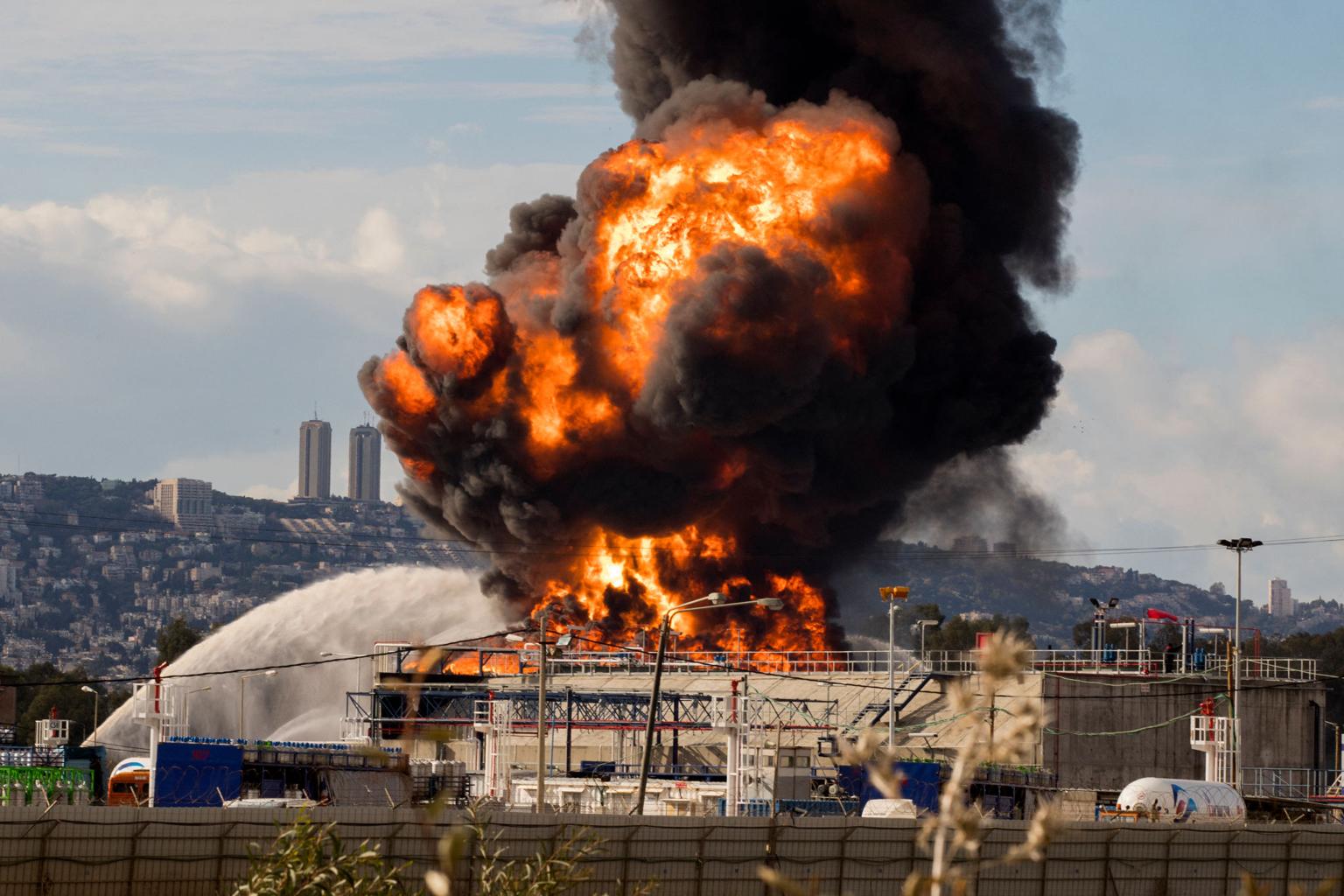
Haifa, Israel – March 19, 2026 – Parliament Politics Magazine – Haifa oil refinery strike has triggered alarm across Israel’s energy infrastructure after a missile attack hit one of the country’s most critical fuel production hubs, raising fears of prolonged supply disruptions and escalating regional tensions.
The incident, confirmed by Israel’s Energy Ministry, marks a significant escalation in the ongoing conflict dynamics in the Middle East. The refinery, located in the northern port city of Haifa, plays a central role in Israel’s fuel supply chain, making it a strategic target amid rising geopolitical instability.
Missile Impact Causes Immediate Energy Concerns
Authorities reported that the missile strike caused structural damage to key refining units, forcing partial shutdowns and emergency safety protocols. While no mass casualties have been officially confirmed, the economic and operational implications are already unfolding.
Energy Minister officials described the situation as “serious but under control,” emphasizing that emergency response teams were deployed within minutes of the attack.
A senior official stated:
“This was not just an attack on infrastructure—it was an attempt to destabilize national energy security and disrupt civilian life.”
The Haifa oil refinery strike immediately triggered concerns about fuel shortages, price spikes, and broader supply chain disruptions across Israel.
Strategic Importance of Haifa Refinery
The Haifa refinery is one of Israel’s largest and most vital energy facilities, responsible for processing crude oil into gasoline, diesel, and other essential fuels. Its proximity to shipping routes also makes it a key component of the nation’s import and export operations.
Experts warn that any prolonged disruption could lead to:
- Increased fuel prices nationwide
- Reduced industrial output
- Pressure on transportation and logistics sectors
- Heightened dependency on fuel imports
The Haifa oil refinery strike underscores how vulnerable critical infrastructure remains during times of conflict, especially in regions already experiencing military escalation.
Regional Conflict Intensifies Energy Risks
The missile attack comes amid heightened tensions involving Israel and Iran-linked forces, with both sides engaged in a series of retaliatory actions. Analysts believe energy infrastructure is increasingly becoming a primary target due to its economic and symbolic significance.
Military experts suggest that targeting refineries serves dual purposes:
- Economic disruption
- Psychological pressure on civilian populations
The Haifa oil refinery strike is now being viewed as part of a broader strategy to weaken Israel’s domestic resilience.
Global Markets React to Energy Shock
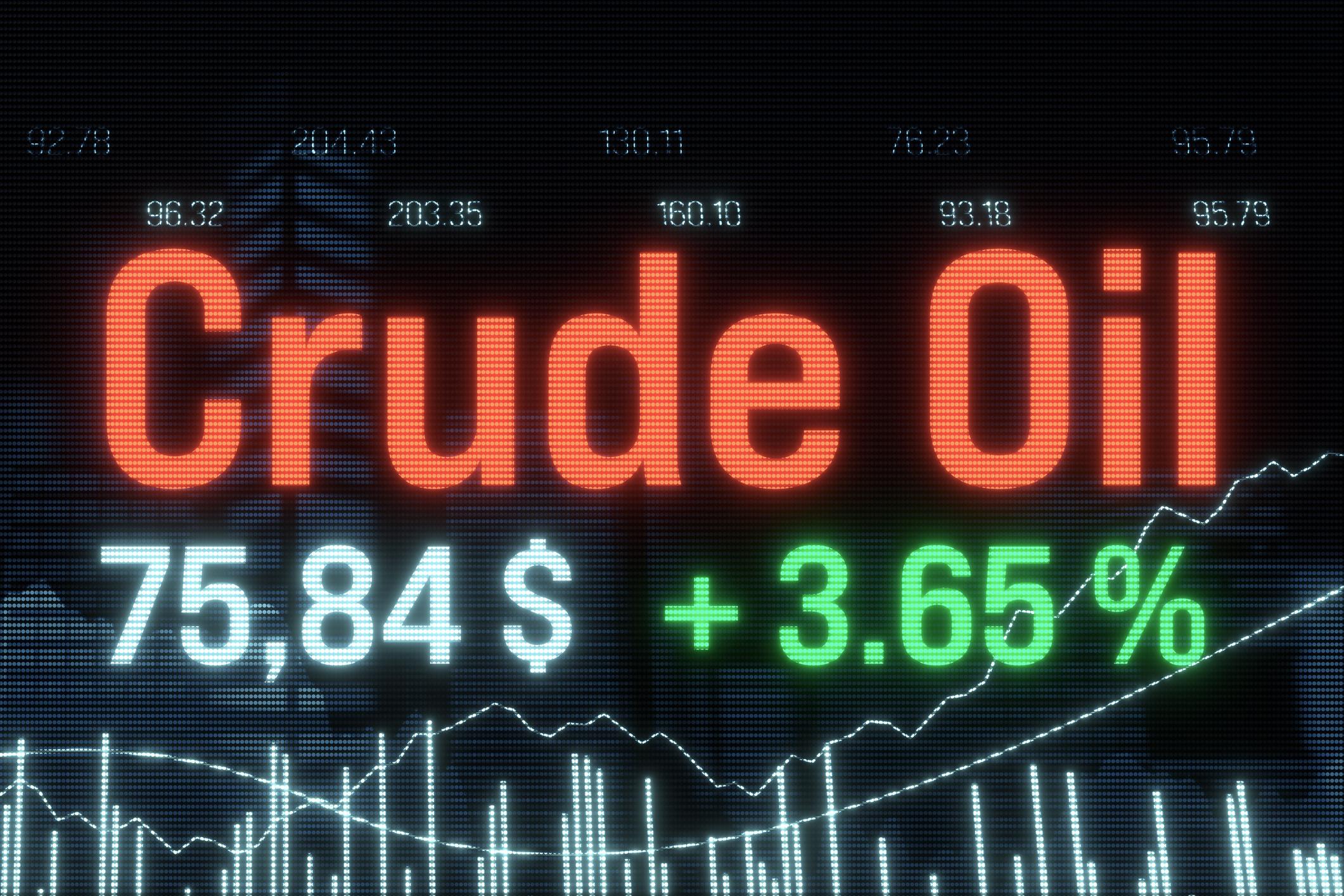
International markets responded quickly following reports of the attack. Oil prices experienced a short-term spike as traders assessed potential supply risks and geopolitical fallout.
Energy analysts note that even localized incidents can ripple through global markets, especially when they involve strategic facilities.
A global commodities expert said:
“Any strike on refining capacity in the Middle East instantly sends shockwaves through global energy markets. Investors react to uncertainty as much as actual damage.”
The Haifa oil refinery strike has already prompted discussions among global stakeholders about energy security and supply diversification.
Emergency Measures and Government Response
Israel’s government has activated contingency plans to stabilize fuel supply and prevent shortages. Officials confirmed that strategic reserves may be utilized if disruptions continue.
Key response measures include:
- Redirecting fuel distribution networks
- Increasing imports from alternative suppliers
- Enhancing security around critical infrastructure
- Coordinating with international energy partners
The Haifa oil refinery strike has also prompted immediate security reviews across other energy facilities nationwide.
Civilian Impact and Public Reaction
Residents in Haifa reported hearing loud explosions followed by emergency sirens. While panic was contained, the psychological impact remains significant.
Local businesses and industries are now bracing for potential fuel supply disruptions that could affect operations in the coming weeks.
Public sentiment reflects growing concern over:
- Escalating conflict risks
- Economic instability
- Long-term security challenges
The Haifa oil refinery strike has become a symbol of how quickly geopolitical tensions can impact everyday life.
Energy Infrastructure Becomes a Battlefield
Experts warn that modern conflicts increasingly target infrastructure rather than traditional military assets. Energy facilities, in particular, are considered high-value targets due to their role in sustaining national economies.
The Haifa oil refinery strike highlights a broader trend where:
- Power plants
- Oil refineries
- Gas pipelines
are becoming central points of conflict.
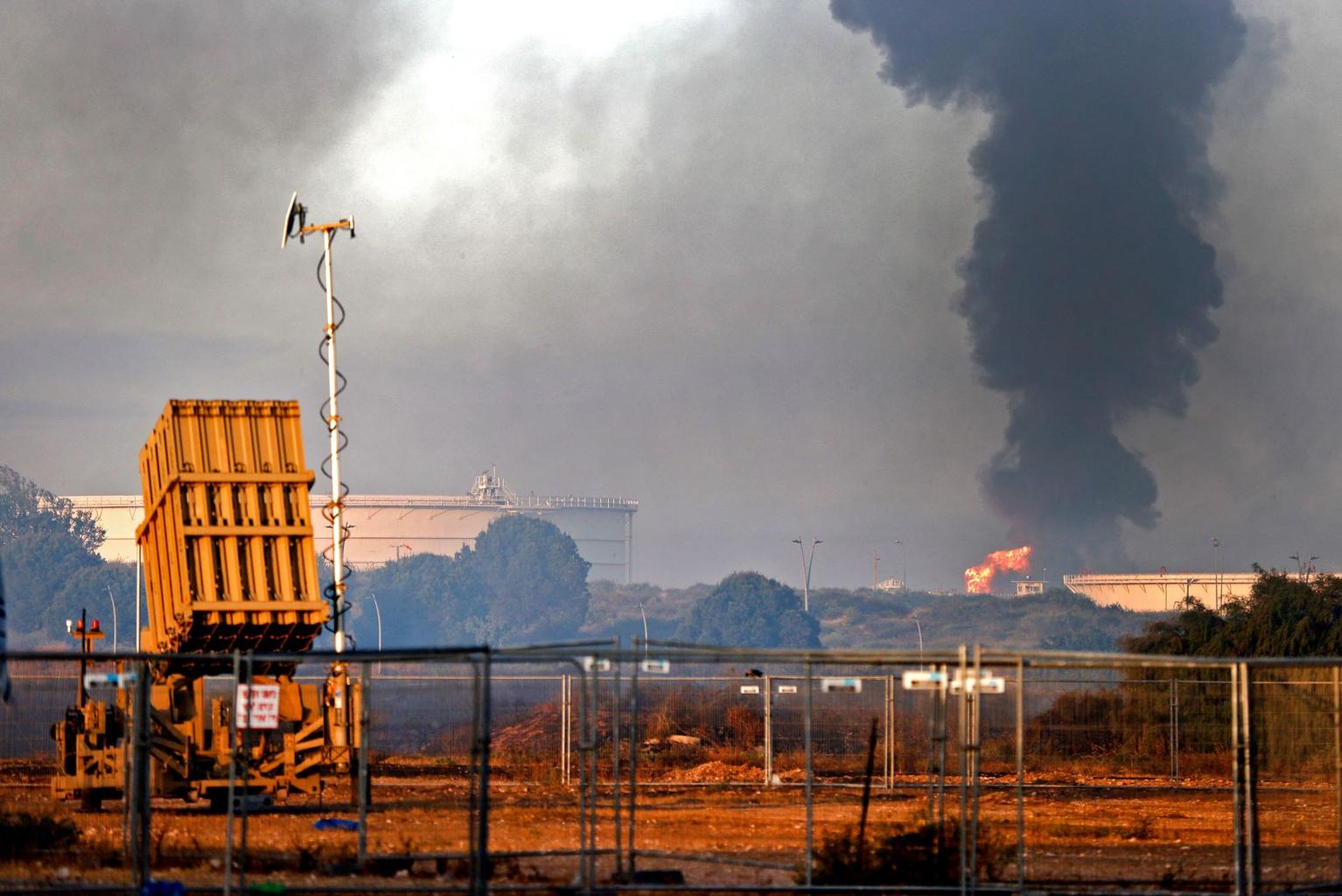
Security analysts stress the need for stronger protection measures, including advanced missile defense systems and cyber-physical security integration.
Historical Context of Energy Attacks
This is not the first time energy infrastructure in the region has been targeted. Previous incidents involving oil facilities in the Middle East have demonstrated how such attacks can disrupt both local economies and global markets.
However, the Haifa oil refinery strike stands out due to its location within Israel’s core industrial zone, amplifying its strategic and symbolic impact.
What Comes Next for Israel’s Energy Sector
Looking ahead, the focus will remain on restoring full operational capacity at the refinery while preventing further attacks.
Key challenges include:
- Repairing damaged infrastructure
- Maintaining stable fuel supply
- Strengthening defense systems
- Managing public confidence
The Haifa oil refinery strike may also accelerate Israel’s push toward energy diversification, including renewable energy investments and alternative supply chains.
A Defining Moment for Energy Security
The Haifa oil refinery strike represents more than a single incident—it signals a shift in how modern conflicts are fought and how economies can be impacted overnight.
As tensions continue to rise, the resilience of energy infrastructure will remain a critical factor in determining both national stability and global market trends.
“Energy security is no longer just an economic issue—it is a frontline defense in modern warfare.”
What You Need to Know Now
- Missile strike hits Haifa oil refinery, disrupting Israel’s energy sector
- Fuel supply concerns rise as government activates emergency measures
- Global oil markets react to escalating Middle East tensions
- Energy infrastructure increasingly targeted in modern conflict strategies
