

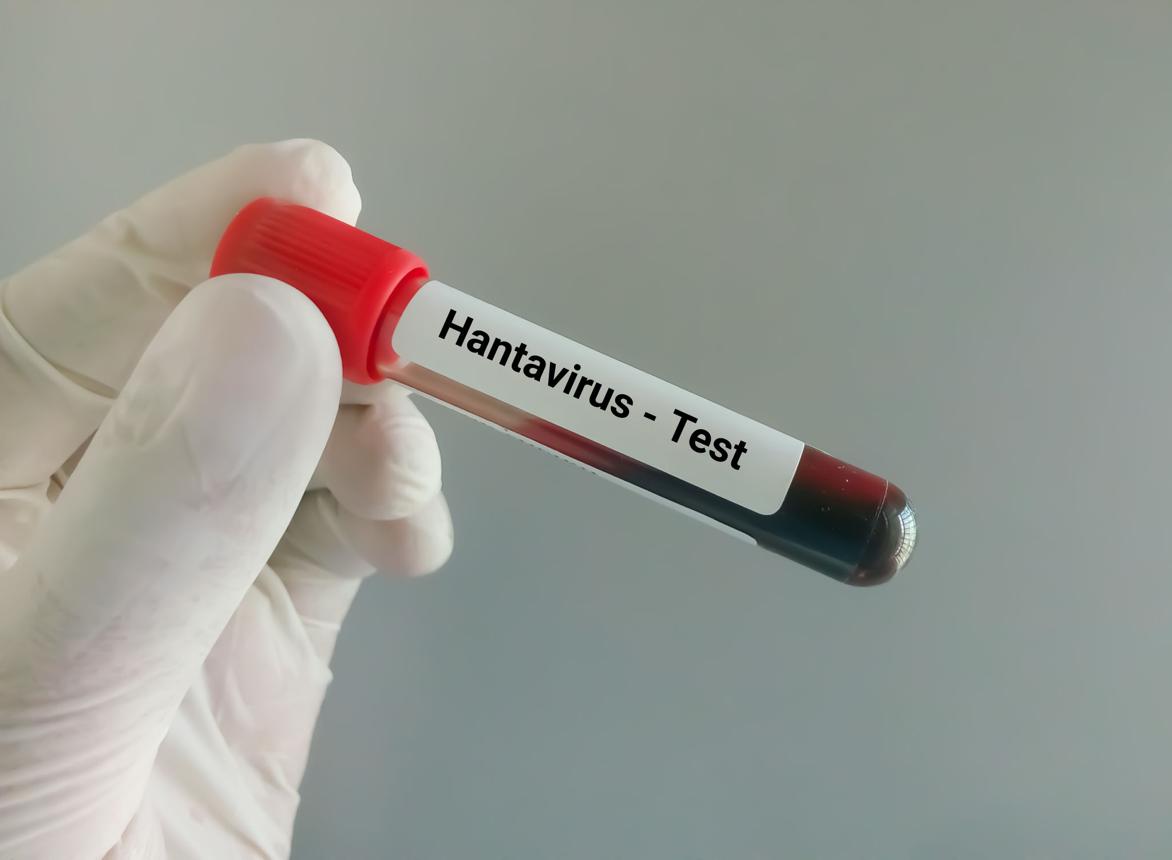
A suspected hantavirus infection on a remote island has triggered urgent public health monitoring in 2026.
Health officials continue contact tracing while warning residents about possible exposure risks and symptoms.
Medical experts say early detection and rapid treatment remain critical during emerging viral investigations.
Remote Island Region (Parliament Politics Magazine) The latest hantavirus symptoms warning issued by regional health authorities has intensified public concern after a suspected infection case triggered expanded contact tracing operations and emergency medical monitoring on a remote island. Officials confirmed that epidemiologists, healthcare specialists, and environmental investigators are working together to determine whether additional exposures may have occurred within the isolated community.
Authorities stated that the patient began experiencing symptoms associated with hantavirus infection earlier this week before being transferred to a specialized medical facility for testing and observation. Public health teams have since expanded investigations into travel history, environmental exposure, and recent interactions involving the suspected case.
The developing situation has quickly attracted international attention due to growing concerns surrounding emerging infectious diseases and the challenges of responding to medical emergencies in isolated regions.
2026 Health Investigation Intensifies on Remote Island
Emergency response officials confirmed that active monitoring operations are continuing as medical teams investigate potential exposure zones connected to the suspected patient. The ongoing hantavirus symptoms warning has prompted health agencies to increase surveillance efforts across nearby communities and transportation routes linked to the island.
Officials are reportedly evaluating residential structures, storage areas, food supply locations, and public facilities where rodent activity may have occurred. Environmental investigators say contaminated droppings or airborne particles remain among the most common sources of hantavirus exposure.
A senior regional health official stated:
“Rapid identification and community awareness are essential whenever a potential hantavirus infection is identified.”
The statement was widely circulated across public health networks and news platforms as authorities attempted to reassure residents while encouraging caution.

What Health Experts Say About Hantavirus Risks
Medical specialists say hantavirus infections remain relatively rare but can become severe if treatment is delayed. The virus is commonly linked to exposure involving infected rodents and contaminated environments.
Doctors involved in the investigation explained that the current hantavirus symptoms warning is designed to encourage early medical evaluation for individuals experiencing concerning symptoms after possible exposure.
Health experts say common symptoms may include:
- Fever
- Fatigue
- Muscle aches
- Headaches
- Chills
- Shortness of breath
- Persistent coughing
- Nausea
Specialists warned that respiratory complications can develop rapidly in serious cases, making immediate medical attention critical.
An infectious disease physician involved in regional preparedness efforts stated:
“The earlier symptoms are recognized, the greater the chances of successful medical intervention.”
Public Health Monitoring Overview 2026
| Category | Current Status |
|---|---|
| Suspected Cases | 1 Under Investigation |
| Confirmed Fatalities | None Reported |
| Active Contact Tracing | Ongoing |
| Public Health Alerts | Expanded Regionally |
| Environmental Inspections | Active |
| Travel Monitoring | Increased Precautionary Screening |
| Primary Exposure Concern | Rodent-Contaminated Areas |
Contact Tracing Operations Continue Across Multiple Areas
Authorities confirmed that contact tracing remains one of the highest priorities connected to the ongoing investigation. The latest hantavirus symptoms warning has resulted in dozens of interviews involving healthcare workers, transportation personnel, family members, and individuals who may have entered potential exposure locations.
Several close contacts are reportedly being monitored for symptoms while medical authorities continue reviewing travel records and environmental conditions.
Officials emphasized that there is currently no indication of widespread transmission. However, experts say aggressive early monitoring remains necessary to prevent isolated infections from escalating into larger public health emergencies.

History of Hantavirus Investigations and Public Health Alerts
Health historians note that hantavirus first gained widespread international attention during severe outbreaks involving respiratory illness clusters linked to rodent exposure decades ago. Since then, governments and medical organizations worldwide have strengthened disease surveillance systems to improve early detection and emergency response coordination.
Previous outbreaks demonstrated how quickly isolated environmental exposure events can generate public concern, especially in rural or remote areas where healthcare access may be limited. Modern disease monitoring technologies now allow epidemiologists to respond faster through laboratory testing, environmental analysis, and expanded contact tracing systems.
Experts say the current hantavirus symptoms warning reflects lessons learned from earlier infectious disease investigations that highlighted the importance of rapid communication and community awareness.
Environmental Teams Investigate Possible Exposure Sources
Environmental response teams have reportedly expanded inspections throughout the island region to identify locations where infected rodents may have contaminated structures or storage areas.
Investigators are focusing on enclosed spaces, agricultural buildings, abandoned properties, and food storage zones that may create favorable conditions for rodent activity. Authorities also distributed public guidance explaining safe cleaning procedures to reduce exposure risks.
The ongoing hantavirus symptoms warning has encouraged local governments to review sanitation practices and strengthen pest control operations in affected areas.
An environmental health specialist stated:
“Preventing human exposure starts with identifying and controlling contamination risks before infections occur.”
Travel and Tourism Monitoring Increases
Transportation hubs connected to the island have increased monitoring procedures while public health agencies continue evaluating whether additional precautionary measures may become necessary.
Although no travel bans have been announced, authorities confirmed that travelers connected to affected regions may receive symptom guidance and health advisories.
Tourism operators are also closely monitoring developments as international attention surrounding the investigation continues expanding. Analysts say even isolated disease investigations can affect tourism demand, transportation activity, and local business confidence if public concern intensifies.
The current hantavirus symptoms warning has already generated heightened online searches related to virus symptoms, outbreak fears, and island travel safety.
Healthcare Systems Prepare for Possible Additional Cases
Regional healthcare providers confirmed they are reviewing emergency preparedness procedures while maintaining communication with infectious disease specialists and national health agencies.
Hospitals and clinics were advised to remain alert for patients showing symptoms consistent with hantavirus infection. Medical centers are also reviewing laboratory testing capabilities and isolation protocols as part of ongoing preparedness planning.
Healthcare officials say the ongoing hantavirus symptoms warning demonstrates the growing importance of coordinated response systems involving hospitals, laboratories, environmental agencies, and emergency management teams.
Public Safety Recommendations Issued to Residents
Authorities urged residents to remain calm while following official safety guidance related to rodent exposure and environmental sanitation.
Recommendations include:
- Avoid direct contact with rodents
- Ventilate enclosed spaces before cleaning
- Use protective gloves and masks during cleanup
- Store food securely
- Dispose of waste properly
- Seek medical care if symptoms appear
The latest hantavirus symptoms warning has also prompted schools, businesses, and community organizations to distribute public awareness materials throughout the region.
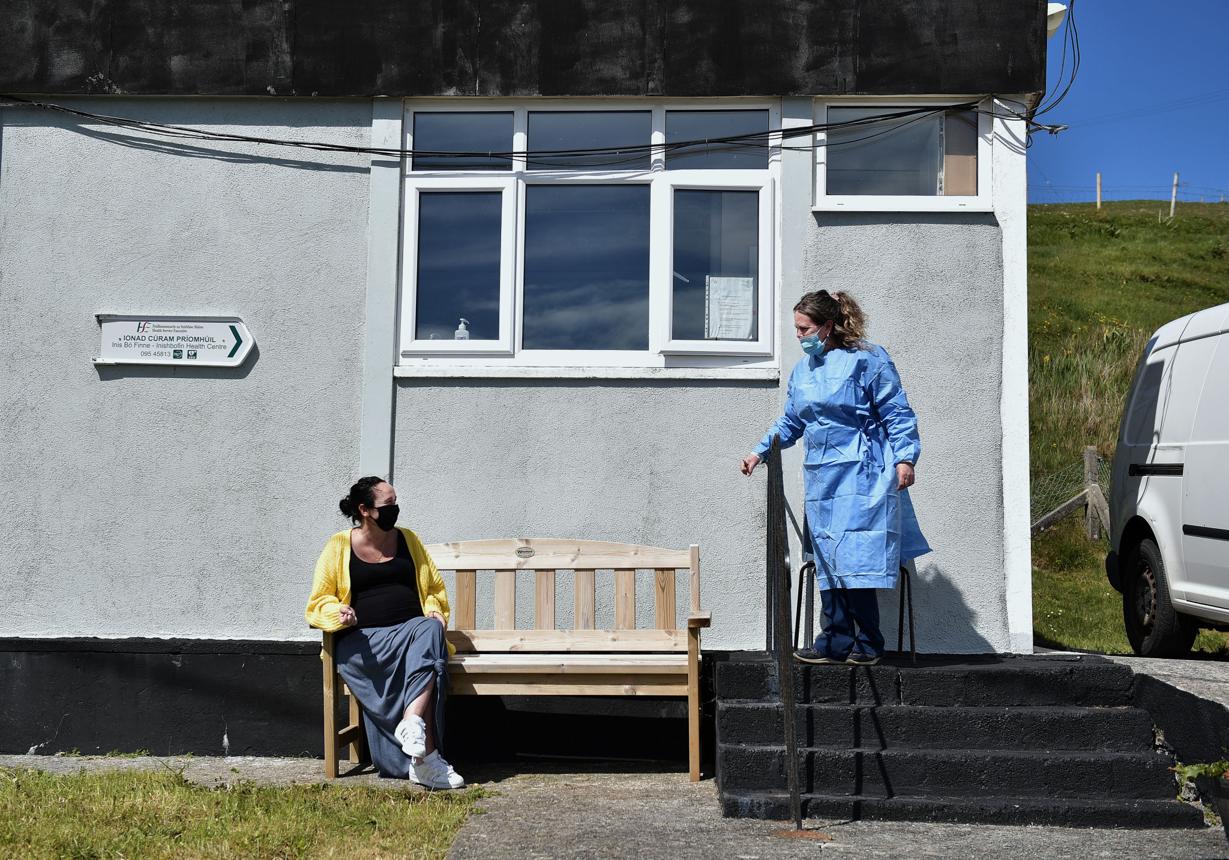
The developing investigation involving a suspected hantavirus infection on a remote island continues drawing international attention as medical teams expand monitoring and environmental response operations throughout 2026. Officials say the situation remains under active investigation while contact tracing and laboratory testing continue.
Health authorities emphasized that the current hantavirus symptoms warning should encourage awareness rather than panic. Experts say early symptom recognition, rapid medical evaluation, and environmental safety measures remain the most effective tools for reducing health risks associated with hantavirus exposure.
As the investigation continues, public health agencies are expected to provide additional updates regarding testing results, possible exposure zones, and ongoing monitoring efforts connected to the remote island case.