

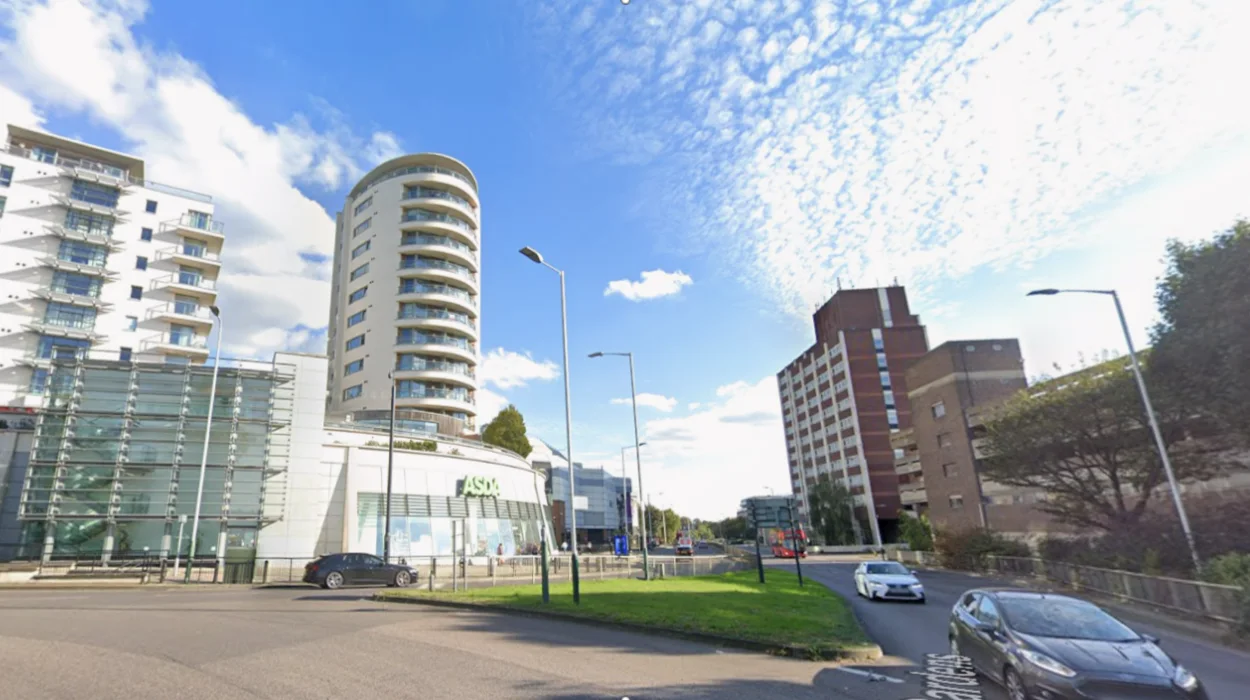
Havering (Parliament Politics Magazine) – New national data places Havering among the UK’s unhappiest areas, raising concerns about wellbeing, community satisfaction, and local living conditions.
Rightmove, a real estate company, has released its periodic Happy at Home Index, which identifies the happiest areas in Great Britain by polling thousands of people in 200 regions.
Havering ranks 218th out of 220 areas in the 2025 indicator, making it the third most saddening place to live in the entire nation.
Only two other east London boroughs, Newham at 219th and Barking and Dagenham at 220th beat Havering in terms of dissatisfaction.
Because of this, all three of the capital’s boroughs are the most miserable.
Since its indigenous ranking of 28 and its public ranking of 210 in the Rightmove bean last time, Havering’s position of happiness has dropped.
According to Rightmove, Tower Hamlets is the happiest city in east London, ranking ninth in the capital, nearly followed by Waltham Forest at number twelve.
The Happy at Home Index, now in its fourteenth time, asks locals what they like and dislike about their neighborhoods. Numerous people value safety, a feeling of community, and having access to green areas and necessary services.
According to this year’s poll, happiness increased throughout age groups, with 18 to 24- time- pasts being the least likely to indicate they were happy where they lived.
Which factors contributed most to Havering’s low wellbeing ranking?
Havering’s low good ranking stems primarily from poor environmental quality( 69.45/ 100), profitable stability challenges (74.93), and health difference aggravated by privation, with 52.7 of homes affected compared to London’s 51.9 average.
High internal income privation gaps( 32.3 chance points), with 33.9 in the most deprived areas, drive stress, poor casing, and reduced life satisfaction, worsened bypost-COVID insulation.
Elevated rates of rotundity, internal health diseases, low physical exertion, and habitual conditions like cancers and cardiovascular conditions contribute to times lived with disability( YLDs), alongside child poverty at 52.
Limited social connectedness, unhealthy diets, and middling Healthy thoroughfares scores( 1.70, 31st in London) emulsion vulnerabilities, particularly for caregivers, substance druggies, and ethnic nonages facing advanced mortality pitfalls.