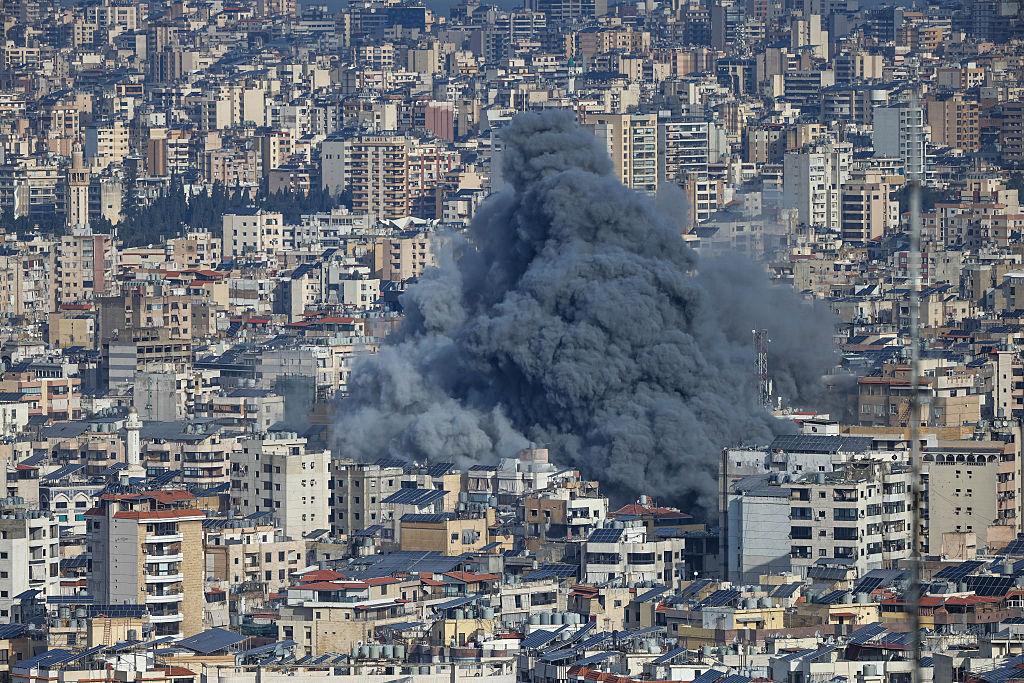
Beirut, Lebanon — March 18, 2026 — Parliament Politics Magazine — Hezbollah disarmament debate is intensifying as ongoing bombings continue to reshape Lebanon’s fragile security landscape, with a French envoy warning that expecting disarmament under such conditions is unrealistic. The remarks have sparked renewed international attention, highlighting the widening gap between diplomatic expectations and the harsh realities on the ground.
Escalating Conflict Fuels Hezbollah Disarmament Debate
The Hezbollah disarmament debate has gained urgency as violence escalates across the region. Lebanon remains caught in a cycle of instability, where military tensions and political divisions intersect, leaving little room for decisive action.
The French envoy emphasized that disarmament cannot occur in a vacuum, particularly when bombings continue to threaten both infrastructure and civilian lives. This perspective reflects a broader acknowledgment that security conditions must improve before any meaningful progress can be made.
Lebanon’s complex political structure further complicates the Hezbollah disarmament debate, as multiple factions with differing priorities struggle to reach consensus.
International Pressure Versus Ground Reality
The Hezbollah disarmament debate has long been shaped by international pressure, with global powers urging Lebanon to reduce the influence of armed groups. However, these calls often overlook the internal challenges facing the country.
Lebanon is currently dealing with severe economic hardship, governance issues, and widespread instability. Under such conditions, the Hezbollah disarmament debate becomes more than a policy discussion—it becomes a question of national survival.
The French envoy’s remarks underscore the need for a balanced approach, one that considers both international expectations and domestic realities.
Hezbollah’s Role in Lebanon’s Security Framework
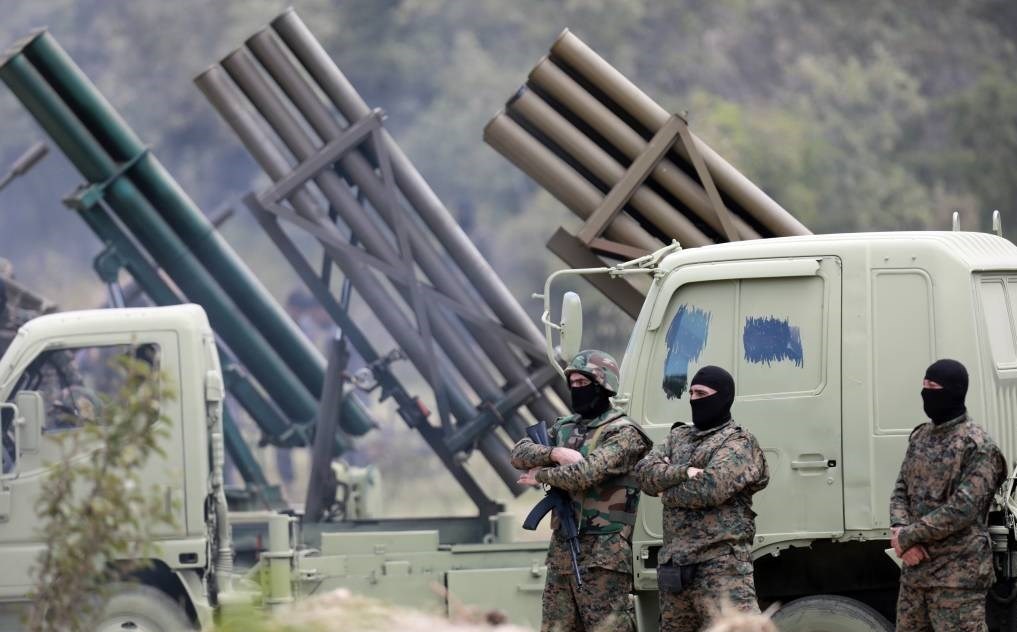
At the center of the Hezbollah disarmament debate is the group’s dual identity as both a political organization and a military force. For many in Lebanon, Hezbollah is seen as a key component of national defense.
Supporters argue that disarmament without guarantees of security could expose the country to greater risks. This perspective adds another layer of complexity to the Hezbollah disarmament debate, making it difficult to find common ground.
Opponents, however, contend that the group’s military capabilities undermine state authority and contribute to ongoing tensions.
Humanitarian Crisis Intensifies Concerns
The Hezbollah disarmament debate is unfolding against the backdrop of a deepening humanitarian crisis. Ongoing bombings have displaced thousands, damaged critical infrastructure, and strained already limited resources.
Civilians are facing daily uncertainty, with access to healthcare, food, and shelter becoming increasingly precarious. In this context, the Hezbollah disarmament debate often takes a back seat to immediate survival needs.
International organizations have warned that without a reduction in violence, the humanitarian situation could worsen significantly in the coming months.
Diplomatic Efforts Seek a Way Forward
France has emerged as a key player in addressing the Hezbollah disarmament debate, advocating for dialogue and de-escalation. The envoy’s comments signal a shift toward a more pragmatic approach, recognizing that disarmament cannot be forced under active conflict.
Efforts are being made to broker ceasefires and initiate negotiations that could lay the groundwork for future discussions. However, progress remains slow, as competing interests and regional dynamics continue to hinder resolution.
The Hezbollah disarmament debate is now seen as part of a broader strategy to stabilize the region, rather than an isolated issue.
Regional Dynamics Shape the Debate
The Hezbollah disarmament debate cannot be separated from the wider geopolitical context. Tensions involving Iran, Israel, and Western powers all play a role in shaping Lebanon’s situation.
These interconnected conflicts create a complex environment where decisions made in one area can have far-reaching consequences. As a result, the Hezbollah disarmament debate is influenced by factors beyond Lebanon’s control.
Experts warn that without addressing these broader issues, efforts to resolve the debate may remain ineffective.
Public Sentiment Reflects Growing Frustration
On the ground, many Lebanese citizens are expressing frustration with the ongoing crisis. The Hezbollah disarmament debate is often viewed through the lens of everyday struggles, where security and stability are the primary concerns.
said a Beirut resident.
“We hear about politics and disarmament, but what we need is safety and a chance to rebuild our lives.”
This sentiment highlights the disconnect between policy discussions and the realities faced by ordinary people.
Uncertain Future for Disarmament Efforts
The Hezbollah disarmament debate is unlikely to be resolved in the near future. Analysts suggest that meaningful progress will require a combination of improved security conditions, economic recovery, and sustained diplomatic engagement.
Until these factors are addressed, the debate is expected to continue, reflecting the ongoing challenges facing Lebanon and the region as a whole.
Strategic Insight for Higher Engagement
“Debating disarmament in the middle of conflict is like rebuilding during a storm—timing and stability determine everything.”
Crisis Pulse Insight
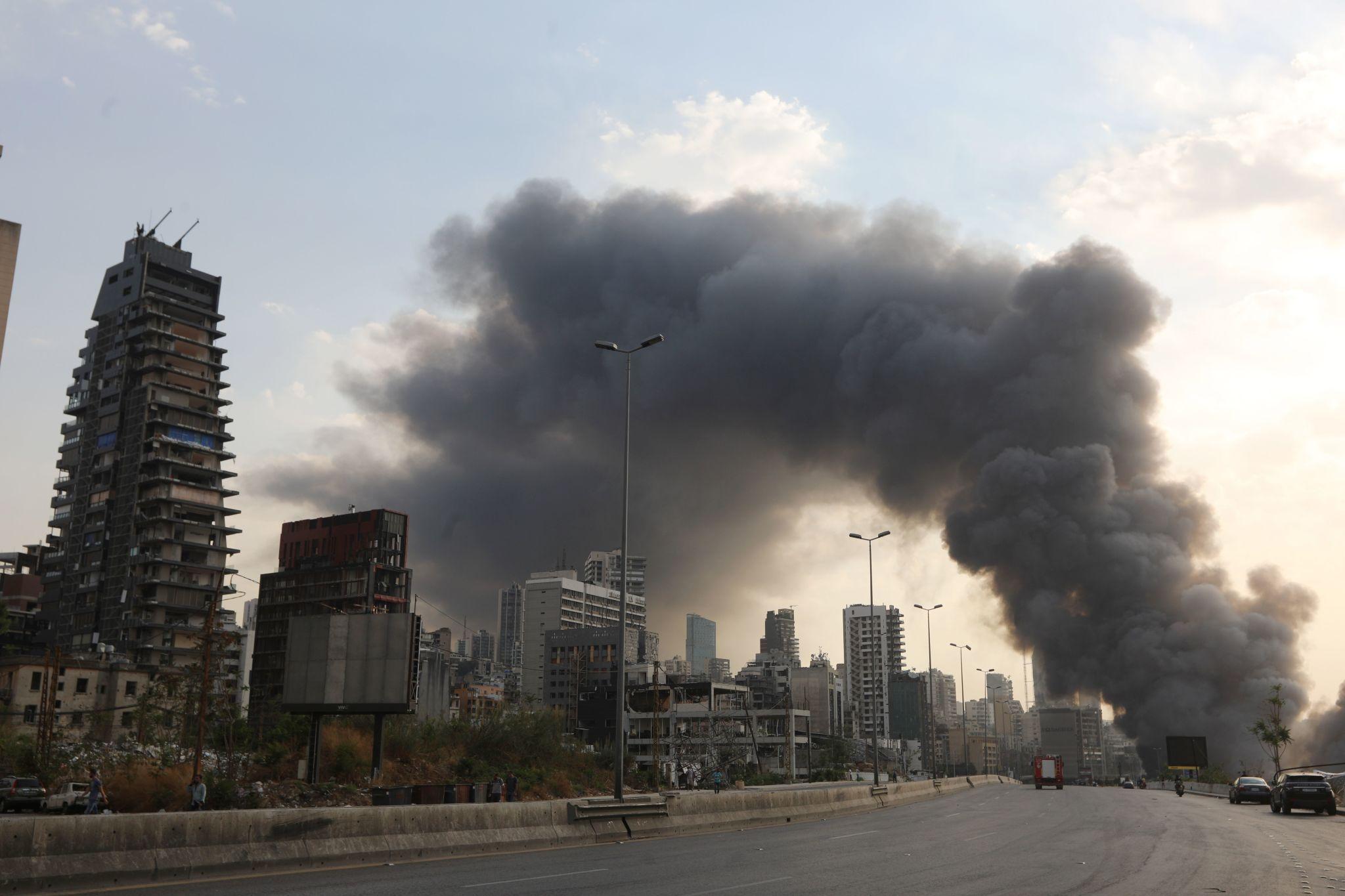
The Hezbollah disarmament debate continues to intensify as Lebanon faces ongoing bombings and deepening instability. A French envoy’s warning has brought renewed attention to the gap between global expectations and local realities.
With humanitarian concerns rising and regional tensions escalating, Lebanon remains in a precarious position where immediate survival outweighs long-term political goals. The path forward remains uncertain, with disarmament tied closely to broader peace efforts.