

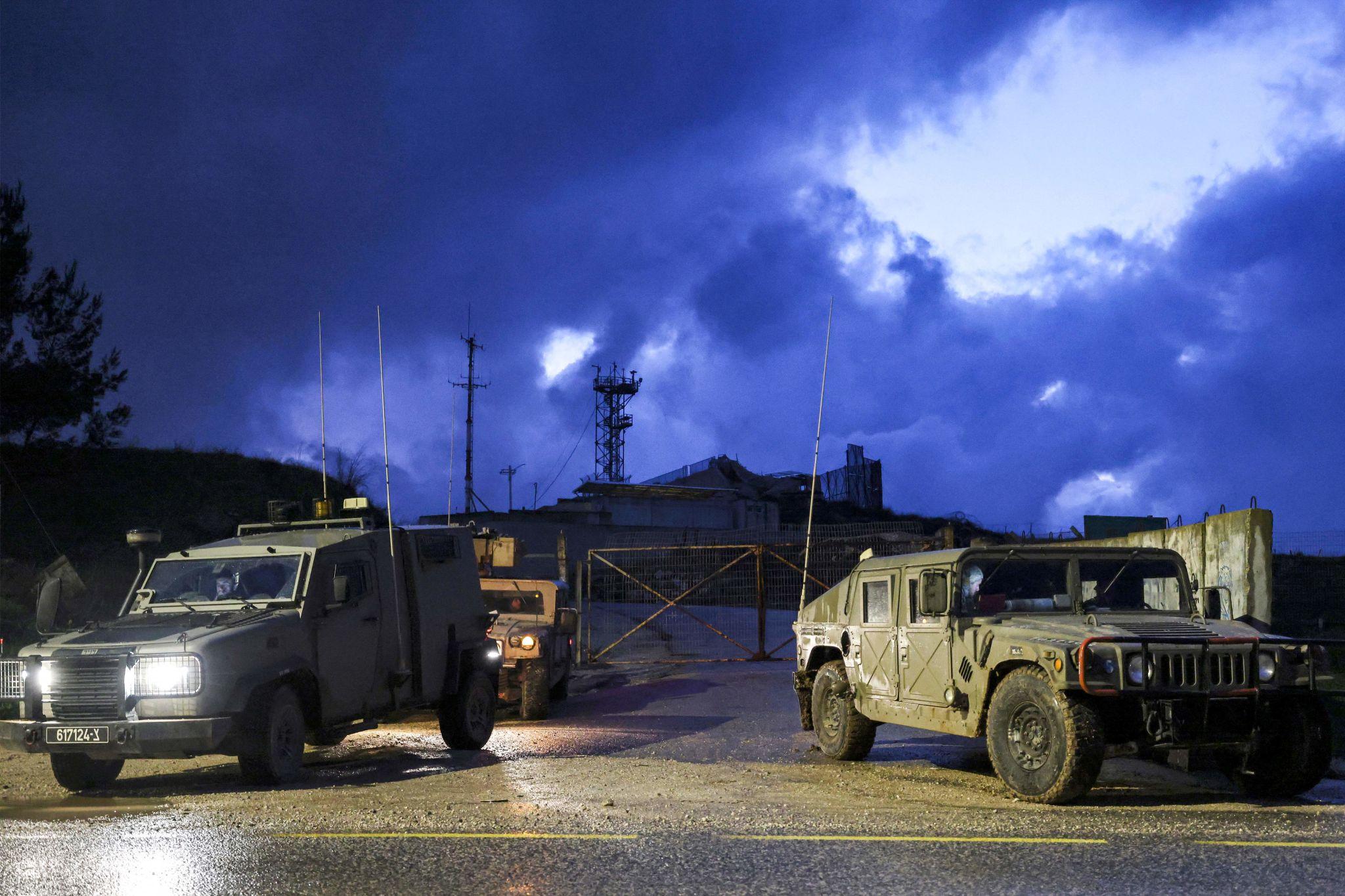
LEBANON ISRAEL BORDER — March 9, 2026 — Parliament News — Rising Hezbollah Israel tensions have once again drawn international attention to one of the Middle East’s most sensitive frontiers. Rockets fired from southern Lebanon toward northern Israeli communities triggered air raid sirens and forced residents to seek shelter as military forces responded to the incident.
Israeli defense officials confirmed that several projectiles were launched toward areas near Nahariya. While missile defense systems intercepted some rockets, others landed in open areas near the coastal city. Emergency crews quickly inspected the locations to ensure there were no injuries or significant damage.
Security analysts say the incident reflects the fragile nature of the border, where even a small confrontation can rapidly escalate. The ongoing Hezbollah Israel tensions remain one of the most volatile security challenges in the region.
Israeli Forces Reinforce Northern Border
Following the rocket launches, Israeli military units strengthened their defensive positions along the northern frontier. Surveillance systems were intensified and additional patrols were deployed to monitor possible follow up attacks.
Military officials said protecting civilians remains the top priority as Hezbollah Israel tensions continue to influence security planning along the border. Advanced air defense systems, including missile interception technology, were activated to defend populated areas.
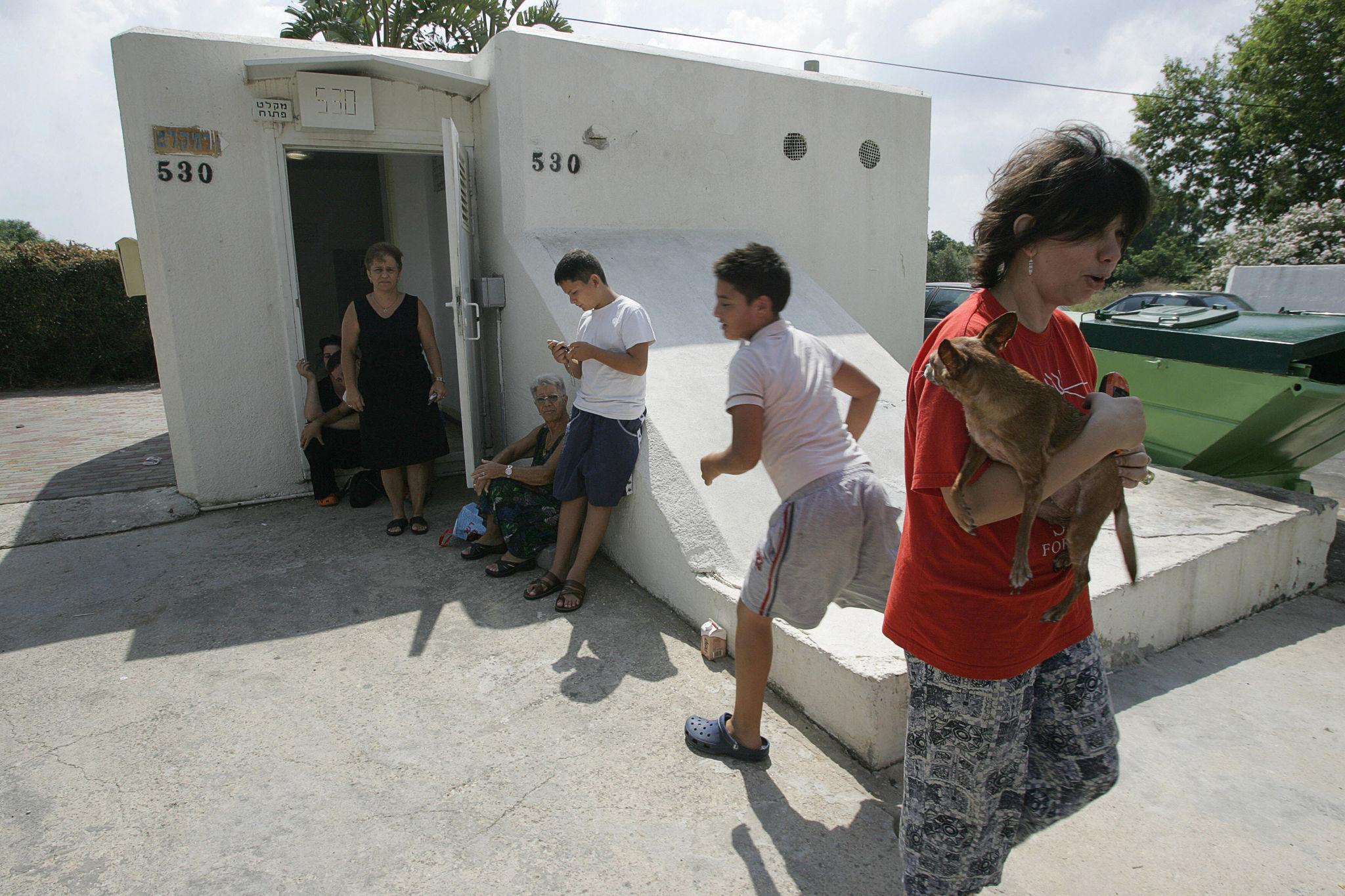
Communities in northern Israel have long lived with the possibility of sudden security alerts. Residents are trained to quickly reach shelters whenever warning sirens sound.
Defense experts say preparedness has become a key component of life in the region due to recurring periods of Hezbollah Israel tensions.
Hezbollah Influence in Southern Lebanon
Hezbollah maintains a strong presence in southern Lebanon, where the organization has developed extensive military capabilities over the past several decades. The group operates both as a political movement and an armed force within Lebanon.
Regional analysts say Hezbollah Israel tensions are often connected to broader geopolitical developments across the Middle East. The organization’s alliances with other regional actors mean that local incidents along the border can have wider strategic implications.
Security experts note that Hezbollah’s arsenal includes rockets capable of reaching deep into Israeli territory. This capability has made the Lebanon Israel border one of the most heavily monitored security zones in the region.
Because of these capabilities, incidents linked to Hezbollah Israel tensions quickly attract global attention.
Civilian Communities Living With Uncertainty
For many residents near the frontier, daily life continues despite the constant possibility of conflict. Towns across northern Israel regularly conduct emergency preparedness drills and maintain public shelters.
Similarly, villages in southern Lebanon experience increased security activity whenever Hezbollah Israel tensions rise. Farmers, shop owners, and families often find their routines disrupted when military activity increases along the border.
Local officials in Israel emphasize the importance of preparedness programs that ensure residents know how to respond during rocket alerts.
Despite these challenges, many communities have demonstrated resilience in the face of decades of intermittent conflict.
Historical Comparison With Past Conflicts
The current wave of Hezbollah Israel tensions recalls earlier confrontations that shaped the security environment along the Lebanon Israel border. The most significant conflict occurred during the 2006 Lebanon War, when fighting between Israeli forces and Hezbollah lasted more than a month.
That conflict caused widespread damage across parts of Lebanon and northern Israel, displacing thousands of civilians and reshaping regional security strategies.
Since that time, the border has experienced periods of relative calm punctuated by sporadic incidents involving rocket fire or military exchanges. Analysts say the historical legacy of the 2006 war still influences how both sides approach military readiness today.
The current Hezbollah Israel tensions are therefore often viewed through the lens of past conflicts that demonstrated how quickly the situation can escalate.
Quote Reflecting Global Concern
A regional security analyst monitoring the border situation said:
“Whenever tensions increase along this frontier, the risk of miscalculation grows significantly, and even a limited exchange could lead to wider conflict.”
The comment reflects growing concern among policymakers that continued Hezbollah Israel tensions could destabilize an already fragile regional security environment.
Diplomatic leaders have urged restraint, emphasizing the need to avoid actions that could trigger a larger confrontation.
Broader Regional Security Implications
The rise in Hezbollah Israel tensions has implications far beyond the immediate border area. Conflicts in the Middle East often involve complex alliances, meaning developments in one location can influence the entire region.
Governments across the world are closely monitoring the situation, aware that instability along the Lebanon Israel frontier could affect global diplomatic relations and regional security arrangements.
Experts say preventing escalation will require careful diplomatic engagement alongside strong communication between regional actors.
While the current situation remains tense, many international leaders continue to push for stability and restraint to avoid a broader crisis.
Key Takeaways From the Border Escalation
The recent escalation in Hezbollah Israel tensions highlights how fragile the Lebanon Israel border remains after decades of conflict. Rocket launches toward northern Israel prompted rapid military responses and renewed international attention to the region’s security risks.
As military forces strengthen defensive positions and diplomatic leaders call for restraint, the situation underscores the importance of preventing small incidents from evolving into wider confrontations.
Ultimately, the events surrounding the latest Hezbollah Israel tensions serve as a reminder that stability along this critical frontier depends on careful diplomacy, strong security measures, and continued efforts to reduce tensions across the broader Middle East.