

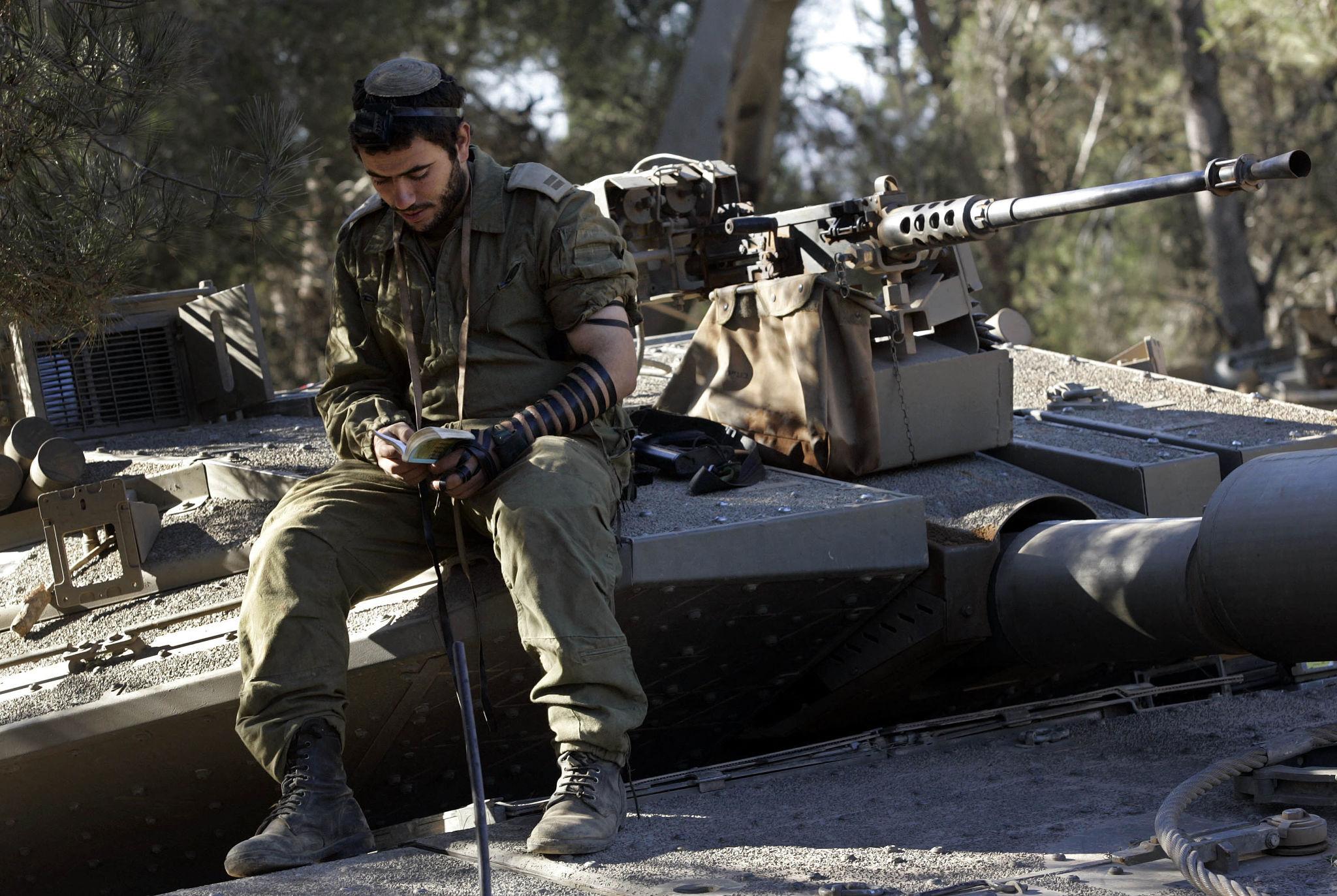
Beirut, April 13, 2026 (Parliament Politics Magazine) Hezbollah military strike developments are drawing global attention after the group announced it had targeted Israeli troops and military positions near the southern Lebanese town of Bint Jbeil. The claim marks a renewed phase of cross-border confrontation with Israel.
According to statements from Hezbollah, the strike was aimed at “enemy troop concentrations” near fortified positions. While independent confirmation remains limited, the location is widely viewed as strategically significant.
A regional security analyst said,
“This Hezbollah military strike appears calibrated—strong enough to send a message, but measured to avoid immediate large-scale war.”
Why Bint Jbeil Matters Strategically
Bint Jbeil has long been a flashpoint in tensions between Lebanon and Israel. Located just a short distance from the border, the town has seen intense conflict in previous confrontations, including the 2006 war.
Military analysts say its geography provides tactical advantages, including elevated terrain and access to key routes. The Hezbollah military strike in this area reinforces its continued importance in regional security calculations.
Such locations often become symbolic battlegrounds, increasing the stakes for both sides.
Details of the Strike Operation
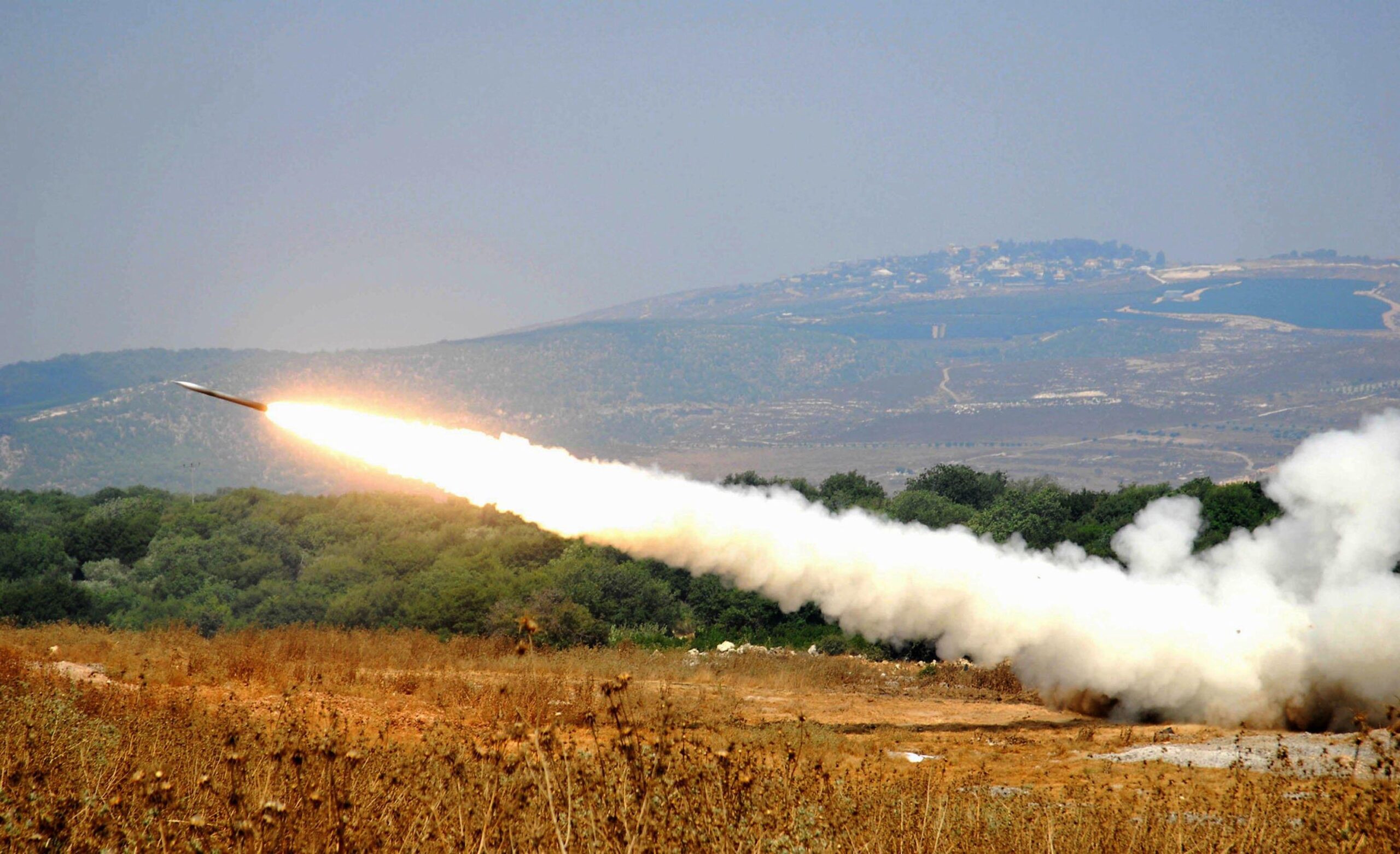
Hezbollah outlined several elements of the operation, describing it as a coordinated action involving precision targeting. The Hezbollah military strike reportedly included:
- Use of guided projectiles against troop positions
- Targeting fortified Israeli military sites
- Coordination based on surveillance intelligence
- Rapid disengagement following the attack
The Israel Defense Forces acknowledged increased hostilities along the northern border, confirming that its units were responding to incoming fire.
The Hezbollah military strike reflects a pattern of limited engagements that maintain pressure while avoiding full-scale escalation.
Israeli Response and Military Readiness
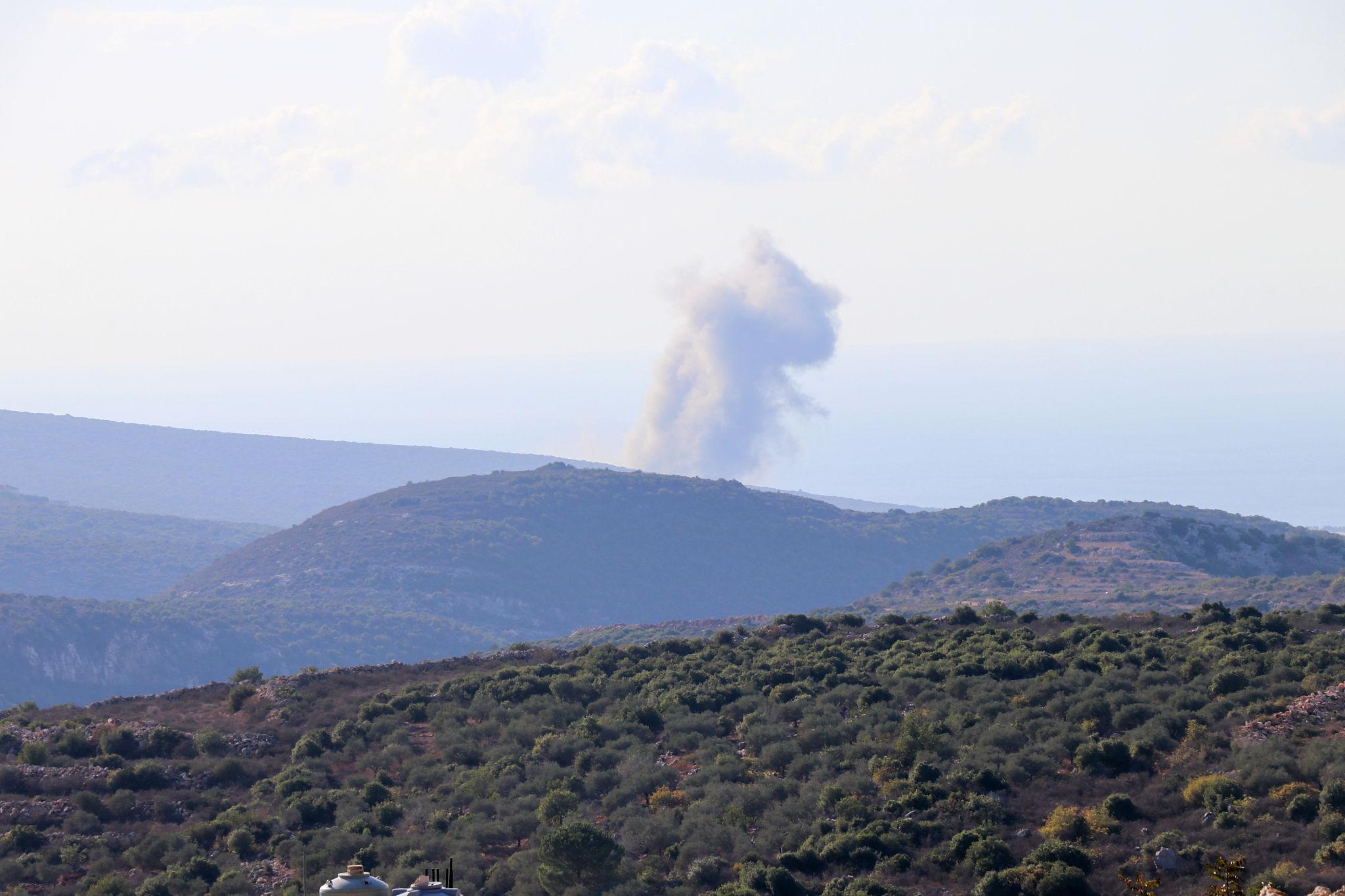
Following the Hezbollah military strike, Israeli forces reportedly launched countermeasures, including artillery fire aimed at suspected launch sites. Surveillance and reconnaissance activities have also increased significantly.
Israeli officials emphasized their readiness to respond to further attacks, with additional troops deployed to northern regions. Defensive systems have been reinforced, and contingency plans are reportedly being reviewed.
A military spokesperson stated,
“We will act decisively to protect our forces and our borders.”
Broader Regional Implications
The Hezbollah military strike comes amid heightened tensions across the Middle East, raising concerns about the potential for a wider conflict. The involvement of Iran, which has longstanding ties to Hezbollah, adds another layer of complexity.
Analysts warn that continued escalation could draw in additional actors, increasing the risk of a multi-front confrontation.
The situation reflects a fragile balance, where even limited strikes can have far-reaching consequences.
Impact on Civilians Near the Border
Communities in southern Lebanon and northern Israel are experiencing increased uncertainty following the Hezbollah military strike. Reports indicate heightened security measures, including shelter preparations and restricted movement.
Humanitarian groups warn that continued clashes could disrupt daily life and damage critical infrastructure. While military targets remain the focus, the proximity of civilian populations raises concerns about collateral impact.
International Calls for Restraint
Global leaders have responded to the Hezbollah military strike with calls for de-escalation. The United Nations has urged both sides to exercise restraint and adhere to ceasefire agreements.
Diplomatic efforts are ongoing, though progress remains limited. The current environment makes it difficult to achieve immediate reductions in tension.
A diplomatic observer commented,
“Every Hezbollah military strike increases the urgency for diplomatic solutions.”
Military Balance and Escalation Risks
The balance of power between Hezbollah and Israel continues to shape the trajectory of the conflict. Hezbollah’s capabilities, including its missile arsenal, present a significant challenge.
At the same time, Israel’s advanced defense systems and intelligence capabilities provide a strategic advantage.
The Hezbollah military strike highlights how quickly tensions can escalate, especially when both sides remain on high alert.
A Volatile Situation Ahead
The Hezbollah military strike near Bint Jbeil represents a critical moment in the ongoing tensions between Hezbollah and Israel. While the situation remains contained for now, the risks of escalation are significant.
Key Takeaways:
- Hezbollah claims it targeted Israeli troops near Bint Jbeil
- Israel has responded with defensive and retaliatory actions
- The area remains a key strategic flashpoint
- Regional tensions increase the risk of broader conflict
- Diplomatic efforts continue amid growing uncertainty
As developments continue, the international community will closely monitor whether the Hezbollah military strike leads to further escalation or renewed efforts toward stability.
