

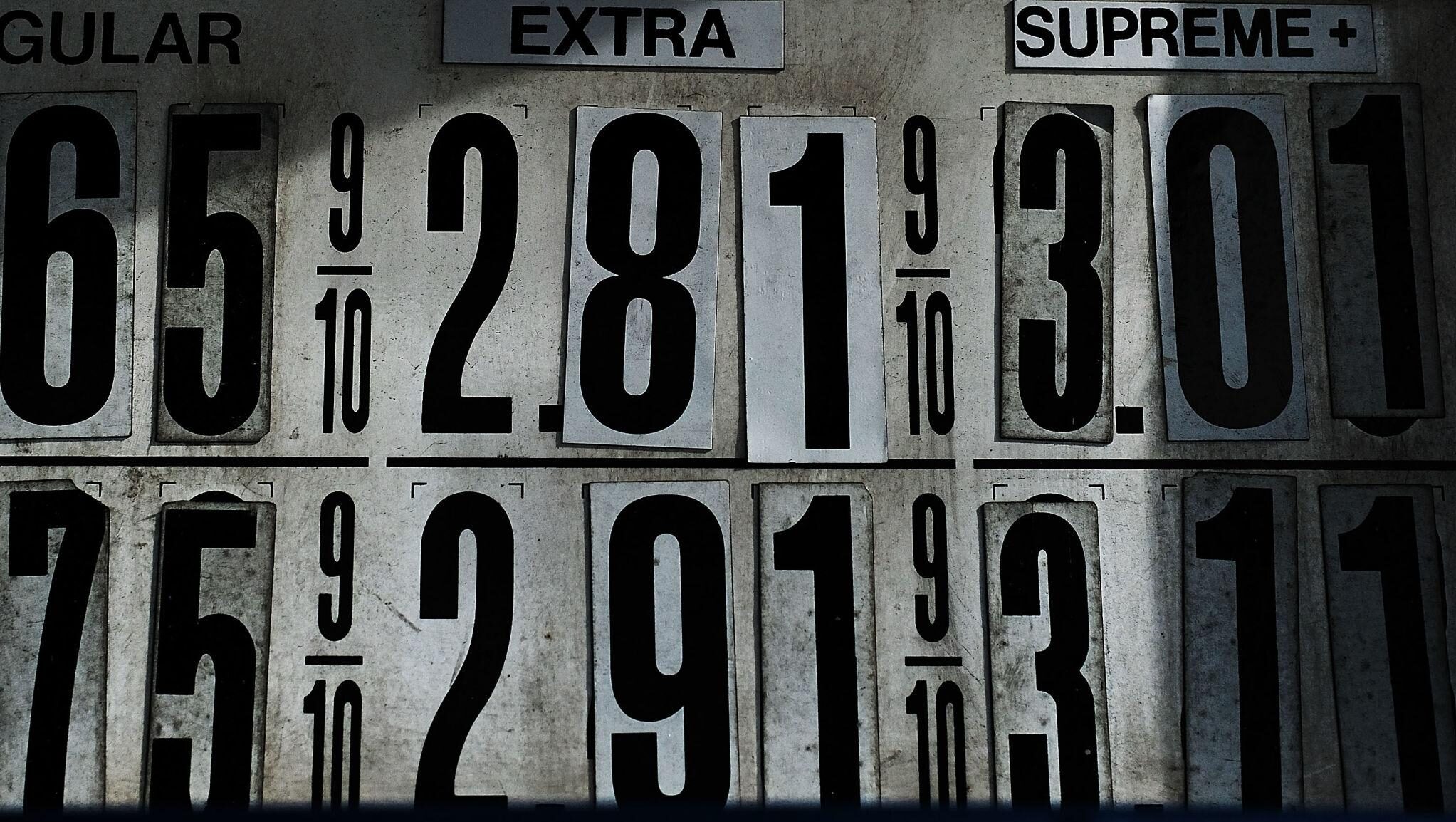
- High gas prices are forcing Americans to reduce driving and rethink transportation choices in 2026.
- Public transit ridership and fuel-saving behaviors are increasing nationwide as inflation pressures continue.
- Consumers across the United States are adapting to rising gasoline costs with creative transportation solutions.
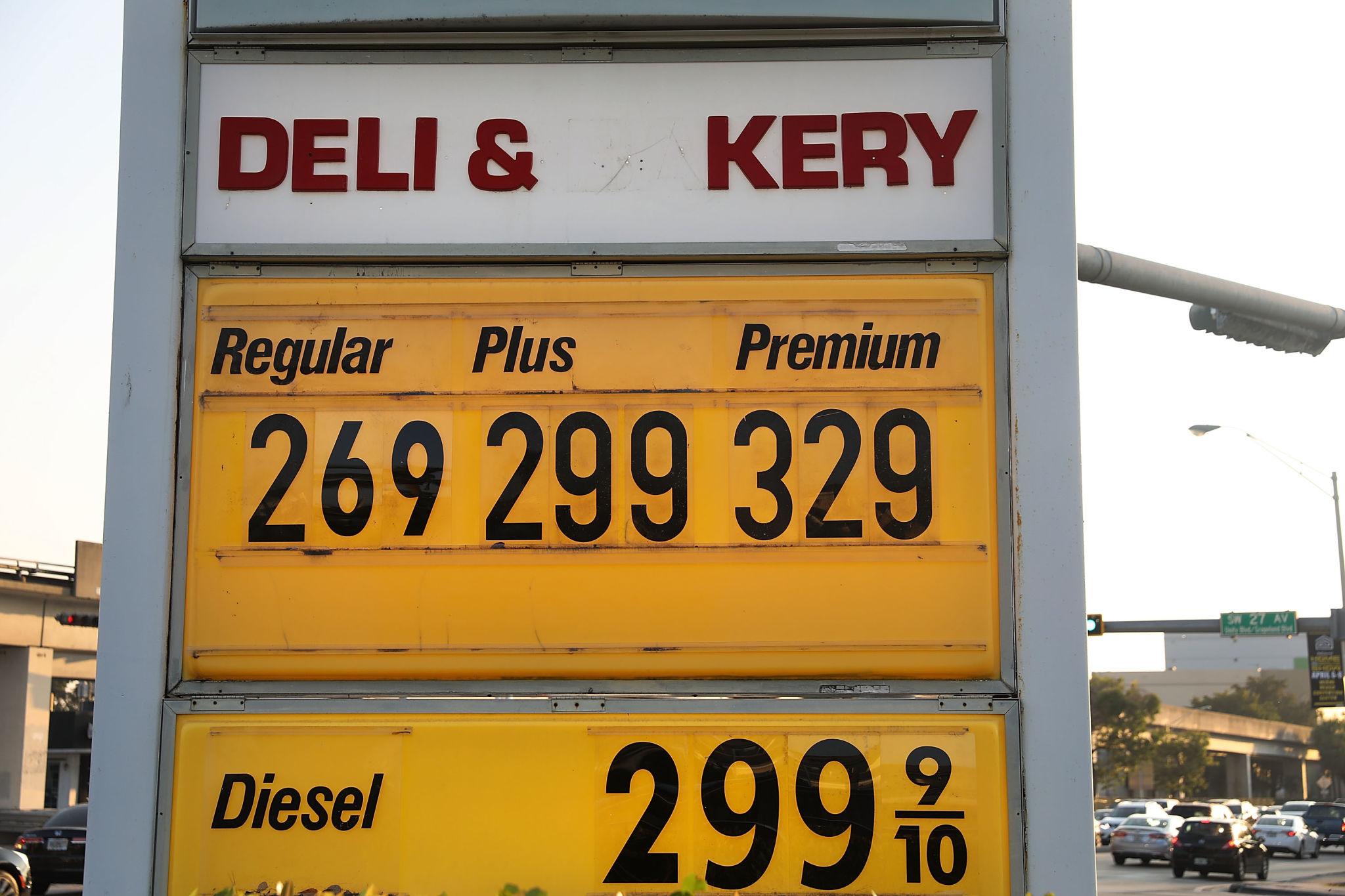
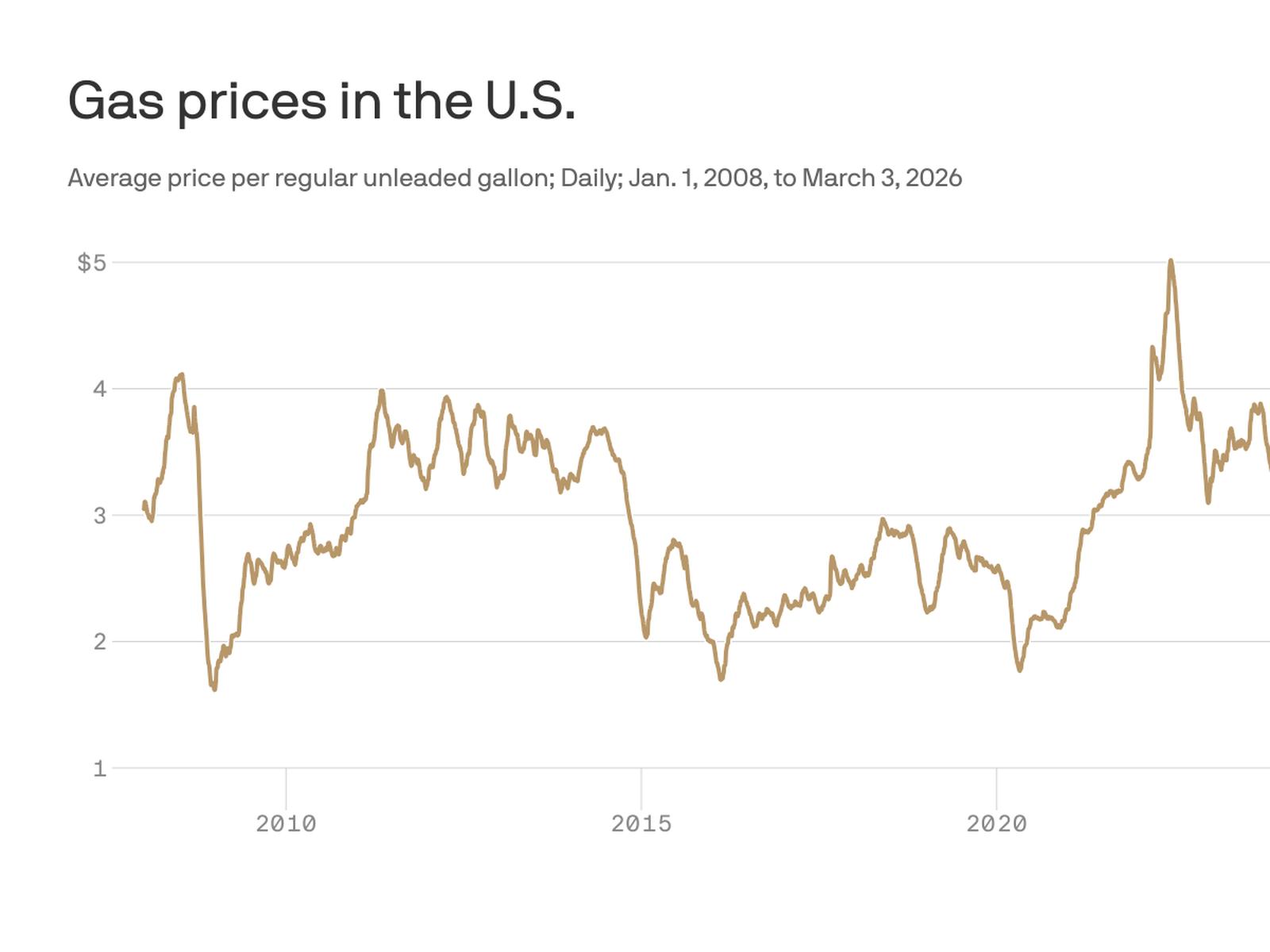
NEW YORK, United States (Parliament Politics Magazine) High gas prices are rapidly changing daily life across America as millions of consumers struggle to manage transportation expenses during a period of economic uncertainty and elevated fuel costs. With nationwide gasoline averages moving above $4.50 per gallon, families, commuters, and businesses are adjusting spending habits while searching for ways to reduce financial pressure.
The impact is visible from major metropolitan cities to rural communities. Americans are driving less frequently, relying more heavily on buses and trains, limiting long-distance travel, and adopting creative commuting alternatives. Economists say the transportation sector is becoming one of the clearest indicators of consumer stress in the broader U.S. economy.
Americans Reduce Driving as Fuel Costs Climb
Consumers across the country are actively reducing unnecessary travel in response to rising fuel expenses. Daily routines that once involved multiple trips are now being consolidated into fewer errands, while many households are prioritizing local destinations over longer drives.
Drivers are also becoming more selective about where they purchase fuel. Stations located near highways and major intersections often charge significantly higher prices, encouraging motorists to use mobile applications to locate cheaper alternatives.
The national shift highlights how sensitive consumers are to changes in transportation costs.
“People are adjusting their lifestyles much faster than expected because fuel affects every part of daily life,”
said a transportation market analyst.
In suburban communities, some residents are now carpooling more frequently, while others are reconsidering recreational activities that require extended driving.
Public Transportation Ridership Increases Nationwide
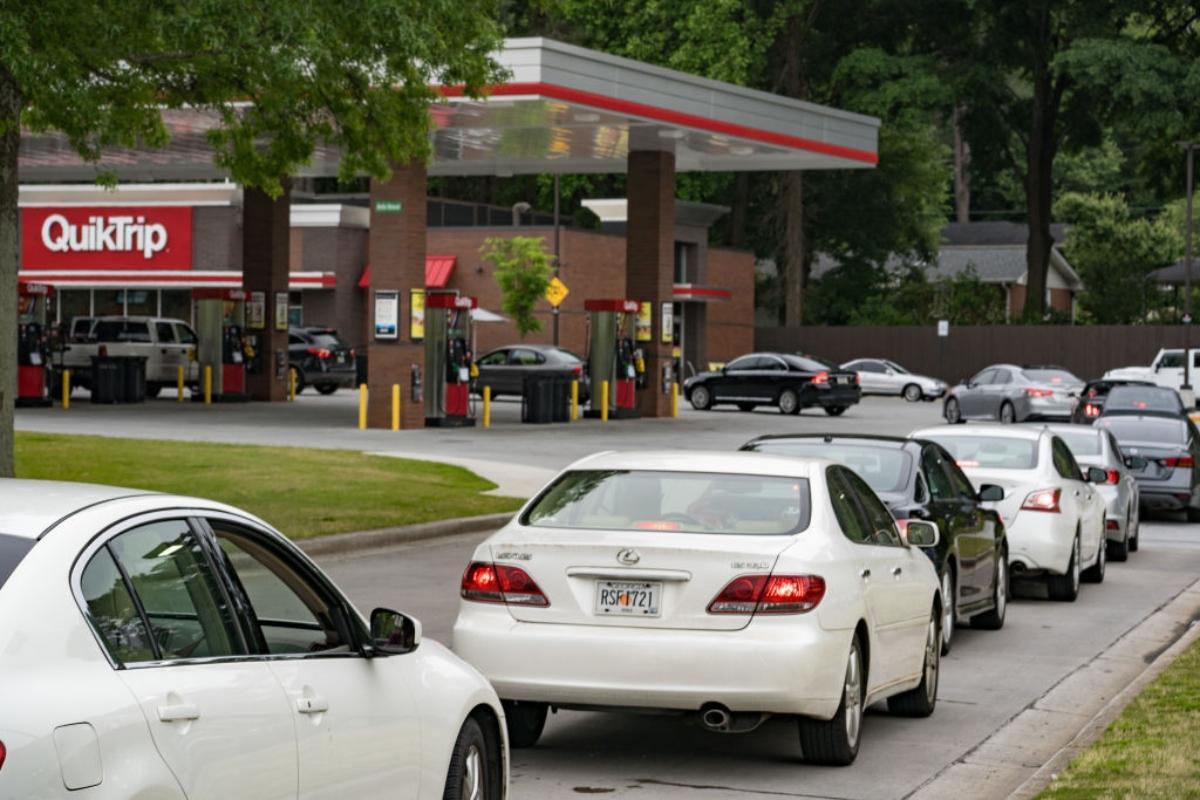
Transit agencies throughout the United States are reporting growing ridership as commuters seek ways to reduce monthly fuel expenses.
Bus systems, commuter rail lines, and urban transit networks are seeing increased demand during peak work hours. Officials say the rise includes people from a wide range of economic backgrounds, demonstrating how broadly the fuel crisis is impacting consumers.
Many passengers now use commuting time more productively by working remotely, answering emails, or watching videos instead of focusing on traffic congestion and parking challenges.
Why Public Transit Is Becoming More Attractive
Several major factors are contributing to the increase in transit use:
- Rising gasoline prices
- Higher parking fees
- Increased vehicle maintenance costs
- Inflation affecting household budgets
- Greater acceptance of flexible commuting schedules
Transportation experts say these trends could continue if fuel costs remain elevated through the summer travel season.
Creative Transportation Alternatives Gain Attention
One of the most talked-about stories tied to the fuel crisis involves Americans experimenting with unconventional transportation solutions.
Social media platforms are filled with videos showing modified scooters, electric bicycles, compact commuter vehicles, and other low-cost alternatives designed to reduce gasoline dependency. Consumers are increasingly sharing strategies for saving money while maintaining mobility.
The trend reflects growing frustration among drivers facing sharply higher transportation expenses.
“Americans have always adapted during periods of economic pressure,”
said one consumer behavior specialist.
“Transportation is simply the latest area where creativity is emerging.”
Online conversations surrounding fuel-saving methods are attracting millions of views, especially among younger audiences.
Families Reevaluate Summer Travel Plans
The tourism industry is also beginning to feel the effects of changing consumer behavior. Many households are reducing long-distance road trips, shortening vacations, or focusing on local destinations to avoid excessive fuel spending.
Travel analysts say the rising cost of gasoline could reshape summer tourism trends nationwide.
Families already dealing with inflation in food, housing, and entertainment now face additional pressure from transportation costs. As a result, budget-conscious travelers are searching for affordable alternatives closer to home.
Some camps, resorts, and tourism organizations are even adjusting marketing campaigns to address consumer concerns about fuel expenses.
SUV Owners Face Growing Financial Pressure
Drivers of larger vehicles are facing some of the strongest financial pressure from high gas prices during the current fuel surge across the United States.
SUVs and pickup trucks remain extremely popular, but lower fuel efficiency is making ownership increasingly expensive for American households. In many regions, filling a larger vehicle now regularly costs more than $90, adding serious strain to family budgets already impacted by inflation and rising living expenses.
As high gas prices continue affecting transportation costs, consumer interest in hybrid vehicles, compact crossovers, and fuel-efficient sedans is steadily increasing. Automakers are closely monitoring the trend as buyers shift priorities toward affordability, fuel savings, and long-term efficiency.
Industry analysts believe prolonged periods of high gas prices could accelerate demand for electric vehicles, alternative energy transportation systems, and expanded public transit infrastructure throughout the country.
Transportation Costs in 2026
National Fuel and Transportation Trends
| Category | 2025 Average | 2026 Average |
|---|---|---|
| National Gasoline Price | $3.00 | $4.52 |
| Average SUV Fill-Up | $65 | $95+ |
| Public Transit Usage | Moderate | Increasing |
| Long-Distance Travel | Stable | Declining |
| Fuel Price App Usage | Rising | Surging |
High Fuel Costs Ripple Through the Economy
The economic consequences of rising transportation costs extend far beyond individual consumers.
Businesses that rely heavily on transportation, including delivery services, contractors, restaurants, and logistics companies, are all facing higher operating expenses. Many small businesses are now adjusting service areas or introducing additional charges to offset fuel costs.
Restaurants and retail companies also face higher distribution expenses, which can contribute to broader inflation across multiple industries.
Industries Feeling the Strongest Pressure
Businesses most affected by rising fuel expenses include:
- Delivery companies
- Food distributors
- Construction contractors
- Landscaping services
- Mobile repair providers
- Tourism operators
Economists warn that prolonged fuel inflation could continue weakening consumer spending in other sectors of the economy.
| Year | Trigger Event | National Impact |
|---|---|---|
| 1973 | Oil Embargo | Fuel shortages and inflation |
| 2008 | Global oil surge | Economic slowdown |
| 2022 | Supply chain disruptions | Transportation inflation |
| 2026 | Energy market instability | Reduced driving and higher commuting costs |
Historically, fuel price surges have often triggered broader changes in consumer behavior and economic policy. Analysts say the current environment could accelerate investment in public transportation, electric vehicle infrastructure, and alternative energy technologies.
Younger Americans Shift Transportation Priorities
Younger generations appear increasingly comfortable with alternatives to traditional vehicle ownership.
Remote work flexibility, rideshare services, urban living preferences, and environmental awareness had already started changing transportation habits before fuel prices surged. The latest increase is accelerating those trends even further.
Many younger consumers now prioritize affordability and flexibility over maintaining large personal vehicles.
“Transportation habits are evolving much faster among younger consumers,”
said a mobility industry consultant.
“Cost efficiency is becoming more important than vehicle size or status.”
Fuel Giveaways and Promotions Draw Attention
Businesses and tourism agencies are responding creatively to growing consumer frustration caused by high gas prices and rising transportation expenses across the country.
Promotional fuel giveaways and discounted gasoline events are drawing long lines in several cities as companies attempt to encourage travel and consumer spending. Many drivers are willing to wait extended periods for opportunities to lower fuel costs and reduce pressure on household budgets.
The popularity of these promotions highlights how financially and emotionally significant gasoline prices have become for millions of American families.
Could Transportation Habits Permanently Change?
Some economists believe the current fuel environment could permanently alter how Americans commute and travel.
Consumers who discover affordable public transit options, remote work flexibility, or fuel-efficient alternatives may continue those habits even if gasoline prices eventually decline.
Cities may also increase investment in commuter infrastructure and public transportation systems if demand continues rising.
The long-term impact could reshape transportation planning across the United States for years to come.
High gas prices are changing daily life across America in 2026 as households, businesses, and commuters adapt to rising transportation costs. From increased public transit use to reduced travel and creative commuting alternatives, consumers are rapidly adjusting behavior in response to economic pressure.
While many Americans hope fuel prices eventually stabilize, analysts believe some transportation changes may become permanent as affordability and efficiency continue influencing consumer decisions nationwide.