
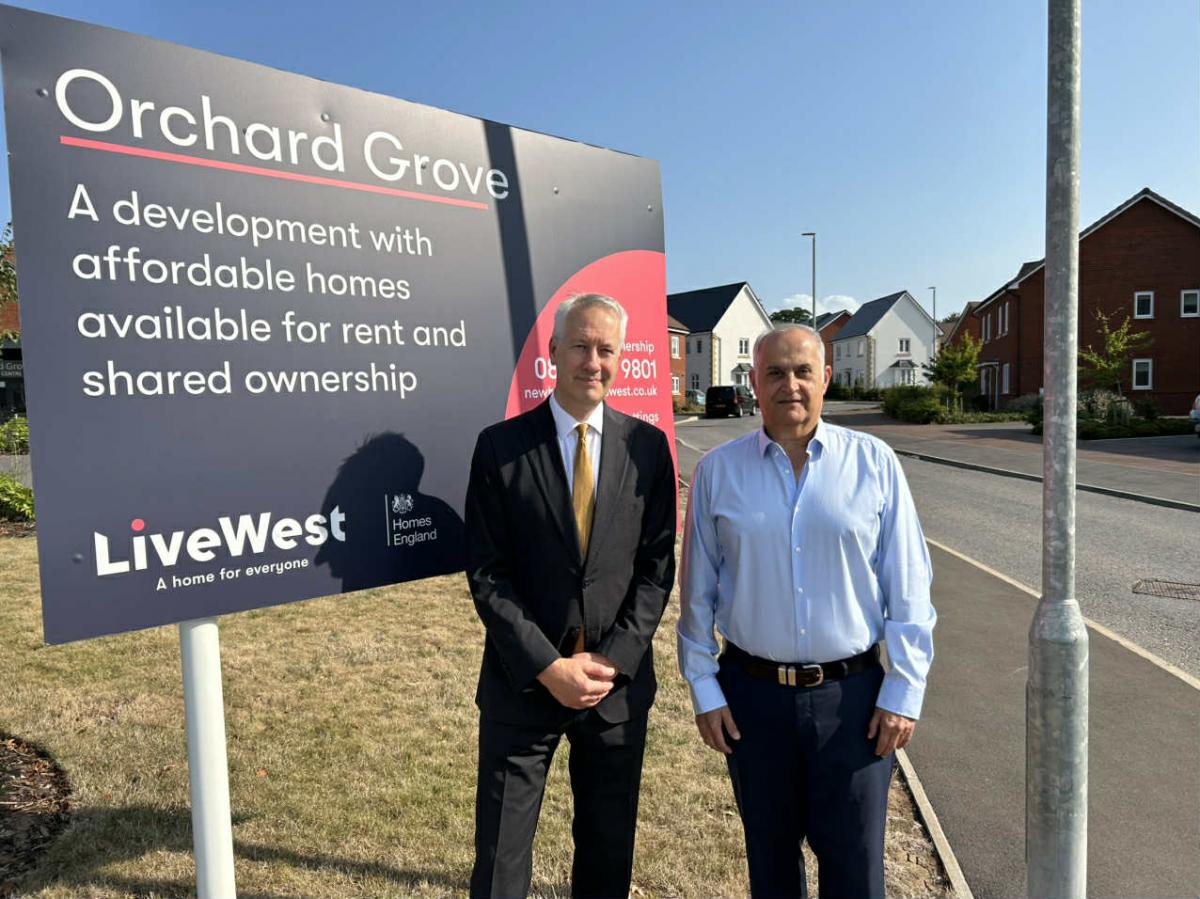
I was pleased to speak in a Westminster Hall debate on the housing needs of young people – a subject close to my heart.
This was a debate about probably the single biggest thing affecting young people’s lives and their futures – whether it’s owning or renting, housing dominates their lives.
Having a decent home – one you can afford – is fundamental to all other freedoms.
So, we Liberal Democrats welcome and support the government’s commitment to £3.9 billion per year for social housing and urge them to go further and faster.
We also campaigned for an end to no-fault evictions and therefore supported the Renters Rights Act.
Ending no-fault evictions was long overdue – the previous government promised it and never delivered. Giving tenants the security they deserve is right.
We need an approach which will not only deliver lower rents but also help a new generation get the chance to buy a home of their own.
Average deposits have more than doubled as a share of income in almost every region of the country (London being even higher) compared with 30 years ago.
According to the Resolution Foundation. just one in ten potential first-time buyers can now pass the mortgage tests needed to buy a starter home.
And actually saving for that deposit in the first place has never been harder – because rents are higher than ever, both in real terms and as a percentage of income.
According to the English Housing Survey young private renters aged 16 to 24 now spend, on average, half their income on rent – the highest of any age group.
One of my constituents told me that he has paid more in rent over the last 20 years than the value of a house, yet does not own one breeze block, and is left with little hope for his three children.
And, for the most vulnerable young people, the consequences go further than deferred aspiration.
An estimated 124,000 young people approached their local authority because they were homeless or at risk of homelessness in 2024-25 – a 6% rise on the previous year, and the third consecutive year that figure has gone up.
One young person facing homelessness every four minutes. That pushes people out of education, out of work, and into a cycle that is very hard to escape.
Crisis has found that 58% of employers are less likely to hire someone experiencing homelessness.
And the welfare system is making this worse.
Under 35s are only eligible for the Shared Accommodation Rate – a lower housing benefit entitlement intended to cover shared accommodation, at a time when the number of HMOs has fallen 10% since 2019.
The Shared Accommodation Rate is a false economy and our manifesto committed to abolishing it for homeless people – they should not be penalised for being homeless.
And, for leaseholders who have bought, many are facing potential negative equity as the costs of remediation or unfair and mounting service charges and ground rents accumulate.
It’s time to abolish residential leasehold and cap unreasonable service and estate management charges and I hope the government will do so in its forthcoming bIll.
Our manifesto set out a commitment to build 150,000 social homes a year, with an extra £6 billion per year – £30 billion over the Parliament – to roll them out.
Not just the 90,000 per year that Shelter and the National Housing Federation say are desperately needed, but many more than that so it is not just those in desperate need who would qualify – working people on average wages need access to affordable homes too.
This is what we need to bring about – housing that young people can genuinely afford.
In addition to social and council rent homes, we would develop a new generation of rent to own homes.
Liberal Democrats would take a different approach to affordable homes to buy and I would instead encourage the government to make use of the powers to acquire land at existing use value and to ensure it is raising sufficient funding from levies on development to increase delivery of homes young people really can afford.
Young people also need a real route out of private renting.
That means a serious, funded social housebuilding programme, including tenures specifically designed for young people – capping rent rises in the way we proposed so that young people can actually save and options such as Rent to Own that allow renters to build towards ownership of their own home over time.
If the government won’t raise spending on social homes to the £6 billion per year we proposed in our manifesto, it should write off historic costs of council housebuilding so authorities are freed up to build council houses.
That one move could see more than 600 new council houses built in Somerset alone.