


New Delhi, India (Parliament Politics Magazine) India consumer demand continued strengthening in April 2026 as rising household spending, urban economic expansion, and improving business confidence supported growth across multiple sectors of the economy. Economists say the latest business activity data highlights the resilience of India’s domestic market despite uncertainty affecting several international economies.
Retail spending, hospitality services, transportation activity, financial services, and digital commerce sectors all experienced stronger customer demand during the month. Analysts believe India’s expanding middle-class population and increasing digital adoption continue fueling long-term economic growth throughout the country.
The latest economic indicators also reinforced optimism surrounding India’s position as one of the fastest-growing major economies globally. Financial institutions increasingly view domestic consumption as one of the country’s strongest economic advantages during periods of international market volatility.
Several industries connected to urban spending and digital services reported improved activity levels as consumers increased purchases across both traditional retail and online platforms.
“India’s domestic economy continues demonstrating strong resilience because of rising consumer participation and expanding middle-class spending power,”
one regional economist said.
Retail and digital spending continue expanding
The recent increase in India consumer demand has been especially visible within retail and digital commerce sectors.
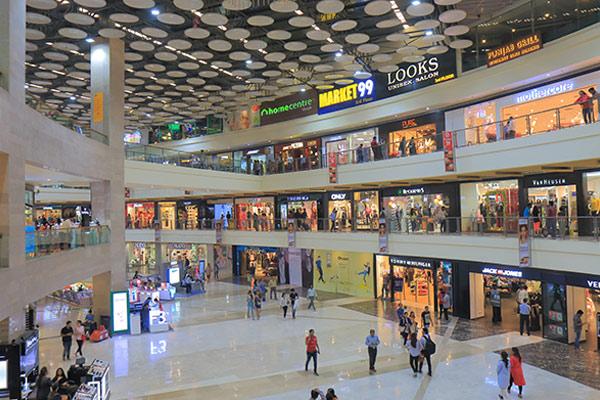
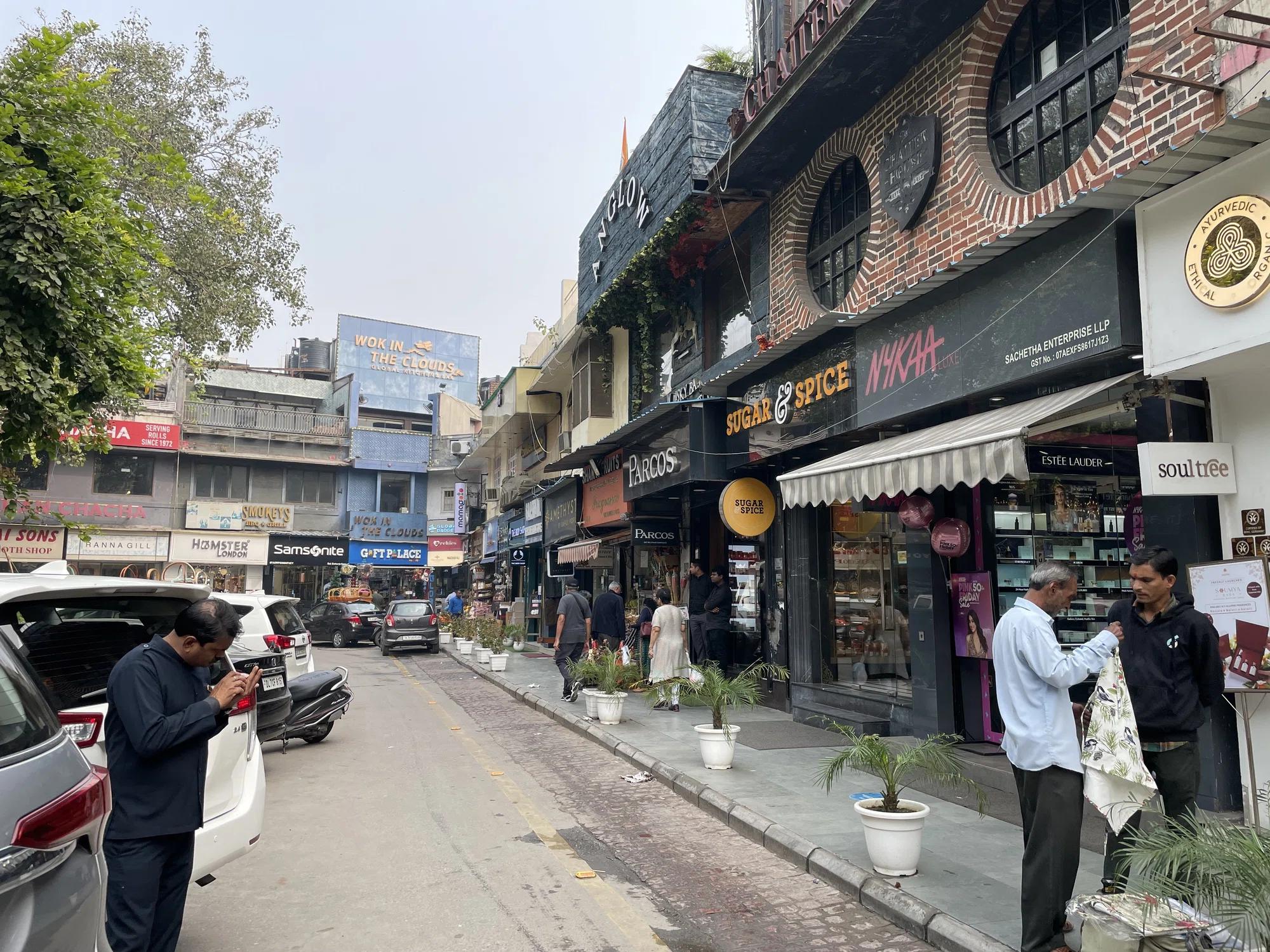
Large urban markets across India experienced stronger activity in shopping centers, online marketplaces, hospitality businesses, and consumer services during April. Economists say improving consumer confidence and greater access to digital financial systems are helping accelerate spending patterns nationwide.
India’s growing internet connectivity and smartphone usage continue transforming consumer behavior. Online shopping platforms, food delivery services, digital payments, and app-based transportation providers all reported expanding activity as digital adoption increased further in 2026.
Analysts believe this expanding digital economy could continue supporting long-term domestic growth across multiple industries.
Consumer demand has also strengthened in sectors including:
- Consumer electronics
- Financial technology services
- Healthcare spending
- Tourism and travel
- Restaurants and hospitality
- Online education platforms
- Entertainment subscriptions
- Transportation services
The expanding role of urban consumers and digital transactions remains central to India’s broader economic transformation.
Service industries benefiting from stronger domestic activity
India’s service economy remains one of the most important drivers of national economic growth.
Financial services, telecommunications, information technology, retail, transportation, hospitality, and healthcare industries all continue benefiting from stronger domestic demand conditions.
The recent rise in India consumer demand has helped businesses increase hiring activity, expand operations, and improve revenue performance during the first half of 2026.
Several companies participating in economic surveys reported stronger order volumes and improved customer activity compared to previous months.
Economists say this broad-based improvement demonstrates how internal consumption is becoming increasingly important for sustaining India’s economic momentum.
Unlike some export-dependent economies facing slower global trade activity, India continues relying heavily on domestic spending to support growth.
Urbanization supporting long-term economic expansion
Rapid urbanization continues reshaping India’s economic landscape.
Millions of people continue moving toward urban centers seeking employment opportunities, improved infrastructure, and access to digital services. This population movement is increasing demand for housing, transportation, retail services, telecommunications, and consumer products.
Cities including New Delhi, Mumbai, Bengaluru, Hyderabad, Pune, and Chennai remain major growth centers for technology development, financial services, and consumer spending activity.
The growing influence of India consumer demand within urban regions has encouraged additional investment across infrastructure, real estate, transportation systems, and digital connectivity projects.
Analysts believe India’s urban expansion could remain one of the country’s strongest economic growth drivers throughout the coming decade.
Business confidence improves across major industries
Business activity surveys released during April indicated improving confidence among companies operating across India’s service and retail sectors.
Several firms reported expectations for stronger customer activity, higher sales growth, and expanding business opportunities during the remainder of the year.
The continued rise in India consumer demand has encouraged businesses to increase investment in staffing, technology infrastructure, logistics systems, and customer service operations.
Some industries also reported stronger profitability as improving demand helped offset inflation-related cost pressures affecting parts of the economy.
Financial institutions continue monitoring domestic consumption trends closely because consumer spending remains a major indicator of long-term economic health.
History of India’s consumer economy expansion
How India became one of the world’s fastest-growing consumer markets
Over the past three decades, India transformed into one of the world’s largest and fastest-growing consumer economies.
Economic reforms introduced during the 1990s accelerated investment, industrial development, technology growth, and private sector expansion across the country.
As incomes improved and urbanization accelerated, household consumption increased substantially across sectors including retail, healthcare, education, transportation, entertainment, and financial services.
The rapid expansion of India’s information technology sector also helped strengthen employment opportunities and middle-class purchasing power.
During the 2010s and early 2020s, smartphone adoption and internet connectivity dramatically expanded digital commerce and online consumer activity throughout both urban and rural regions.
Today, India consumer demand represents one of the most important economic growth engines in Asia and global emerging markets.
Global investors increasingly focused on India
International investors continue closely monitoring India because of its long-term economic growth potential and expanding consumer market.
Several major financial institutions believe India could remain one of the world’s fastest-growing large economies due to:
- Strong domestic demand
- Growing middle-class population
- Rapid digital transformation
- Expanding infrastructure investment
- Technology sector growth
- Urban economic expansion
The continued strength in India consumer demand has therefore become an important factor influencing global investment strategies.
Foreign companies also continue expanding operations throughout India to capitalize on rising household consumption and digital service adoption.
Inflation and global uncertainty remain concerns
Despite positive growth trends, economists continue monitoring several risks affecting the broader economy.
Inflation pressures, energy price volatility, geopolitical tensions, and fluctuations in global trade conditions remain important challenges for policymakers and businesses.
Companies continue balancing expansion opportunities with concerns regarding operating costs, labor expenses, and supply chain stability.
However, analysts believe India’s strong domestic economy provides an important cushion against external market disruptions.
This internal resilience has become increasingly valuable during periods of global economic uncertainty.
“India’s consumer-driven economy gives the country greater flexibility during periods of international market instability,”
one financial strategist explained.
Technology and fintech sectors continue expanding
India’s digital economy continues benefiting from strong consumer participation.
Financial technology platforms, online payment systems, e-commerce providers, and digital banking services all reported increasing customer adoption during 2026.
The expanding role of digital services within India consumer demand trends reflects broader technological transformation occurring throughout the country.
Government initiatives supporting digital payments and infrastructure modernization have also contributed to the rapid growth of online commerce and financial inclusion.
Analysts believe India’s digital consumer economy may continue attracting significant international investment during the coming years.
“Digital adoption is reshaping consumer spending patterns across nearly every sector of India’s economy,”
one technology analyst said.
Final Economic Outlook
India consumer demand continued strengthening in 2026 as rising household spending, urban expansion, and digital transformation supported broad-based economic growth across multiple industries.
Retail, hospitality, technology, transportation, and financial services sectors all benefited from stronger domestic activity during April, reinforcing optimism surrounding India’s long-term economic outlook.
Economists believe the country’s expanding middle class, digital economy, and growing urban markets may continue supporting India’s position as one of the world’s fastest-growing major economies throughout 2026 and beyond.
India Consumer Demand
- Country: India
- Main growth driver: Domestic consumer spending
- Key industries benefiting: Retail, technology, hospitality, finance
- Economic trend: Rising urban and digital consumption
- Consumer activity focus: Online commerce and services
- Major support factor: Expanding middle-class population
- Investor outlook: Positive long-term domestic growth
- Key economic regions: New Delhi, Mumbai, Bengaluru
- Year: 2026