

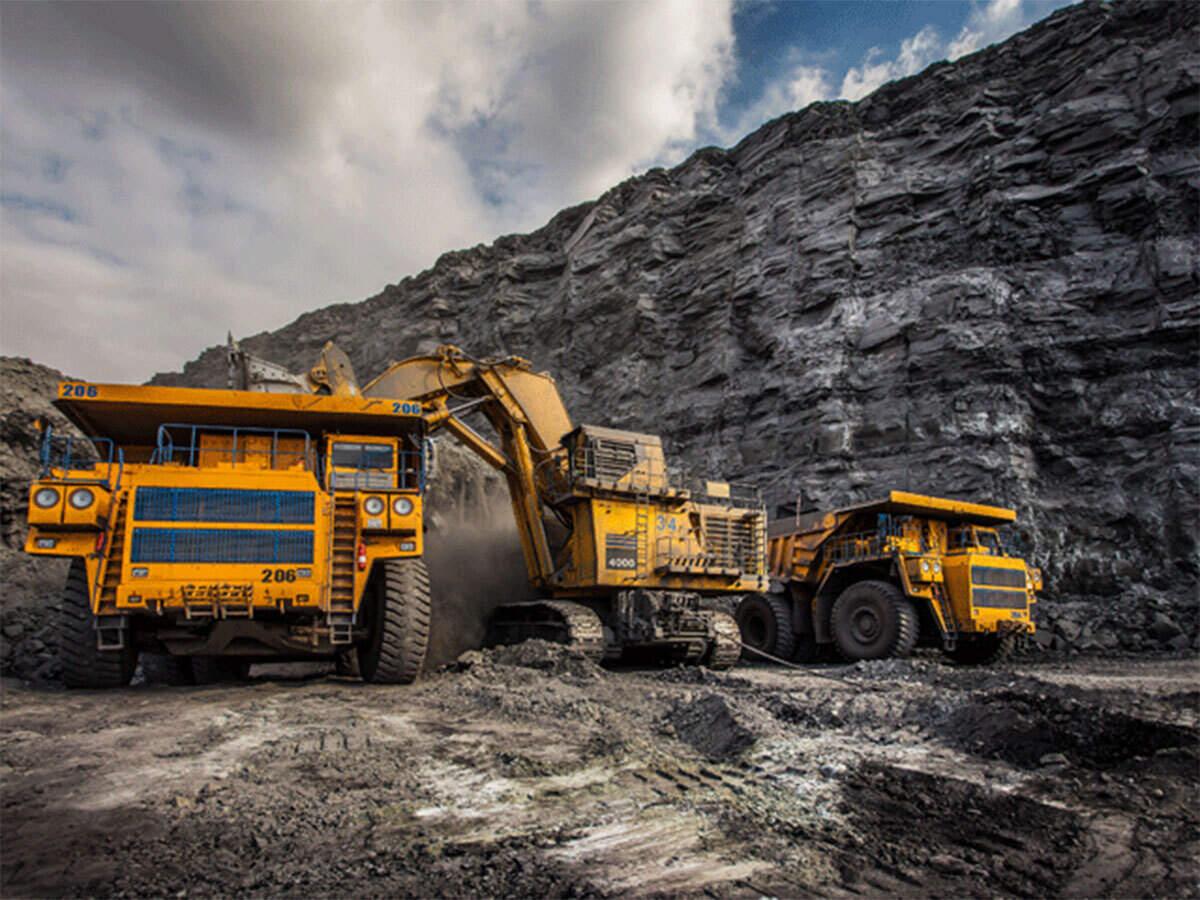
India is reportedly preparing a major Coal India stake sale worth approximately $1.06 billion.
The proposed transaction highlights growing investor focus on the India energy sector and long-term electricity demand.
Analysts say the move reflects New Delhi’s strategy to balance fiscal goals with rising energy consumption.
NEW DELHI, India (Parliament Politics Magazine) India energy sector developments gained global attention Thursday after reports indicated the Indian government is preparing to divest shares worth approximately $1.06 billion in state-owned Coal India Ltd., a move expected to influence investor sentiment across Asia’s rapidly expanding energy market.
The proposed transaction could become one of India’s most closely watched government divestment efforts this year as policymakers continue balancing economic growth, electricity demand, and fiscal priorities. Financial analysts said the potential offering highlights how the India energy sector remains central to both domestic economic policy and international investment strategies.
Coal India, one of the world’s largest coal-producing companies, plays a critical role in supporting electricity generation and industrial activity across India. The company supplies coal to power plants, manufacturers, steel producers, and infrastructure projects throughout the country.
The reported divestment comes as India continues experiencing strong economic expansion and rising energy consumption linked to urbanization, industrial development, and population growth.
Data Snapshot
Location: New Delhi, India
Date: May 7, 2026
Industry: Energy and Mining
Company: Coal India Ltd.
Estimated Stake Sale: $1.06 billion
Focus Area: India energy sector
Market Impact: Investor attention on state-run energy assets
Government Pushes Forward With Divestment Strategy
India has repeatedly used stake sales in state-run companies to raise revenue while maintaining government influence over strategically important industries.
The possible Coal India offering reflects a broader economic strategy aimed at improving fiscal flexibility and attracting investor participation in major public-sector enterprises.
Analysts said the government likely expects strong market demand because the India energy sector continues attracting global investment despite increasing international climate concerns.
One financial strategist in Mumbai described Coal India as a company still viewed as financially important for both domestic and international investors.
“Coal India remains deeply connected to India’s economic and energy security priorities, making it one of the most important companies in the country’s industrial structure,”
the analyst said.
Officials have not formally confirmed final transaction details, but reports surrounding the possible offering have already triggered discussions across financial markets.
Coal Remains Essential to India’s Electricity System
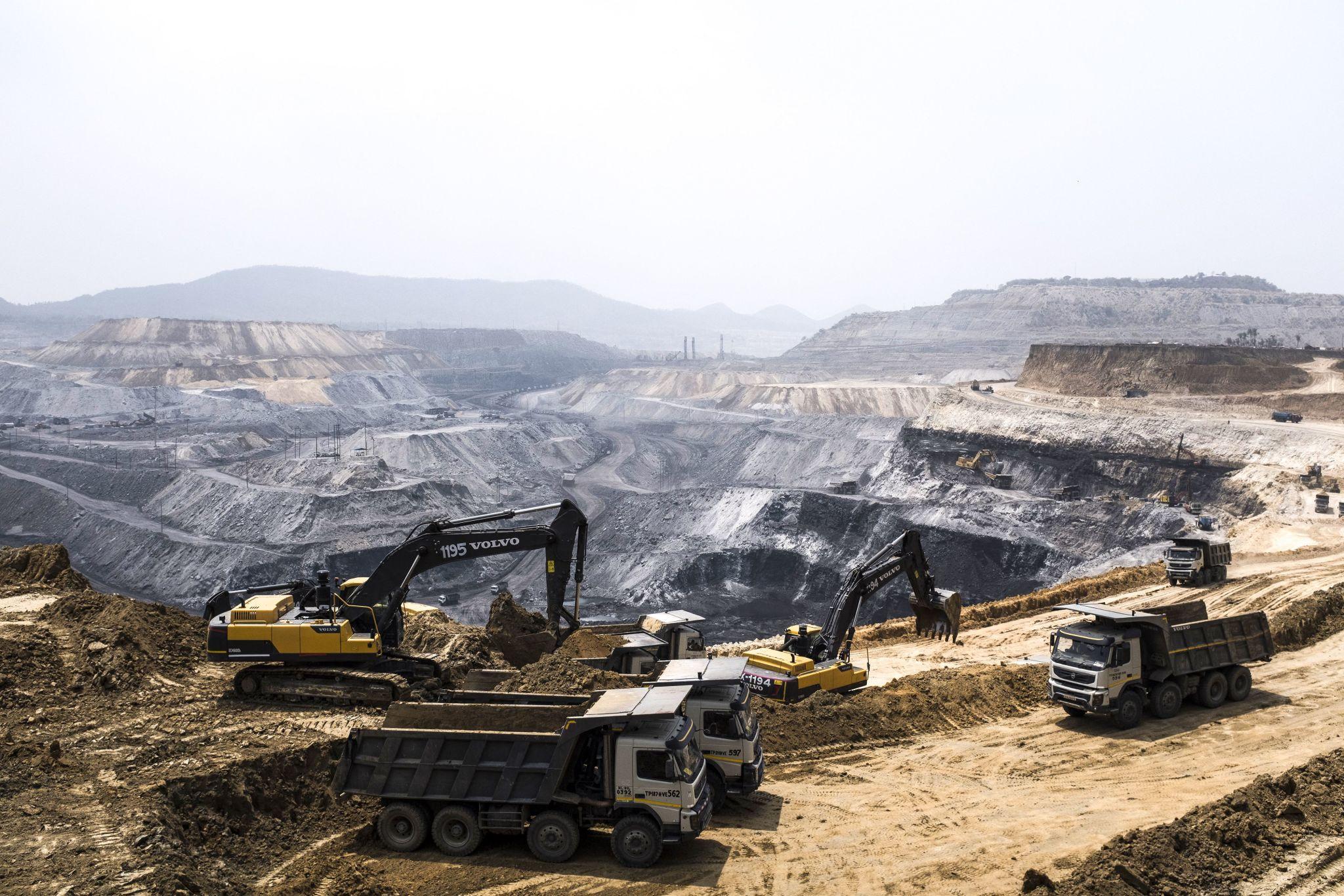
The India energy sector remains heavily dependent on coal despite growing investment in renewable energy infrastructure.
Coal-fired power plants continue supplying a large share of India’s electricity demand, especially during periods of rapid industrial activity and high summer energy consumption.
Government officials have repeatedly stated that India cannot immediately reduce coal dependence without risking supply disruptions and economic instability.
The country continues expanding solar, wind, and hydroelectric investments, but coal remains essential for maintaining grid reliability across major urban and industrial regions.
Analysts believe coal demand inside India may remain elevated for years because of infrastructure expansion, manufacturing growth, and rising consumer electricity needs.
The possible Coal India stake sale therefore reflects the ongoing importance of traditional energy assets within India’s broader economic strategy.
Investors Monitor India’s Energy Growth
International investors continue viewing the India energy sector as one of the most significant long-term growth opportunities in emerging markets.
India’s rapidly expanding economy requires enormous investments involving power generation, transportation infrastructure, industrial production, and technology development.
Many institutional investors see state-run energy companies as critical components of India’s long-term economic expansion plans.
At the same time, some environmental investment groups remain cautious about increasing exposure to fossil fuel assets due to climate-related concerns.
This divide reflects broader global debates surrounding energy security, economic growth, and decarbonization policies.
Market analysts said investor participation in any Coal India offering could provide important signals regarding global confidence in India’s energy and industrial outlook.
History of India’s Energy Expansion Strategy
India has spent decades building one of the world’s largest energy infrastructures to support economic development and population growth.
Coal became the backbone of the country’s electricity generation system during periods of industrial expansion and urbanization.
Successive governments invested heavily in state-run mining operations, power generation facilities, transportation networks, and industrial energy systems to meet rising national demand.
Over time, India also emerged as one of the world’s fastest-growing renewable energy markets, particularly in solar and wind energy projects.
Despite renewable expansion, coal remains deeply integrated into the India energy sector, especially because of affordability, availability, and existing infrastructure capacity.
The government’s latest divestment strategy reflects ongoing efforts to modernize public finances while maintaining control over strategically important energy assets.
Global Pressure Continues Over Fossil Fuel Use
The possible Coal India transaction comes during increasing international pressure on governments to reduce carbon emissions and accelerate clean energy transitions.
Several Western governments and environmental organizations continue encouraging countries to reduce coal dependence as part of global climate goals.
Indian officials, however, argue that developing economies face different challenges compared to wealthier nations with established infrastructure systems.
The government has repeatedly emphasized that economic growth, industrialization, and poverty reduction remain top national priorities.
As a result, the India energy sector continues balancing renewable energy investments with the need for reliable fossil fuel-based electricity generation.
Some analysts believe India’s gradual transition strategy may continue for decades as energy demand expands nationwide.
Market Impact Could Extend Beyond India
The reported stake sale could also influence global commodity markets and international energy investment trends.
Coal prices, industrial demand forecasts, and emerging-market investment sentiment may all react to developments surrounding Coal India.
Financial institutions worldwide continue monitoring India because of its increasing influence on global energy consumption patterns.
The country’s energy policies now play an important role in international discussions involving economic growth, industrial development, and climate strategy.
Analysts believe the India energy sector will remain a major focus for investors, governments, and commodity traders throughout 2026 and beyond.
Key Takeaways
The proposed Coal India divestment highlights the continuing importance of the India energy sector during a period of rapid economic growth and rising electricity demand.
Coal remains central to India’s industrial and energy infrastructure even as renewable investments continue expanding.
Investors worldwide are closely monitoring how India balances economic priorities, fiscal management, and long-term energy transition goals.