

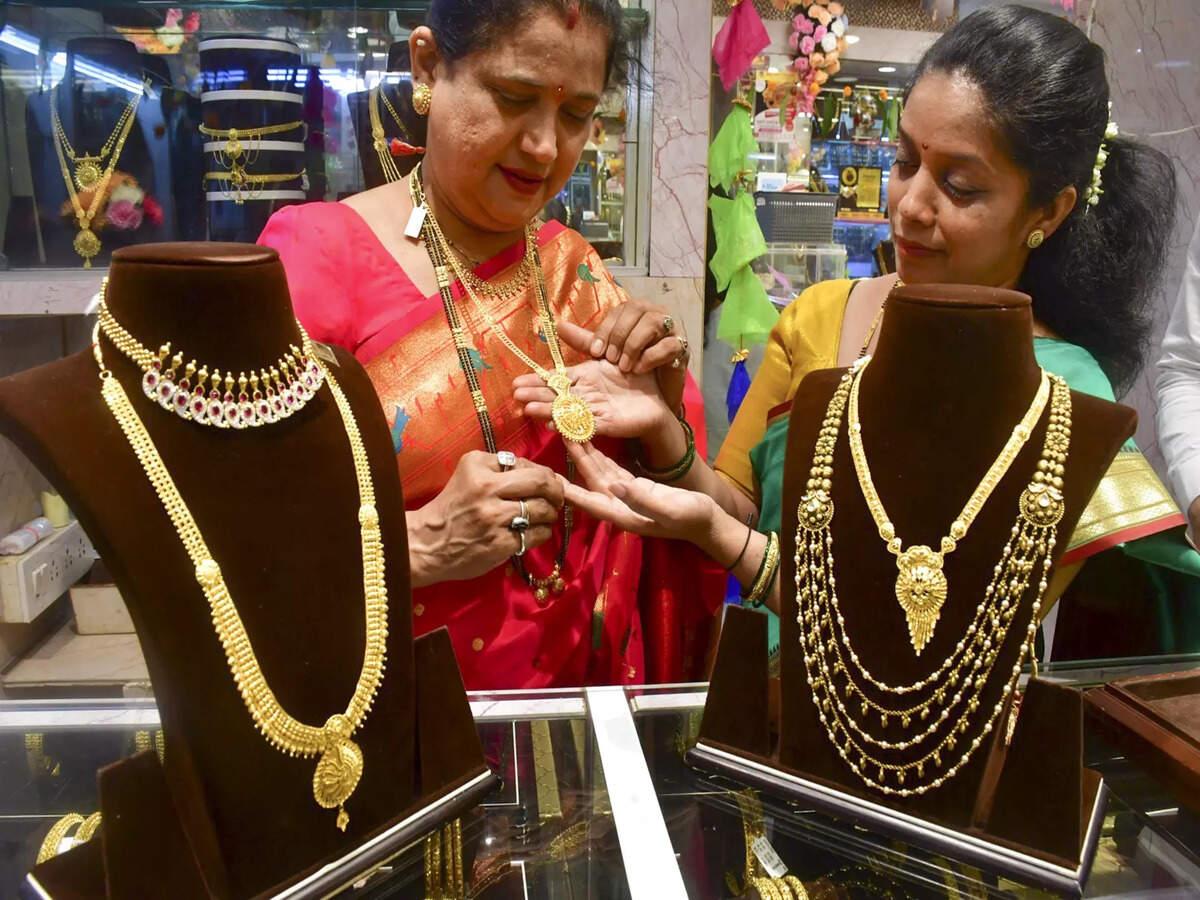
Indian jewellery stocks fell sharply after Prime Minister Narendra Modi urged citizens to pause gold purchases to help stabilize the rupee.
Investors reacted quickly as fears grew over weaker consumer demand and rising pressure on India’s import-heavy economy.
Analysts say the controversy surrounding India gold demand could reshape bullion markets and investor sentiment in 2026.
MUMBAI, India (Parliament Politics Magazine) India gold demand came under intense market focus Monday after Indian Prime Minister Narendra Modi urged citizens to temporarily pause gold purchases to help stabilize the rupee and reduce economic pressure linked to rising imports.
The remarks triggered immediate declines in jewellery company shares and increased uncertainty across India’s bullion market. Investors reacted quickly as concerns grew that slowing consumer purchases could hurt one of the country’s most influential retail sectors.
Analysts said the government’s message reflects broader fears surrounding currency stability, foreign exchange reserves, and rising import costs during a period of global financial volatility.
“Gold has emotional value in India, but economic stability has become a national priority,”
a Mumbai-based financial strategist said after the market selloff.
India Gold Demand Crisis 2026
- Prime Minister: Narendra Modi
- Main Issue: India urges slowdown in gold purchases
- Market Impact: Indian jewellery stocks moved lower
- Economic Concern: Pressure on Indian rupee and foreign reserves
- Industry Affected: Jewellery, bullion, and luxury retail sectors
- Investor Mood: Defensive and cautious
- Global Impact: Possible influence on international gold prices
- Key Focus: Rising concerns over India gold demand
- Location: Mumbai, India
- Year: 2026
Jewellery Stocks Decline Across Indian Markets
Leading jewellery retailers and bullion-linked companies faced sharp losses after Modi’s comments spread through financial markets. Traders feared weaker consumer activity could affect sales during upcoming wedding and festival seasons.
Several investors shifted capital away from retail luxury sectors and toward defensive industries including banking and infrastructure. The market reaction highlighted growing sensitivity surrounding India gold demand and its impact on the broader economy.
Financial experts warned that even temporary weakness in gold buying could affect employment, retail activity, and import-driven revenue streams connected to India’s jewellery sector.
“Markets are interpreting this as more than advice — they see it as a warning signal,”
one commodities analyst stated.
Modi Pushes Economic Discipline Amid Rupee Pressure
The Indian government has increasingly focused on protecting the rupee as global markets remain unstable due to geopolitical conflicts, oil price volatility, and changing international trade flows.
India imports massive amounts of gold every year, and those purchases are paid largely in U.S. dollars. Rising imports place additional pressure on India’s foreign currency reserves and contribute to rupee weakness.
Economists said Modi’s comments were aimed at encouraging economic discipline while reducing unnecessary import spending.
The renewed attention surrounding India gold demand also comes as policymakers monitor inflation risks and foreign investment flows.
Why Gold Remains Important in Indian Society
Despite market volatility, analysts believe long-term India gold demand will remain structurally strong because gold ownership is deeply connected to Indian culture, weddings, religious traditions, and family wealth preservation.
For many households, physical gold remains a trusted financial safety asset during periods of uncertainty.
Retail jewellers reported slower foot traffic in some major cities after the Prime Minister’s statement gained national attention. However, many business owners believe the slowdown may only be temporary.
“People may delay purchases for now, but gold remains part of Indian identity,”
one jewellery retailer in Mumbai explained.
Historical Perspective on India’s Gold Economy
India has historically ranked among the world’s largest gold-consuming nations. Multiple governments over the decades have attempted to reduce dependence on bullion imports through taxes, customs duties, and financial investment alternatives.
Previous restrictions occasionally reduced official imports but also contributed to increases in smuggling and unofficial gold trading.
The current debate over India gold demand reflects a broader economic balancing act between cultural traditions and national financial stability.
Experts say policymakers are now framing gold imports not simply as a consumer issue but as part of a larger economic security strategy.
Global Markets Monitor India Closely
International commodity markets are closely watching developments in India because shifts in India gold demand can influence global bullion pricing and trade flows.
If Indian purchases decline significantly, suppliers may redirect shipments toward other major Asian markets including China and Southeast Asia.
Commodity traders said India’s position in the global gold market means domestic policy comments from New Delhi can quickly impact international investor sentiment.
Meanwhile, the Indian rupee remains under pressure as investors evaluate global economic conditions and rising import expenses.
Economic Concerns Drive Investor Reactions
The controversy surrounding Modi’s statement demonstrates how sensitive investors remain to signals involving consumer spending and import-heavy industries.
The decline in jewellery shares reflected concerns that the government could eventually consider stronger intervention if gold imports continue rising.
Analysts noted that India gold demand is now becoming part of a larger discussion involving economic nationalism, currency defense, and long-term financial planning.
For now, investors remain cautious while waiting for additional guidance from India’s finance ministry and central bank officials.
Why Indian Jewellery Stocks Fell After Modi’s Gold Appeal in 2026
India’s jewellery sector faced market pressure after Prime Minister Narendra Modi urged citizens to pause gold purchases to help protect the rupee and stabilize the economy. The comments triggered declines in jewellery stocks and intensified debate over the economic impact of gold imports. While India’s cultural connection to gold remains powerful, concerns surrounding currency stability and import costs continue shaping investor sentiment in 2026.