New Delhi, India — March 7, 2026 — Parliament News — The India LPG price increase has become a major economic issue for households across the country as cooking gas prices rise amid global energy market uncertainty. Government officials confirmed that the adjustment reflects higher international supply costs and increased pressure on fuel distribution networks. The India LPG price increase affects millions of families who rely on liquefied petroleum gas cylinders for everyday cooking.
India is among the world’s largest consumers of LPG, making the domestic market particularly sensitive to global price fluctuations. As international supply chains respond to geopolitical tensions and shipping disruptions, the India LPG price increase highlights how global energy developments can quickly translate into higher household expenses.
For many families, cooking gas represents one of the most essential utilities. Any shift in pricing therefore carries immediate consequences for daily budgets and consumer spending.
Global Energy Tensions Influence LPG Costs
Energy analysts say the India LPG price increase is closely tied to developments in international fuel markets. LPG production is concentrated in regions that supply energy to countries across Asia, including major exporters in the Middle East.
When tensions rise in these regions or when transportation routes face disruption, energy prices often increase worldwide. The India LPG price increase therefore reflects a combination of supply uncertainty, higher shipping costs, and changes in global demand.
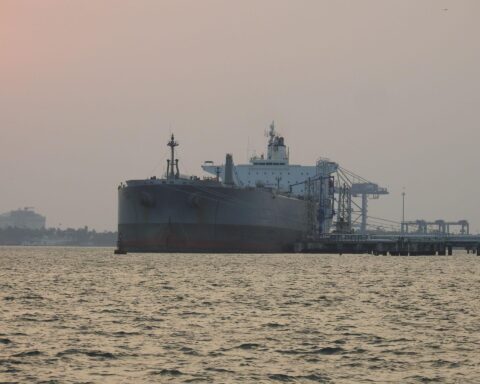
Shipping companies transporting LPG shipments to India have reported increased insurance premiums and operational costs. Those additional expenses eventually become part of the final retail price paid by consumers.
Because India imports a significant portion of its LPG supply, global market conditions play a major role in determining domestic fuel prices.
How the Price Increase Affects Indian Households
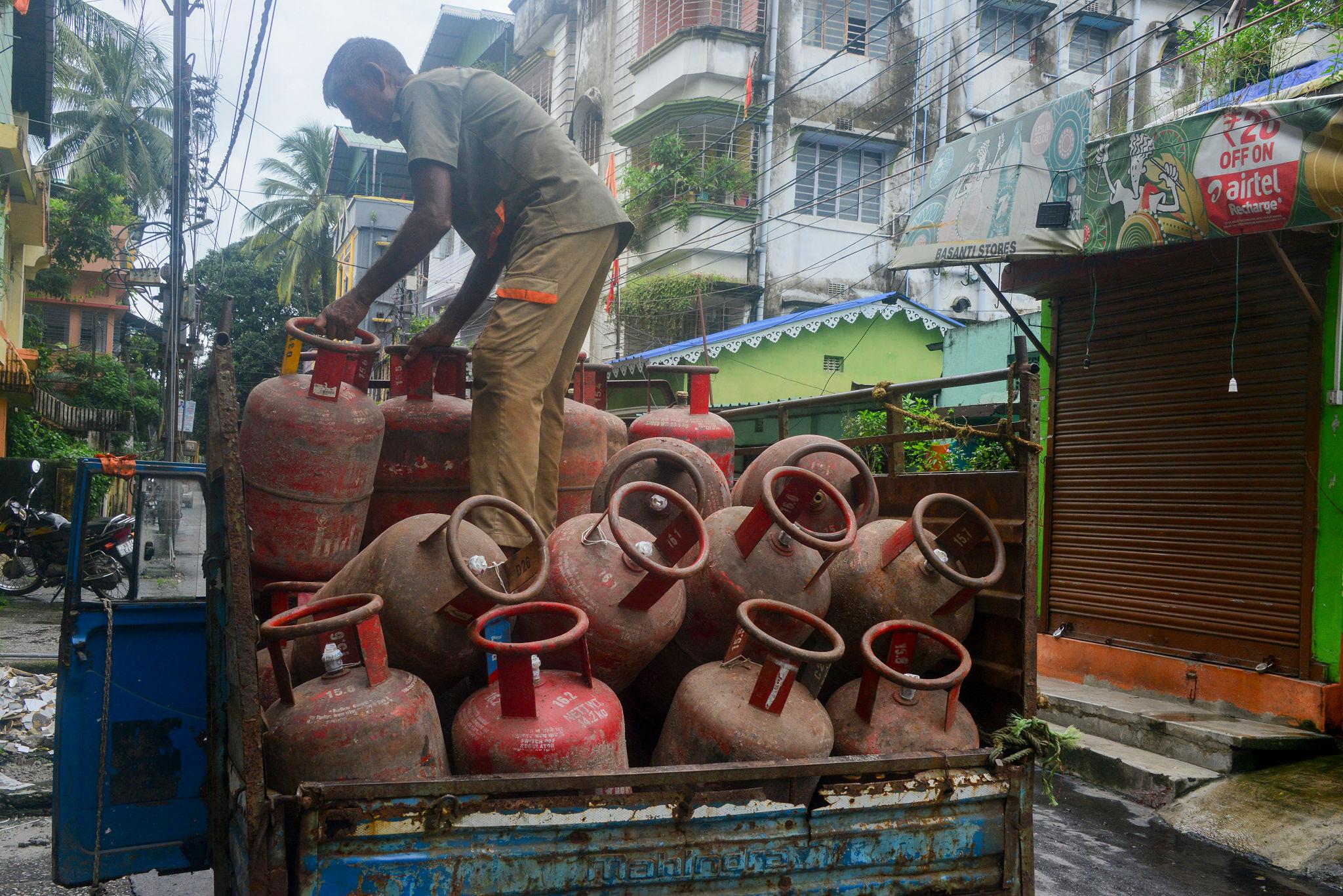
For households across India, the India LPG price increase represents more than a simple adjustment in fuel pricing. Cooking gas cylinders are used daily in homes across both urban and rural communities.
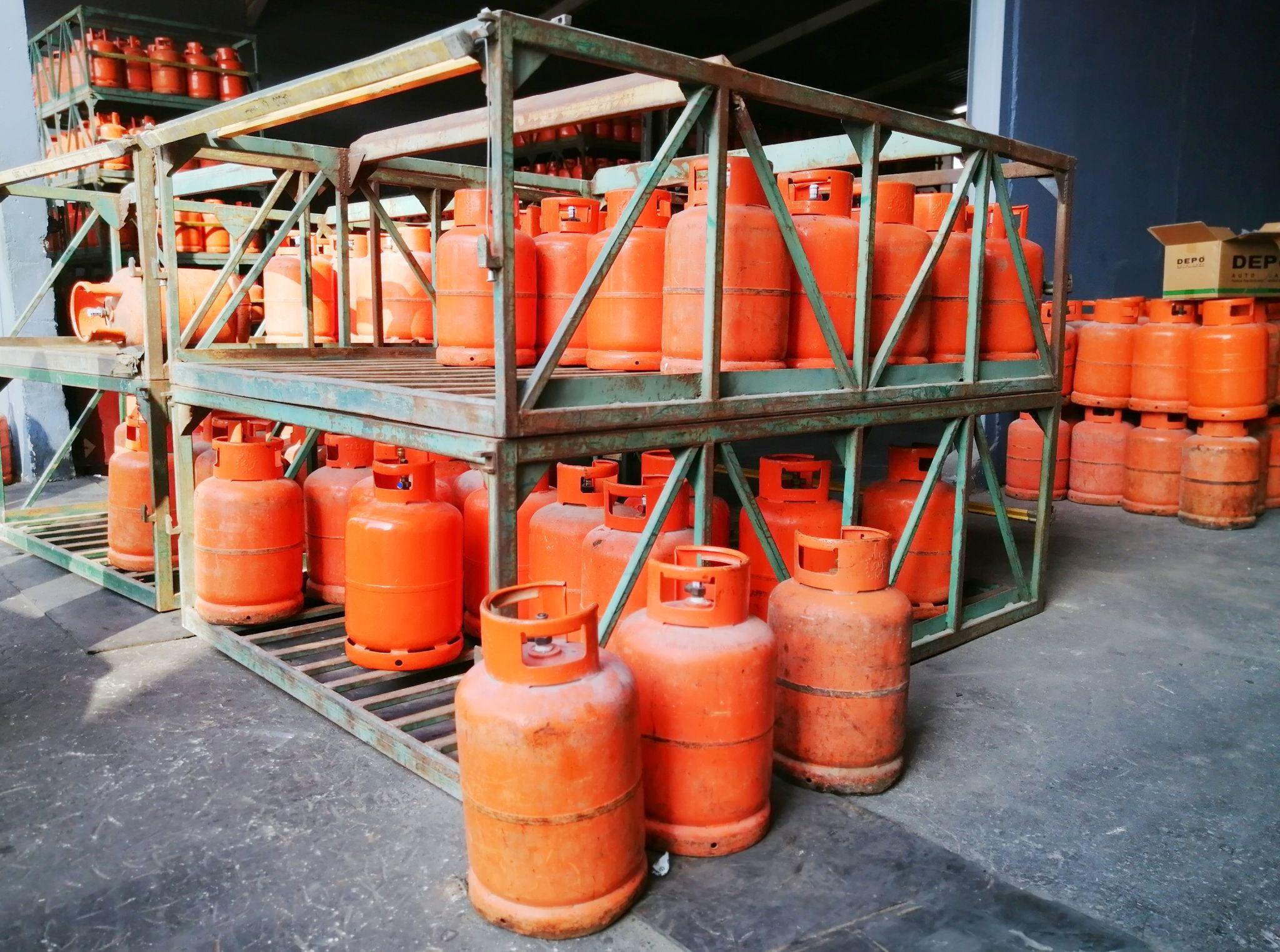
Families typically purchase LPG cylinder refills once every few weeks. When prices rise, household budgets must adjust accordingly.
The India LPG price increase is particularly challenging for lower income families who depend on LPG as their primary cooking fuel. Although government subsidy programs provide assistance for certain groups, many households still feel the impact of higher prices.
Economic analysts warn that energy price increases often ripple across other sectors of the economy. Transportation, food preparation, and small businesses may all experience cost pressures when fuel prices rise.
Government Monitoring the Situation
Officials have acknowledged the concerns surrounding the India LPG price increase and stated that authorities are closely monitoring market conditions. The government has emphasized that maintaining a stable supply of cooking gas remains a top priority.
Energy regulators periodically review LPG pricing policies to ensure they remain aligned with international market trends.
The India LPG price increase also highlights the importance of subsidy programs that help vulnerable households manage essential energy costs.
At the same time, policymakers are exploring strategies to reduce reliance on imported fuels through diversification and expanded domestic energy development.

Historical Comparison of LPG Price Fluctuations
The India LPG price increase follows a pattern seen during previous global energy disruptions. Throughout modern history, geopolitical events have repeatedly influenced fuel prices around the world.
For example, during major energy crises in past decades, international shipping routes and oil production faced uncertainty that pushed fuel prices higher.
Those earlier periods demonstrated how quickly global supply chains could react to geopolitical tensions. The India LPG price increase reflects similar dynamics today, where international events can rapidly influence domestic markets.
By examining these historical patterns, economists gain insight into how current energy developments might evolve and how governments can prepare for future market volatility.
A Quote From an Energy Market Analyst
Energy experts say the situation illustrates the close relationship between international geopolitics and everyday household costs.
One analyst summarized the issue by saying:
“Cooking gas prices often reveal how global energy markets directly affect daily life, because households rely on stable supply chains to keep essential fuel affordable.”
This observation highlights why the India LPG price increase has become an important topic in national economic discussions.
Broader Economic Effects
Beyond households, the India LPG price increase may influence various sectors of the economy. Restaurants, street food vendors, and small manufacturing businesses often rely on LPG to operate their equipment.
When fuel costs rise, businesses sometimes face difficult decisions about pricing and operational expenses.
Economists say the India LPG price increase could also contribute to inflationary pressure if higher energy costs persist over time.
Transportation and logistics costs may increase, potentially influencing food prices and consumer goods.
However, the overall economic impact will depend on how long global energy markets remain volatile.
The Road Ahead for Energy Prices
Looking forward, analysts believe the trajectory of LPG prices will depend largely on global market stability. If international supply chains stabilize and geopolitical tensions ease, prices could eventually moderate.
India continues working to strengthen long term energy security by expanding renewable energy capacity and diversifying fuel imports.
Nevertheless, the India LPG price increase demonstrates how interconnected modern energy markets have become.
Events occurring far beyond national borders can quickly affect domestic fuel pricing.
For consumers, the India LPG price increase serves as a reminder that global geopolitics and household economics are often closely linked. Governments, businesses, and consumers alike will continue watching international energy developments to understand how they might shape future fuel prices.