

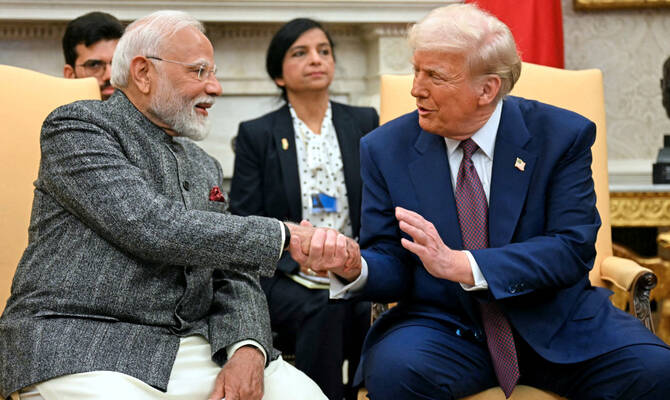
New Delhi, February 8, 2026 — According to Parliament News, that The India US trade deal announced this year represents a significant recalibration of economic relations between the world’s largest democracy and its largest economy. Finalized after prolonged negotiations, the agreement arrives at a moment of heightened global uncertainty, positioning both nations to strengthen commercial resilience while expanding bilateral market access.
Trade officials in New Delhi and Washington described the agreement as outcome-oriented rather than symbolic, emphasizing practical mechanisms designed to reduce friction across goods, services, and investment channels. The deal reflects a shared recognition that bilateral trade has outgrown older frameworks and now requires updated rules aligned with modern supply chains and digital commerce.
Strategic Context Behind the Agreement
The backdrop to the India US trade deal is shaped by shifting geopolitical alignments, supply chain realignments, and growing pressure on governments to secure reliable economic partnerships. Over the past decade, bilateral trade volumes have steadily increased, yet unresolved regulatory and tariff-related issues continued to constrain growth.
Negotiations intensified as both countries sought alternatives to overconcentrated supply networks and explored pathways for deeper industrial cooperation. The agreement reflects these priorities, placing emphasis on trust-based trade, transparency, and long-term stability rather than short-term concessions.
Core Economic Provisions and Market Access
At the heart of the India US trade deal are provisions aimed at improving predictability for exporters and investors. The framework introduces streamlined customs procedures, clearer product standards recognition, and structured consultation mechanisms to address trade irritants before they escalate.
Manufactured goods, pharmaceuticals, and select agricultural products are expected to benefit from reduced procedural delays. Services trade, particularly in information technology and professional services, receives renewed focus through commitments to regulatory cooperation and dialogue on mobility-related issues.
Investment Climate and Business Confidence
The India US trade deal is widely viewed as a confidence signal to global investors assessing long-term opportunities in both markets. By addressing long-standing concerns around policy uncertainty and compliance complexity, the agreement lowers perceived risk for cross-border investment.
American companies are expected to expand their presence in Indian manufacturing clusters, while Indian firms anticipate improved access to U.S. distribution networks. Analysts note that the deal’s success will depend less on headline numbers and more on consistent implementation across jurisdictions.

Supply Chain Resilience and Industrial Cooperation
Strengthening supply chain resilience forms a central pillar of the India US trade deal. Both governments have committed to encouraging diversification strategies, co-production models, and joint ventures in critical sectors such as electronics, clean energy components, and medical equipment.
The agreement aligns with broader policy initiatives aimed at reducing vulnerability to external shocks. By promoting collaborative manufacturing ecosystems, the deal supports job creation while reinforcing strategic trust between the two economies.
Digital Trade and Technology Alignment
Digital trade provisions embedded within the India US trade deal reflect the growing importance of data-driven commerce. While respecting domestic regulatory frameworks, both sides have agreed to pursue interoperability, transparency, and dialogue on emerging digital standards.
Technology cooperation extends beyond trade facilitation, encompassing innovation partnerships, research collaboration, and startup ecosystems. Observers see this as a foundation for long-term competitiveness rather than an immediate commercial gain.
Labor, Sustainability, and Standards
The India US trade deal incorporates language addressing labor practices and environmental sustainability, aligning economic growth with broader social objectives. While not enforcement-heavy, these provisions establish channels for cooperation, information exchange, and capacity building.
Trade officials emphasized that sustainable growth is increasingly central to trade credibility, particularly as global consumers and investors place greater emphasis on responsible sourcing and production practices.
One Quote From the Negotiations
During the announcement in New Delhi, a senior trade official stated,
“This agreement reflects a shared commitment to modern trade realities, where cooperation and resilience matter as much as market access.”
The remark underscored the strategic tone of the India US trade deal, highlighting its forward-looking orientation rather than a narrow focus on tariff adjustments.
Domestic Reactions and Industry Response
Industry associations in both countries have largely welcomed the India US trade deal, citing improved clarity and reduced friction as key benefits. Exporters have expressed optimism about faster clearance processes, while service providers point to renewed dialogue mechanisms as a positive step.
Some domestic stakeholders, however, have urged cautious implementation, emphasizing the need to protect smaller enterprises during the adjustment period. Policymakers have responded by signaling phased execution and continuous consultation.

Historic Comparison
In historical terms, the India US trade deal differs markedly from earlier bilateral trade arrangements that focused primarily on tariff negotiations. Previous frameworks often struggled to keep pace with economic transformation, resulting in fragmented outcomes and recurring disputes.
By contrast, the current agreement adopts a modular approach, allowing cooperation to evolve alongside technological and industrial change. Trade historians note that this flexibility may prove critical in sustaining relevance over the next decade, particularly as global trade norms continue to shift.
Global Trade Implications
The India US trade deal is being closely observed by other major economies as an example of selective, strategic trade engagement. Rather than pursuing comprehensive free trade agreements, the pact demonstrates how targeted cooperation can deliver tangible outcomes without extensive renegotiation of domestic policies.
Its emphasis on resilience and diversification aligns with a broader global trend toward trusted partnerships, especially in sectors deemed critical to national security and economic stability.
Implementation Roadmap and Oversight
Implementation of the India US trade deal will proceed through joint working groups tasked with monitoring progress, resolving disputes, and updating cooperation areas. Regular reviews are expected to ensure that commitments remain aligned with evolving market conditions.
Officials have stressed that transparency and accountability will be essential to maintaining momentum and credibility, particularly during the early phases of execution.
Economic Outlook for 2026 and Beyond
Economists project that the India US trade deal could contribute to steady growth in bilateral trade volumes over the medium term. Gains are expected to be incremental rather than immediate, reflecting the agreement’s structural focus.
Employment effects are likely to emerge across manufacturing, logistics, and technology services, supported by increased investment flows and deeper supply chain integration.
Strategic Significance for Bilateral Relations
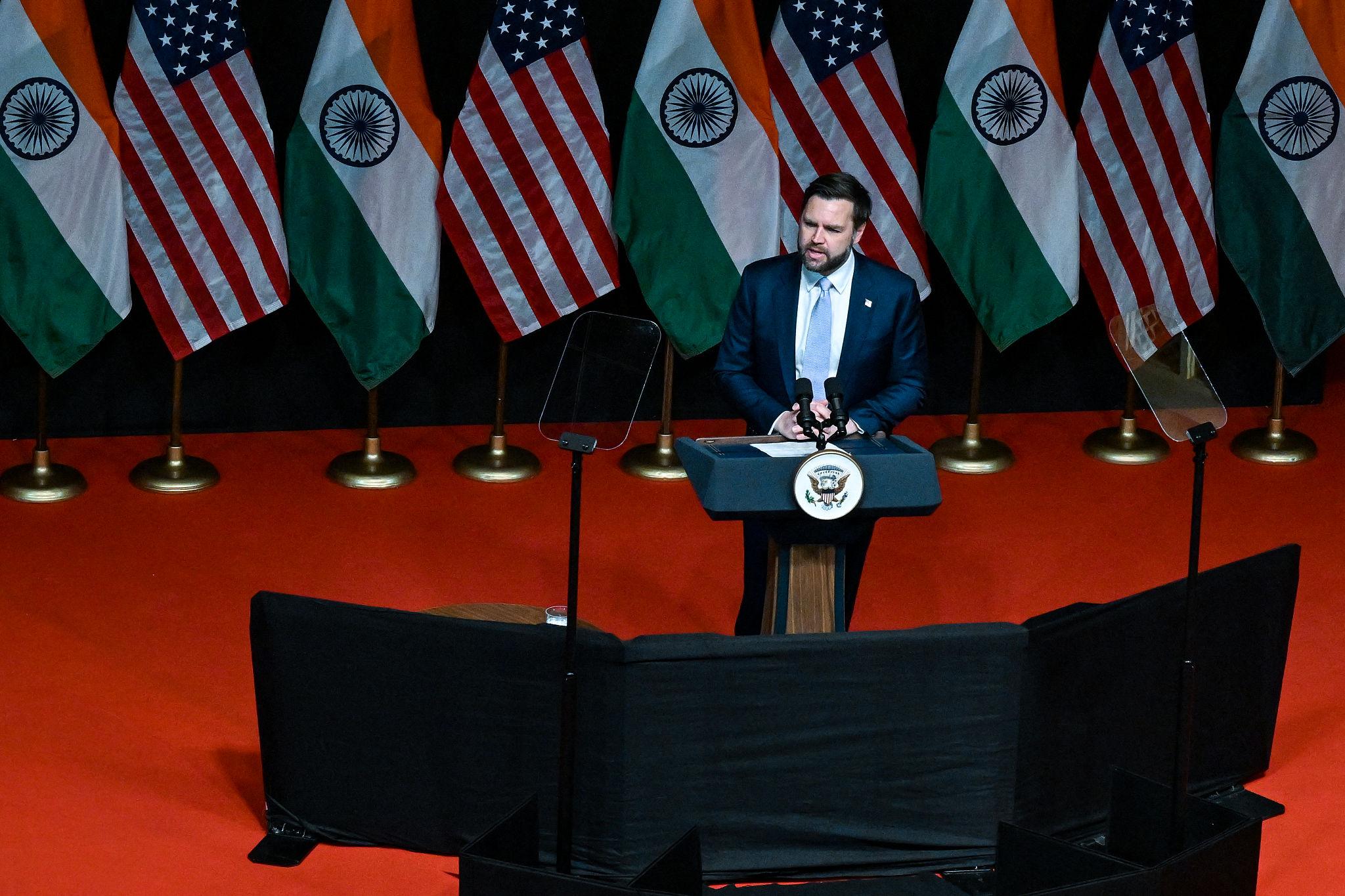
Beyond economics, the India US trade deal reinforces a broader strategic partnership grounded in shared democratic values and mutual economic interests. Trade cooperation is increasingly viewed as a stabilizing force within the wider diplomatic relationship.
As global economic fragmentation intensifies, such partnerships are expected to play a central role in shaping future trade architecture.
A Measured Yet Transformative Step
The India US trade deal stands as a measured but transformative step in bilateral economic engagement. Its success will depend on disciplined implementation, sustained political commitment, and adaptability to changing global conditions.
If executed as intended, the agreement has the potential to redefine how two major economies collaborate in an era where resilience, trust, and strategic alignment are as critical as market access itself.