

Indian industrial earnings improved in 2026 as major manufacturing and infrastructure-linked businesses reported stronger quarterly performance.
Grasim Industries narrowed its quarterly loss with support from cement, chemicals, and financial services growth.
Analysts say India’s industrial economy is showing resilience despite inflation, global uncertainty, and competitive pressures.
Industrial Earnings Snapshot
| Category | Latest Trend |
|---|---|
| Cement Demand | Rising |
| Chemicals Sector | Stable Growth |
| Infrastructure Spending | Expanding |
| Financial Services | Improving |
| Manufacturing Outlook | Positive |
| Investor Sentiment | Moderately Bullish |
MUMBAI, India (Parliament Politics Magazine) Indian industrial earnings moved higher during the latest earnings cycle after Grasim Industries reported a narrower quarterly loss driven by stronger performances across its core business segments. The results are being viewed as another signal that India’s manufacturing and infrastructure-linked industries are stabilizing despite continued economic uncertainty around the world.
The company’s latest financial performance reflected improving conditions in cement production, chemicals manufacturing, and financial services. Analysts monitoring Indian industrial earnings say the broader industrial economy continues benefiting from infrastructure investments, urban expansion, and rising domestic consumption.
Investors responded cautiously positive after the earnings update, with market participants focusing on operational strength rather than short-term profitability pressure. Several industrial companies across India have recently reported improving demand trends, reinforcing confidence in the country’s long-term growth outlook.
A Mumbai-based market analyst said:
“India’s industrial economy continues showing resilience because domestic demand remains stronger than many global markets.”
Cement Demand Continues Supporting Industrial Recovery
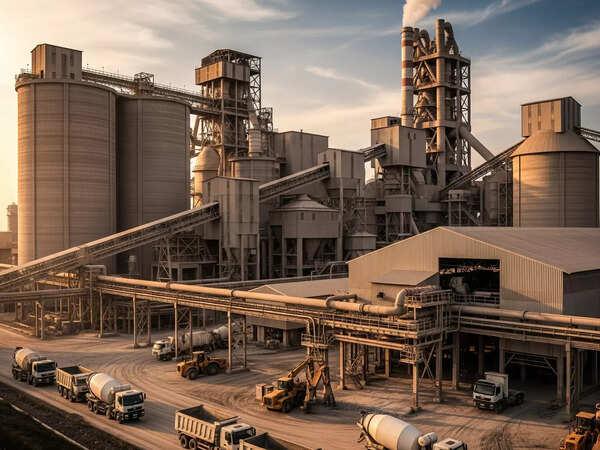
One of the strongest contributors to improving Indian industrial earnings has been the cement sector. Infrastructure expansion projects, housing construction, and transportation upgrades continue supporting demand across India.
Large industrial groups tied to construction materials have experienced improving sales volumes as government-backed infrastructure initiatives move forward. Analysts believe this trend may continue through the remainder of 2026 if public spending and private investment remain stable.
Grasim’s exposure to the cement market provided significant support during the quarter. Improved operational efficiency and better pricing conditions also helped strengthen margins compared to previous reporting periods.
The cement industry remains closely tied to India’s economic growth story because it directly benefits from urbanization and modernization projects occurring across multiple regions.
Chemicals Segment Delivers Stable Growth Momentum
The chemicals business also helped strengthen overall company performance. Industrial chemical demand remained relatively stable despite volatility in energy prices and global supply chain conditions.
Executives have increasingly prioritized modernization strategies aimed at improving productivity and reducing operational inefficiencies. Analysts say diversified industrial firms are relying more heavily on technology upgrades to remain competitive in both domestic and export markets.
The improvement in chemicals operations added further momentum to Indian industrial earnings during the quarter. Market experts say chemical manufacturers tied to textiles, industrial processing, and infrastructure development may continue seeing steady demand throughout 2026.
Another industry strategist stated:
“Diversified companies are performing better because strength in one division can offset weakness in another.”
Financial Services Division Adds Stability
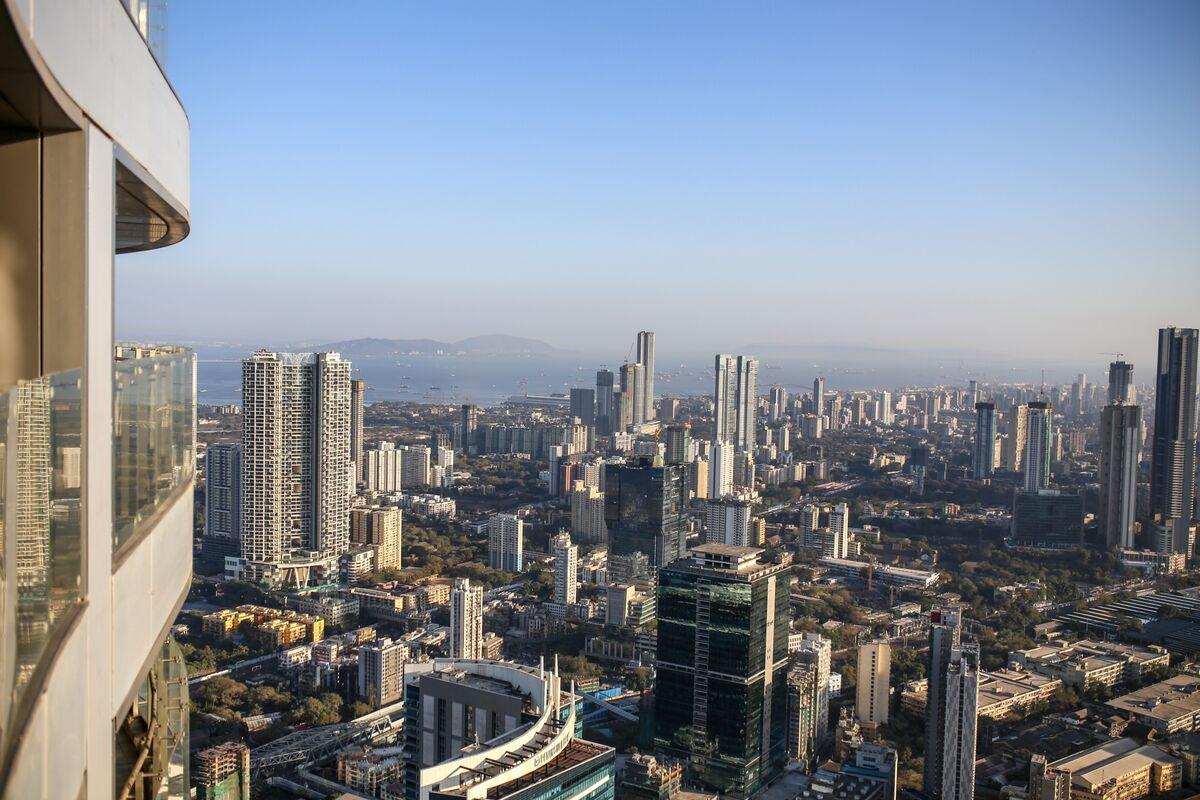
The company’s financial services operations also contributed positively to the quarterly results. India’s expanding middle class and growing digital economy continue driving demand for lending, insurance, and investment products.
Analysts tracking Indian industrial earnings say financial services remain an important supporting sector for diversified industrial conglomerates. Stronger credit activity and increased consumer participation in financial markets are helping improve earnings across the broader economy.
Digital banking growth and increased adoption of online financial platforms are also contributing to long-term sector expansion. Investors continue monitoring whether financial divisions can maintain growth momentum amid changing interest rate conditions.
Expansion Investments Continue Despite Challenges
Even with improving performance, industrial companies across India continue facing challenges related to expansion costs, market competition, and global economic uncertainty.
Grasim and other major industrial firms are continuing aggressive investment strategies focused on manufacturing capacity expansion and operational modernization. Analysts say these investments could support stronger long-term profitability but may temporarily pressure margins.
The latest quarterly results demonstrated how Indian industrial earnings are increasingly being shaped by long-term strategic investments rather than short-term market fluctuations alone.
A senior investment advisor noted:
“The companies investing during uncertain periods are positioning themselves for future market leadership.”
Manufacturing Activity Shows Broader Improvement
The broader manufacturing environment in India also appears to be improving. Industrial activity linked to infrastructure, transportation, construction materials, and consumer products has shown resilience during recent quarters.
Several analysts believe stronger domestic consumption is helping offset weaker demand conditions in some international markets. India’s economic growth outlook remains among the strongest globally, which continues attracting investor attention toward industrial and manufacturing sectors.
The recovery in Indian industrial earnings is also being supported by government infrastructure programs and rising urban development projects. Large-scale investments in roads, railways, industrial corridors, and housing construction continue generating demand across multiple industries.
Investor Confidence Improves Across Industrial Markets
Investor sentiment surrounding industrial stocks improved moderately following recent earnings announcements. Traders and analysts appear encouraged by signs of stabilizing revenue growth and improving operational performance.
Companies connected to infrastructure and manufacturing remain closely watched because they are often viewed as indicators of broader economic health. Improving Indian industrial earnings could strengthen confidence among both domestic and foreign investors.
However, analysts also warned that several risks remain present. Commodity price fluctuations, currency volatility, inflation pressure, and geopolitical uncertainty could still affect future profitability across industrial sectors.
Despite these concerns, diversified industrial firms continue benefiting from stronger domestic demand conditions compared to several global competitors.
Competition Intensifies Across India’s Industrial Sector
Industrial competition within India has become increasingly aggressive as companies pursue market share growth in expanding sectors. Cement producers, chemical manufacturers, infrastructure suppliers, and financial service providers are all competing more aggressively for long-term positioning.
This environment is forcing companies to modernize operations, improve efficiency, and invest heavily in digital transformation strategies. Analysts say companies unable to adapt quickly could struggle to maintain profitability over time.
The latest improvement in Indian industrial earnings highlights how diversified companies may possess advantages during periods of economic uncertainty because they can rely on multiple revenue streams.
Historical Perspective on India’s Industrial Growth
Historical Cycles of Indian Industrial Expansion
| Period | Key Economic Trend | Industrial Impact |
|---|---|---|
| 2003–2008 | Infrastructure Boom | Rapid industrial expansion |
| 2009–2012 | Global Recovery Phase | Slower manufacturing growth |
| 2013–2018 | Modernization Push | Productivity improvements |
| 2020–2021 | Pandemic Disruptions | Supply chain instability |
| 2022–2024 | Inflation Pressure | Margin compression |
| 2025–2026 | Recovery Momentum | Stronger industrial demand |
Infrastructure Spending Remains a Long-Term Driver
Infrastructure investment remains one of the biggest long-term growth drivers behind improving Indian industrial earnings. Government-backed projects involving transportation, housing, utilities, and industrial development continue supporting manufacturing demand.
Urban population growth and modernization initiatives are also creating sustained opportunities for construction materials producers and industrial suppliers. Analysts expect infrastructure-related spending to remain a major economic growth engine throughout the decade.
Companies connected to these projects may continue outperforming sectors more heavily exposed to international economic slowdowns.
Market Outlook for the Rest of 2026
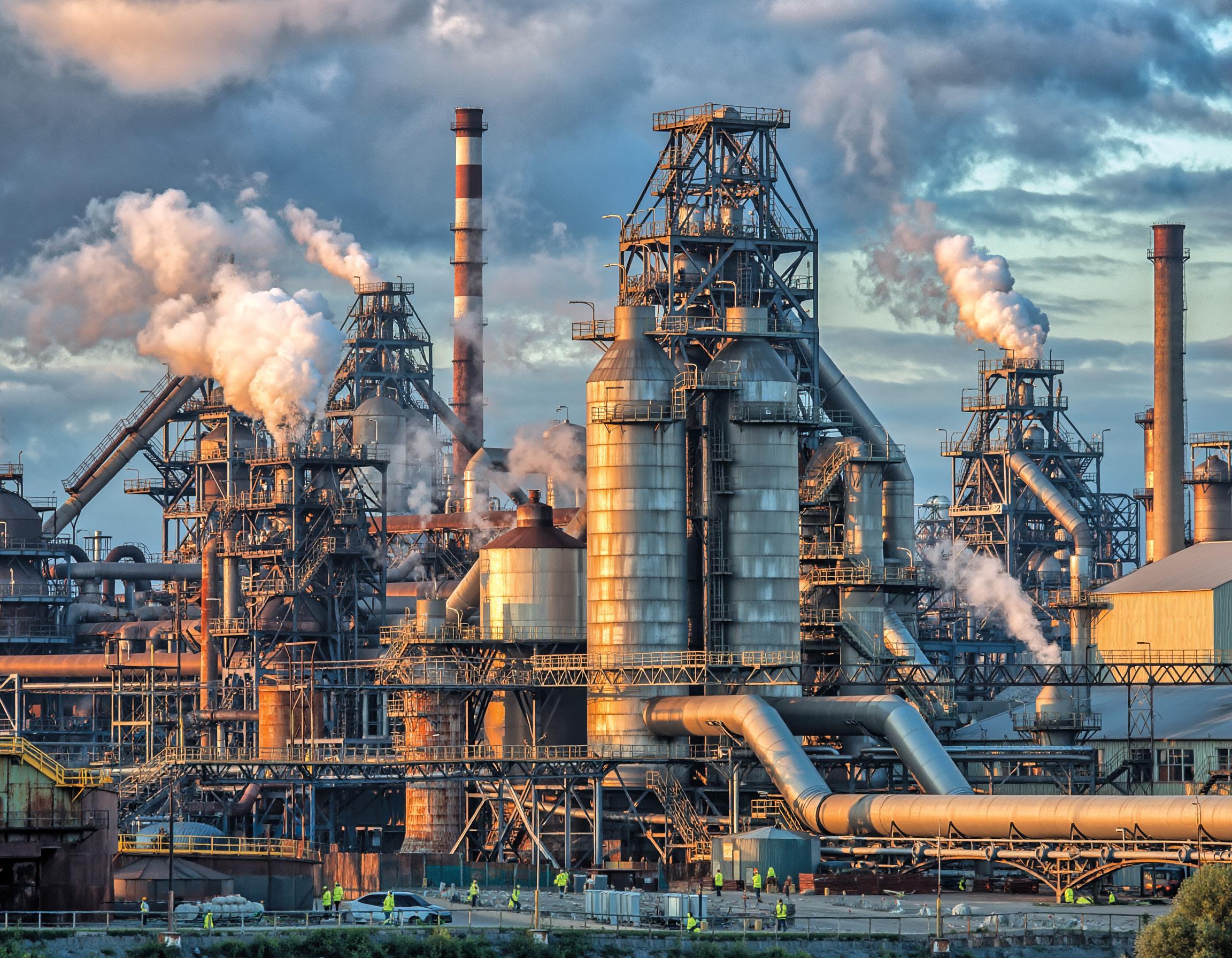
Looking ahead, analysts expect continued attention on operational efficiency, expansion planning, and profitability management. Investors are likely to monitor whether recent improvements in Indian industrial earnings represent a sustainable long-term trend.
India’s industrial economy continues benefiting from strong domestic consumption and infrastructure growth, but global economic risks remain capable of influencing market conditions.
Industrial companies with diversified business structures and strong domestic exposure may remain better positioned to navigate inflation pressure and competitive challenges over the coming quarters.