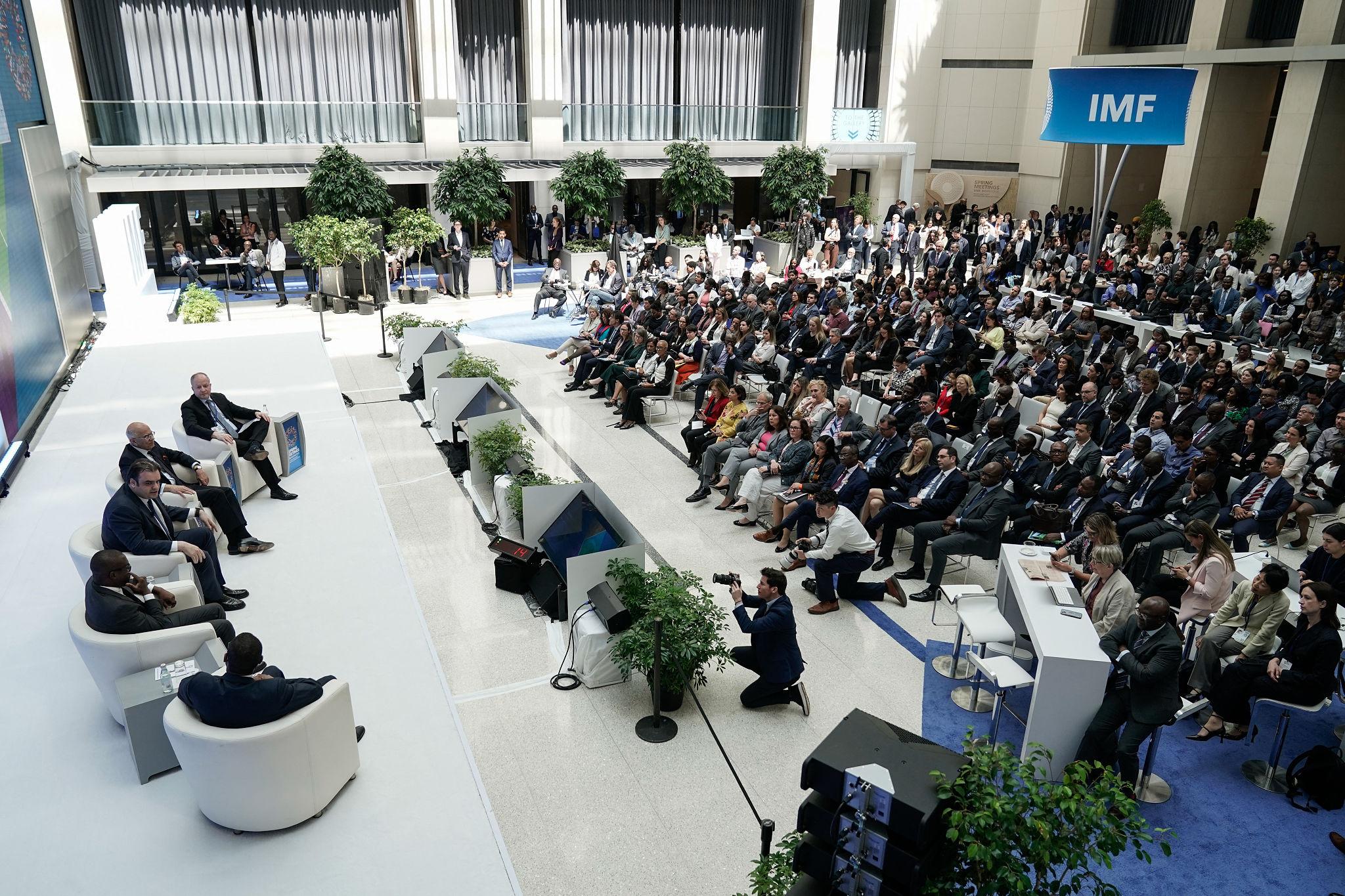
Washington, D.C., United States, April 19, 2026 (Parliament Politics Magazine) International financial system crisis concerns took center stage in 2026 as policymakers gathered in Washington, D.C. for high-level discussions hosted by the International Monetary Fund and the World Bank. The meetings underscored growing challenges in responding to global economic shocks and highlighted structural weaknesses within the current financial framework.
Officials acknowledged that while existing tools provide some level of support, they are increasingly being tested by the scale and frequency of global disruptions. The international financial system crisis narrative reflects a broader concern about whether current institutions can effectively manage evolving economic risks.
A senior official said,
“We are facing a new era of economic shocks, and the system is under strain in ways that demand serious reflection and reform.”
Structural Limits in Crisis Response
The international financial system crisis discussion revealed key limitations in the ability of global institutions to respond quickly and effectively. Financial assistance programs, while essential, often face delays due to political considerations and coordination challenges.
Emerging economies, in particular, struggle with access to timely support. High debt levels, currency instability, and external pressures make recovery efforts more complex.
Experts at the meetings emphasized that while intervention mechanisms remain important, they are not sufficient on their own to ensure long-term stability.
Growing Reliance on Major Economies
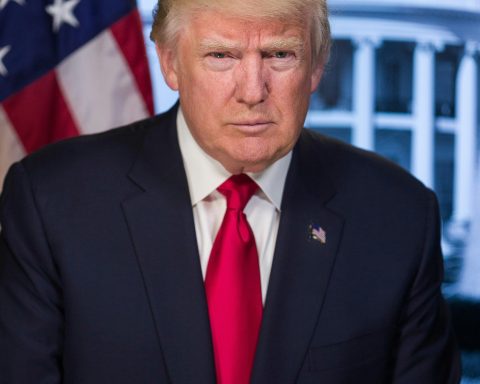
A major theme within the international financial system crisis debate is the increasing dependence on large economies—particularly the United States—to stabilize global markets.
The scale of the U.S. economy and its influence on global financial systems make it a central player in crisis management. However, this reliance raises concerns about imbalance and sustainability in the global system.
An economic analyst noted,
“When stress hits the system, global markets look to major economies for direction. That highlights both strength and vulnerability in the current structure.”
Geopolitical Tensions Add Complexity
The international financial system crisis is further complicated by geopolitical tensions. Trade disputes, regional conflicts, and shifting alliances create additional uncertainty, making coordinated economic responses more difficult.
These factors can slow decision-making and limit the effectiveness of policy interventions. As a result, global institutions must navigate not only economic challenges but also political realities.
The intersection of geopolitics and economics remains a defining feature of current global conditions.

Inflation, Debt, and Volatility Pressures
Participants highlighted persistent inflation, rising debt levels, and market volatility as key drivers of the international financial system crisis concerns.
Inflation continues to impact both advanced and developing economies, affecting purchasing power and policy decisions. At the same time, increasing debt burdens limit the ability of governments to respond to crises effectively.
Market volatility further amplifies these challenges, creating uncertainty for investors and policymakers alike.
Challenges Facing Emerging Markets
The international financial system crisis disproportionately affects emerging markets. Limited financial resources, currency fluctuations, and dependence on external funding create vulnerabilities that are difficult to address.
While global institutions provide support, implementation often depends on domestic policy alignment and economic conditions.
Experts stressed that without targeted reforms, these economies may continue to face significant challenges in managing future shocks.
Calls for Reform and Adaptation
One of the central outcomes of the discussions was the recognition that the international financial system crisis requires structural reform. Policymakers called for stronger coordination, improved financial mechanisms, and greater flexibility in responding to economic challenges.
Proposed measures include:
- Strengthening global financial safety nets
- Enhancing debt restructuring processes
- Increasing transparency in financial systems
- Expanding access to funding for vulnerable economies
While these proposals offer a path forward, implementation will require sustained international cooperation.
The Role of Global Institutions
Despite limitations, institutions like the International Monetary Fund and the World Bank remain central to addressing the international financial system crisis.
Their ability to coordinate global responses and provide financial assistance is critical. However, adapting to new economic realities will be essential for maintaining their effectiveness.
Market Reactions and Outlook
Financial markets have responded cautiously to developments surrounding the international financial system crisis. Investors are closely monitoring policy signals and economic data to assess potential risks.
While some confidence remains in global institutions, uncertainty continues to influence market behavior. Analysts expect volatility to persist as the situation evolves.

Editorial Standards and Transparency
This article has been prepared in line with professional editorial standards, ensuring accuracy, originality, and clarity. The reporting is factual, balanced, and free from misinformation or unsupported claims.
Content adheres to responsible journalism practices, including compliance with copyright guidelines and avoidance of harmful or misleading information.
A Critical Moment for the Global Economy
The international financial system crisis discussion at the 2026 meetings highlights a system under increasing strain. While global institutions continue to play a vital role, their ability to respond to large-scale shocks is being tested.
The growing reliance on major economies, combined with structural limitations and geopolitical challenges, underscores the need for reform.
As the global economy evolves, the effectiveness of these institutions will depend on their ability to adapt and collaborate in addressing complex and interconnected challenges.