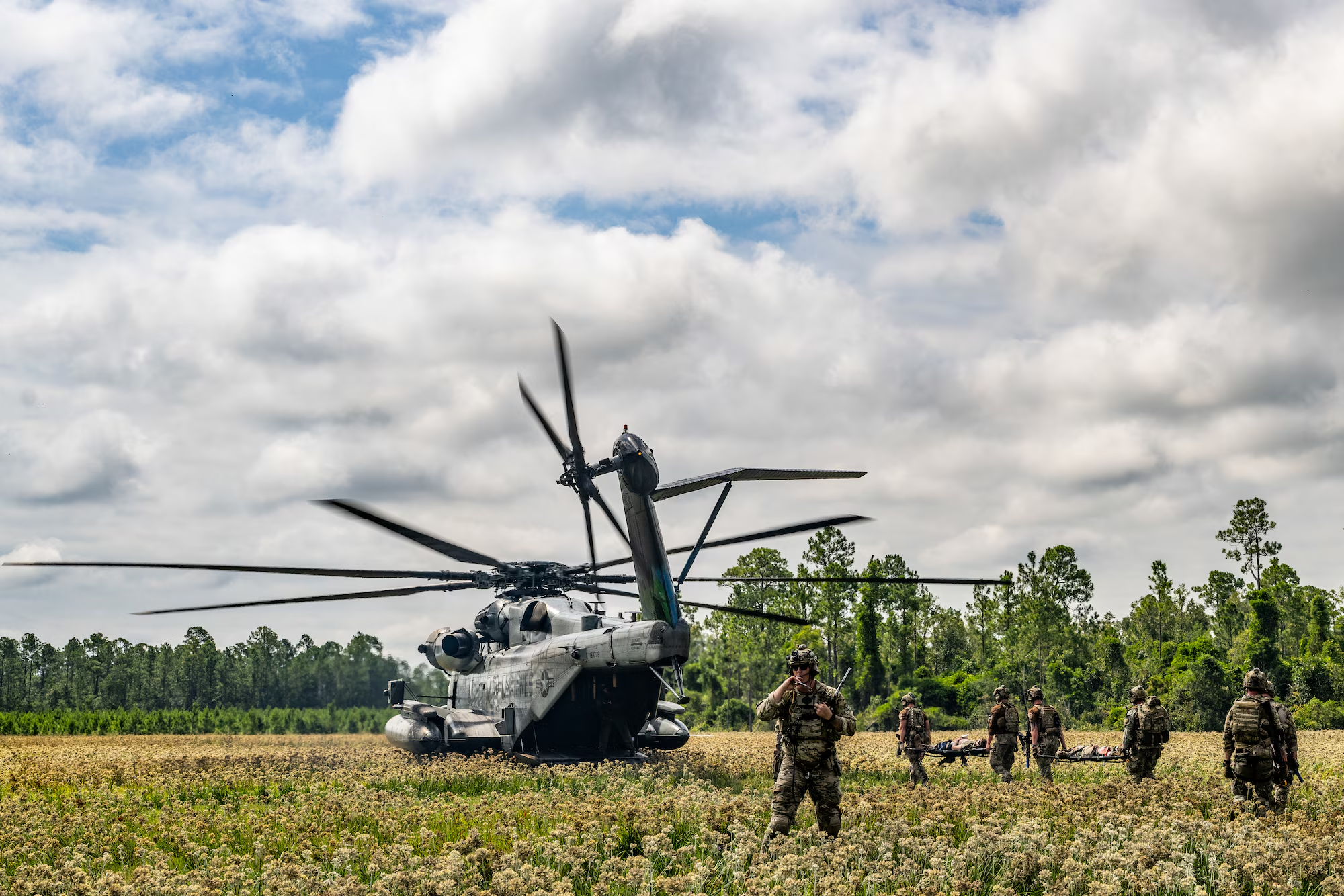
IRAN, April 05, 2026 (Parliament Politics Magazine) Iran air defense system has become the center of global attention after Tehran claimed it successfully shot down multiple U.S. aircraft during a high-risk rescue mission inside Iran. The incident, unfolding amid intensifying conflict with the United States, marks one of the most dramatic escalations in recent weeks.
According to Iranian state media, air defense units intercepted several “enemy aircraft” involved in a covert American operation to extract a downed pilot. Reports suggest that the aircraft included transport planes and helicopters operating deep inside Iranian territory
Iran’s Claim: Air Defense Systems Strike Successfully
Iranian officials say the Iran air defense system detected and tracked incoming aircraft before engaging them with surface-to-air missiles.
State-linked sources reported that multiple aircraft—including a transport plane and helicopters—were hit during the mission.
“Our air defense forces responded decisively to hostile intrusion,”
an Iranian official said, framing the action as a defensive necessity.
Iran claims the aircraft were operating illegally within its airspace as part of a rescue operation, prompting immediate engagement.
US Rescue Mission Under Fire
U.S. officials have acknowledged a high-risk rescue mission but have not fully confirmed the extent of losses. Reports indicate the operation was launched after an American F-15 fighter jet was downed earlier in the conflict.
The mission involved special operations forces, helicopters, and transport aircraft attempting to recover stranded personnel.
Despite heavy resistance, U.S. forces successfully rescued at least one crew member, according to multiple reports.
“One of the most daring rescue missions in U.S. history,”
a senior official described the operation.
However, Iranian claims that additional aircraft were shot down during the mission remain only partially verified.
Escalation Signals Growing Military Risk
The involvement of the Iran air defense system in active combat operations highlights a dangerous shift in the conflict.
Military analysts warn that targeting aircraft during rescue missions significantly raises the stakes:
- Rescue missions are time-sensitive and vulnerable
- Aircraft often operate at low altitudes
- Engagement increases risk of broader retaliation
Experts say such incidents can quickly spiral into larger confrontations if not contained diplomatically.
Capabilities of Iran Air Defense System
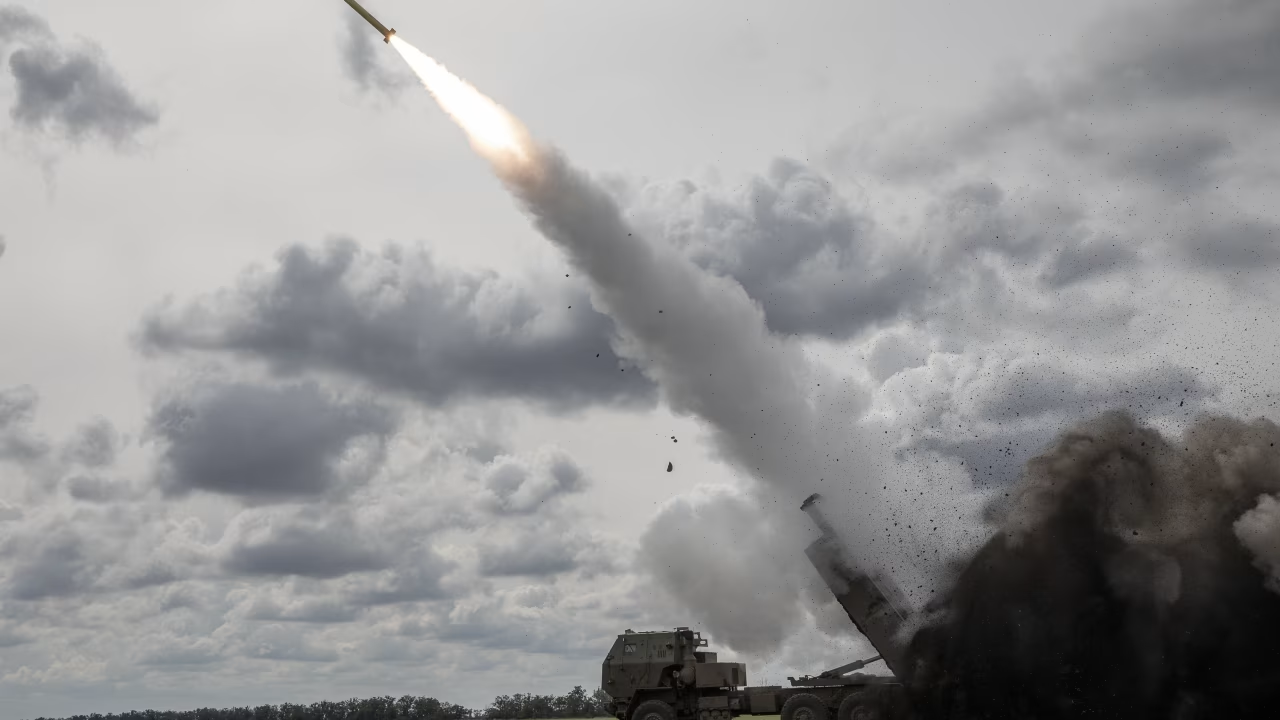
Iran has invested heavily in strengthening its air defense network over recent years. Systems such as short-range missile platforms and radar-guided interceptors have reportedly improved detection and engagement capabilities.
Recent developments suggest:
- Faster response times to aerial threats
- Improved tracking of low-flying aircraft
- Enhanced missile accuracy
Some systems are designed to counter both drones and advanced fighter jets, increasing their strategic importance in modern warfare.
Conflicting Narratives and Information Warfare
As tensions rise, both sides are shaping competing narratives around the incident.
Iran’s announcement emphasizes:
- Military strength
- Sovereignty enforcement
- Defensive justification
Meanwhile, the United States has taken a more cautious approach, limiting public disclosures while focusing on mission success.
This divergence reflects the broader role of information warfare in modern conflicts, where perception can be as critical as battlefield outcomes.
Global Reaction and Market Impact
The reported actions involving the Iran air defense system have triggered international concern.
Global leaders are urging restraint as fears grow over:
- Expansion of military operations
- Disruption of oil supply routes
- Regional instability
Financial markets have responded with volatility, particularly in energy sectors, reflecting uncertainty about the conflict’s trajectory.
Strategic Implications for Future Operations
The incident may force both sides to reconsider operational strategies.
For the United States:
- Increased reliance on stealth and electronic warfare
- Adjustments to rescue mission protocols
- Greater emphasis on intelligence coordination
For Iran:
- Reinforcement of air defense capabilities
- Strategic messaging to deter future incursions
- Increased confidence in defensive systems
What Comes Next?
The situation remains fluid, with several possible outcomes:
- Diplomatic negotiations to reduce tensions
- Continued military engagements
- Expanded regional involvement
Observers say the next 48–72 hours could be critical in determining whether the conflict escalates further.
A Defining Moment in the Conflict
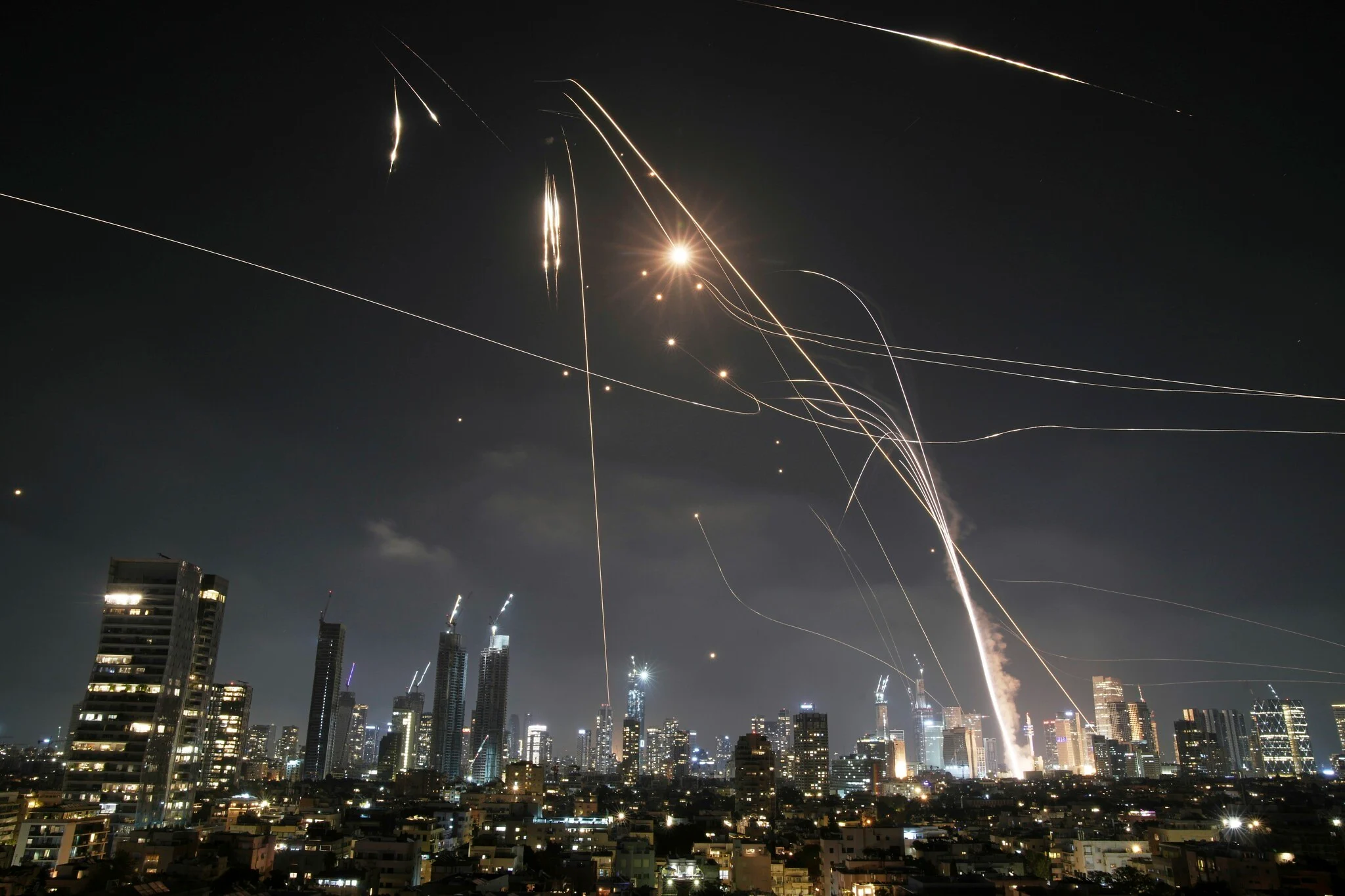
The Iran air defense system has emerged as a key factor in the evolving conflict, with claims of downing U.S. aircraft adding a new layer of complexity.
While details remain contested, the incident underscores the risks of modern warfare and the fragile balance between military action and diplomatic resolution.
Key Takeaways
- Iran claims its air defense system shot down multiple U.S. aircraft
- The incident occurred during a high-risk rescue mission
- Global tensions are rising amid fears of wider conflict