

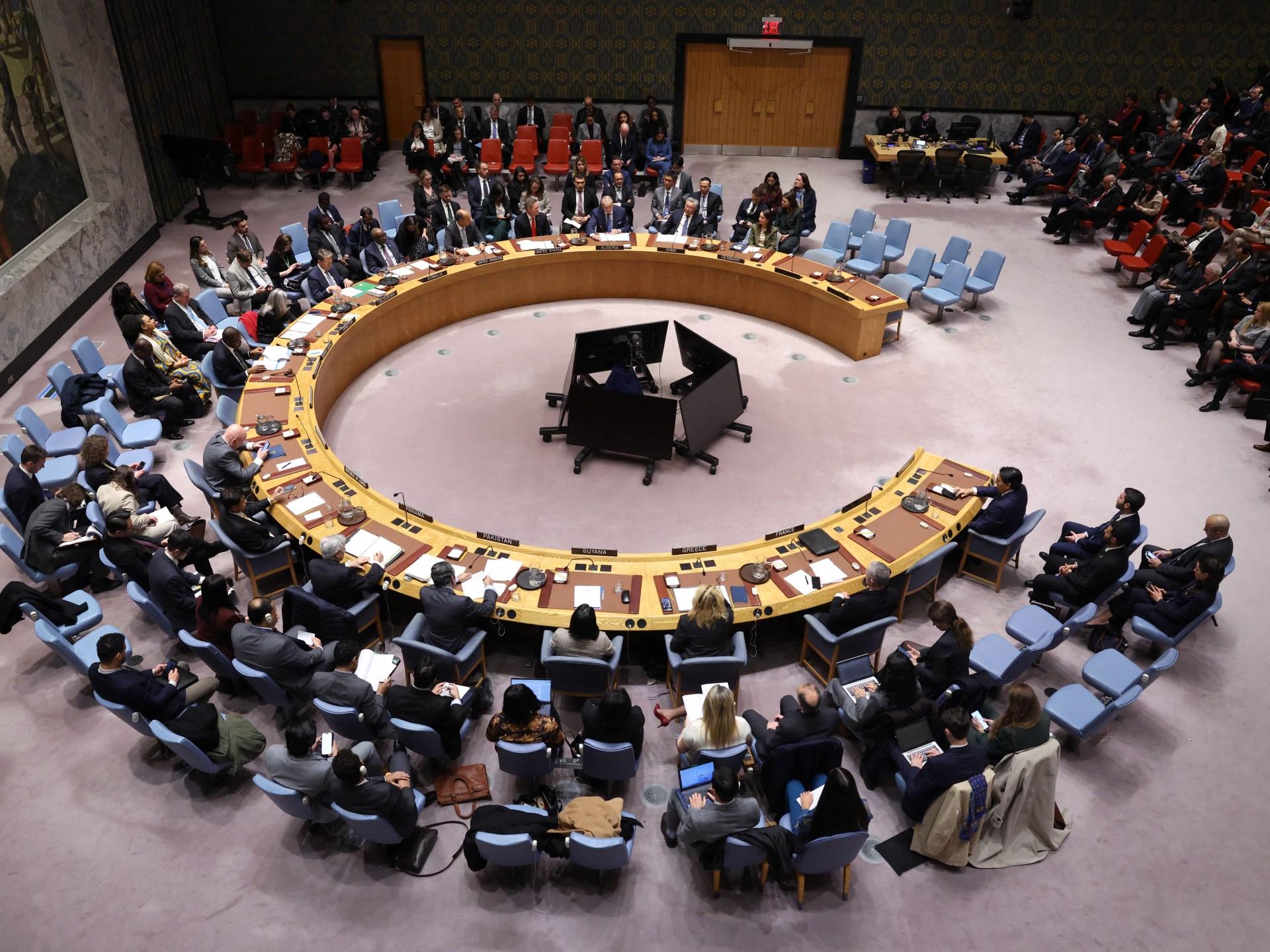
Washington, D.C., United States, APRIL 21, 2026 ( Parliament Politics Magazine ) Iran conflict resolution efforts are entering a decisive stage as negotiations continue with cautious optimism from U.S. officials. With the ceasefire deadline approaching, uncertainty remains over whether a final agreement can be reached in time to prevent renewed conflict.
Officials have indicated that progress is being made behind closed doors, but no formal breakthrough has been announced. The situation remains fluid, with both sides working to resolve complex and sensitive issues before the ceasefire expires.
US Signals Progress but Avoids Final Commitment
Leaders within the White House have expressed a more positive tone regarding Iran conflict resolution, suggesting that negotiations are moving forward. However, they have stopped short of confirming a finalized agreement.
Key areas of discussion include sanctions relief, compliance mechanisms, and long-term security guarantees. While some progress has reportedly been made, critical differences continue to delay a comprehensive deal.
A diplomatic insider noted,
“There is movement in the right direction, but the most difficult issues are still on the table.”
Ceasefire Deadline Increases Diplomatic Pressure
The nearing ceasefire deadline has intensified the urgency surrounding Iran conflict resolution. Negotiators now face a narrow timeframe to finalize terms and secure an agreement that can sustain peace beyond the temporary halt in hostilities.
Failure to reach a deal could lead to the collapse of the ceasefire, raising the risk of renewed military engagement. This pressure is forcing both sides to weigh compromises against long-term strategic interests.
Analysts describe the current stage as a pivotal moment where timing and diplomacy must align to achieve a lasting resolution.
Key Issues Still Blocking Agreement
Despite signs of progress, several major obstacles continue to complicate Iran conflict resolution. These include disagreements over sanctions removal, verification processes, and the scope of commitments required from both parties.
Negotiators are also addressing broader regional concerns, including security dynamics and the potential for future escalation. These complexities make it difficult to reach a quick and comprehensive agreement.
The ongoing discussions highlight the delicate balance between immediate ceasefire needs and long-term stability.
Global Response to Iran Conflict Resolution Efforts
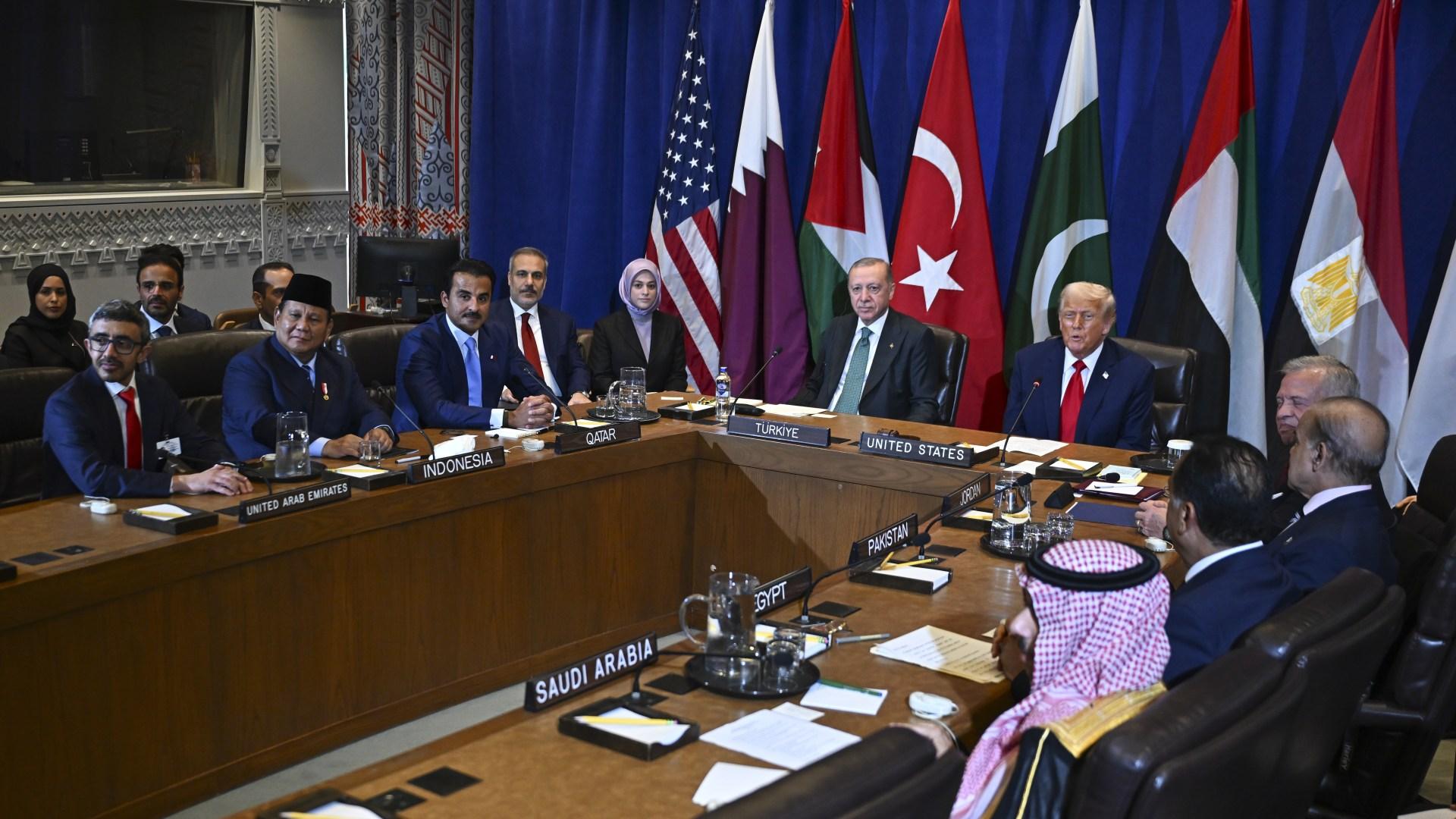
International leaders and organizations are closely monitoring developments, recognizing the global implications of the negotiations. A successful agreement could reduce tensions and stabilize key markets, while failure could have widespread consequences.
Countries around the world have expressed support for continued diplomacy, emphasizing the importance of a durable and enforceable solution. The outcome of Iran conflict resolution talks is expected to influence geopolitical relationships far beyond the region.
Economic Impact and Market Sensitivity
The uncertainty surrounding Iran conflict resolution has already impacted global financial markets. Energy prices, in particular, have shown volatility as investors react to changing developments.
A successful agreement could ease concerns about supply disruptions, while renewed conflict could drive prices higher and affect global trade routes. These economic factors add another layer of urgency to the negotiations.
The stakes extend beyond diplomacy, affecting economies and industries worldwide.
Behind-the-Scenes Negotiations Continue
Much of the progress in Iran conflict resolution is happening through confidential discussions, with diplomats working to bridge remaining gaps. These behind-the-scenes efforts are essential for reaching a compromise on sensitive issues.
Officials have emphasized that discretion is necessary to maintain progress, though it has also contributed to uncertainty and speculation. As the deadline approaches, more details are expected to emerge.
The process remains dynamic, with potential breakthroughs or setbacks possible at any moment.
Risk of Escalation Remains High
If Iran conflict resolution efforts fail to produce an agreement before the ceasefire expires, the risk of renewed conflict increases significantly. Both sides have maintained readiness, underscoring the seriousness of the situation.
Experts warn that escalation could occur quickly, with consequences extending beyond the immediate region. This risk has intensified calls for a timely and effective resolution.
The coming days are expected to be critical in determining the outcome.
Outlook Remains Uncertain
While there is cautious optimism surrounding Iran conflict resolution, uncertainty continues to dominate the outlook. The complexity of the issues and the limited timeframe make it difficult to predict whether a final agreement will be achieved.
Diplomats remain engaged in negotiations, but the possibility of both success and failure remains equally plausible. This uncertainty is reflected in the measured statements from officials.
The world continues to watch as negotiations approach a Decisive moment.
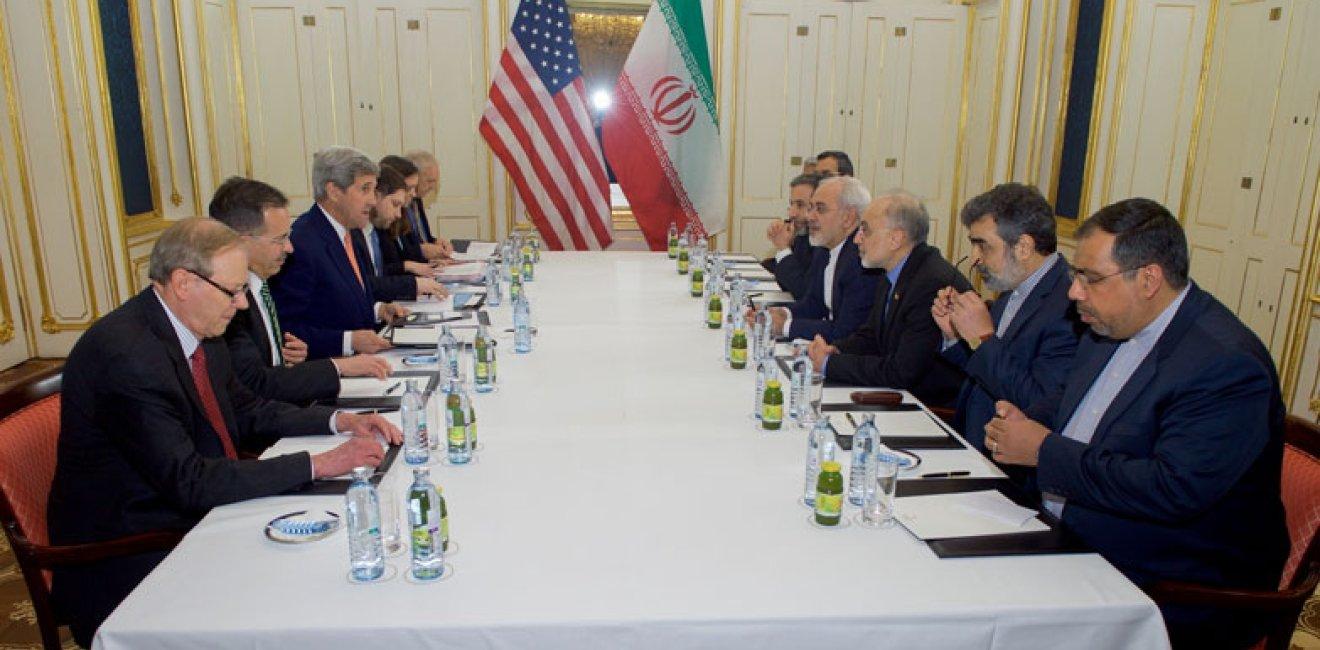
Iran conflict resolution efforts are approaching a critical juncture as the ceasefire deadline nears. The United States has expressed optimism, but significant challenges remain unresolved. The outcome of these talks will have far-reaching implications for regional stability, global markets, and international relations.
A successful agreement could pave the way for lasting peace, while failure could trigger renewed conflict. For now, uncertainty defines the situation as negotiators work against the clock.