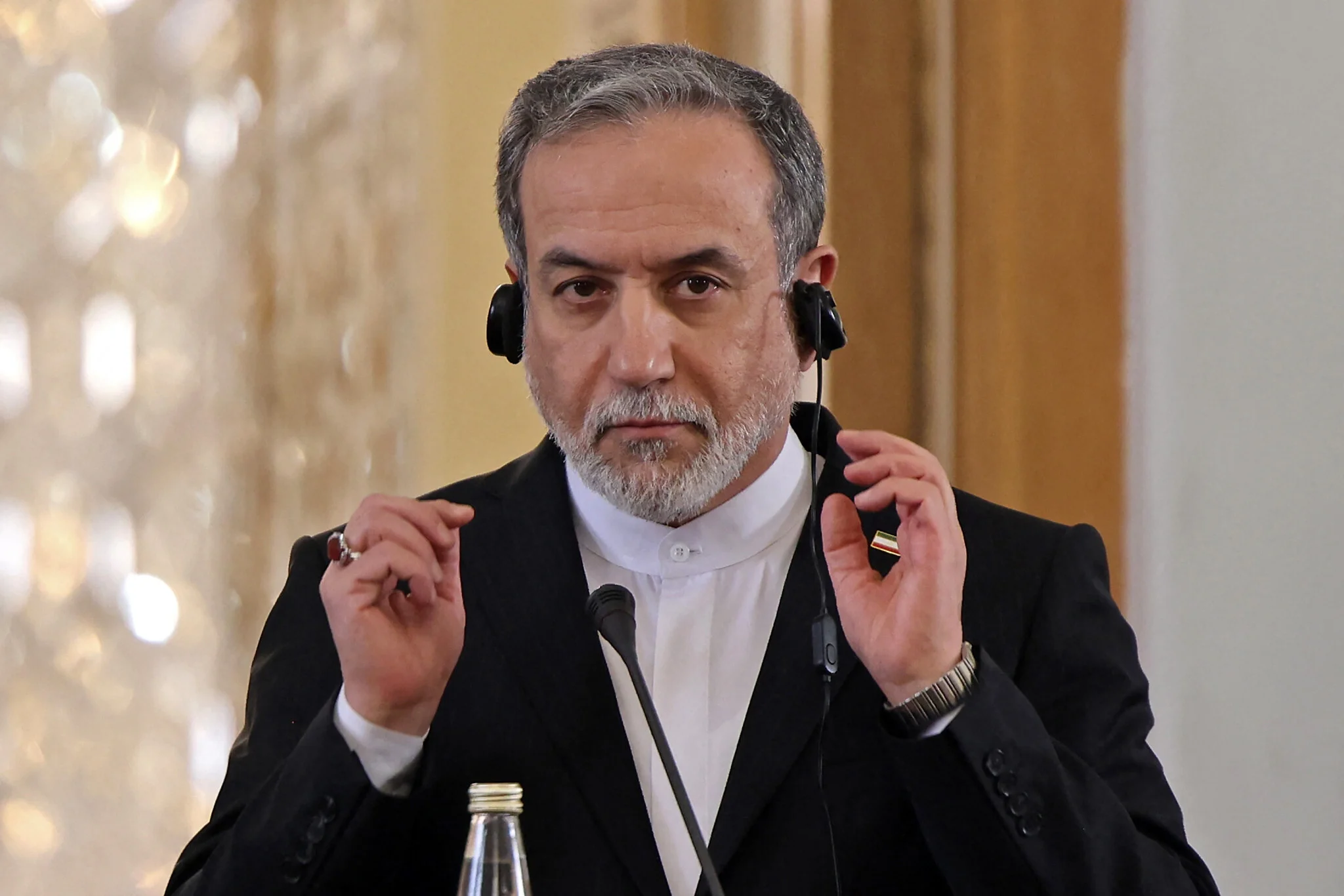
Islamabad, Pakistan, March 29, 2026 (Parliament Politics Magazine) Iran foreign minister statement has triggered renewed global attention after Tehran strongly condemned what it described as US and Israeli “aggression” during a high-level diplomatic call with Pakistan’s foreign minister. The conversation comes amid a rapidly escalating regional conflict that has already drawn multiple actors into a widening geopolitical crisis.
Officials familiar with the discussion confirmed that Iran expressed deep concern over ongoing military operations and warned that continued escalation could destabilize not only the Middle East but also broader international security frameworks.
“This aggression violates international norms and risks igniting a conflict that could spiral beyond control,”
the Iran foreign minister statement emphasized during the call.
Iran Signals Firm Position Amid Escalation
The latest Iran foreign minister statement reflects Tehran’s increasingly assertive diplomatic tone as tensions with the United States and Israel intensify. Iran has consistently described recent strikes as “illegal and illegitimate,” reinforcing its stance that it will defend its sovereignty under international law.
Recent developments indicate that the conflict, which began with coordinated strikes earlier in 2026, has already caused significant regional disruption, including damage to infrastructure and rising casualties.
Iran’s messaging appears aimed at rallying international support while framing the narrative around sovereignty and defensive action.
Pakistan’s Strategic Role in De-escalation
Pakistan’s involvement in the situation has grown significantly, with Islamabad positioning itself as a mediator between Tehran and Washington. Diplomatic efforts are ongoing, with multiple regional powers participating in discussions aimed at reducing tensions.
The Iran foreign minister statement specifically acknowledged Pakistan’s diplomatic engagement and highlighted the importance of dialogue.
Pakistan’s leadership has reiterated its commitment to peaceful resolution, balancing its relationships with regional allies while avoiding direct involvement in the conflict.
Regional Conflict Expands Beyond Borders
The broader conflict has escalated rapidly, with additional actors becoming involved. Reports indicate that allied groups have launched missile and drone attacks, increasing the risk of a wider war.
At the same time, military operations have targeted key infrastructure, significantly impacting Iran’s strategic capabilities while leaving room for continued retaliation.
The Iran foreign minister statement reflects growing frustration in Tehran over these developments, with officials warning that continued escalation could have “unpredictable consequences.”
Global Security and Economic Risks Rising
The implications of the crisis extend far beyond the region. Analysts warn that the escalation highlighted in the Iran foreign minister statement could disrupt global energy markets and international trade routes.
Key risks include:
- Volatility in oil and gas prices
- Disruptions in critical shipping lanes
- Increased military presence across strategic regions
- Heightened geopolitical uncertainty
These concerns are already influencing global markets and policy decisions.
Historical Context Behind the Crisis
The tensions reflected in the Iran foreign minister statement are rooted in decades of geopolitical rivalry. However, the current phase of conflict is particularly volatile due to several factors:
- Intensified military capabilities
- Expanded alliances and proxy involvement
- Strategic importance of energy infrastructure
- Increased global economic interdependence
This combination has created an environment where escalation can occur rapidly and with far-reaching consequences.
Diplomatic Efforts Continue Despite Challenges
Despite rising tensions, diplomatic channels remain active. Pakistan, along with other regional powers, continues to push for dialogue and negotiation.
However, progress remains uncertain. Reports indicate that key differences between Iran and the United States persist, particularly regarding military operations and strategic objectives.
The Iran foreign minister statement underscores Tehran’s position that any resolution must include recognition of its sovereignty and an end to what it describes as external aggression.
What Comes Next in the Crisis?
The situation remains fluid, with several possible scenarios depending on upcoming developments:
- Intensification of military operations
- Expansion of diplomatic negotiations
- Increased involvement of regional and global actors
- Potential ceasefire initiatives
The trajectory of the conflict will largely depend on the effectiveness of diplomatic efforts and the willingness of key players to de-escalate.
Key Developments at a Glance
- Iran foreign minister statement condemns US and Israeli actions
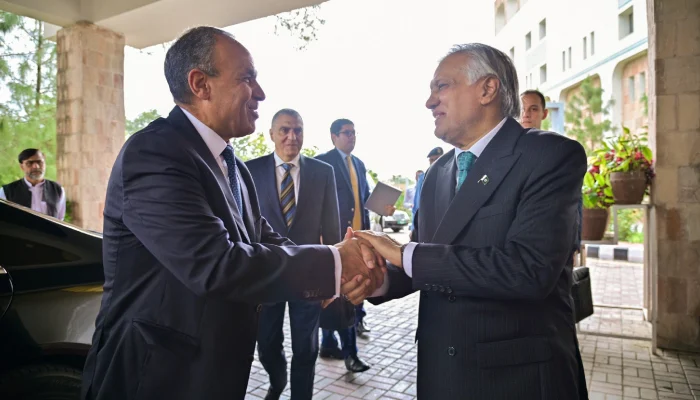
- Pakistan plays a central role as a diplomatic intermediary
- Regional conflict expands with new actors entering the situation
- Global economic and security risks continue to rise
- Diplomatic efforts persist amid uncertainty