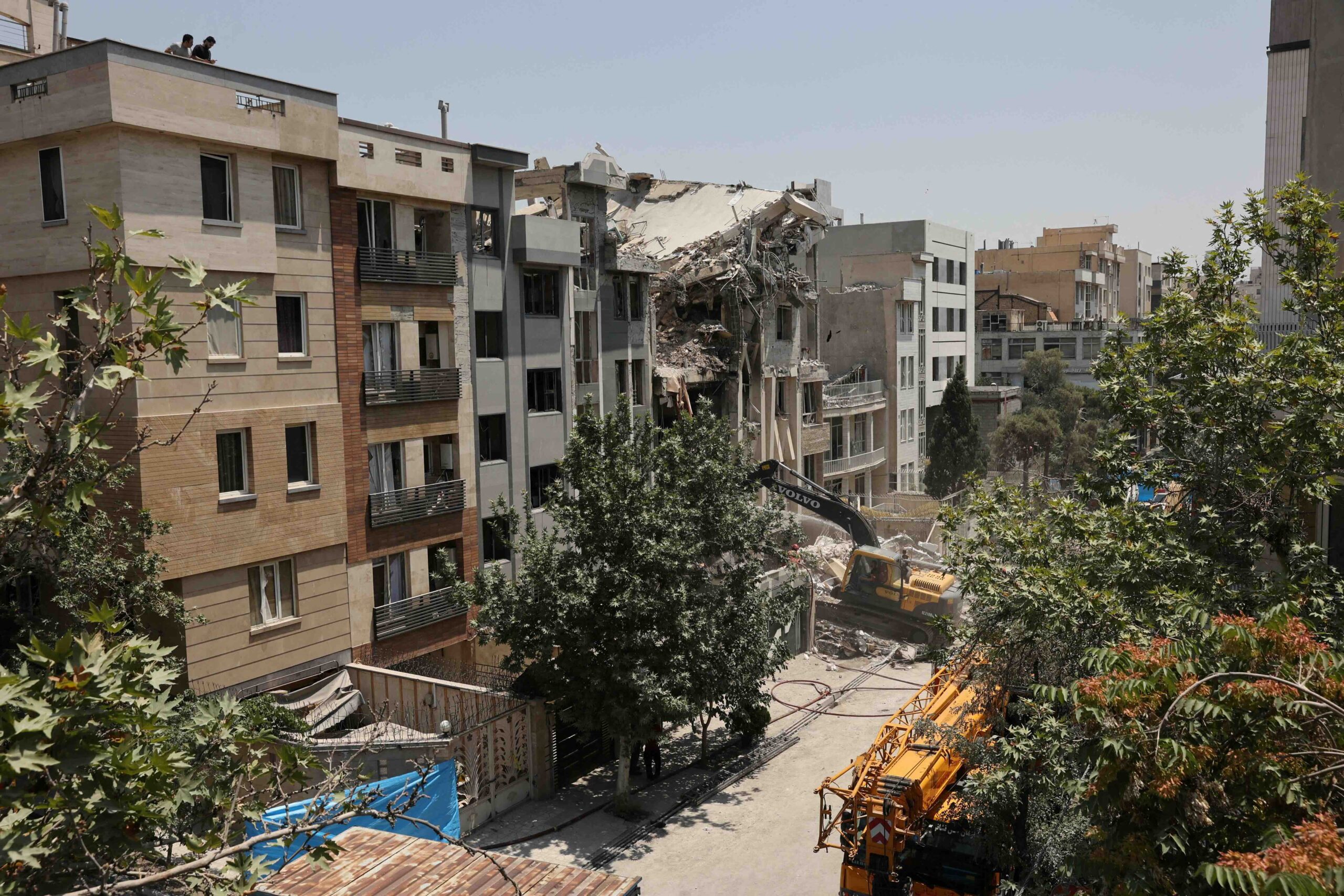
Tehran, April 2, 2026 (Parliament Politics Magazine) Iran humanitarian crisis is intensifying rapidly as officials report that US-Israeli attacks have damaged approximately 330,000 homes in Tehran, signaling one of the largest urban destruction events in the region’s modern history. The scale of devastation highlights a growing emergency affecting millions of civilians already struggling under war conditions.
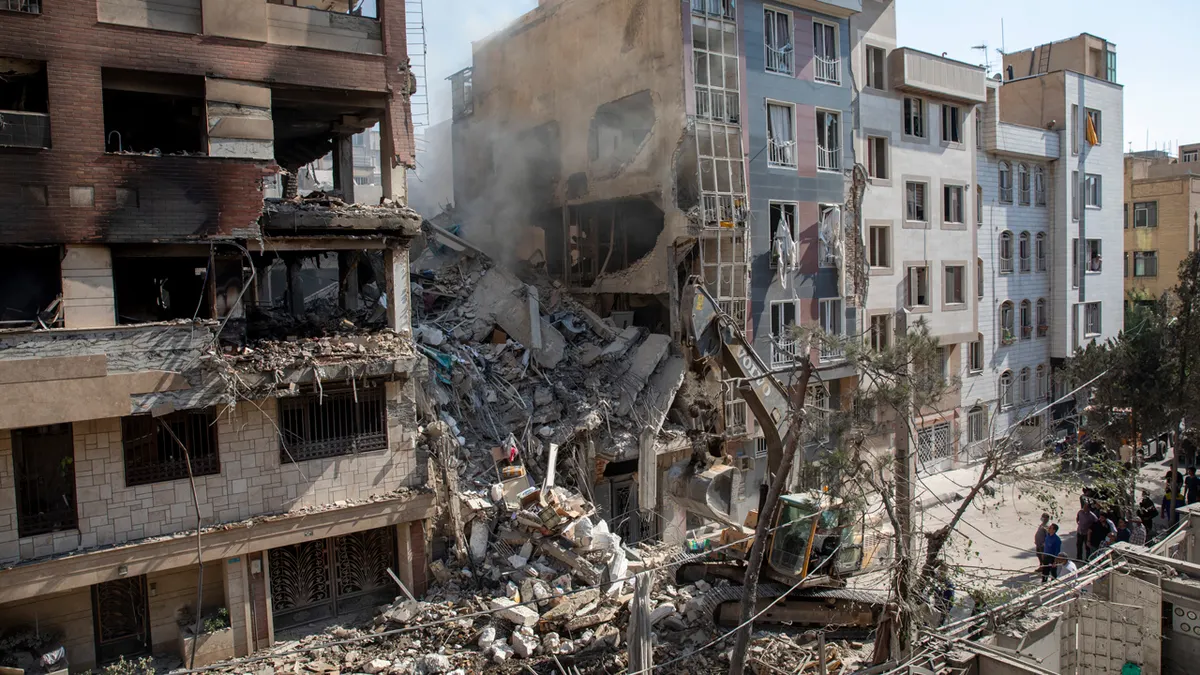
Recent reports indicate widespread destruction of residential areas, with entire neighborhoods reduced to rubble amid continuous airstrikes. The humanitarian toll continues to rise as displacement, infrastructure damage, and economic instability compound daily hardships.
Massive Residential Destruction Across Tehran
Authorities describe the damage as catastrophic, with residential buildings bearing the brunt of the attacks. Tehran, a densely populated capital, has seen entire districts impacted, forcing thousands of families to flee their homes.
The Iran humanitarian crisis is increasingly visible in the widespread loss of shelter, leaving civilians vulnerable and dependent on emergency aid.
An Iranian official stated:
“We are witnessing destruction on a scale that will take years to rebuild. Entire communities have been wiped out.”
Earlier estimates from humanitarian organizations already pointed to tens of thousands of damaged civilian structures, underscoring how rapidly the situation has escalated.
Civilian Infrastructure Under Collapse
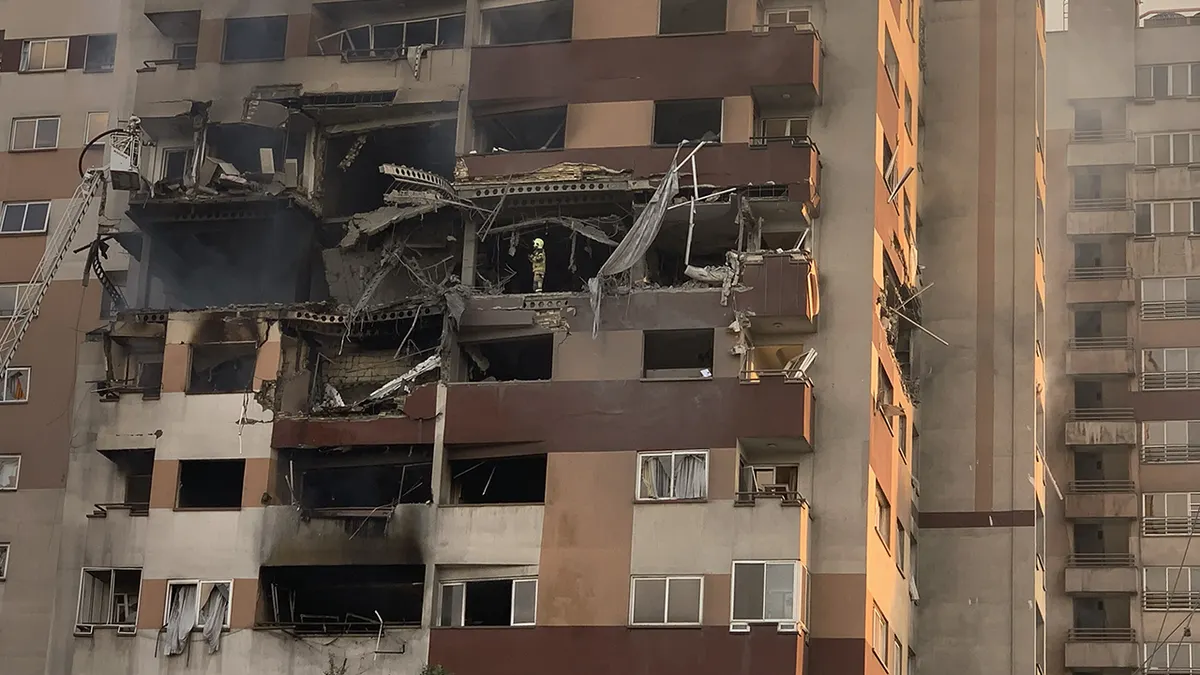
Beyond homes, critical infrastructure has also suffered severe damage. Hospitals, schools, and emergency response facilities have been hit, limiting the ability to provide essential services.
Reports indicate damage to hundreds of health facilities and schools, compounding the Iran humanitarian crisis and putting additional pressure on already strained emergency systems.
Electricity outages, disrupted water supplies, and damaged transport systems are further isolating affected communities.
Millions Displaced as Crisis Expands
The destruction of housing has triggered mass displacement, with millions forced to relocate within Iran or seek refuge in safer areas.
Estimates suggest that more than 3 million people have already been displaced since the conflict began, reflecting the scale of the Iran humanitarian crisis.
Aid workers describe overcrowded shelters, limited access to food, and deteriorating living conditions.
A humanitarian worker said:
“The displacement is overwhelming. Families are arriving with nothing, and resources are running out.”
Economic Breakdown Worsens Humanitarian Conditions
The economic consequences of the conflict are deepening the crisis. Iran’s already fragile economy is under extreme pressure, with businesses destroyed, jobs lost, and inflation rising.
Experts warn that the Iran humanitarian crisis is closely tied to economic collapse, as disruptions to daily life reduce access to income, food, and healthcare.
Reports highlight declining employment and shrinking economic activity as key factors worsening civilian suffering.
Global Concern Over Escalating Crisis
The scale of destruction has drawn international attention, with global organizations expressing concern over the humanitarian impact.
Countries and aid agencies are calling for immediate de-escalation to prevent further civilian suffering. However, ongoing military operations continue to complicate relief efforts.
The Iran humanitarian crisis is now a central issue in global diplomatic discussions, with calls for ceasefire agreements gaining urgency.
Cultural and Historical Sites Also Affected
In addition to residential damage, several culturally significant sites have reportedly been impacted by nearby strikes, raising concerns about long-term heritage loss.
Experts warn that the destruction of historical landmarks adds another dimension to the Iran humanitarian crisis, affecting not only present populations but also future generations.
Long-Term Reconstruction Challenges Ahead
Rebuilding 330,000 homes will require enormous financial resources and long-term planning. Analysts estimate that reconstruction could take years, if not decades.
Challenges include:
- Limited access to materials due to sanctions
- Ongoing conflict risks
- Labor shortages caused by displacement
- Financial constraints amid economic instability
The Iran humanitarian crisis is expected to persist long after the conflict ends, shaping the country’s recovery trajectory.
Civilian Voices Highlight Human Cost
Amid political and military developments, civilians continue to bear the greatest burden.
Residents describe fear, uncertainty, and loss as defining features of daily life.
One Tehran resident shared:
“We have lost our homes, but more than that, we have lost our sense of safety.”
The Iran humanitarian crisis is not just about numbers — it reflects the lived experiences of millions affected by war.
Rising Risk of Regional Instability
Experts warn that the ongoing crisis could destabilize the broader region. Increased displacement, economic disruption, and political tensions may lead to further escalation.
Neighboring countries are closely monitoring developments as the Iran humanitarian crisis unfolds.
International Calls for Immediate Action
Global leaders and humanitarian organizations are urging urgent action to address the crisis. Efforts include calls for ceasefire negotiations and expanded humanitarian aid.
Despite these calls, uncertainty remains as military operations continue.
The Iran humanitarian crisis is now a defining issue in international policy discussions.
What the Iran Humanitarian Crisis Means Now
The destruction of 330,000 homes in Tehran marks a critical turning point in the ongoing conflict, highlighting the severity of the Iran humanitarian crisis.
With millions displaced, infrastructure collapsing, and economic conditions worsening, the crisis continues to escalate with global implications.
As the situation develops, the urgent need for humanitarian intervention and diplomatic solutions remains at the forefront of international concern.