


Tehran, Iran — March 8, 2026 — Parliament News — The Iran leadership decision currently under discussion in Tehran has become one of the most closely watched political developments in the Middle East. As regional tensions grow and geopolitical uncertainty increases, attention has turned toward Iran’s internal leadership deliberations and what they could mean for the country’s future.
Political analysts say the Iran leadership decision could shape Iran’s domestic governance, diplomatic posture, and economic strategy for years to come. Because Iran holds significant influence across the Middle East and global energy markets, any change in leadership direction is closely monitored by governments and investors worldwide.
The evolving Iran leadership decision is unfolding during a sensitive moment when security concerns in the Gulf and broader geopolitical tensions continue to draw international attention.
Political Debate Intensifies in Tehran
Iran’s political structure blends religious leadership with elected institutions, creating a complex decision making process for national leadership. Discussions surrounding the Iran leadership decision involve consultations among senior clerical authorities, government officials, and influential political figures.
These internal deliberations often take place behind closed doors and can involve extensive negotiation before consensus is reached. The current Iran leadership decision is therefore expected to emerge through careful consultation rather than sudden announcement.
Observers note that leadership debates in Iran are particularly significant because the country’s supreme authority plays a central role in shaping foreign policy, military strategy, and economic priorities.
Regional Tensions Add Pressure
The broader Middle East has experienced rising geopolitical tensions in recent months, increasing the significance of the Iran leadership decision. Iran’s strategic position in the region means that its leadership choices can influence diplomatic relations, security arrangements, and regional alliances.
Countries across the Gulf and beyond are watching developments carefully. A shift in leadership direction linked to the Iran leadership decision could potentially affect negotiations, military strategy, and energy policy.
For policymakers across the region, understanding Iran’s political direction is essential for anticipating future developments in Middle Eastern geopolitics.
Historical Comparison With Earlier Leadership Turning Points
The current Iran leadership decision has drawn comparisons to previous moments in Iran’s modern political history when leadership changes reshaped the nation’s trajectory. One of the most defining events occurred in 1979 during the Iranian Revolution, when Iran transitioned from a monarchy to a new political system centered on religious leadership.
That transformation significantly altered Iran’s domestic policies and its relationships with Western governments. While today’s political environment is different, historians say leadership debates in Iran have often marked pivotal turning points that influence national strategy and international relations.
The ongoing Iran leadership decision may represent another such moment, depending on the policies and priorities adopted by future leadership.
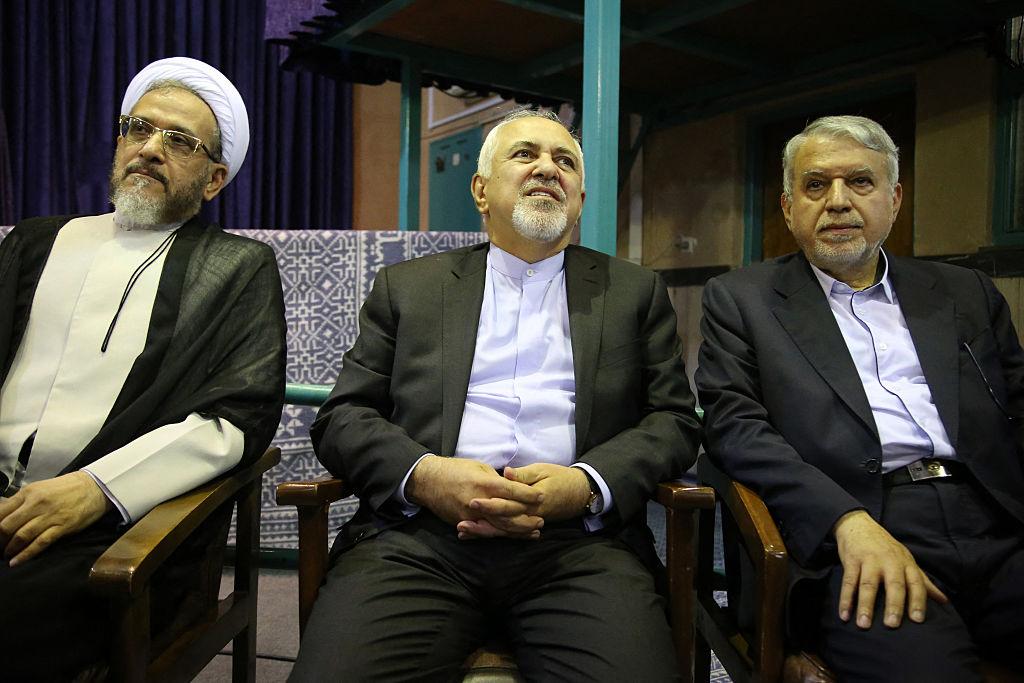
Expert Insight on the Situation
Political analysts emphasize that leadership discussions within Iran often require time and careful negotiation among influential institutions.
One regional expert summarized the situation with caution.
“Leadership decisions made during periods of regional tension often determine how countries navigate both diplomacy and security challenges.”
Such perspectives highlight why the Iran leadership decision has drawn global attention from policymakers, researchers, and geopolitical analysts.
A Moment That Could Shape Regional Politics
As the Iran leadership decision continues to develop, observers believe the coming months may play a crucial role in defining Iran’s political direction. Leadership choices made during this period could influence domestic governance as well as Iran’s relationships with neighboring countries.
The Iran leadership decision therefore represents more than an internal political debate. It is also a development with potential consequences for regional stability and global diplomacy.
For now, governments and analysts across the world remain focused on Tehran as the Iran leadership decision moves closer to a conclusion that could shape the Middle East’s political landscape for years to come.