

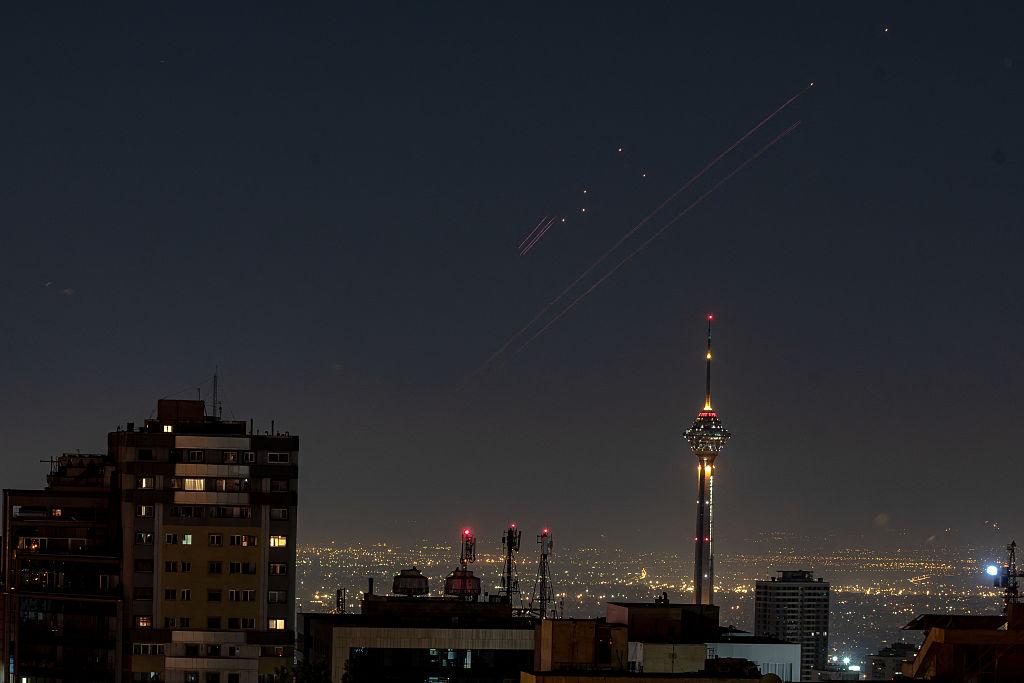
Iran leadership strike has triggered a major geopolitical shock after reports confirmed senior Iranian leaders were targeted in coordinated air attacks.
The operation, linked to escalating conflict in the Middle East, has intensified regional instability and military retaliation.
Analysts warn the Iran leadership strike could reshape power dynamics across the region and deepen the ongoing war.
Tehran, Iran — March 5, 2026 — Parliament News — A large-scale coordinated military operation led by the United States and Israel is dramatically reshaping the strategic balance across the Middle East. The campaign, widely described by analysts as an Iran leadership strike, has targeted key command structures, missile launch networks, and air defense infrastructure across multiple regions of Iran. Military officials say the operation aims to weaken Iran’s ability to coordinate attacks while establishing control of its airspace.
According to defense sources, the joint air campaign represents one of the most synchronized allied operations in modern warfare. The strikes have focused on missile launch platforms, radar systems, and strategic command facilities believed to play a critical role in Iran’s military leadership network. By striking these locations, planners hope to disrupt decision-making structures and limit Iran’s ability to organize large-scale responses.
U.S. Secretary of War Pete Hegseth stated that the operation is rapidly moving toward complete aerial dominance over Iranian territory. He indicated that allied aircraft are increasingly operating across Iranian airspace with minimal resistance.
Hegseth suggested that within days the United States and Israel could effectively maintain control of the skies over Iran, allowing aircraft to fly continuous missions over major cities including Tehran.
According to his assessment, Iranian leadership is witnessing constant allied air activity above strategic locations, signaling a shift in the balance of military power in the region.
Joint Military Coordination Between the United States and Israel
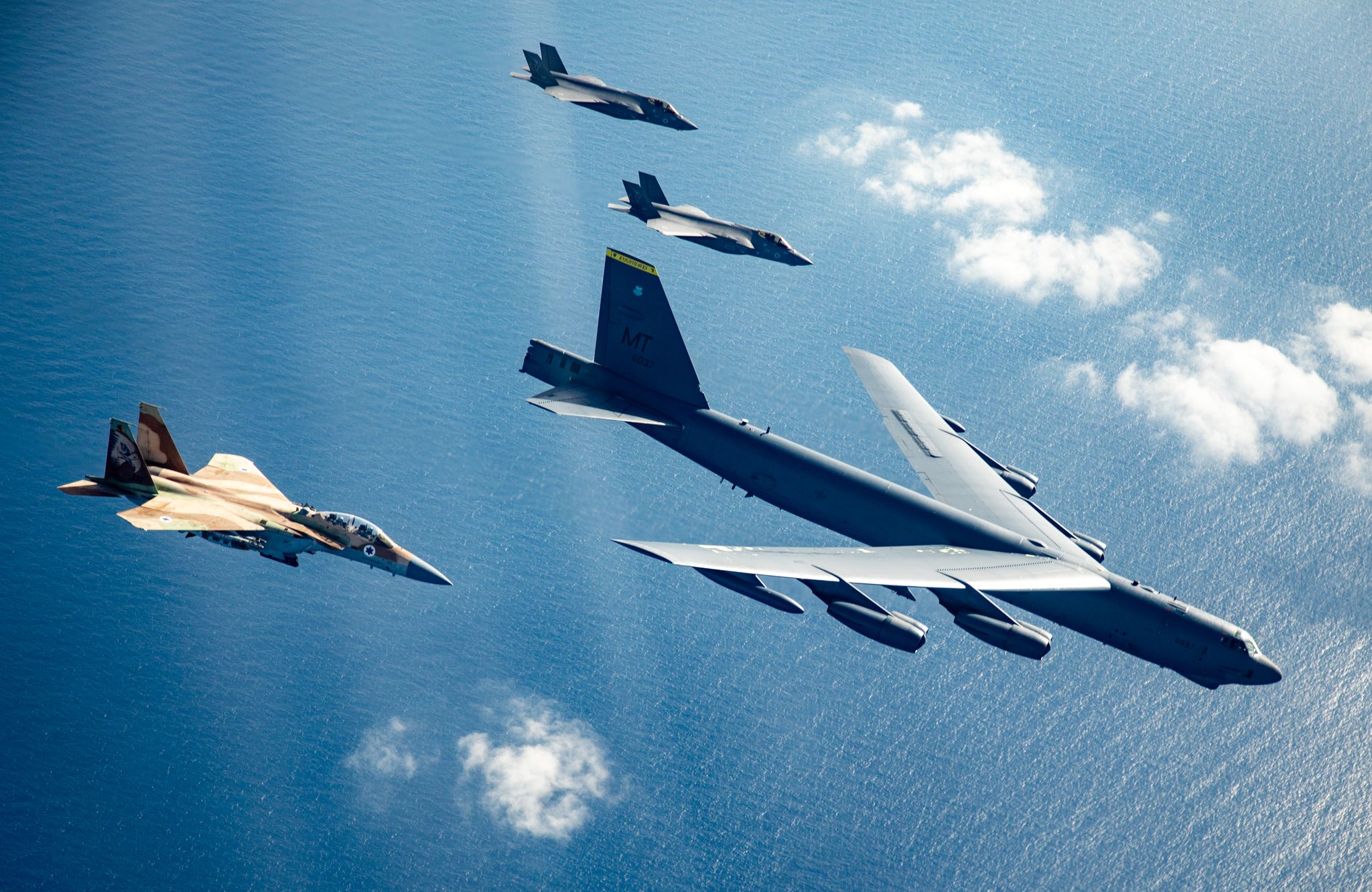
Military planners say the effectiveness of the Iran leadership strike is largely due to the unprecedented level of coordination between American and Israeli forces. Intelligence sharing, synchronized planning, and combined execution allowed both militaries to strike multiple targets almost simultaneously.
Israel Defense Forces spokesperson Brigadier General Effie Defrin said the level of cooperation between the two countries has reached extraordinary levels. He explained that both militaries have worked closely in planning and carrying out operations that extend across Iran and other strategic areas linked to the conflict.
Defense analysts believe the campaign reflects a new model for allied warfare. Instead of separate national missions occurring simultaneously, both militaries are operating through a unified command structure designed to maximize efficiency.
Urban Warfare Institute Executive Director John Spencer explained that Israeli air forces matched the scale of American aircraft deployments during the opening phase of the campaign. For Israel, that level of involvement represented roughly eighty percent of its available air force strength.
Spencer noted that this level of integration demonstrates how allied nations can combine intelligence, logistics, and military power to conduct coordinated operations on an unprecedented scale.
Operation Roaring Lion Launches Massive Air Offensive
Israel’s contribution to the campaign began with Operation Roaring Lion, which military officials described as the largest coordinated air operation in the history of the Israeli Air Force.
Nearly 200 fighter jets launched a series of simultaneous strikes targeting missile launch facilities, air defense installations, and command centers across western and central Iran.
Within the first twenty-four hours, Israeli aircraft succeeded in opening a corridor through Iran’s air defenses that allowed sustained missions over Tehran and surrounding areas.
Military planners relied on intelligence gathered from Israeli intelligence agencies and American partners to identify hundreds of high-value targets. These targets were selected because of their role in supporting Iran’s missile program and national defense coordination.
During the opening phase of the Iran leadership strike, hundreds of precision munitions were dropped on roughly 500 locations, including missile launch sites, radar systems, and military command infrastructure.
Leadership Targeting Signals a Shift in Military Strategy
One of the most notable elements of the Iran leadership strike is the rapid targeting of senior political and military figures believed to be involved in directing Iran’s defense strategy.
Israeli intelligence officials reported that the opening strike removed several high-ranking officials connected to Iran’s leadership structure. According to intelligence sources, many of the targeted individuals were believed to be directly involved in overseeing missile production programs and military operations.
Military analysts say this approach represents a significant shift in modern warfare strategy. Traditionally, campaigns have focused on destroying equipment and battlefield forces first.
In this operation, however, the early focus was placed on leadership networks believed to control Iran’s military response.
John Spencer explained that eliminating command nodes can disrupt communication channels and weaken an opponent’s ability to coordinate large-scale operations.
Air Dominance Over Iran
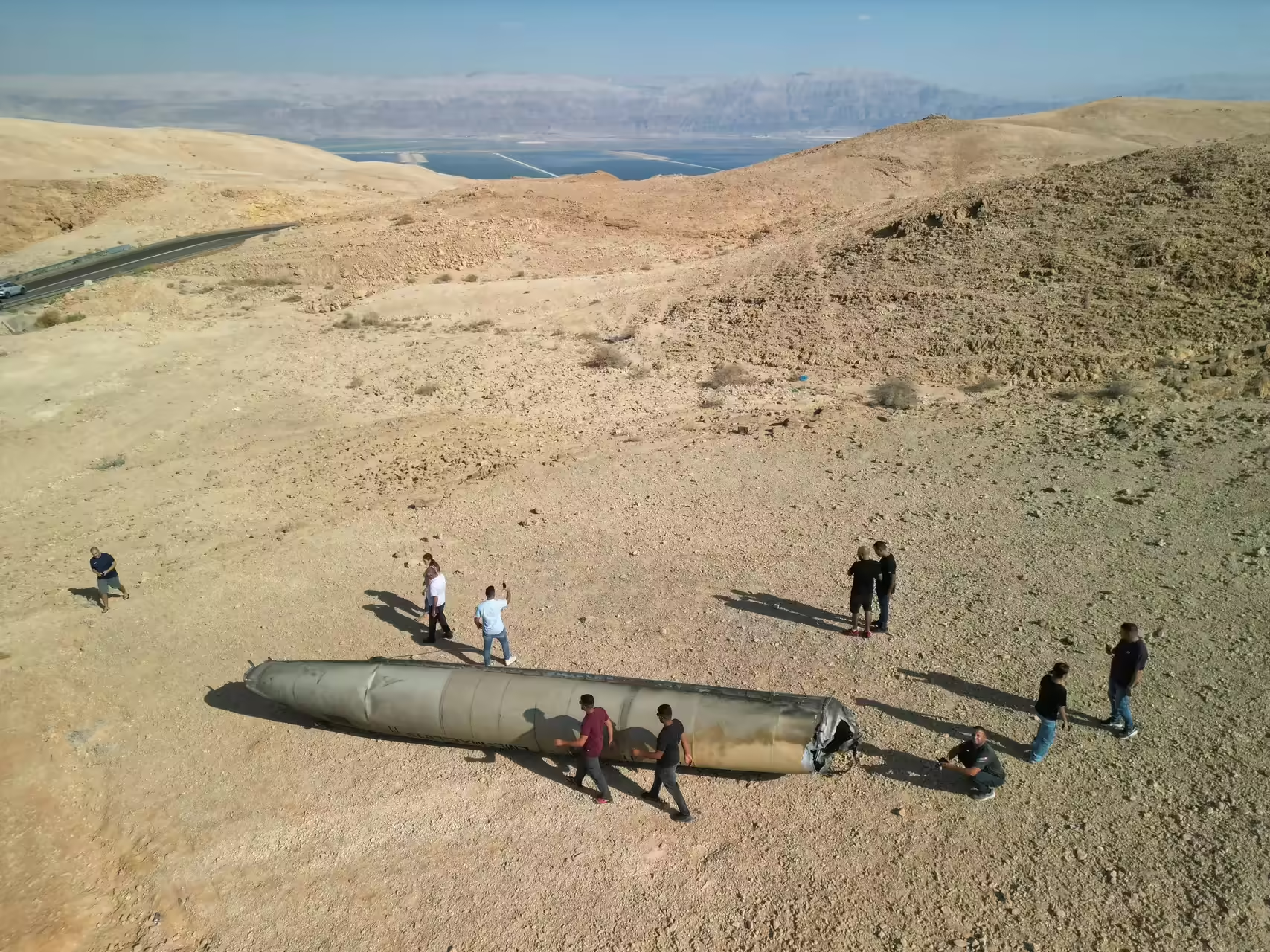
Another critical development during the Iran leadership strike has been the rapid establishment of air superiority over much of Iranian territory.
Defense officials say stealth aircraft, advanced surveillance technology, and electronic warfare systems allowed allied forces to disable key air defense systems early in the campaign.
With these defenses weakened, allied aircraft have been able to operate deeper within Iranian airspace with significantly reduced risk.
A major milestone occurred when an Israeli F35 fighter jet reportedly shot down an Iranian aircraft during combat operations. According to Israeli officials, it marked the first time in history that an F35 has destroyed a manned aircraft in aerial combat.
It was also the first confirmed aerial combat victory for the Israeli Air Force in more than forty years.
Missile Infrastructure Under Heavy Attack
Since the beginning of the operation, Israeli aircraft alone have conducted more than 1,600 sorties and deployed thousands of munitions against Iranian military targets.
Officials say the Iran leadership strike has destroyed hundreds of missile launchers and damaged more than 600 military infrastructure sites.
The main objective of the campaign is to dismantle Iran’s ballistic missile capabilities, which regional intelligence assessments identified as a growing threat.
Before the campaign began, estimates suggested Iran possessed around 3,000 ballistic missiles and was increasing production rapidly.
Israeli defense officials said the strikes have already prevented the production of more than 1,500 additional missiles and destroyed large portions of the existing arsenal.
They argue that the missile program represented a direct security threat not only to Israel but also to American forces and regional allies.
Casualties and Human Impact
The expanding conflict has resulted in casualties across multiple countries as the Iran leadership strike continues.
U.S. military officials confirmed that six American service members have died during the operation.
In Israel, authorities reported at least thirteen civilian deaths and more than one thousand injuries following retaliatory missile and drone attacks launched by Iran.
The United Arab Emirates has also reported several casualties since the conflict began spreading across the region.
Reliable casualty figures inside Iran remain difficult to verify, although reports suggest that numerous senior commanders may have been killed during the opening strikes.
Additional casualties have been reported after attacks on military facilities and infrastructure.
Historical Comparison With Past Military Campaigns
The scale and coordination of the Iran leadership strike have drawn comparisons with several historical military campaigns where air power played a decisive role. Analysts note similarities to the opening air campaigns of the 1991 Gulf War and the early stages of the 2003 Iraq invasion, where coalition forces used advanced technology to establish rapid control of the skies.
However, experts argue that the current operation reflects a far more advanced level of intelligence integration and precision targeting. Unlike earlier conflicts, where weeks of bombing were required to weaken air defenses, the current campaign achieved many of its objectives within hours.
This shift demonstrates how modern warfare has evolved through satellite intelligence, cyber capabilities, and stealth aircraft technology.
Quote From Military Analyst
Military analyst John Spencer, executive director of the Urban Warfare Institute, emphasized how unusual the scale of the operation has been in modern warfare.
He said the Iran leadership strike reflects a new level of coordination and technological capability between allied militaries.
Spencer explained.
“Two powerful air forces are operating as a single coordinated force, combining intelligence, technology, and precision strike capability in ways that were almost unimaginable two decades ago.”
Spencer added that the campaign demonstrates how modern alliances can reshape a battlefield quickly when intelligence, airpower, and strategic planning are synchronized.
Future Outlook for the Conflict
Experts say the long-term consequences of the Iran leadership strike will depend largely on how Iran responds to the destruction of military infrastructure and leadership networks.
Some analysts believe Iran will attempt to rebuild its command structure and missile production capacity. Others warn that retaliation through regional allies or proxy forces remains possible.
As the conflict continues to unfold, governments around the world are closely watching the situation for signs of escalation or diplomatic negotiations.
The coming weeks may determine whether the campaign leads to a broader regional war or creates conditions for renewed political dialogue.