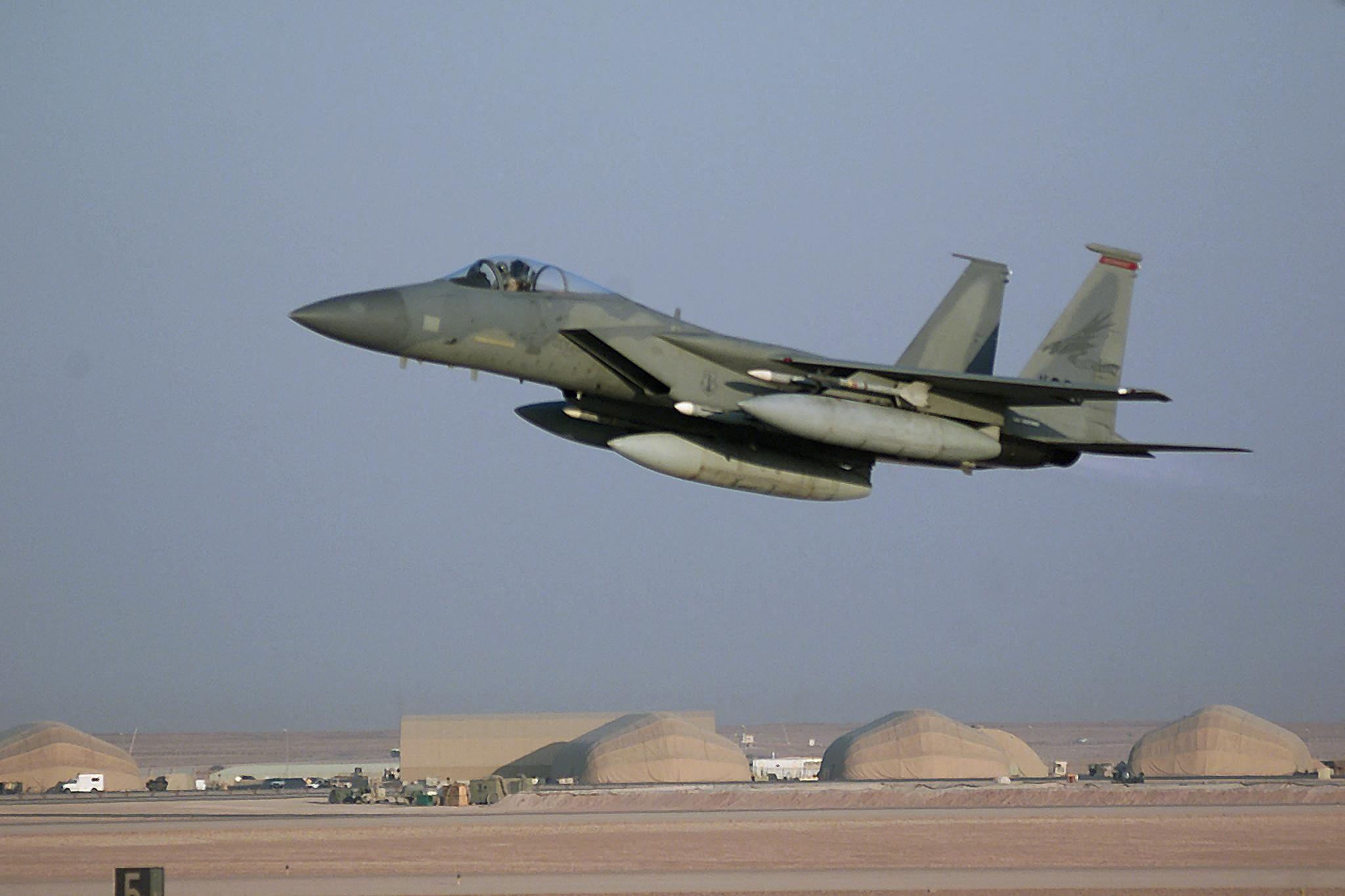
Riyadh, Manama , March 23, 2026 (Parliament Politics Magazine), Iran military attack claims have surged to the center of global attention as tensions between the United States and Iran escalate rapidly. Tehran has asserted that its forces targeted key strategic locations, including the Prince Sultan Air Base in Saudi Arabia and the US Fifth Fleet headquarters in Bahrain.
These claims come at a moment of extraordinary geopolitical instability, further intensified by the sudden resignation of a top US counterterrorism official, reportedly in protest of the ongoing military strategy.
While full confirmation remains limited, multiple reports indicate that Iran has launched missile and drone strikes across the Gulf region targeting US-linked military infrastructure.
Leadership Shock: Resignation Raises Questions
The crisis deepened as a senior counterterrorism official stepped down, adding weight to concerns surrounding internal disagreements within US national security leadership.
The resignation comes as Iran military attack claims continue to mount, suggesting a widening gap between strategic planning and operational realities.
A defense insider stated:
“When leadership changes occur during an active conflict, it often reflects serious concerns about the direction of policy.”
This development has triggered debate across political and intelligence circles about the long-term consequences of the US response.
Expanding Conflict: Iran’s Strategic Messaging
Iran’s claims of striking US-linked bases are not isolated incidents. The broader conflict has already seen widespread missile and drone attacks targeting multiple countries hosting American forces.
Reports indicate that Iranian strikes have reached Bahrain, Saudi Arabia, and other Gulf states, damaging infrastructure and injuring personnel.
At the same time, Tehran has issued warnings of further retaliation, including threats to energy infrastructure across the region.
These Iran military attack claims are part of a broader strategy aimed at applying pressure not only militarily but economically.
Rising Risks for Regional Stability
The Gulf region is now facing one of its most volatile periods in recent history. Strategic military bases, oil facilities, and civilian infrastructure have become potential targets.
Recent developments include:
- Missile and drone attacks targeting oil and gas facilities
- Strikes near major US military installations
- Heightened military readiness across allied nations
Saudi Arabia has already expelled Iranian diplomatic personnel following repeated attacks, signaling a severe breakdown in diplomatic relations.
Experts warn that continued escalation could trigger a wider regional war involving multiple nations.
Global Security Implications
The continued spread of Iran military attack claims is raising alarms far beyond the Middle East. Intelligence agencies worldwide are monitoring the situation closely, as any further escalation could impact global security networks.
A geopolitical analyst noted:
“This is no longer a regional issue—it’s a global security crisis unfolding in real time.”
The resignation of a key counterterrorism leader adds uncertainty to international coordination efforts, particularly in counterterrorism operations that rely on strong leadership continuity.
Economic Fallout and Energy Market Shock
The Gulf region plays a critical role in global energy supply, and any disruption can have immediate worldwide consequences.
Oil markets have already shown volatility, with prices rising sharply amid fears of supply disruptions. Attacks on refineries and shipping routes have further increased uncertainty.
Iran has also threatened to close the Strait of Hormuz, a vital chokepoint for global oil transport, amplifying concerns about economic instability.
The persistence of Iran military attack claims continues to drive market reactions and investor caution.
Diplomatic Breakdown and Limited Options
Despite calls for restraint from international leaders, diplomatic efforts have struggled to gain traction.
The combination of military escalation and leadership changes has created a complex environment where negotiations are increasingly difficult.
Global powers have urged de-escalation, but ongoing strikes and counter-strikes suggest that neither side is ready to back down.
Historical Context Behind the Crisis
US-Iran tensions have long been defined by cycles of confrontation and fragile diplomacy. However, the current escalation stands out due to the scale and frequency of attacks.
Iran’s use of missile and drone warfare across multiple countries marks a significant shift in strategy, reflecting a more aggressive posture.
The emergence of repeated Iran military attack claims underscores how the conflict has evolved into a broader regional confrontation.
What Comes Next: A Dangerous Turning Point
The situation remains fluid, with both sides maintaining strong military positions.
Key concerns moving forward include:
- Potential for direct large-scale confrontation
- Increased attacks on energy infrastructure
- Expansion of conflict into neighboring regions
The resignation of a senior counterterrorism official may lead to policy reassessments, but it also introduces uncertainty at a critical time.
Crisis Deepens as Global Stakes Rise
The latest Iran military attack claims highlight a rapidly escalating conflict that is reshaping global security dynamics.
With reported strikes on US-linked bases in Saudi Arabia and Bahrain, rising tensions in the Gulf, and the resignation of a key counterterrorism leader, the situation has reached a critical juncture.
In summary, the world is witnessing a dangerous convergence of military escalation, political instability, and economic risk. As events continue to unfold, the possibility of a broader conflict remains a growing concern for global leaders and citizens alike.