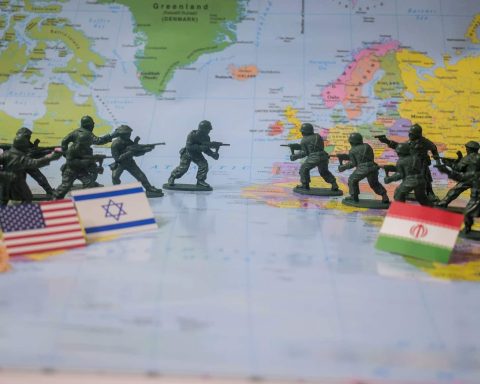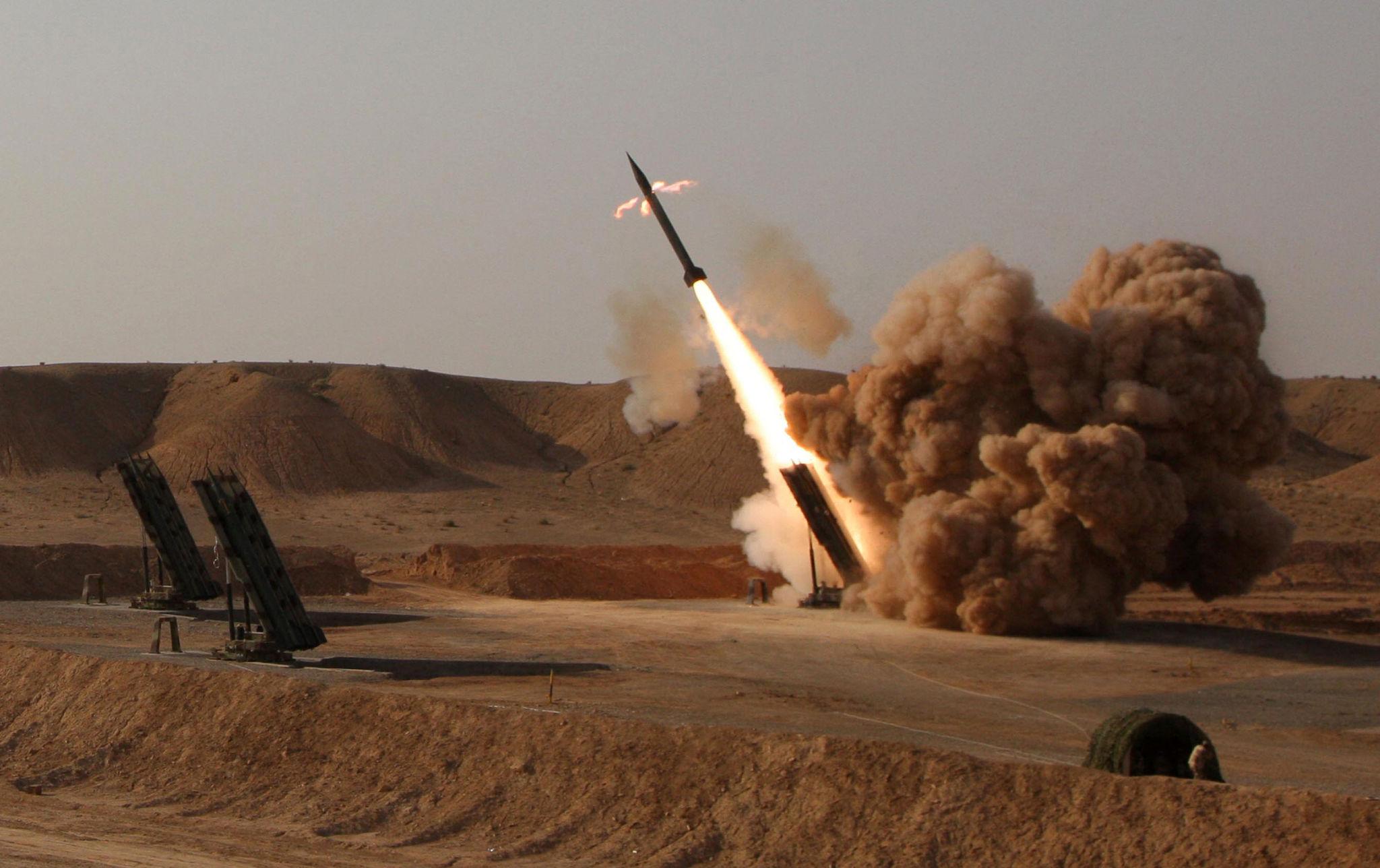
WASHINGTON, — March 10, 2026 — Parliament News — The Iran missile threat has moved back into the global spotlight after Iranian leaders declared they are prepared to deploy powerful missile systems while rejecting ceasefire discussions with the United States. The announcement has raised alarm among international security experts and governments concerned about the potential for broader conflict in the Middle East.
Iranian officials say their missile capabilities are central to national defense and serve as a deterrent against military pressure. However, Washington and its allies view the expanding missile arsenal as a destabilizing factor in an already volatile region. Analysts warn that the Iran missile threat could become a major geopolitical flashpoint if diplomatic efforts fail.
Rising Military Tensions Between Iran and the United States
Tensions between Tehran and Washington have fluctuated for decades, but recent developments have renewed concerns about possible confrontation. Iranian officials have ruled out ceasefire negotiations with the United States, arguing that their country must maintain strong defensive capabilities.
Security experts believe the continued emphasis on missile technology reflects Iran’s strategy of deterrence. By highlighting its missile arsenal, Tehran signals that it can respond to threats quickly and effectively.
The growing Iran missile threat has also triggered discussions within international defense circles about how missile technology is reshaping regional military dynamics. Several governments in the Middle East have already increased surveillance and missile defense preparedness in response to these developments.
Regional Security Concerns Intensify
Neighboring countries across the Middle East are watching the situation closely. Military analysts say the Iran missile threat has the potential to influence regional alliances and defense planning.
Countries in the Gulf region have strengthened cooperation on missile defense systems, while international organizations continue to call for diplomatic engagement to prevent escalation.
The presence of advanced missile systems changes strategic calculations for many governments. Experts say that missile programs can provide smaller or sanctioned nations with powerful deterrence capabilities that offset traditional military disadvantages.
As a result, the Iran missile threat is now considered one of the most significant security concerns in the region.
Historical Comparison With Earlier Conflicts
The current situation has drawn comparisons to earlier periods of tension in the Middle East. During the Iran Iraq War in the 1980s, missile strikes were widely used by both sides, demonstrating how missile technology could influence modern warfare.
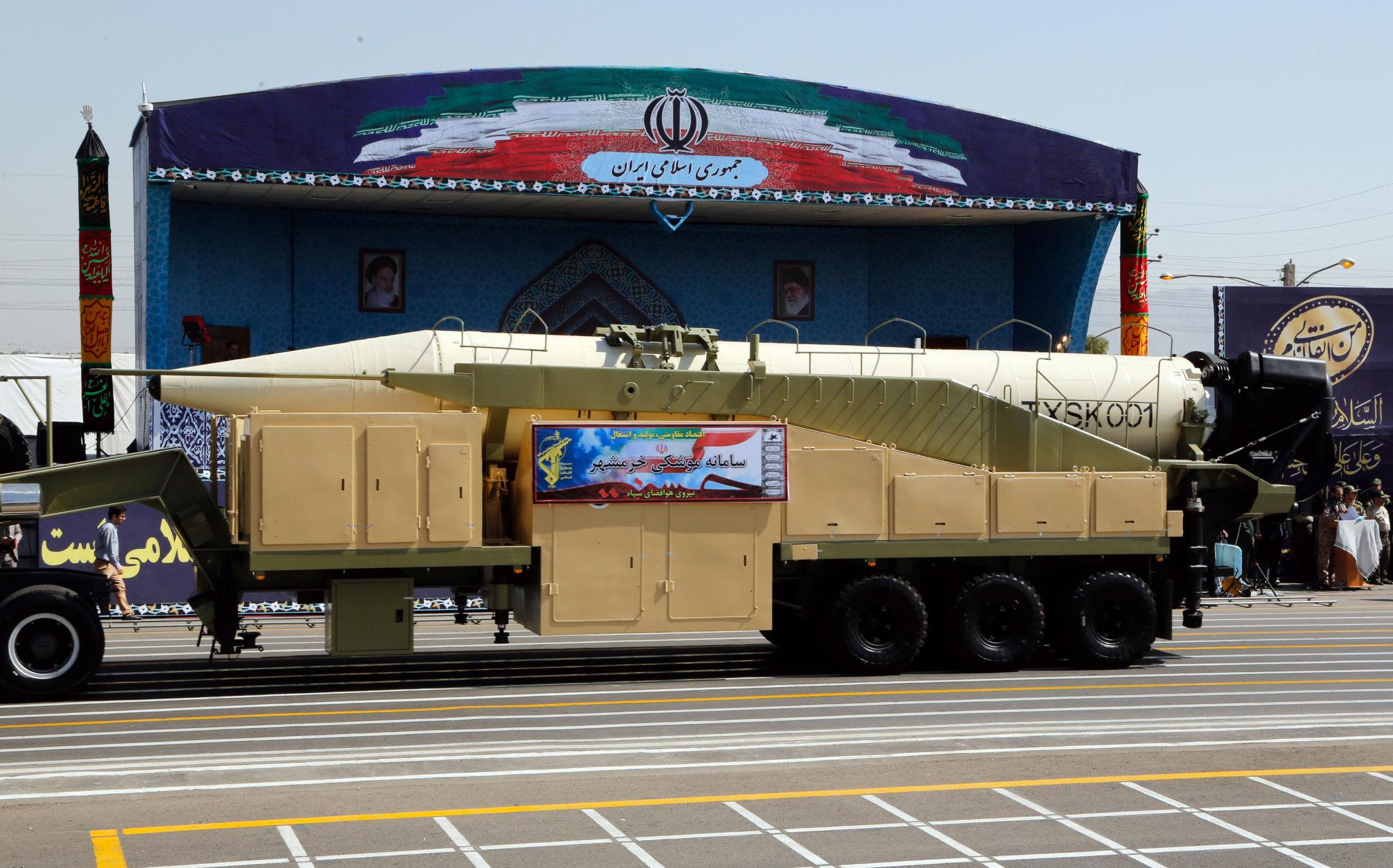
That conflict encouraged Iran to invest heavily in domestic missile development. Over time, these investments evolved into a sophisticated program that today forms the core of the Iran missile threat discussed by international defense experts.
The lessons from earlier conflicts continue to shape Iran’s military strategy, emphasizing long range deterrence and rapid response capabilities.
Expert Warning on Future Escalation
Defense specialists warn that the Iran missile threat could increase geopolitical tensions if diplomatic channels remain closed.
One regional security analyst explained the growing concern:
“Missile capabilities are now one of the most powerful strategic tools Iran possesses, and they will continue to influence the balance of power in the Middle East.”
This assessment reflects a broader view among experts that missile programs are becoming central to national security strategies in many countries.
The expansion of missile technology has therefore become a critical issue in global security discussions.
Global Diplomacy Faces Major Test
The continuing Iran missile threat presents a serious challenge for international diplomacy. While several governments have urged restraint, progress toward negotiations remains slow.
Economic sanctions, regional rivalries, and long standing political tensions complicate efforts to reopen dialogue between Tehran and Washington.
Diplomats argue that meaningful progress will require cooperation from multiple countries as well as broader discussions about regional security and missile development.
Until such negotiations take place, the missile issue is likely to remain a central point of tension in international relations.
Key Takeaways From the Growing Crisis
The renewed Iran missile threat highlights the fragile security environment in the Middle East. Iran’s refusal to consider ceasefire talks with the United States signals that tensions may continue for some time.
Missile technology now plays a major role in shaping military strategy, diplomatic negotiations, and regional alliances. As governments monitor the situation closely, the risk of escalation remains a concern for global security.
The coming months will be critical in determining whether diplomatic efforts can reduce tensions or whether the missile standoff will deepen into a broader geopolitical confrontation.