

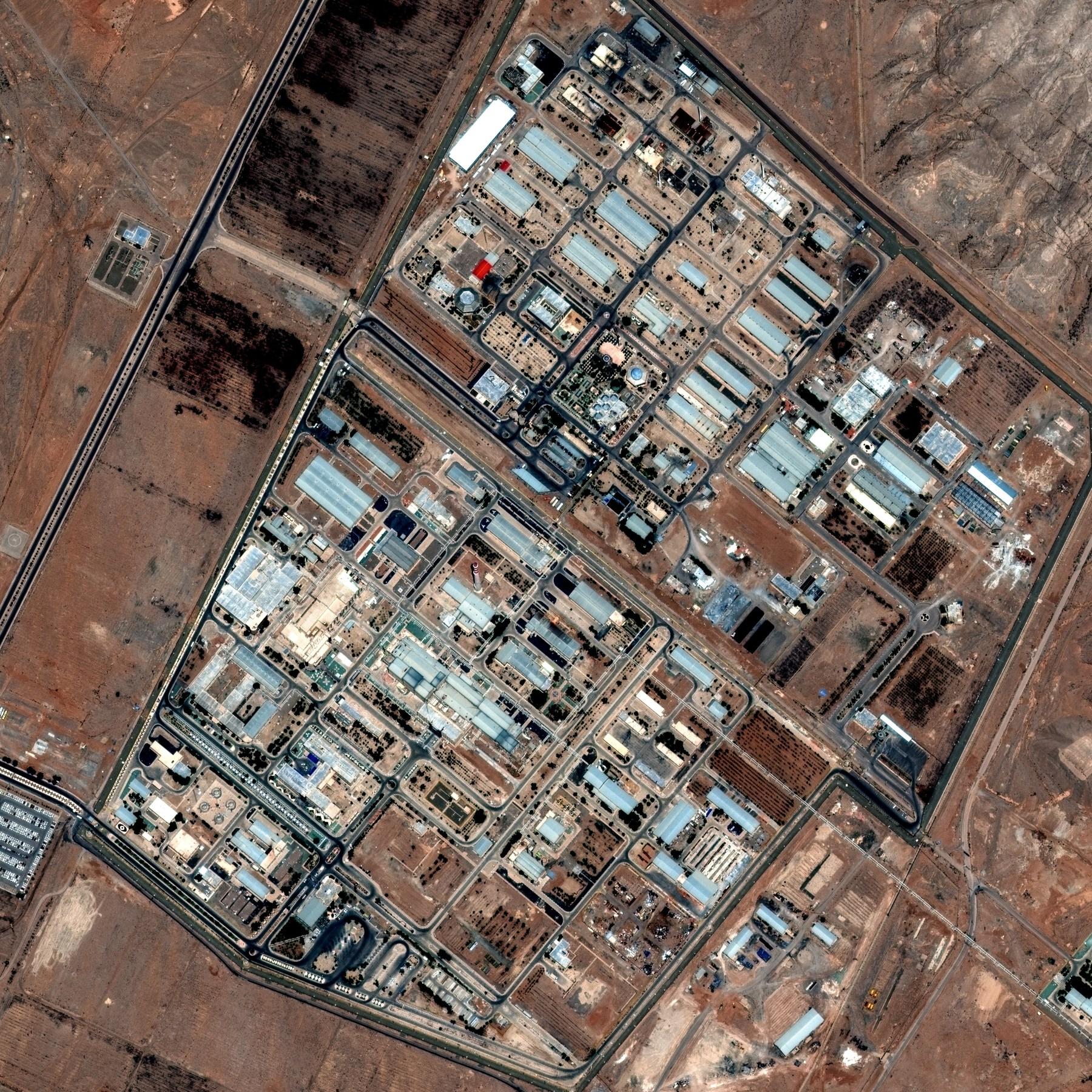
Tehran, Iran, April 19, 2026 (Parliament Politics Magazine) Iran nuclear policy update emerged as a central development in 2026 after President of Iran reiterated the country’s commitment to maintaining its nuclear program under what officials describe as sovereign rights. The statement, reported through Islamic Republic News Agency, signals continuity in Tehran’s long-standing nuclear approach despite mounting international pressure.
The announcement comes at a critical moment, with global negotiations facing uncertainty and diplomatic channels under strain. The renewed emphasis on Iran nuclear policy update suggests that significant changes in Tehran’s position are unlikely in the near future.
A senior official stated,
“Our nuclear program reflects national priorities and lawful rights. This policy will continue without compromise.”
Historical Context of Iran’s Nuclear Position
The Iran nuclear policy update reflects a broader historical pattern that has shaped international relations for decades. Iran has consistently maintained that its nuclear activities are intended for peaceful purposes, including energy generation and technological advancement.
However, the international community remains divided. While some nations support diplomatic engagement, others continue to raise concerns over transparency and potential military applications.
This latest development reinforces Tehran’s position that external pressure will not alter its long-term strategy.
Diplomatic Repercussions and Global Response
The Iran nuclear policy update is expected to influence ongoing diplomatic efforts involving multiple global stakeholders. Negotiations aimed at resolving nuclear-related disputes have seen periods of progress and stagnation, and the latest statement adds complexity to these discussions.
Several governments have expressed cautious concern, noting that a firm stance could complicate future agreements. Others interpret the move as part of a broader negotiating strategy.
Analysts suggest that the coming weeks will be critical in determining whether diplomatic momentum can be sustained.
Regional Security Considerations
The Iran nuclear policy update carries significant implications for regional stability in the Middle East. Neighboring countries continue to monitor developments closely, given the potential impact on security dynamics.
Any escalation in tensions could affect strategic alliances, defense policies, and economic cooperation within the region.
A regional expert commented,
“Statements like this are not isolated—they influence how countries position themselves and respond to evolving security challenges.”
Economic Pressures and Strategic Balance
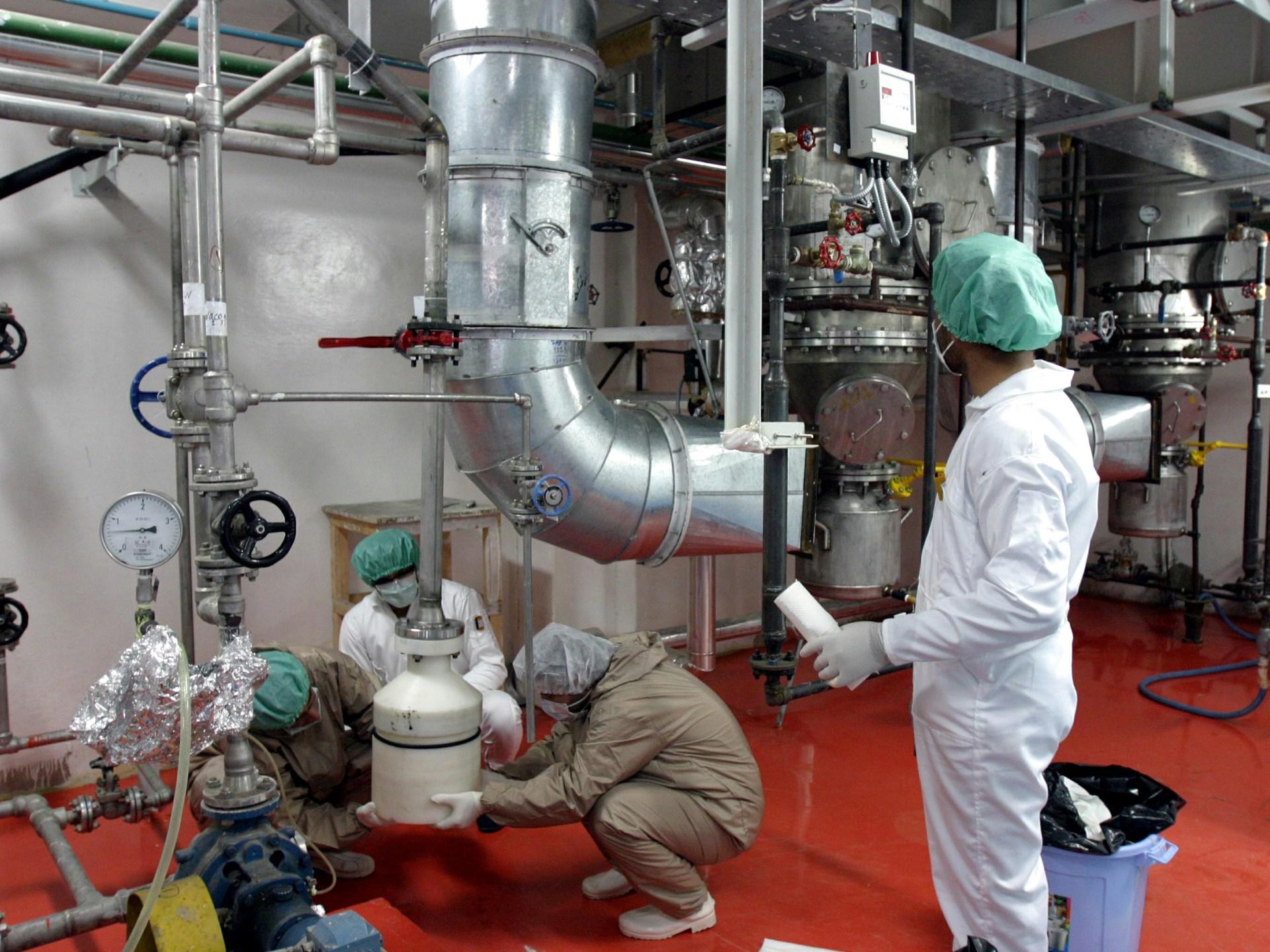
Economic conditions remain a key factor in shaping Iran’s policy decisions. Sanctions have placed pressure on various sectors, influencing both domestic priorities and international engagement.
Despite these challenges, the Iran nuclear policy update indicates that Tehran is prioritizing long-term strategic goals over short-term economic considerations.
This balance between economic realities and policy objectives continues to define Iran’s approach to global negotiations.
Domestic Perspective and Public Sentiment
Within Iran, nuclear policy is often framed as a matter of national sovereignty and technological progress. Public discourse reflects a strong emphasis on independence and self-reliance.
The Iran nuclear policy update aligns with these themes, reinforcing a narrative of resilience in the face of external pressure.
Observers note that maintaining a consistent policy stance may also strengthen domestic political support.
Role of International Oversight
Monitoring and verification remain critical components of the global response to Iran’s nuclear activities. The International Atomic Energy Agency continues to play a central role in assessing compliance and reporting findings.
The effectiveness of these mechanisms will be essential in shaping future diplomatic outcomes and maintaining transparency.
What This Means for Future Negotiations
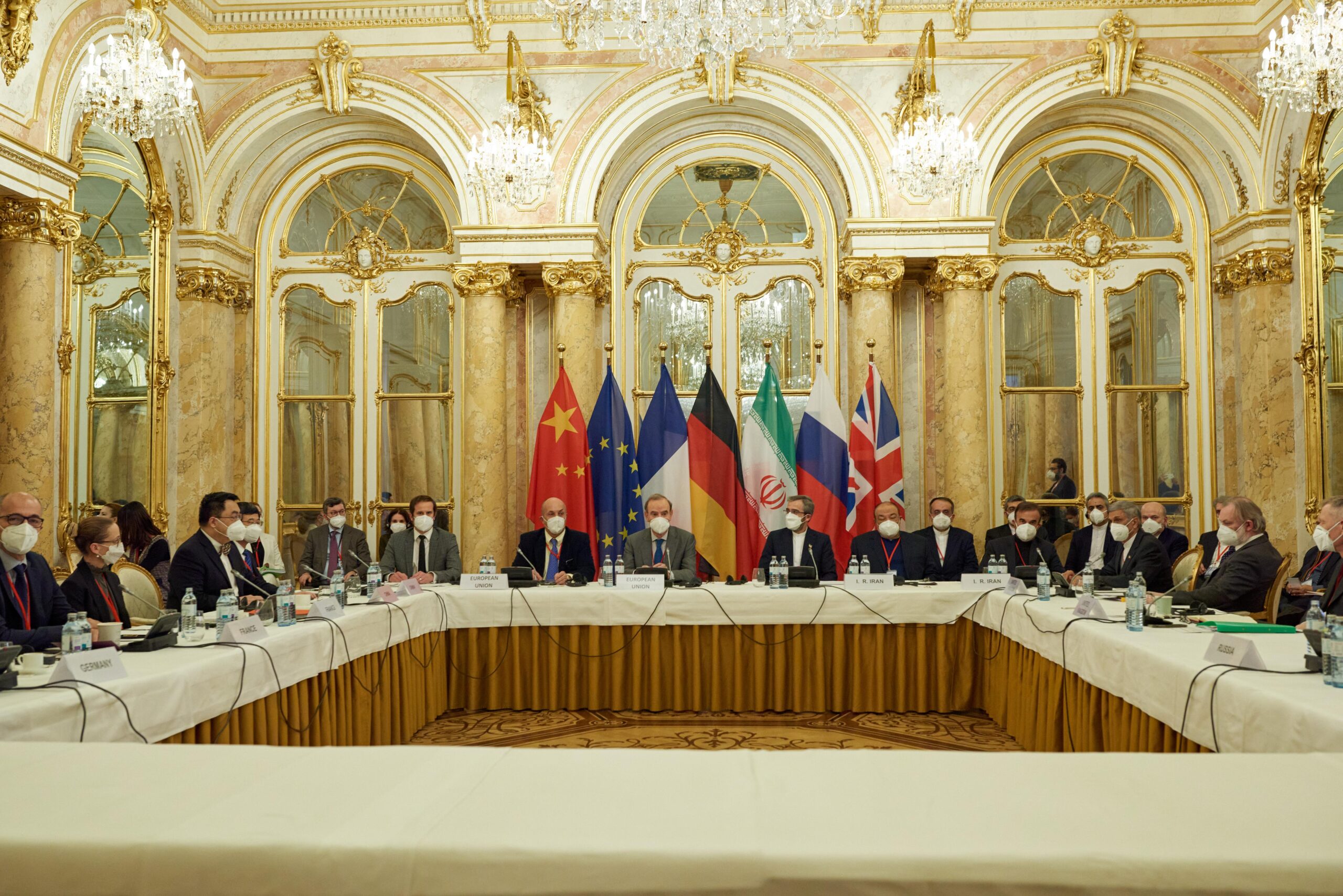
The Iran nuclear policy update suggests that future negotiations will require careful coordination and compromise. Diplomatic efforts may need to address both technical and political challenges to achieve meaningful progress.
Potential areas of focus include:
- Transparency and monitoring agreements
- Adjustments to nuclear activity thresholds
- Gradual easing of sanctions
- Confidence-building measures
While challenges remain, dialogue continues to be viewed as the most viable path forward.
Editorial Standards and Transparency
This article has been prepared following strict editorial standards to ensure accuracy, originality, and compliance with professional journalism guidelines. The content is factual, balanced, and free from misinformation or unsupported claims.
All information is presented with clarity and neutrality, aligning with Google News requirements for high-quality reporting.
A Firm Stance with Global Implications
The Iran nuclear policy update highlights a consistent and firm position from Tehran in 2026. The president’s remarks reinforce the country’s commitment to its nuclear program under a framework defined by national policy.
This development carries significant implications for global diplomacy, regional security, and economic conditions. While the situation remains complex, continued dialogue will be essential in navigating the challenges ahead.
The coming months will likely determine whether this policy stance leads to renewed negotiations or increased tensions on the global stage.