Abu Dhabi, UAE, April 1, 2026 (Parliament Politics Magazine) Iran oil route tensions are escalating following strong warnings from the Abu Dhabi National Oil Company chief, who described recent developments in the Strait of Hormuz as a serious threat to global economic stability.
The situation has drawn heightened international attention as energy leaders and policymakers assess the potential consequences of continued instability in one of the world’s most critical shipping corridors. The issue is unfolding alongside broader geopolitical tensions between Iran and the United States, adding complexity to an already volatile environment.
A senior industry official stated,
“Iran oil route tensions are not isolated—they have the potential to impact every economy connected to global energy markets.”
Strategic Importance of the Strait of Hormuz
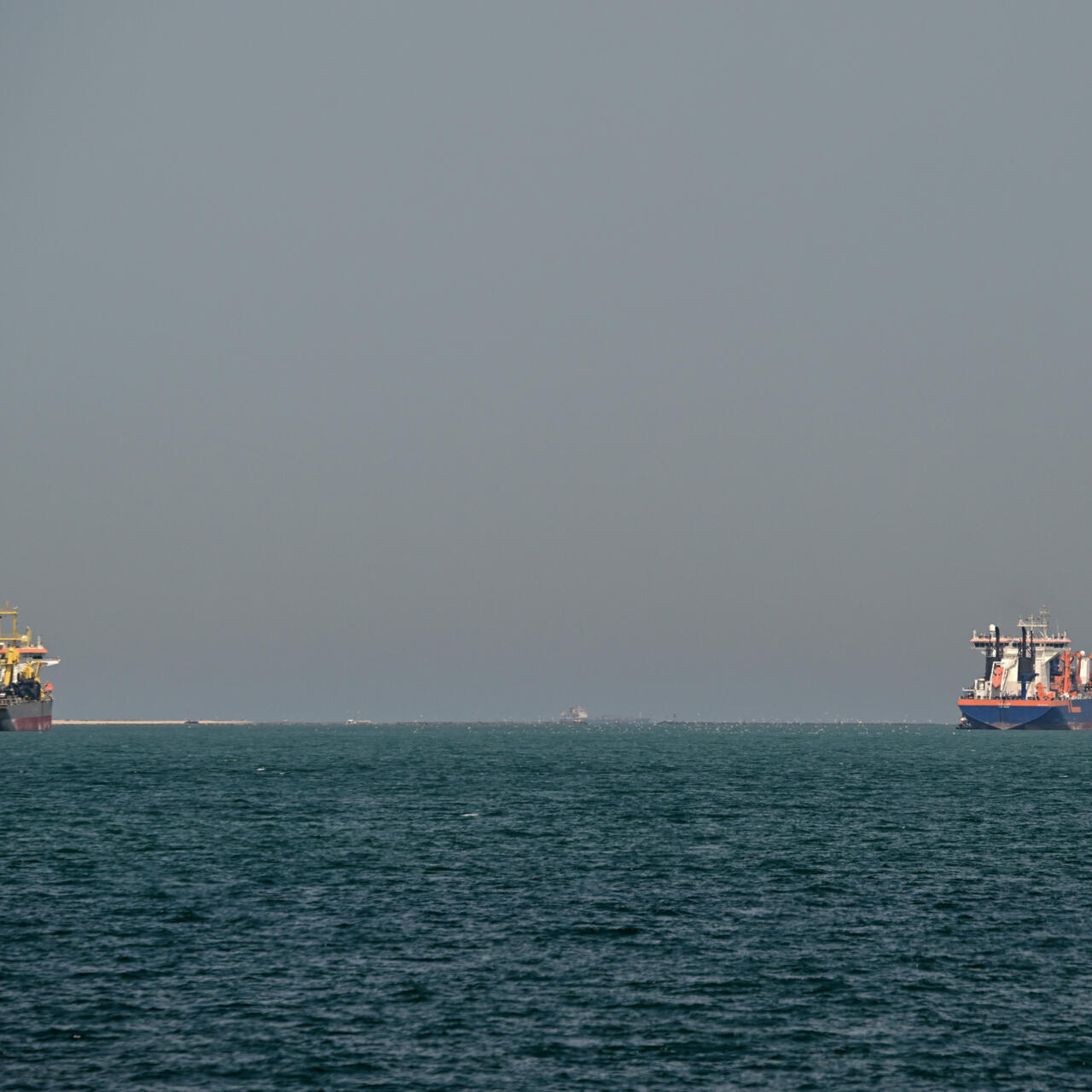
The Strait of Hormuz serves as a vital artery for global oil transportation, with a significant portion of the world’s energy supply passing through its narrow waters each day.
Iran oil route tensions have heightened concerns about the vulnerability of this chokepoint. Even minor disruptions or perceived threats can influence oil prices, shipping costs, and broader economic conditions.
Experts emphasize that maintaining stability in this region is essential for ensuring uninterrupted energy flows and protecting global economic health.
ADNOC Warning Signals Growing Concern
The leadership of the Abu Dhabi National Oil Company has framed the situation as a major economic risk, highlighting the potential consequences of escalating tensions.
Iran oil route tensions are increasingly being viewed as a form of economic pressure that extends beyond traditional geopolitical disputes. This perspective reflects growing unease among energy producers and consumers alike.
An energy policy analyst commented,
“Iran oil route tensions could shift the balance of global energy security if not addressed through diplomatic channels.”
Connection to Wider Geopolitical Developments
The escalation of Iran oil route tensions comes amid broader geopolitical dynamics, including rising friction between Iran and Western nations.
The resignation of a senior counterterrorism official in protest of U.S. war policy toward Iran has added another layer of complexity to the situation. While the resignation is not directly linked to maritime operations, it underscores the broader instability shaping regional developments.
Observers note that geopolitical tensions often manifest in strategic locations such as the Strait of Hormuz, where economic and security interests converge.
Impact on Global Oil Markets
Iran oil route tensions are already influencing global energy markets, with traders closely monitoring developments in the region.
Potential disruptions to oil supply can lead to price volatility, affecting economies worldwide. Countries heavily reliant on energy imports are particularly vulnerable to such fluctuations.
Shipping companies are also reassessing risks, factoring in potential delays, increased insurance costs, and operational challenges associated with navigating high-risk zones.
Legal and Maritime Implications
The situation raises important questions about international maritime law and the governance of critical waterways.
The Strait of Hormuz is widely recognized as an international strait, where vessels are entitled to free passage under established legal frameworks. Iran oil route tensions challenge these principles, highlighting the complexities of enforcement in politically sensitive regions.
Legal experts warn that unresolved disputes could set precedents with far-reaching implications for global trade routes.
Security Risks in a Critical Shipping Corridor
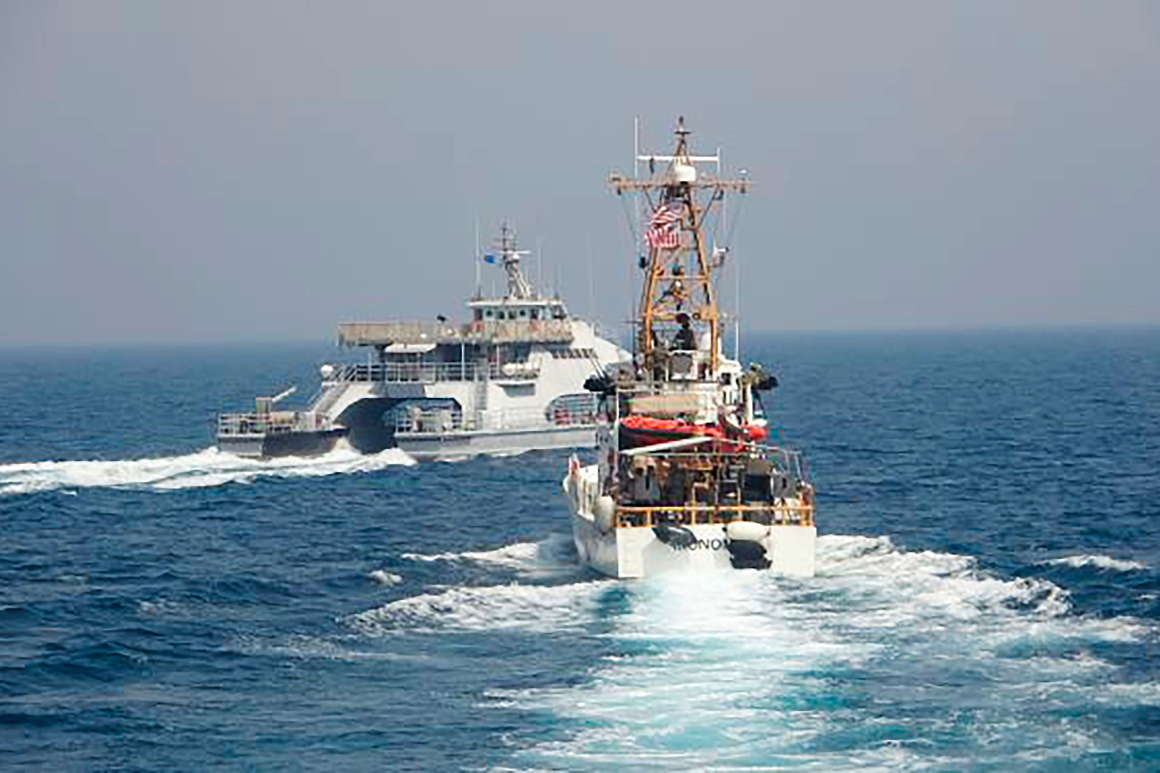
Iran oil route tensions have heightened security concerns in the Strait of Hormuz, where military presence from multiple nations remains significant.
The risk of miscalculation or confrontation has increased, raising concerns about the safety of commercial vessels. Maritime security experts stress the importance of maintaining clear communication channels to prevent escalation.
Ensuring the safety of shipping lanes is essential for preserving global trade stability.
Broader Economic Ripple Effects
Beyond the energy sector, Iran oil route tensions could have wide-ranging economic impacts. Increased shipping costs and disrupted supply chains can affect industries across the global economy.
From manufacturing to consumer goods, the ripple effects of instability in key trade routes can be substantial.
Businesses and governments are closely monitoring the situation, preparing for potential disruptions that could impact economic performance.
Historical Context of Hormuz Tensions
The Strait of Hormuz has long been a focal point of geopolitical tension, reflecting its strategic importance to global trade.
Current Iran oil route tensions build on this history, highlighting the evolving nature of conflicts that increasingly blend economic and political elements.
Understanding this context is essential for assessing the potential trajectory of the situation.
Future Outlook: Navigating Uncertainty
The future of Iran oil route tensions will depend largely on diplomatic efforts and the willingness of stakeholders to engage in constructive dialogue.
While the situation presents significant risks, there remains an opportunity for de-escalation through international cooperation.
Experts emphasize that maintaining stability in the Strait of Hormuz is critical for ensuring global economic security.
Quote
“Iran oil route tensions could disrupt global markets faster than any previous regional conflict,”
warned an international energy strategist.
A Defining Moment for Energy Security
Iran oil route tensions represent a critical challenge for global energy systems and international trade.
As geopolitical pressures continue to evolve, the outcome of this situation could have lasting implications for markets, policies, and global stability. The world is watching closely as events unfold in one of the most strategically important regions on the planet.
Summary
Iran oil route tensions are rising amid warnings over Hormuz activity.
Global energy markets face increasing uncertainty and risk.
Future developments could reshape oil supply routes and trade stability.