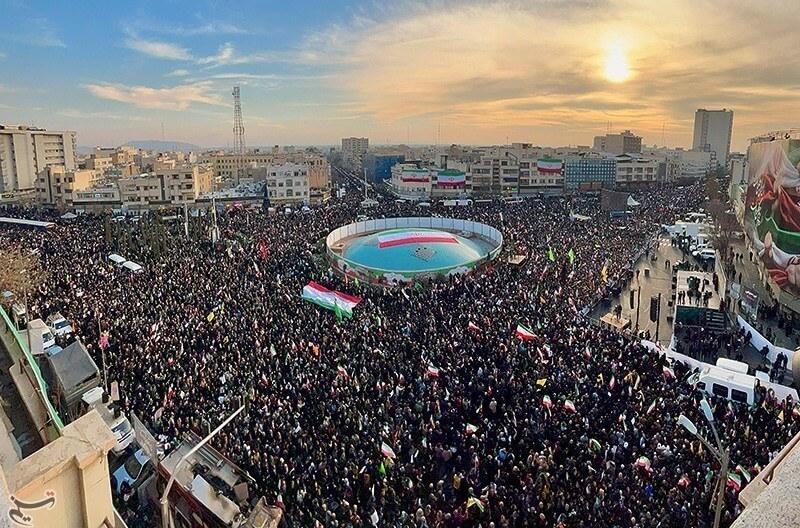
Tehran, April 12, 2026 (Parliament Politics Magazine) Iran political sentiment is undergoing a noticeable shift in 2026, as public attitudes across the country reflect rising skepticism toward diplomacy and government strategy. The changing mood comes amid stalled negotiations, economic hardship, and the lingering effects of regional conflict.
Recent developments, including failed diplomatic talks and heightened tensions, have contributed to a more cautious and divided public outlook. Many citizens now question whether current policies can deliver stability or meaningful progress.
A regional observer stated,
“Public confidence is increasingly fragile, and that is shaping how people view both diplomacy and leadership decisions.”
Public Opinion Shows Deepening Divide
The evolving Iran political sentiment highlights a growing divide within the population. While some citizens continue to support the government’s firm stance in negotiations, others express frustration over economic conditions and lack of diplomatic breakthroughs.
Reports indicate that public reactions to recent ceasefire efforts have been mixed, with skepticism and uncertainty dominating the national mood.
This polarization reflects broader societal tensions, where differing perspectives on diplomacy and conflict coexist, making consensus more difficult.
Failed Talks Fuel Skepticism Toward Diplomacy
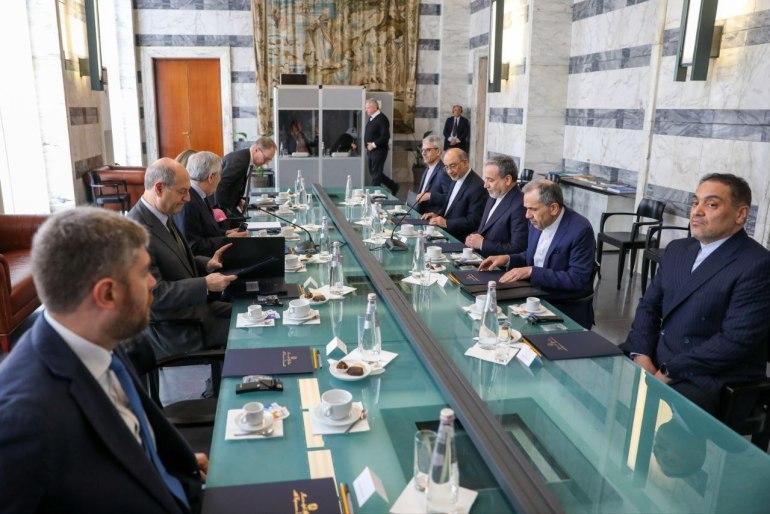
The continued Iran political sentiment shift is closely linked to the breakdown of recent negotiations. High-level talks between Iran and the United States ended without agreement, reinforcing doubts about the effectiveness of diplomatic efforts.
Officials acknowledged that while some progress was made, major differences remain unresolved, leaving the future of negotiations uncertain.
This lack of progress has contributed to a perception that diplomacy alone may not be sufficient to address ongoing challenges.
Economic Pressures Influence Public Mood
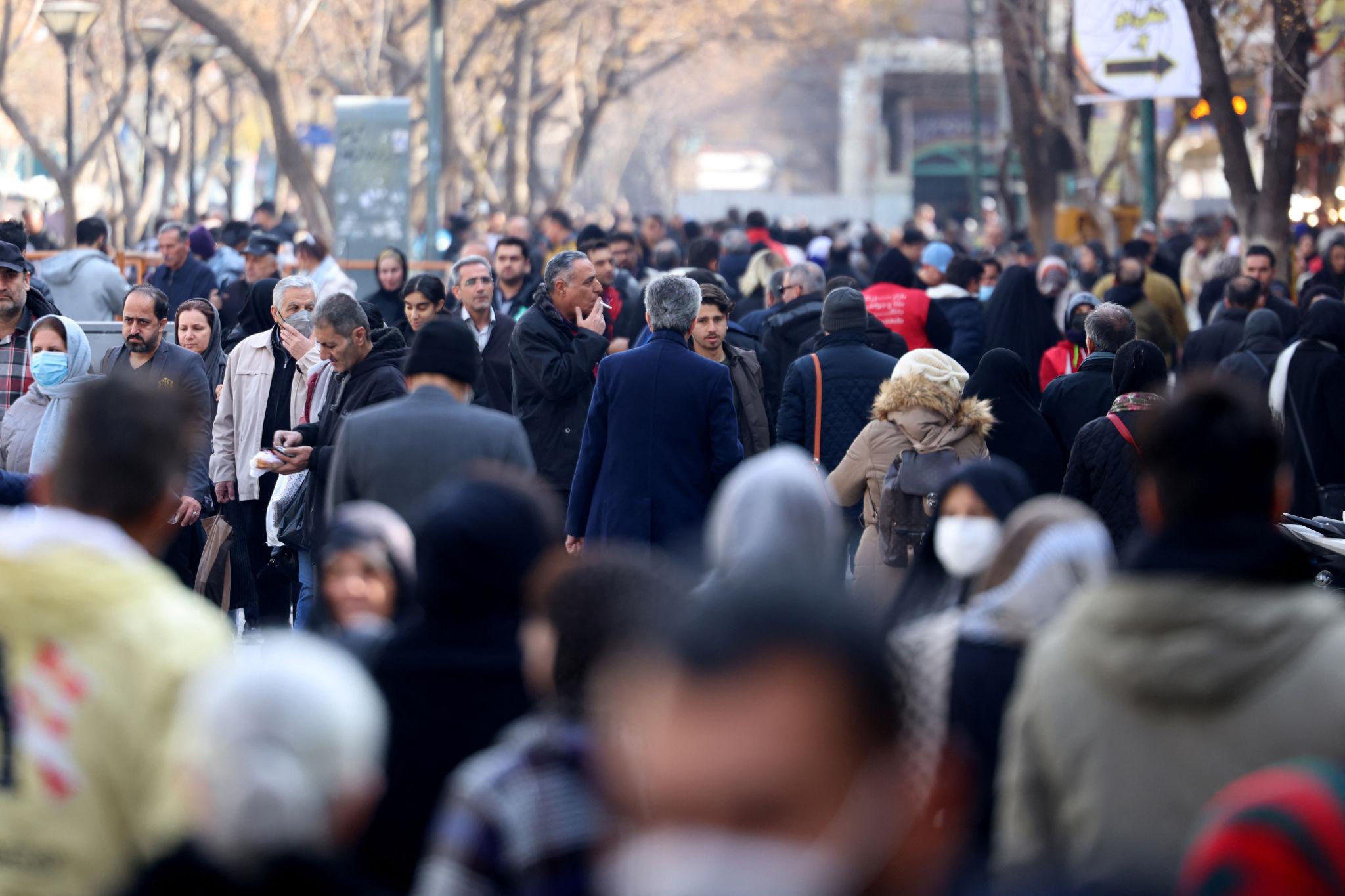
Economic conditions are playing a significant role in shaping Iran political sentiment. Rising inflation, unemployment, and disrupted industries have increased public frustration and concern about the future.
Many citizens are feeling the direct impact of economic instability, which has made everyday life more difficult. As a result, expectations for quick solutions have grown, placing additional pressure on policymakers.
Analysts note that economic hardship often amplifies dissatisfaction with political processes, including diplomacy.
War and Regional Tensions Add to Uncertainty
The broader geopolitical environment is another key factor influencing Iran political sentiment. Ongoing tensions and conflict have created an atmosphere of uncertainty, affecting how citizens perceive both domestic and international developments.
Experts highlight that public opinion has become increasingly polarized, with some supporting strong defensive measures while others call for de-escalation and renewed dialogue.
This divide reflects the complexity of navigating national security concerns alongside public expectations.
Trust Deficit Challenges Policymakers
A central issue in the current Iran political sentiment landscape is the growing trust deficit between the public and decision-makers. Repeated setbacks in negotiations and ongoing economic challenges have contributed to declining confidence.
Observers warn that rebuilding trust will require tangible results, not just promises. Without clear progress, skepticism is likely to persist, further complicating governance and diplomacy.
A political analyst noted,
“Trust is built on outcomes, and without them, public patience begins to wear thin.”
Information Control and Public Perception
The shaping of Iran political sentiment is also influenced by information access and media narratives. Reports of communication restrictions and controlled messaging have raised concerns about transparency and public awareness.
In such an environment, citizens may rely on limited or conflicting information, which can deepen uncertainty and mistrust.
The role of information in shaping public perception has become increasingly important in modern geopolitical contexts.
International Perspective on Iran’s Public Mood
Global observers are closely monitoring Iran political sentiment, recognizing its potential impact on diplomatic outcomes. Public opinion can influence negotiation strategies and the willingness of leaders to compromise.
Countries engaged in discussions with Iran are aware that domestic pressures may shape policy decisions, adding complexity to already challenging negotiations.
This dynamic underscores the interconnected nature of domestic and international politics.
Future Outlook: Can Confidence Be Rebuilt?
The future of Iran political sentiment will depend on whether meaningful progress can be achieved in both diplomacy and economic recovery. While challenges remain significant, opportunities for improvement still exist.
Experts suggest that incremental progress, combined with greater transparency, could help restore confidence over time. However, this will require sustained effort and commitment from leadership.
The coming months are likely to be critical in determining whether sentiment stabilizes or continues to decline.
Iran Political Sentiment Signals Critical Turning Point
The current state of Iran political sentiment reflects a nation at a crossroads, shaped by economic pressures, diplomatic challenges, and regional tensions. Public skepticism toward negotiations and leadership decisions highlights the need for tangible results and renewed trust.
As divisions deepen and uncertainty persists, the importance of effective communication and measurable progress becomes increasingly clear.
In summary, Iran political sentiment is a key indicator of the country’s internal stability and future direction, with its trajectory likely to influence both domestic policy and international diplomacy in the months ahead.