
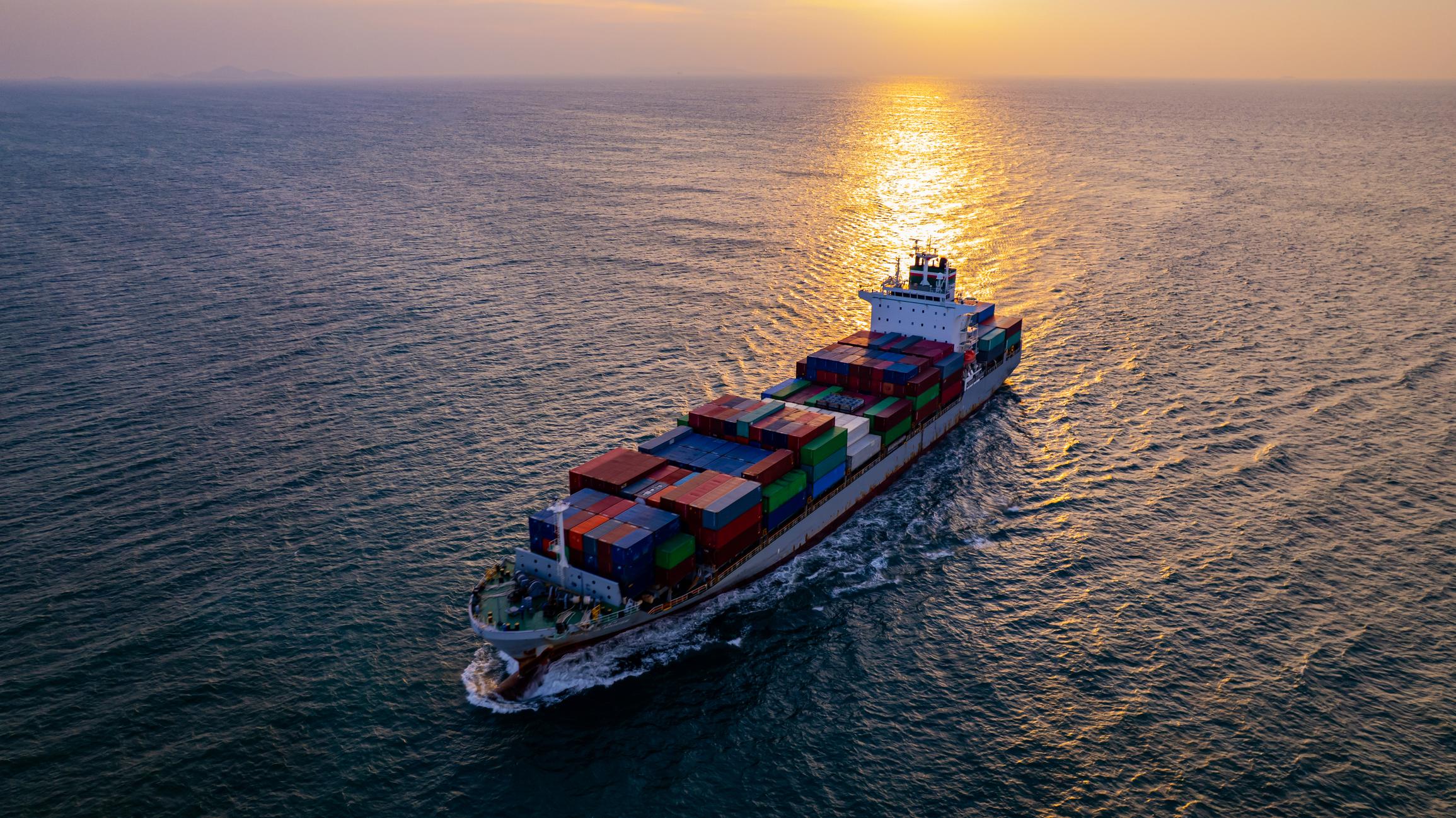
Iran port blockade disrupts global shipping as 49 vessels are diverted.
Military monitoring increases across key Middle East routes.
Oil markets and trade flows face growing uncertainty in 2026.
Iran port blockade, Iran, (Parliament Politics Magazine) The confirmation that 49 commercial vessels have been redirected marks a significant escalation in maritime disruption linked to regional tensions. According to the United States Central Command, the rerouting was necessary to mitigate emerging risks near Iranian-controlled waterways.
This development signals a growing challenge for global shipping networks and raises concerns about broader economic consequences tied to energy supply and international trade.
Iran Port Blockade Key Facts 2026
- Event: Iran port blockade impact on shipping
- Location: Persian Gulf / Strait of Hormuz
- Date: May 2026
- Vessels Redirected: 49 commercial ships
- Authority: United States Central Command (CENTCOM)
- Primary Impact: Global shipping disruption
- Secondary Impact: Oil price volatility, supply chain delays
- Risk Level: Elevated maritime security threat
- Industries Affected: Energy, logistics, international trade
CENTCOM confirms 49 vessels rerouted amid security concerns
Officials from United States Central Command confirmed that vessels were diverted as a precautionary measure due to increased risk levels. The ships affected include oil tankers, container carriers, and bulk cargo vessels.
A senior official stated:
“Ensuring the safety of maritime commerce remains critical as conditions continue to evolve.”
The redirection reflects a proactive approach to preventing potential incidents in high-risk zones.
Strategic significance of the Strait of Hormuz
The Strait of Hormuz remains a vital artery for global energy supply, with nearly one-fifth of the world’s oil shipments passing through it. The Iran port blockade has amplified concerns about restricted access to this critical chokepoint.
Key risks include:
- Disruptions in crude oil flow
- Increased shipping insurance costs
- Higher global fuel prices
Any sustained disruption could have far-reaching economic implications.
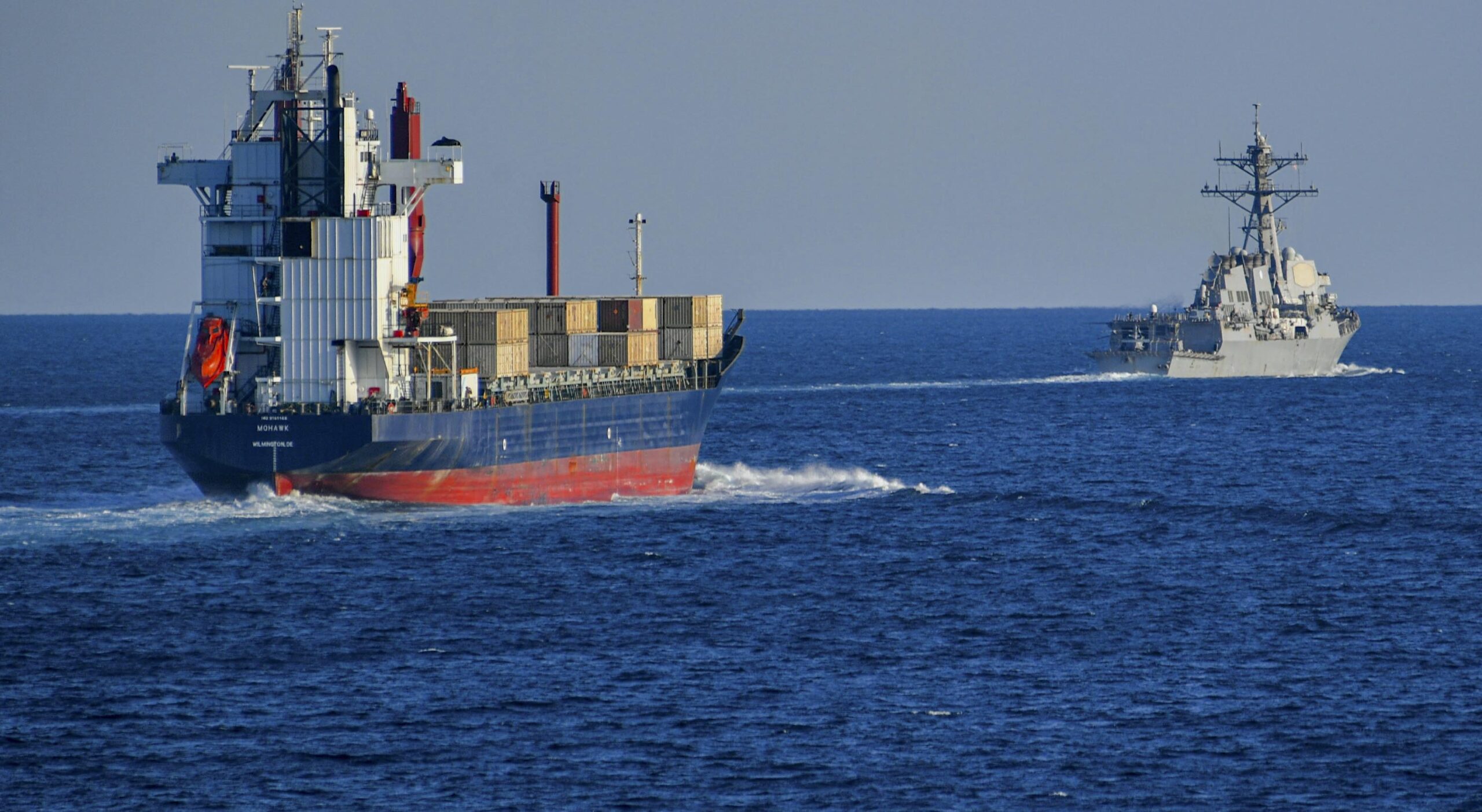
Shipping industry adapts to rising operational risks
Shipping companies have implemented contingency plans in response to the Iran port blockade, including rerouting vessels and avoiding high-risk zones.
These adaptations come with trade-offs:
- Longer transit times
- Increased fuel consumption
- Higher logistics costs
Industry leaders warn that prolonged disruption could significantly strain global supply chains.
Energy markets react to geopolitical uncertainty
The Iran port blockade has introduced volatility into energy markets, with traders closely monitoring developments.
Early reactions include:
- Fluctuations in crude oil prices
- Increased speculation in futures markets
- Elevated risk premiums
Analysts suggest that sustained disruption could lead to sharper market movements.
Military presence increases across key maritime corridors
Military monitoring has intensified in response to the Iran port blockade, with naval forces expanding surveillance operations across critical shipping lanes.
The objectives include:
- Safeguarding commercial vessels
- Deterring escalation
- Maintaining maritime stability
However, increased military activity also contributes to a heightened tension environment.
Geopolitical tensions extend beyond maritime disruption
The Iran port blockade reflects broader geopolitical tensions involving regional and global powers. Shipping disruptions often serve as indicators of deeper strategic conflicts.
Potential implications include:
- Diplomatic strain between nations
- Economic countermeasures
- Expansion of restricted maritime zones
These factors contribute to ongoing uncertainty.
Economic impact spreads across global trade networks
The Iran port blockade is expected to influence global trade by increasing costs and causing delays.
Impacts may include:
- Higher prices for goods
- Supply chain inefficiencies
- Reduced trade flow reliability
Economies dependent on maritime logistics are particularly vulnerable.
Historical context of maritime tensions in the region
The Middle East has experienced repeated maritime disruptions over decades, particularly involving strategic waterways like the Strait of Hormuz.
The current Iran port blockade follows a pattern where geopolitical tensions translate into shipping risks, reinforcing the region’s long-standing role as a critical pressure point in global trade.
Expert quotes highlight growing global concern
“The diversion of 49 vessels signals a shift in maritime risk levels that cannot be ignored.”
“Shipping disruptions in this region historically precede broader economic consequences.”
“Markets may remain stable temporarily, but prolonged uncertainty often leads to volatility.”
Outlook: uncertainty dominates near-term projections
The future of the Iran port blockade remains uncertain, with multiple possible scenarios depending on geopolitical developments.
Key variables include:
- Duration of disruption
- Diplomatic negotiations
- Military activity levels
Stakeholders across industries are closely monitoring the situation.
Key developments from Iran port blockade
The redirection of 49 vessels highlights the seriousness of current maritime risks. The Iran port blockade has:
- Disrupted global shipping routes
- Increased energy market uncertainty
- Triggered military monitoring
- Raised global economic concerns
The situation remains fluid, with potential for further escalation.
