

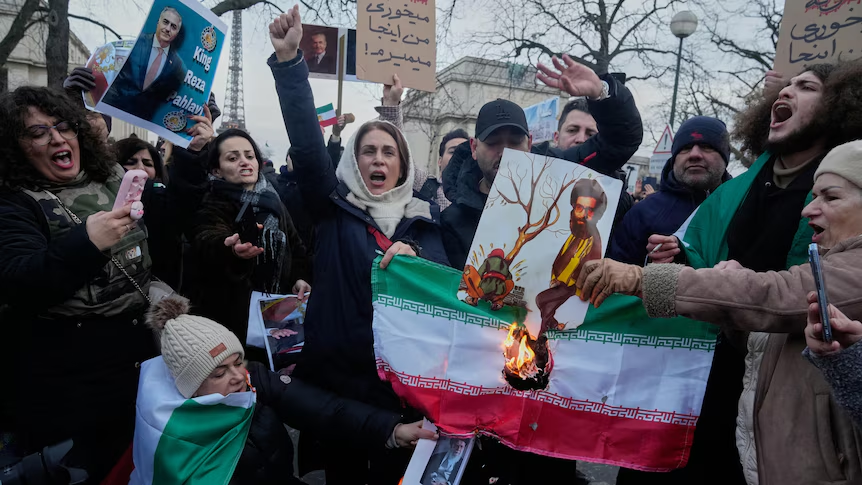
Iran January 2026 – parliament news Highlights that Iran protests diplomacy has emerged as one of the most influential forces shaping international engagement with Tehran as sustained demonstrations inside Iran continue to draw global attention. European capitals diplomatic institutions and multilateral forums are increasingly linking internal developments in Iran to broader foreign policy decisions. The convergence of protest movements public opinion and state level diplomacy reflects a shift in how domestic unrest influences international relations.
This phase marks a departure from periods when Iran’s internal affairs were largely compartmentalized from external engagement. In the current climate domestic protests are no longer viewed solely as internal challenges but as drivers of diplomatic posture policy recalibration and public messaging across Europe and beyond.
Origins of the protest movement and global visibility
Iran has experienced waves of protest over many years driven by economic pressure social restrictions and political dissatisfaction. The current cycle however has achieved exceptional international visibility due to the scale of participation and the speed at which information circulates globally. Images narratives and personal accounts have reached audiences far beyond the region shaping perceptions and expectations.
This global exposure has intensified Iran protests diplomacy by compelling foreign governments to respond not only to events on the ground but ran to domestic pressure from their own publics. The intersection of digital media and street mobilization has effectively internationalized what once might have remained a largely domestic issue.
European diplomatic recalibration
European governments have adjusted their diplomatic approach as protests persist. Summoning ambassadors issuing coordinated statements and raising concerns in bilateral meetings have become more common. The European Union has also discussed the situation within its institutional frameworks reflecting shared concern among member states.
In this context Iran protests diplomacy functions as both a policy driver and a diplomatic test. European leaders seek to signal commitment to human rights while preserving channels for dialogue on security and regional stability. This balancing act has shaped the tone and substance of diplomatic engagement.
Parliamentary influence on foreign policy
National parliaments across Europe have played a significant role in elevating Iran’s protests within foreign policy debates. Lawmakers have questioned ministers demanded explanations and proposed resolutions addressing Iran’s internal situation.
Through parliamentary scrutiny Iran protests diplomacy has gained democratic legitimacy as an issue of public concern rather than elite negotiation. Parliamentary debates highlight tensions between values based diplomacy and strategic pragmatism forcing governments to articulate clear positions.

Tehran’s diplomatic response
Iranian officials have consistently rejected external criticism framing protests as influenced by hostile actors and emphasizing sovereignty. Diplomatic responses from Tehran have stressed non interference principles while defending domestic security measures.
From Tehran’s perspective Iran protests diplomacy represents an attempt by foreign states to leverage internal challenges for political gain. This stance has shaped Iran’s engagement with European counterparts often leading to guarded dialogue and firm rebuttals.
Media framing and international narratives
International media coverage has played a central role in shaping diplomatic reactions. Reporting on protests arrests and casualties has influenced public discourse and political debate in Europe North America and beyond.
Governments responding to these narratives increasingly reference Iran protests diplomacy in official communications. Diplomatic language has evolved to address public concern while attempting to avoid escalation. Media framing thus acts as a bridge between street level events and state level responses.
Human rights advocacy and diplomatic pressure
Human rights organizations have actively documented developments inside Iran issuing reports and recommendations. These findings have informed parliamentary questions diplomatic démarches and multilateral discussions.
Within this framework Iran protests diplomacy becomes a mechanism for advancing accountability through state to state engagement. Advocates argue that sustained diplomatic pressure is essential to protect protesters and reinforce international norms.
Regional perspectives and strategic caution
Beyond Europe regional actors closely monitor Iran’s protests due to potential spillover effects. Neighboring states and partners assess implications for security trade and political stability.
For these actors Iran protests diplomacy often unfolds through quieter channels. Public statements may be restrained yet private diplomatic engagement reflects concern about long term consequences. Strategic caution shapes responses in a region sensitive to escalation.
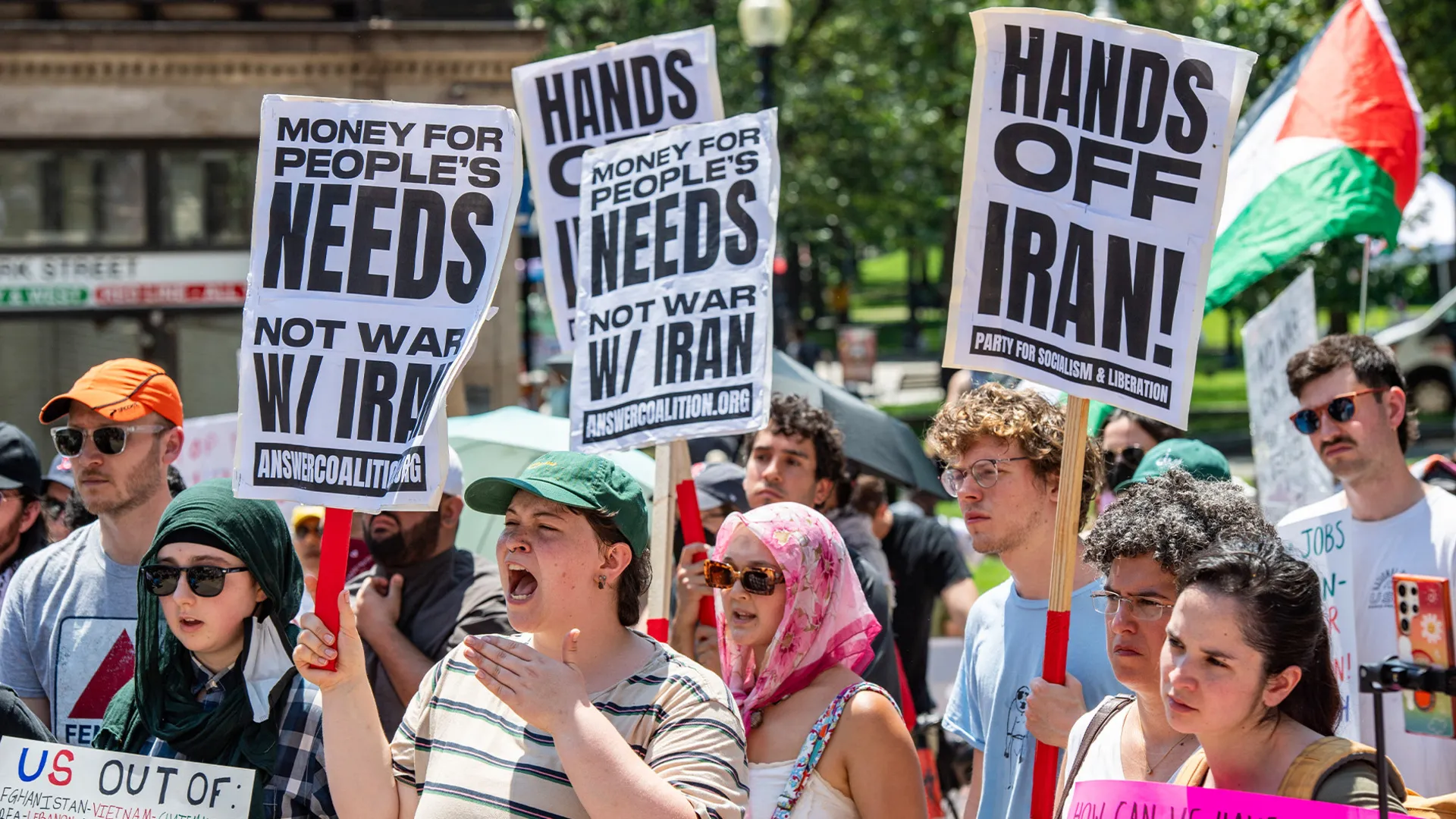
Legal norms and sovereignty debates
International law recognizes state sovereignty while allowing dialogue on human rights obligations. Navigating this balance remains complex.
In practice Iran protests diplomacy operates within contested normative space. States seek to influence behavior without violating diplomatic conventions. Disagreements over where dialogue ends and interference begins remain unresolved.
Economic considerations in diplomatic engagement
Economic ties influence how states respond to Iran’s internal situation. Trade investment and sanctions considerations intersect with diplomatic messaging.
Some analysts note that Iran protests diplomacy could affect economic engagement if tensions deepen. Markets and businesses watch diplomatic signals closely adjusting expectations based on perceived stability and policy direction.
Public opinion and electoral dynamics
Domestic public opinion in Europe has shaped government responses. Images of protests resonate with voters generating calls for action.
As a result Iran protests diplomacy is also a domestic political issue. Leaders must reconcile electoral pressures with long term strategic interests complicating policy formulation.
Multilateral institutions and collective action
Multilateral forums provide platforms for coordinated responses. European Union institutions and international organizations have addressed Iran’s protests through statements debates and resolutions.
Through collective mechanisms Iran protests diplomacy gains amplified influence. Shared action distributes political risk while reinforcing common positions.
Diplomatic limits and pragmatic restraint
Despite rising pressure governments remain cautious. Excessive confrontation risks closing channels of influence.
Diplomats acknowledge that Iran protests diplomacy requires calibrated engagement. Maintaining dialogue is seen as essential even amid disagreement to preserve leverage and avoid escalation.
Long term implications for EU Iran relations
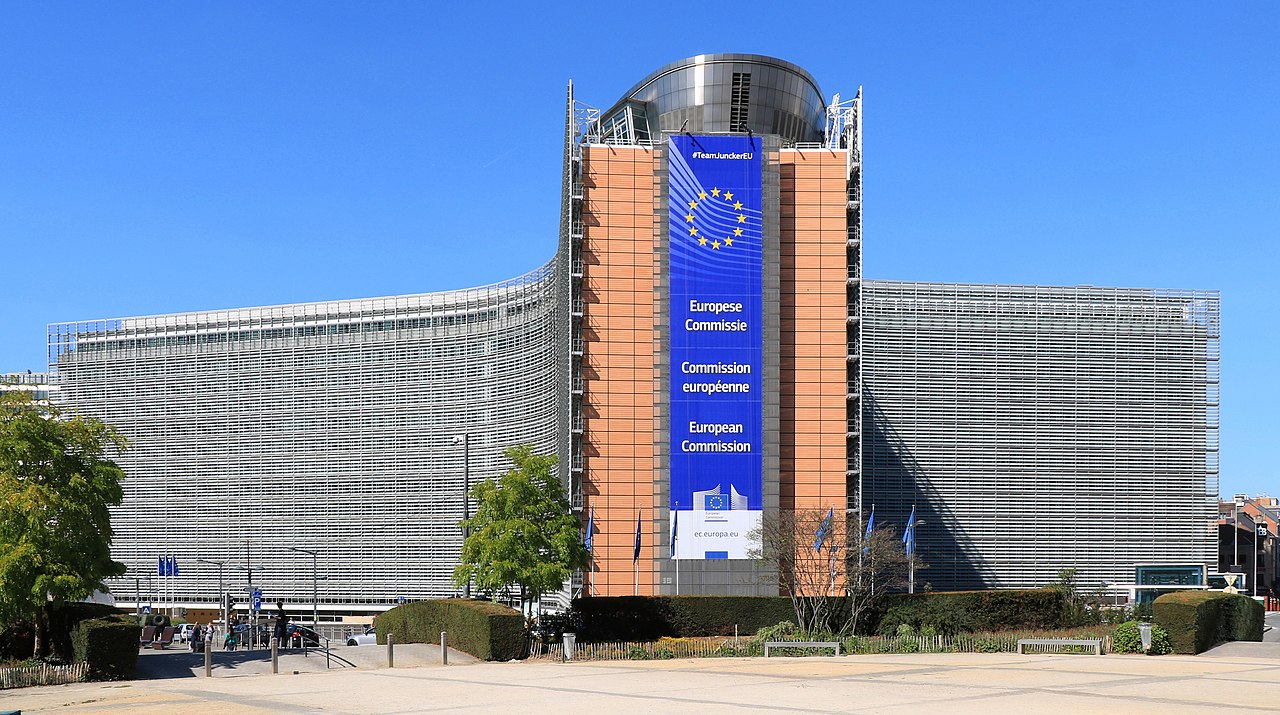
The protests have accelerated a broader reassessment of EU Iran relations. Engagement strategies increasingly incorporate human rights considerations alongside security and economic interests.
In this evolving context Iran protests diplomacy acts as a catalyst for policy debate rather than a standalone issue. The trajectory of relations will depend on developments inside Iran and responses abroad.
Strategic communication and messaging
Diplomatic messaging has become more nuanced. Officials balance condemnation with calls for dialogue using carefully crafted language.
This communication strategy reflects recognition that Iran protests diplomacy unfolds in a highly visible information environment where missteps can escalate tension.
A defining chapter in protest driven diplomacy
The current phase represents a defining chapter in how domestic movements influence international relations. Protests have become catalysts for diplomatic recalibration reshaping state interactions.
As Iran protests diplomacy continues it highlights the growing interconnectedness of internal politics and global engagement. Lessons drawn from this period may inform responses to future crises elsewhere.
A new diplomatic landscape
The interplay between protest movements and diplomacy is reshaping the global landscape. Iran’s experience illustrates how internal dynamics can redefine external relationships.
Ultimately Iran protests diplomacy underscores the evolving nature of sovereignty accountability and engagement in a connected world. How states navigate this terrain will shape international norms and expectations well beyond the current moment.