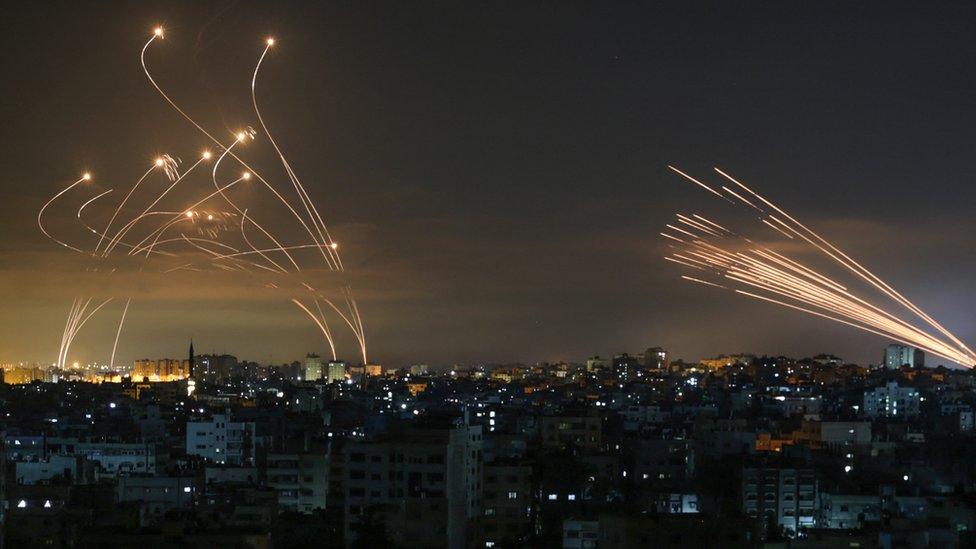
Brussels, Washington, March 22, 2026, Parliament Politics Magazine, Iran retaliation warning intensifies global fears as a top counterterrorism official resigns in protest of the escalating US war against Iran, while Belgium’s foreign minister calls for urgent restraint following fresh strikes in southern Israel.
The unfolding crisis is rapidly evolving into one of the most dangerous geopolitical flashpoints in recent years, with rising tensions threatening to spill beyond the Middle East.
Resignation Shocks Intelligence Community
The unexpected resignation of a senior counterterrorism official has added a new layer of urgency to the situation.
Sources suggest the official stepped down due to deep concerns over the widening conflict and the risks associated with continued escalation. The decision is widely seen as a reflection of internal disagreements within Western leadership.
“This is not just about one resignation—it’s about growing unease inside the system,”
a senior analyst noted.
The timing is critical, coming as the Iran retaliation warning grows louder across diplomatic and military channels.
Iran Retaliation Warning Raises Global Alarm
Iran has issued multiple warnings signaling that any further attacks on its infrastructure or territory will be met with overwhelming force.
Officials in Tehran have indicated that future responses may go beyond regional targets and could include critical infrastructure across multiple countries.
Recent statements emphasize that Iran has so far shown restraint but may abandon that position entirely if provoked again.
This Iran retaliation warning has intensified concerns among global leaders, particularly as missile strikes and counterattacks continue across the region.
Belgium Calls for ‘Restraint’ After Israel Strikes
Amid escalating tensions, Belgium’s foreign minister has urged all parties to exercise restraint following Israeli strikes in southern Israel.
European leaders are increasingly concerned that the situation could spiral into a wider conflict involving multiple nations.
The European Union’s position reflects a growing sense of urgency, focusing on:
- Preventing further military escalation
- Protecting civilian populations
- Stabilizing global energy markets
- Avoiding a broader international crisis
Brussels has emphasized diplomacy as the only viable path forward.
Missile Strikes and Retaliation Expand Conflict
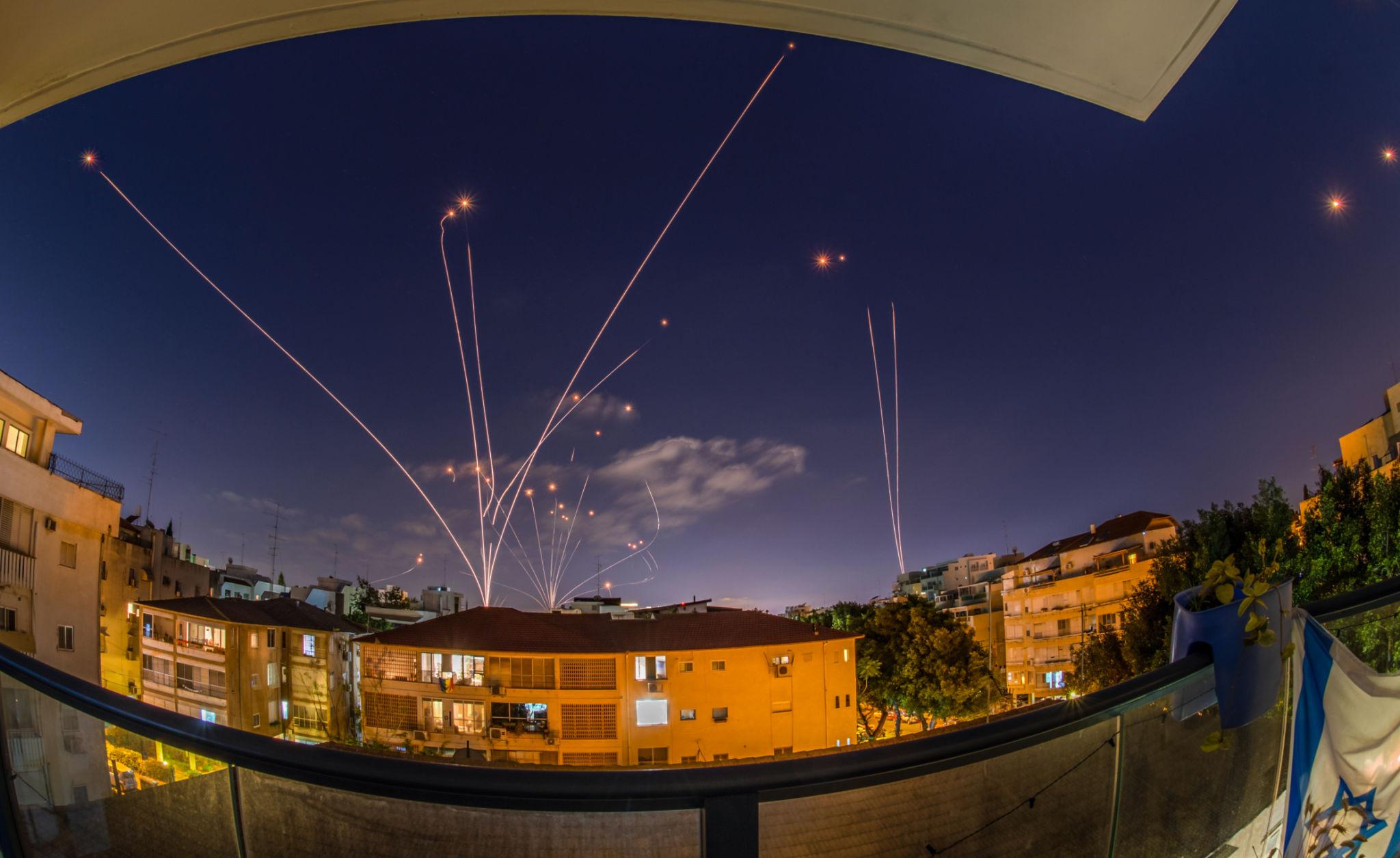
The crisis has already seen multiple waves of attacks, including Iranian missile strikes targeting Israeli territory and strategic sites.
Recent reports confirm that Iranian missiles have hit areas near sensitive infrastructure, injuring civilians and raising concerns about further escalation.
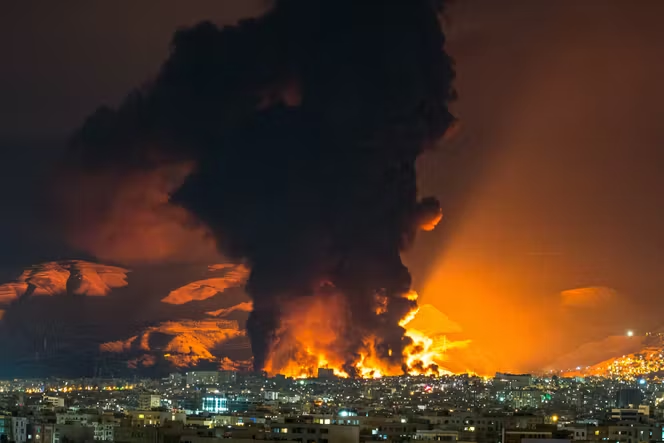
At the same time, Iran has targeted energy infrastructure across the Gulf in response to earlier attacks, signaling a shift toward a broader economic and strategic confrontation.
Energy War Fears Intensify
One of the most alarming aspects of the crisis is its impact on global energy systems.
The conflict is increasingly targeting oil and gas infrastructure, which analysts say could trigger a global economic shock.
Key risks include:
- Disruption of oil shipments through critical routes
- Damage to major energy facilities
- Rising global fuel prices
- Economic instability across multiple regions
The Strait of Hormuz, a vital global oil passage, remains at the center of the crisis, with threats of closure adding to market volatility.
Strategic Divisions Within Western Leadership
The resignation highlights growing divisions within Western governments over how to handle the conflict.
Some officials support continued military pressure, while others warn that escalation could lead to unintended consequences.
Key concerns include:
- Lack of a clear long-term strategy
- Risk of broader regional war
- Potential for global economic fallout
- Strain on international alliances
The fact that a high-ranking official stepped down at this moment underscores the seriousness of these disagreements.
Global Diplomatic Pressure Mounts
Governments worldwide are increasing pressure for de-escalation as the Iran retaliation warning continues to dominate headlines.
Diplomatic efforts are focused on:
- Preventing further attacks on infrastructure
- Reopening critical shipping routes
- Reducing military tensions
- Initiating ceasefire negotiations
However, progress remains uncertain as both sides continue to exchange threats and military actions.
Public Reaction and Political Fallout
The situation has sparked intense debate among policymakers and the public.
While some argue that strong action is necessary to deter threats, others fear that continued escalation could lead to long-term instability.
Economic concerns are also growing, with rising energy costs and market uncertainty affecting businesses and consumers worldwide.
A Critical Turning Point
The combination of a high-level resignation and a strong Iran retaliation warning suggests that the conflict may be approaching a decisive moment.
Experts warn that the coming days will be crucial in determining whether the situation stabilizes or escalates further.
“We are entering a phase where every decision carries global consequences,”
a geopolitical expert stated.
The Warning That Could Change Everything
The Iran retaliation warning has transformed the current conflict into a high-stakes global crisis.
With a top counterterrorism official resigning, Belgium urging restraint, and military tensions escalating, the risk of a broader conflict is growing rapidly.
This moment may define whether the world moves toward de-escalation—or faces a new era of instability and economic disruption.